Se i rommet
 Del som digitalt kort
 Del
Del
 Detaljer
 Studentguide

 Last ned
 Liknende objekter
 Røntgen
 Lysbildefremvisning
 Besøksstatistikk
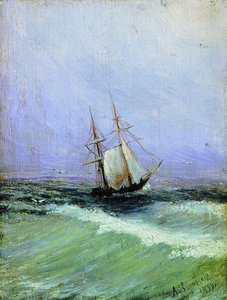
Tempest by cape Aiya
 Oil On Canvas
- WallArt
- Romanticism
 1875
1875- 19th Century
 215.0 x 325.0 cm
 Les mer
Håndlaget oljereproduksjon
Håndmalt olje på lerret i din valgte størrelse og ramme, laget på bestilling av våre kunstnere. ( Bytt til trykkversjon Gå til digitalt bilde)




P118B $10

P118H $10

P118W $10

P438Z $10

P508JH $12

P508YH $12

P805H $10

P805Z $10

P919BZ $10

P919G $10

P919XJ $10

P959ZH $10

P968JZ $12

W106C $8

W218G $10

W218JH $8

W218Y $10

W307PJ $10

W316G $10

W316PJ $8

W316Y $10

W398PJ $8

W4111J $10

W500HY $15

W500JH $15

W692G $12

W849H $8

W940BG $15

W953PJ $8




Velg mellom våre forhåndsdefinerte størrelser som bevarer kunstverkets opprinnelige proporsjoner.

Du kan angi egne mål for å tilpasse en spesifikk ramme eller plass. Dersom den valgte størrelsen ikke samsvarer med originalbildets proporsjoner, vil vi enten beskjære kunstverket eller utvide maleriet med ytterligere håndmalte elementer. En digital mockup vil bli sendt til din godkjenning før produksjonen starter.
Vennligst merk at forhåndsvisningen på skjermen ikke gjenspeiler den faktiske beskjæringen eller utvidelsen. Kun mockuppen vil vise den endelige komposisjonen nøyaktig.
Selv om tilpassede størrelser er tilgjengelige, anbefaler vi å velge et mål fra den forhåndsdefinerte listen for å bevare de originale proporsjonene.
Etter bestilling vil OriginalUniqueArt.com-teamet sende e-post til kunden for instruksjoner og sende et utkast (mockup) som forhåndsvisning.
Verdensomspennende levering () på 3–4 uker i stedet for standard 5 uker. (27 September). Ingen kompromisser med kvaliteten.

Gratis ekspressfrakt over hele verden

Lerretsduk av høykvalitets lin

Full transportforsikring

Garanti for refusjon av toll og importavgifter

Garantert fargeekthet

100 dagers returrett ved fabrikasjonsfeil

100% pengene tilbake-garanti

Mengderabatt
 Glassalternativet er kun tilgjengelig i størrelser under 110 cm

Tempest by cape Aiya
Reproduksjonsmetode
Format på reproduksjon
-


Totalpris
$ 300
Tempest by Cape Aiya: A Masterpiece of Romantic Sea Power
Ivan Aivazovsky’s “Tempest” is not merely a painting; it's an immersion into the heart of a storm, a visceral experience rendered with breathtaking skill and profound emotion. Completed in 1875, this monumental oil on canvas – measuring a commanding 215 x 325 cm – currently resides within the hallowed halls of The State Hermitage Museum in Russia, yet its power transcends geographical boundaries. Aivazovsky, born Hovhannes Aivazian in Feodosia, dedicated his life to capturing the untamed spirit of the Black Sea, and “Tempest” stands as a pinnacle of his achievement.
- Subject Matter: The painting depicts a chaotic seascape dominated by two vessels locked in a desperate struggle against colossal waves. A larger ship, clearly overwhelmed, is slowly succumbing to the storm’s fury, while a smaller boat valiantly attempts to navigate through the turbulent waters – a poignant symbol of human resilience against nature's raw power.
- Style and Technique: “Tempest” embodies the Romantic movement’s fascination with dramatic landscapes and intense emotion. Aivazovsky’s masterful brushwork, characterized by bold strokes and expressive handling of paint, conveys an unparalleled sense of dynamism and chaos. The artist meticulously layered oil paints to build texture and depth, simulating the roughness of the water and the solidity of the cliffs.
Decoding the Storm: Composition and Color
Aivazovsky’s compositional genius is immediately apparent in “Tempest.” He skillfully employs a low perspective, placing the viewer almost at water level, intensifying the feeling of immersion and vulnerability. The carefully balanced arrangement of the boats creates a powerful sense of tension, drawing the eye across the canvas and emphasizing the scale of the storm. The color palette – predominantly muted blues, grays, and browns – reinforces the painting’s somber mood, punctuated by flashes of white foam and the pale glow of sunlight piercing through the clouds. This restrained use of color amplifies the drama, focusing attention on the swirling waves and the desperate plight of the ships.
Symbolism and Historical Context
Beyond its technical brilliance, “Tempest” is rich in symbolic meaning. The sinking ship represents humanity’s vulnerability in the face of nature's overwhelming force – a timeless theme explored throughout art history. The painting was created during a period of significant maritime exploration and trade, reflecting the era’s fascination with both the promise and peril of the seas. Aivazovsky’s work wasn’t simply a record of observation; it was an embodiment of his deep connection to the Black Sea, a place he considered his muse and spiritual home.
Owning a Piece of History
Handmade oil paintings reproductions of “Tempest” by Cape Aiya are now available for purchase at OriginalUniqueArt.com, offering art lovers the opportunity to own a tangible connection to this iconic masterpiece. This reproduction faithfully captures the drama and power of Aivazovsky’s original, bringing his vision into your home or studio. For further information on Ivan Aivazovsky and his other celebrated works – including “View of Odessa by Moonlight” and “The Great Roads at Kronstadt” – please visit OriginalUniqueArt.com.
Kunstnerbiografi
A Life Embraced by the Waves
Ivan Konstantinovich Aivazovsky, born Hovhannes Aivazian in 1817, was more than a painter of seascapes; he was a conduit to the ocean’s soul. His very existence seemed inextricably linked to the Black Sea—a vast, unpredictable expanse that would forever dominate his artistic vision and fuel an extraordinary career spanning nearly six decades. Born in the Crimean port city of Feodosia, Aivazovsky didn't merely observe the sea; he felt it – its raw energy, sublime beauty, and inherent danger becoming the very essence of his art. From a young age, this connection was nurtured, initially by local architect Jacob Koch who recognized the boy’s talent, then blossoming within the rigorous academic environment of the Imperial Academy of Arts in Saint Petersburg. Yet, formal training alone couldn't account for the depth of Aivazovsky’s understanding; it was the constant presence of salt-laced air and the cries of gulls that truly shaped his artistic sensibility. His Armenian heritage also played a significant role, as he was baptized at the St. Sargis Armenian Church in Feodosia and maintained strong cultural ties throughout his life, occasionally incorporating Armenian themes into his expansive body of work.The Early Years and Artistic Foundations
Aivazovsky’s early years were steeped in the maritime traditions of Feodosia, a bustling port city with deep roots in trade and seafaring. His family, originally from Western Armenia, had migrated to Crimea centuries earlier, establishing themselves as merchants and artisans. This exposure to the sea – its rhythms, its dangers, and its beauty – undoubtedly shaped his artistic sensibilities from an early age. Recognizing his exceptional talent, Jacob Koch, a local architect, encouraged Aivazovsky’s artistic pursuits, providing him with initial instruction. Later, he received formal training at the Imperial Academy of Arts in Saint Petersburg, where he honed his skills under the guidance of established masters. However, despite this rigorous academic education, Aivazovsky's true artistic voice emerged from his direct engagement with the natural world – specifically, the Black Sea. He spent countless hours observing ships, studying weather patterns, and capturing the ever-changing moods of the ocean on canvas. This intimate connection to the sea became the cornerstone of his unique style.The Rise as a Naval Painter
A pivotal moment in Aivazovsky’s career arrived with his appointment as the main painter of the Russian Navy in 1843. This wasn't merely a prestigious title; it was an unparalleled opportunity—access to ships, sailors, naval battles, and firsthand observation that profoundly influenced his work. He became intimately acquainted with maritime life, documenting ship movements, capturing the drama of naval engagements, and portraying the lives of those who served on the Russian fleet. This role provided him with a constant stream of subject matter and allowed him to develop a highly realistic and technically proficient style. His paintings of naval battles – such as *The Battle of Navarino* (1846) – became iconic representations of these historical events, capturing both the chaos and the heroism of war at sea. The patronage of the Russian Imperial family further elevated his status and provided him with resources to continue his artistic endeavors.A European Journey and Artistic Refinement
In the early 1840s, Aivazovsky embarked on a journey through Europe, seeking inspiration and broadening his artistic horizons. Italy proved particularly formative, immersing him in new landscapes and light, refining his skills, and developing a distinctive style characterized by dramatic compositions and masterful use of color. He spent time studying the works of masters like Turner and Friedrich, absorbing their techniques for capturing atmospheric effects and conveying emotion through landscape painting. His travels also exposed him to different artistic traditions, enriching his own creative vision. He returned to Russia with a renewed sense of purpose and a deeper understanding of the principles of art.Style and Legacy: The Romantic Sea
Aivazovsky’s paintings are instantly recognizable for their romantic sensibility and technical brilliance. He wasn't simply recording what was seen, but rather conveying what was felt – the power, the mystery, and the sublime beauty of the sea. His use of color—particularly his mastery of light and shadow—created a sense of drama and movement that captivated viewers. Works like *The Ninth Wave* (1850) exemplify this ability to evoke both terror and awe, capturing the raw energy of a storm at sea. He often worked en plein air, directly from nature, capturing fleeting light effects. His prolific output – around 6,000 paintings—is remarkable and demonstrates his unwavering dedication to his craft. Aivazovsky’s legacy extends far beyond his artistic achievements; he is remembered as a symbol of Russian maritime pride and a pioneer in the development of marine art. His paintings continue to inspire awe and wonder, reminding us of the enduring power of nature and the human spirit.- Key Techniques: Aivazovsky’s distinctive style was characterized by his use of loose brushstrokes, layering of paint, and masterful manipulation of light and shadow.
- Subject Matter: He primarily focused on seascapes, naval battles, and scenes of maritime life.
- Influence: Aivazovsky profoundly influenced subsequent generations of Russian landscape painters.

Ivan Aivazovsky
1817 - 1900 , Russland
Kort om kunstneren
- Artistic Movement Or Style: Romantikk, sjøkunst
- Artists Or Movements Influenced By This Artist: Russisk landskapsmaleri
- Artists Who Influenced This Artist: Ingen kjent
- Date Of Birth: 1817
- Date Of Death: 1900
- Full Name: Ivan Konstantinovich Aivazovsky
- Nationality: Russisk-armensk
- Notable Artworks:
- Niende bølge
- Skip i stormfullt hav
- Place Of Birth: Feodosia, Russland
Relaterte artikler

Oil on Canvas: A Historical & Technical Exploration of a Timeless Artistic Medium
Explore the rich history & enduring techniques of oil painting on canvas. Discover the science behind its longevity, conservation practices, and contemporary relevance. Expert insights for art enthusiasts.
Ivan Aivazovsky: Mastering Light & Emotion in 19th-Century Marine Painting
Explore the captivating world of Ivan Aivazovsky, a master of 19th-century marine painting. Discover his techniques, iconic artworks & lasting legacy in this expert guide.

The Enduring Legacy of Oil on Canvas: Technique, History & Aesthetic Impact
Explore the rich history & techniques of oil painting – from Renaissance masters to Impressionism. Discover pigments, layering methods, and why this timeless medium endures. Expert insights for artists & art enthusiasts.
The Allure of the Horizon: A Comprehensive Exploration of Seascape Art Through History & Emotion
Explore the captivating world of seascape art! Discover its history, key artists & movements – from Dutch Masters to Impressionism. Expert insights for collectors and enthusiasts at OriginalUniqueArt.

Ivan Bilibin: A Synthesis of Folklore, Modernism & National Identity in Russian Illustration
Explore the enchanting world of Ivan Bilibin, a master Russian illustrator who synthesized folklore, Art Nouveau & national identity. Discover his iconic fairy tale illustrations and legacy with OriginalUniqueArt.