Forhåndsvisning
 Send
Send Del
Del
 Vis detaljer
 Utskriftsvennlig guide

 Last ned bilde
 Liknende objekter
 Røntgenundersøkelse
 Lysbildefremvisning
 Q&A
Q&A Statistikk
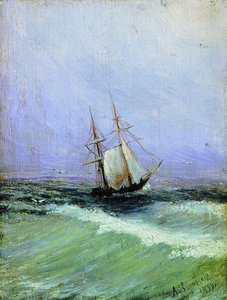
Ocean


 Vis hele teksten
Giclée / Kunsttrykk
Giclée- eller lerretsprint av museumskvalitet med rask produksjon og fleksible valgmuligheter for etterbehandling. ( Kjøp håndmalt maleri Bytt til digitalt bilde)




P118B Nkr10

P118H Nkr10

P118W Nkr10

P438Z Nkr10

P508JH Nkr12

P508YH Nkr12

P805H Nkr10

P805Z Nkr10

P919BZ Nkr10

P919G Nkr10

P919XJ Nkr10

P959ZH Nkr10

P968JZ Nkr12

W106C Nkr8

W218G Nkr10

W218JH Nkr8

W218Y Nkr10

W307PJ Nkr10

W316G Nkr10

W316PJ Nkr8

W316Y Nkr10

W398PJ Nkr8

W4111J Nkr10

W500HY Nkr15

W500JH Nkr15

W692G Nkr12

W849H Nkr8

W940BG Nkr15

W953PJ Nkr8




Velg mellom våre forhåndsdefinerte størrelser som bevarer kunstverkets opprinnelige proporsjoner.

Skriv inn ønsket bredde og høyde for å tilpasse trykket til din ramme eller vegg. Et trykk kan kun beskjæres, aldri skaleres opp utover motivets opprinnelige størrelse, noe som betyr at et format med andre proporsjoner vil føre til tap av deler av bildet. Vi sender deg en digital mockup for godkjenning før vi starter trykkeprosessen. Bildet som vises på denne siden viser ikke den faktiske beskjæringen — det er kun mockuppen som viser dette.
Verdensomspennende levering () på 2 uker i stedet for standard 4/5 uker. (29 October)

Gratis ekspressfrakt over hele verden

Lerretsduk av lin av høy kvalitet

Full transportforsikring

Garanti for refusjon av toll og importavgifter

Garantert fargegjengivelse

100 dagers returrett ved fabrikasjonsfeil

100% pengene tilbake-garanti

Rabatt ved flere kjøp
 Glassalternativet er kun tilgjengelig i størrelser under 110 cm

Ocean
Giclée / Kunsttrykk
Størrelse på reproduksjon
-


Totalpris for valgte alternativer
Nkr 769
The Sublime Struggle: A Symphony of Salt and Shadow
In the hauntingly beautiful masterpiece Ocean, painted in 1896, Ivan Konstantinovich Aivazovsky invites the viewer into a realm where the boundary between the heavens and the abyss dissolves. This work is not merely a depiction of a maritime scene; it is a visceral encounter with the sublime. The canvas captures a moment of profound tension, as a large vessel navigates the treacherous, churning waters of a tempestuous sea. Through his unparalleled ability to render the translucency of water and the weight of storm-laden clouds, Aivazovsky transforms a scene of potential catastrophe into a poetic meditation on the eternal struggle between human ambition and the indomitable forces of nature.
The composition is anchored by the dramatic interplay of light and shadow. As the ship battles through the choppy, dark waves, the artist utilizes a masterful technique to create depth and movement. One can almost feel the spray of the salt-laced air and hear the rhythmic roar of the crashing surf. The figures on board, clinging desperately to ropes and bracing against the tilting deck, serve as poignant symbols of human vulnerability. Their smallness in comparison to the towering waves and the vast, brooding sky emphasizes a central theme of Aivazovsky’s oeuvre: the fragility of life when confronted by the overwhelming majesty of the natural world.
A Legacy of Light and Motion
To understand the emotional gravity of Ocean, one must consider the soul of its creator. Born in the Crimean port of Feodosia, Aivazovsky lived a life shaped by the rhythms of the Black Sea. His brushwork carries the DNA of the tides; he possessed a rare, almost supernatural ability to capture the way light penetrates a cresting wave or reflects off a turbulent surface. In this late-career work from 1896, we see the culmination of decades of mastery. The technique is characterized by fluid, energetic strokes that suggest the very motion of the water, making the painting feel less like a static image and more like a living, breathing entity.
For the discerning collector or interior designer, this piece offers much more than mere decoration. It serves as a powerful focal point that commands attention and evokes deep contemplation. The dark, moody palette of deep blues, slate greys, and frothy whites provides a sophisticated anchor for a room, offering a sense of drama and grandeur. Whether placed in a quiet study or a large-scale gallery setting, a high-quality reproduction of this work brings with it an atmosphere of historical significance and romantic intensity. It is an invitation to lose oneself in the depths of the sea and to find beauty within the heart of the storm.
Spørsmål og svar
Hvilken orientering har "Ocean" av Ivan Aivazovsky?
Formatet på "Ocean" er Landscape. Dette er nyttig når du planlegger hvor en reproduksjon skal plasseres.
Er "Ocean" et kjent kunstverk innen Romanticism?
"Ocean" er registrert som Iconic blant Romanticism-verkene i katalogen.
Hvilken kunstretning og hvilken epoke tilhører "Ocean" av Ivan Aivazovsky?
"Ocean" tilhører Romanticism-retningen, og kunstneren virket i tallet-epoken.
Om kunstneren
A Life Embraced by the Waves
Ivan Konstantinovich Aivazovsky, born Hovhannes Aivazian in 1817, was more than a painter of seascapes; he was a conduit to the ocean’s soul. His very existence seemed inextricably linked to the Black Sea—a vast, unpredictable expanse that would forever dominate his artistic vision and fuel an extraordinary career spanning nearly six decades. Born in the Crimean port city of Feodosia, Aivazovsky didn't merely observe the sea; he felt it – its raw energy, sublime beauty, and inherent danger becoming the very essence of his art. From a young age, this connection was nurtured, initially by local architect Jacob Koch who recognized the boy’s talent, then blossoming within the rigorous academic environment of the Imperial Academy of Arts in Saint Petersburg. Yet, formal training alone couldn't account for the depth of Aivazovsky’s understanding; it was the constant presence of salt-laced air and the cries of gulls that truly shaped his artistic sensibility. His Armenian heritage also played a significant role, as he was baptized at the St. Sargis Armenian Church in Feodosia and maintained strong cultural ties throughout his life, occasionally incorporating Armenian themes into his expansive body of work.The Early Years and Artistic Foundations
Aivazovsky’s early years were steeped in the maritime traditions of Feodosia, a bustling port city with deep roots in trade and seafaring. His family, originally from Western Armenia, had migrated to Crimea centuries earlier, establishing themselves as merchants and artisans. This exposure to the sea – its rhythms, its dangers, and its beauty – undoubtedly shaped his artistic sensibilities from an early age. Recognizing his exceptional talent, Jacob Koch, a local architect, encouraged Aivazovsky’s artistic pursuits, providing him with initial instruction. Later, he received formal training at the Imperial Academy of Arts in Saint Petersburg, where he honed his skills under the guidance of established masters. However, despite this rigorous academic education, Aivazovsky's true artistic voice emerged from his direct engagement with the natural world – specifically, the Black Sea. He spent countless hours observing ships, studying weather patterns, and capturing the ever-changing moods of the ocean on canvas. This intimate connection to the sea became the cornerstone of his unique style.The Rise as a Naval Painter
A pivotal moment in Aivazovsky’s career arrived with his appointment as the main painter of the Russian Navy in 1843. This wasn't merely a prestigious title; it was an unparalleled opportunity—access to ships, sailors, naval battles, and firsthand observation that profoundly influenced his work. He became intimately acquainted with maritime life, documenting ship movements, capturing the drama of naval engagements, and portraying the lives of those who served on the Russian fleet. This role provided him with a constant stream of subject matter and allowed him to develop a highly realistic and technically proficient style. His paintings of naval battles – such as *The Battle of Navarino* (1846) – became iconic representations of these historical events, capturing both the chaos and the heroism of war at sea. The patronage of the Russian Imperial family further elevated his status and provided him with resources to continue his artistic endeavors.A European Journey and Artistic Refinement
In the early 1840s, Aivazovsky embarked on a journey through Europe, seeking inspiration and broadening his artistic horizons. Italy proved particularly formative, immersing him in new landscapes and light, refining his skills, and developing a distinctive style characterized by dramatic compositions and masterful use of color. He spent time studying the works of masters like Turner and Friedrich, absorbing their techniques for capturing atmospheric effects and conveying emotion through landscape painting. His travels also exposed him to different artistic traditions, enriching his own creative vision. He returned to Russia with a renewed sense of purpose and a deeper understanding of the principles of art.Style and Legacy: The Romantic Sea
Aivazovsky’s paintings are instantly recognizable for their romantic sensibility and technical brilliance. He wasn't simply recording what was seen, but rather conveying what was felt – the power, the mystery, and the sublime beauty of the sea. His use of color—particularly his mastery of light and shadow—created a sense of drama and movement that captivated viewers. Works like *The Ninth Wave* (1850) exemplify this ability to evoke both terror and awe, capturing the raw energy of a storm at sea. He often worked en plein air, directly from nature, capturing fleeting light effects. His prolific output – around 6,000 paintings—is remarkable and demonstrates his unwavering dedication to his craft. Aivazovsky’s legacy extends far beyond his artistic achievements; he is remembered as a symbol of Russian maritime pride and a pioneer in the development of marine art. His paintings continue to inspire awe and wonder, reminding us of the enduring power of nature and the human spirit.- Key Techniques: Aivazovsky’s distinctive style was characterized by his use of loose brushstrokes, layering of paint, and masterful manipulation of light and shadow.
- Subject Matter: He primarily focused on seascapes, naval battles, and scenes of maritime life.
- Influence: Aivazovsky profoundly influenced subsequent generations of Russian landscape painters.

Ivan Aivazovsky
1817 - 1900 , Russland
Kort om kunstneren
- Artistic Movement Or Style: Romantikk, sjøkunst
- Artists Or Movements Influenced By This Artist: Russisk landskapsmaleri
- Artists Who Influenced This Artist: Ingen kjent
- Date Of Birth: 1817
- Date Of Death: 1900
- Full Name: Ivan Konstantinovich Aivazovsky
- Nationality: Russisk-armensk
- Notable Artworks:
- Niende bølge
- Skip i stormfullt hav
- Place Of Birth: Feodosia, Russland
Relaterte artikler
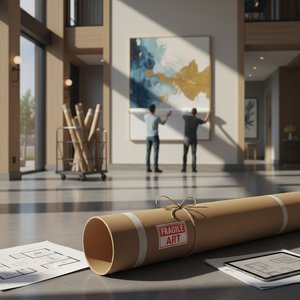
Rullet Lerretforsendelse: En Sikker og Økonomisk Kunstleveringsløsning for Hotellprosjekter
tilbyr sikker og kostnadseffektiv rulleforsendelse av kunst til hotellprosjekter. Skreddersydde løsninger, ekspertkonsultasjon og garantert kvalitet for interiørdesignere.

F.A.Q.: Gratis frakt globalt – En detaljert oversikt for kresne samlere
tilbyr gratis global frakt på håndmalte kunstverk og kvalitetsreproduksjoner. Ekspertstøtte for toll, sikre leveranser og 100% fornøyelsesgaranti. Finn din drømmekunst i dag!

Frakt og retur
APS leverer ekspert verdensomspennende kunstfrakt med museumnivå-omsorg, full sporing, og en 100-dagers pengene-tilbake-garanti. Fra tollstøtte til Priority Production, stol på gjennomsiktig tjeneste, sikker emballasje, og pålitelig levering for samlere, designere og gallerier.

Katsushika Hokusais 25 Mesterverk: Japansk Kunst for Ditt Hjem | OriginalUniqueArt.no
Utforsk Katsushika Hokusais 25 mest ikoniske kunstverk! Oppdag historiene bak The Great Wave, ukiyo-e tresnitt og japansk estetikk. Finn museumskvalitets reproduksjoner & interiørinspirasjon på OriginalUniqueArt.com.
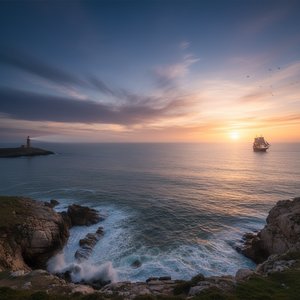
The Allure of the Horizon: A Comprehensive Exploration of Seascape Art Through History & Emotion
Explore the captivating world of seascape art! Discover its history, key artists & movements – from Dutch Masters to Impressionism. Expert insights for collectors and enthusiasts at OriginalUniqueArt.