

 Se i rommet
 Del som digitalt kort
 Del
Del
 Detaljer
 Studentguide

 Last ned
 Liknende objekter
 Røntgen
 Lysbildefremvisning
 Besøksstatistikk
Two Cranes
 Ink
Ink- WallArt
 1795
1795- Early Modern
 108.0 x 39.0 cm
 Les mer
Håndlaget oljereproduksjon
Håndmalt olje på lerret i din valgte størrelse og ramme, laget på bestilling av våre kunstnere. ( Bytt til trykkversjon Gå til digitalt bilde)




P118B Nkr10

P118H Nkr10

P118W Nkr10

P438Z Nkr10

P508JH Nkr12

P508YH Nkr12

P805H Nkr10

P805Z Nkr10

P919BZ Nkr10

P919G Nkr10

P919XJ Nkr10

P959ZH Nkr10

P968JZ Nkr12

W106C Nkr8

W218G Nkr10

W218JH Nkr8

W218Y Nkr10

W307PJ Nkr10

W316G Nkr10

W316PJ Nkr8

W316Y Nkr10

W398PJ Nkr8

W4111J Nkr10

W500HY Nkr15

W500JH Nkr15

W692G Nkr12

W849H Nkr8

W940BG Nkr15

W953PJ Nkr8




Velg mellom våre forhåndsdefinerte størrelser som bevarer kunstverkets opprinnelige proporsjoner.

Skriv inn bredden og høyden du trenger, slik at den passer til din ramme eller vegg. Dette er håndmalt, så for en størrelse med en annen form kan kunstneren male litt mer rundt bildet, eller beskjære det noe — du velger selv. Vi sender deg en digital mockup for godkjenning før maleriet påbegynnes. Bildet som vises på denne siden viser ikke det faktiske resultatet — kun mockuppen gjør det.
Etter bestilling vil OriginalUniqueArt.com-teamet sende e-post til kunden for instruksjoner og sende et utkast (mockup) som forhåndsvisning.
Verdensomspennende levering () på 3–4 uker i stedet for standard 5 uker. (25 October). Ingen kompromisser med kvaliteten.

Gratis ekspressfrakt over hele verden

Lerretsduk av høykvalitets lin

Full transportforsikring

Garanti for refusjon av toll og importavgifter

Garantert fargeekthet

100 dagers returrett ved fabrikasjonsfeil

100% pengene tilbake-garanti

Mengderabatt
 Glassalternativet er kun tilgjengelig i størrelser under 110 cm

Two Cranes
Reproduksjonsmetode
Format på reproduksjon
-


Totalpris
Nkr 2852
A Serene Encounter in the Snow
In the quietude of a winter landscape, two cranes stand as silent sentinels amidst a soft, dusting of snow. This exquisite work by the Edo-period master Itō Jakuchū captures a moment of profound stillness, inviting the viewer into a world where nature and spirit converge. The composition is elegantly elongated, drawing the eye upward along the slender, graceful necks of the birds, which seem to reach toward an unseen horizon. There is a rhythmic simplicity to the scene; the heavy, textured snowdrift at the base provides a grounded, earthy foundation that contrasts beautifully with the ethereal, almost weightless quality of the cranes' presence. It is a painting that does not merely depict a scene but evokes an atmosphere of deep, meditative peace.
The artistry of Jakuchū is revealed through his masterful command of the sumi-e tradition, blended with a unique, individualistic flair that set him apart from his contemporaries. Using ink and pigment on what was likely silk or fine paper, the artist employs a delicate range of tonal variations to breathe life into the subjects. The brushwork is both fluid and intentional; subtle, sweeping strokes define the contours of the birds' plumage, while more diffused, watery applications of ink create the soft, powdery texture of the snow. This technique allows for a sense of organic movement within a static moment, as if a light breeze might stir the feathers or disturb the frozen landscape at any second.
Symbolism and the Spirit of Japan
Beyond its visual elegance, this artwork is steeped in the rich symbolic language of Japanese culture. The crane, a central figure in East Asian iconography, is far more than a mere biological subject; it is a potent symbol of longevity, fidelity, and good fortune. By placing these two birds together within a desolate yet beautiful landscape, Jakuchū evokes themes of harmony and enduring companionship. The muted, earthy palette—dominated by shades of beige, grey, and soft brown—complements this spiritual depth, avoiding the distraction of vibrant color to focus instead on the essential essence of the subjects. A singular touch of red from the artist’s seal serves as a poignant reminder of the human hand behind the divine natural observation.
For the discerning collector or interior designer, this piece offers a timeless sophistication that transcends eras. Its understated elegance makes it an ideal centerpiece for spaces designed for contemplation, such as a library, a minimalist study, or a serene wellness retreat. The artwork’s ability to command attention through subtlety rather than spectacle ensures it remains a focal point of quiet strength. Whether viewed as a historical masterpiece of the Kyoto school or as a contemporary element of Zen-inspired decor, Two Cranes continues to resonate with anyone who finds beauty in the delicate balance between the ephemeral and the eternal.
Spørsmål og svar
Hvilken metning og intensitet har "Two Cranes" av Ito Jakuchū?
Fargene i "Two Cranes" av Ito Jakuchū viser en Subtle Color metning med en Balanced intensitet.
Hvor intense er fargene i "Two Cranes" av Ito Jakuchū?
Fargeintensiteten til "Two Cranes" er Balanced. Intensitet beskriver hvor sterke fargene fremstår.
Hvordan ble "Two Cranes" laget, og hvor stor er den?
"Two Cranes" ble laget i Ink og måler 108 x 39 cm i sin originale form.
Kunstnerbiografi
En Kyotos kjøpmanns visjon: Ito Jakuchus verden
Født i 1716 midt i det yrende Nishiki-markedet i Kyoto, trådte Ito Jakuchu frem som en av Japans mest originale og fengslende kunstnere. Til forskjell fra mange av sine samtidige, som fulgte etablerte kunstneriske slektslinjer, ble Jakuchus vei unikt formet av familiens velstående handelsbakgrunn og et dypt personlig engasjement for zen-buddhistisk filosofi. Hans far, Ito Genzaemon, var en vellykket grønnsakshandler som ga den unge Jakuchu en komfortabel oppvekst, noe som gjorde det mulig for ham å dyrke sitt voksende talent for maleri fra tidlig alder. Dette kommersielle miljøet ga ham imidlertid også en bevissthet om samfunnsendringer og den økende innflytelsen til Kyotos kjøpmannsklasse – et perspektiv som subtilt skulle prege hans kunstneriske visjon. Selv om det var forventet at han etter hvert skulle overta familiebedriften, lå Jakuchus lidenskap et annet sted: i en dragning mot å fange livets essens gjennom pensel og blekk. Etter farens død da han var 23 år, drev Jakuchu butikken en kort periode før han overlot den til sin bror, for endelig å vie seg fullt ut til kunsten.Brudd med tradisjonen: Stil og motiv
Ito Jakuchus kunstneriske stil står som en fascinerende blanding av nitid realisme og leken eksperimentering. Selv om han var dypt forankret i tradisjonelle japanske motiver – særlig fugler, blomster og landskap – tilførte han verkene sine en innovativ ånd som skilte ham fra mange av hans samtidige. Han vant anerkjennelse side om side med Maruyama Okyo for sine realistiske fremstillinger, men Jakuchu beveget seg langt utover ren etterligning av naturen. Hans malerier kjennetegnes av levende farger, dynamiske komposisjoner og en vilje til å utfordre konvensjonelle perspektiver. Høns ble i særdeleshet et tilbakevendende motiv i hans virke, der de ble løftet fra ydmyke gårdsdyr til motiver verdig dyp kunstnerisk utforskning. Han malte ikke bare *det* han så, men utforsket snarere den iboende vitaliteten og karakteren i hvert eneste vesen. Utover fuglene reflekterer Jakuchus arbeid ofte zen-buddhistiske temaer – en kontemplativ stillhet, en verdsettelse av forgjengelighet og en ærbødighet for naturen. Hans berømte Bønneranke er for eksempel ikke bare en botanisk studie, men en meditasjon over vekst, forfall og altings sammenheng. Hans mesterlige polykrome fremstillinger – *doshoku sai-e* – er spesielt hyllet, da de viser en ekstraordinær detaljrikdom og en fargepalett som sjelden ble sett i japansk maleri i denne perioden.Zen-innflytelse og kunstnerisk utvikling
Innflytelsen fra zen-buddhismen på Jakuchus kunst er ubestridelig. Han ble en lekbror (*koji*) ved Kyotos Shokoku-ji-tempel, hvor han fordypet seg i zen-prinsipper som vektla direkte erfaring, intuisjon og søken etter opplysning gjennom kontemplasjon. Dette åndelige fundamentet formet hans kunstneriske tilnærming dypt, og fremmet en følelse av løsrivelse fra verdslige bekymringer og et urokkelig fokus på å fange motivenes essens. Det sies at han til og med fikk spesialtillatelse til å studere klassiske kinesiske malerier i templets samling, slik at han kunne absorbere århundrer med kunstnerisk tradisjon samtidig som han skapte sin egen unike vei. Selv om Jakuchu i utgangspunktet kan ha studert under Ōoka Shunboku, en kunstner fra Kano-skolen spesialisert på blomster- og fuglemaleri, overgikk han raskt den konvensjonelle opplæringen og utviklet en særegen stil som unndro seg enkel kategorisering. Hans vilje til å bryte med etablerte normer plasserte ham i «Eksentrikernes slektslinje» – en bevegelse fremhevet i Nobuo Tsujis innflytelsesrike bok *Kisō no Keifu* (Eksentrikernes slektslinje). Dette verket hyllet kunstnere som utfordret etablerte konvensjoner, og sementerte Jakuchus plass som en sentral skikkelse i japansk kunsthistorie.Arv og gjenoppdagelse
Til tross for sitt talent og sin dedikasjon, forble Ito Jakuchu relativt ukjent i sin egen levetid. Det var ikke før i det 20. århundre at verkene hans begynte å få bred anerkjennelse, i stor grad takket være Tsujis forskning som revolusjonerte oppfatningen av maleri fra Edo-perioden. Tsujis fremheving av Jakuchu som en nøkkelfigur innen «Eksentrikernes slektslinje» vekket fornyet interesse for hans kunst og etablerte ham som en av Japans viktigste og mest innovative malere. Hans innflytelse kan også ses i utviklingen av Ukiyo-e, den populære sjangeren med tresnitt, noe som viser en bredere påvirkning på japansk kunstkultur. Jakuchus vilje til å eksperimentere med perspektiv, farge og motivvalg banet vei for fremtidige generasjoner av kunstnere til å utfordre konvensjoner og utforske nye kreative muligheter. En biografi skrevet av zen-munken Daiten Kenjo i 1766 gir verdifull innsikt i Jakuchus kunstfilosofi, og avslører hans bevisste unngåelse av menneskefigurer – et valg som understreker hans fokus på naturen og dens iboende skjønnhet. I dag feires Ito Jakuchu ikke bare for sin tekniske dyktighet, men også for sin unike visjon; et vitnesbyrd om den varige kraften til en kunstner som våget å stake ut sin egen vei og fange sin tids ånd med uovertruffen originalitet.Merkverdige verk
- Fem hundre arhats: Et monumentalt verk som viser Jakuchus ekstraordinære ferdigheter og dedikasjon.
- Hanshan og Shide (Kanzan og Jittoku): Demonstrerer hans evne til å fange essensen av japansk kultur og folklore.
- Krabber og pioner: Et kroneksempel på hans karakteristiske stil, der nitid detaljrikdom forenes med levende farger.
- Bønneranke: Et sumi-e mesterverk som legemliggjør zen-filosofi og viser intrikate detaljer.
- To traner: Eksemplifiserer hans kunstneriske dyktighet i å fremstille fuglemotiver med eleganse og presisjon.
- Gammel furu: Et slående verk som demonstrerer hans mesterlige penselbruk (101 x 40 cm, silke).

Ito Jakuchū
1716 - 1800 , Japan
Kort om kunstneren
- Artistic Movement Or Style: Lineage of Eccentrics
- Artists Or Movements Influenced By This Artist: ['Maruyama Ōkyo']
- Artists Who Influenced This Artist: ['Ōoka Shunboku']
- Date Of Birth: 2 mars 1716
- Date Of Death: 27 okt 1800
- Full Name: Itō Jakuchū
- Nationality: Japaneses
- Notable Artworks: ['Pictures of the Colorful Realm of Living Beings']
- Place Of Birth: Kyoto, Japan
Relaterte artikler

Katsushika Hokusais 25 Mesterverk: Japansk Kunst for Ditt Hjem | OriginalUniqueArt.no
Utforsk Katsushika Hokusais 25 mest ikoniske kunstverk! Oppdag historiene bak The Great Wave, ukiyo-e tresnitt og japansk estetikk. Finn museumskvalitets reproduksjoner & interiørinspirasjon på OriginalUniqueArt.com.

Romantiske landskap: Topp 10 mesterverk for hjemmet – Kunst fra OriginalUniqueArt.com
Oppdag de 10 mest ikoniske romantiske landskapsmaleriene! Fra Caspar David Friedrich til Turner – utforsk kunsthistorien, stemningen og fargepalettene. Finn museumskvalitets reproduksjoner på OriginalUniqueArt.com.

Evocations of Place: A Historical Journey Through Landscape Art
Explore the rich history of landscape art with OriginalUniqueArt. Discover renowned artists, movements like Impressionism & Romanticism, and expert guidance for collecting timeless pieces. Find your perfect serene escape today!
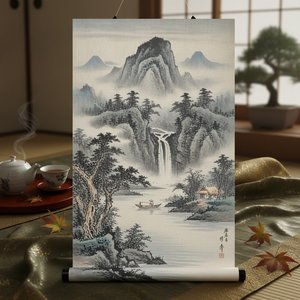
Serenity on Canvas: A Guide to the Timeless Beauty of Japanese Landscape Painting
Discover the serene beauty of Japanese landscape painting. From Hokusai's iconic woodblock prints to meditative sumi-e ink washes, explore a visual journey through the 'floating world' and learn how to bring this timeless Zen aesthetic into your modern home decor.
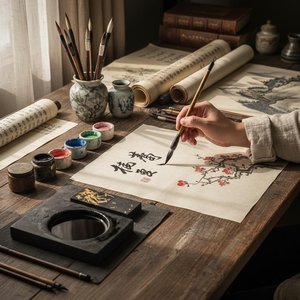
The Alchemy of Ink: Mastering the Timeless Beauty and Art History of Paper and Brush
Embark on a sophisticated exploration of ink wash painting and Sumi-e. Uncover the profound historical lineages, Zen philosophies, and technical mastery behind this timeless medium in our authoritative guide for fine art enthusiasts.
