

 Se i rommet
 Del som digitalt kort
 Del
Del
 Detaljer
 Studentguide

 Last ned
 Liknende objekter
 Røntgen
 Lysbildefremvisning
 Besøksstatistikk
Architectural Landscape with a Canal
 Oil On Canvas
- WallArt
- Baroque Landscape Painting
 1783
1783 129.0 x 183.0 cm
 Eremitasjen
 Les mer
Håndlaget oljereproduksjon
Håndmalt olje på lerret i din valgte størrelse og ramme, laget på bestilling av våre kunstnere. ( Bytt til trykkversjon Gå til digitalt bilde)




P118B Nkr10

P118H Nkr10

P118W Nkr10

P438Z Nkr10

P508JH Nkr12

P508YH Nkr12

P805H Nkr10

P805Z Nkr10

P919BZ Nkr10

P919G Nkr10

P919XJ Nkr10

P959ZH Nkr10

P968JZ Nkr12

W106C Nkr8

W218G Nkr10

W218JH Nkr8

W218Y Nkr10

W307PJ Nkr10

W316G Nkr10

W316PJ Nkr8

W316Y Nkr10

W398PJ Nkr8

W4111J Nkr10

W500HY Nkr15

W500JH Nkr15

W692G Nkr12

W849H Nkr8

W940BG Nkr15

W953PJ Nkr8




Velg mellom våre forhåndsdefinerte størrelser som bevarer kunstverkets opprinnelige proporsjoner.

Skriv inn bredden og høyden du trenger, slik at den passer til din ramme eller vegg. Dette er håndmalt, så for en størrelse med en annen form kan kunstneren male litt mer rundt bildet, eller beskjære det noe — du velger selv. Vi sender deg en digital mockup for godkjenning før maleriet påbegynnes. Bildet som vises på denne siden viser ikke det faktiske resultatet — kun mockuppen gjør det.
Etter bestilling vil OriginalUniqueArt.com-teamet sende e-post til kunden for instruksjoner og sende et utkast (mockup) som forhåndsvisning.
Verdensomspennende levering () på 3–4 uker i stedet for standard 5 uker. (24 October). Ingen kompromisser med kvaliteten.

Gratis ekspressfrakt over hele verden

Lerretsduk av høykvalitets lin

Full transportforsikring

Garanti for refusjon av toll og importavgifter

Garantert fargeekthet

100 dagers returrett ved fabrikasjonsfeil

100% pengene tilbake-garanti

Mengderabatt
 Glassalternativet er kun tilgjengelig i størrelser under 110 cm

Architectural Landscape with a Canal
Reproduksjonsmetode
Format på reproduksjon
-


Totalpris
Nkr 2852
Architectural Landscape with a Canal by Hubert Robert: A Symphony of Light and Ruin
Hubert Robert’s “Architectural Landscape with a Canal,” painted in 1783, is more than just a picturesque scene; it's an immersive experience. This oil on canvas masterpiece transports the viewer to a world where classical grandeur meets tranquil reflection, a realm meticulously crafted by Robert’s keen eye and masterful understanding of light and composition. Housed originally within The Hermitage Museum in St. Petersburg, Russia, this work exemplifies Robert’s signature style – a romantic exploration of ruins and the evocative power of landscape, capturing a fleeting moment of beauty amidst decay.
The painting depicts an idyllic canal scene dominated by the remnants of Roman-inspired architecture. Massive arches and columns, rendered in varying states of disrepair, command the foreground, hinting at centuries of history and the inexorable passage of time. A graceful bridge, adorned with classical detailing and flanking statues, spans the canal, drawing the eye into the heart of the composition. Scattered throughout this architectural dreamscape are figures – a small group enjoying the view, perhaps a gondola-like vessel navigating the water – adding a touch of human life to the scene and further enhancing the sense of tranquility.
The Language of Light: Technique and Atmosphere
Robert’s genius lies in his manipulation of light. As with many paintings of this era, light isn't merely a representation of illumination; it’s an active participant in the artwork’s narrative. The overcast sky casts a soft, diffused glow, creating long shadows that accentuate the textures of the stone and water, adding depth and volume to the scene. This careful use of chiaroscuro – the dramatic contrast between light and dark – is characteristic of Robert's style and contributes significantly to the painting's emotional impact. The reflections shimmering on the canal’s surface amplify this effect, creating a sense of movement and vitality.
His technique demonstrates a deep understanding of landscape painting principles, drawing inspiration from the broader tradition of capturing light and shadow to evoke emotion. The meticulous rendering of architectural details combined with the atmospheric perspective creates a remarkably realistic yet dreamlike quality, inviting the viewer to step into this imagined world.
Historical Context and Symbolic Resonance
"Architectural Landscape with a Canal" was created during a period of significant artistic and social change in France. The Rococo style, known for its ornate decoration and playful themes, was giving way to Neoclassicism’s emphasis on order, reason, and classical antiquity. Robert's work reflects this shift, while simultaneously embracing the romantic sensibility that valued emotion and imagination. The ruins themselves carry symbolic weight – they represent both the glories of the past and the inevitability of decay, prompting contemplation about mortality and the transient nature of human achievement.
The inclusion of figures engaged in leisure activities—observing the view, perhaps boating—adds another layer to the painting’s meaning. It suggests a harmonious relationship between humanity and nature, a theme frequently explored by artists during this period. The scene evokes a sense of serenity and escape, inviting the viewer to share in the beauty of the moment.
A Timeless Masterpiece: Reproduction Possibilities
Measuring 129 x 183 cm, this artwork is a testament to Robert’s skill and vision. OriginalUniqueArt offers meticulously crafted hand-painted reproductions that faithfully capture the essence of this iconic painting. Each reproduction utilizes archival quality materials and traditional artistic techniques, ensuring lasting beauty and authenticity. Whether adorning a grand salon or adding a touch of timeless elegance to a smaller space, a “Architectural Landscape with a Canal” reproduction is an investment in art history and a source of enduring inspiration.
Spørsmål og svar
Hvor plasserer "Architectural Landscape with a Canal" seg blant Hubert Robert sine gjentakende motiver?
"Architectural Landscape with a Canal" skildrer architectural ruins, canal landscape, light & shadow, hubert robert, french painting, classical scene, water reflection, mens de dokumenterte temaene til Hubert Robert er rococo, neoclassical influence, roman ruins, leisure, light, atmosphere, vision, landscapes. En sammenligning av disse viser hvordan verket relaterer seg til kunstnerens vanlige motiver.
Hvor lys eller mørk oppleves "Architectural Landscape with a Canal" av Hubert Robert som?
Alt i alt er "Architectural Landscape with a Canal" registrert som shadow. Oppfattet lysstyrke beskriver hvor lyst eller mørkt verket fremstår.
Hvor plasserer "Architectural Landscape with a Canal" seg i Hubert Robert sitt samlede kunstnerskap?
I Hubert Robert sitt kunstnerskap befinner "Architectural Landscape with a Canal" seg innenfor Baroque Landscape Painting-stilen, sammen med temaene rococo, neoclassical influence, roman ruins, leisure, light, atmosphere, vision, landscapes.
Kunstnerbiografi
A Painter of Ruins and Visions: The World of Hubert Robert
Hubert Robert, a name inextricably linked to the evocative beauty of ruins and the romantic allure of bygone eras, stands as a singular figure in 18th-century French art. Born in Paris in 1733, his life unfolded against a backdrop of profound artistic transformation—a journey from the ornate elegance of the Rococo to the nascent spirit of Neoclassicism, culminating in the dramatic upheaval of the French Revolution and its aftermath. Robert’s genius wasn't merely in replicating decay; it resided in crafting meticulously detailed visions that resonated with both a poignant nostalgia for the past and an anticipatory gaze towards the future. His artistic odyssey began within the structured confines of formal training, initially under the tutelage of sculptor Michel-Ange Slodtz, who recognized Robert’s innate talent but wisely steered him toward painting, sensing a deeper calling—a capacity to capture light, atmosphere, and the subtle poetry inherent in form.Roman Reveries: Shaping an Artistic Identity
The defining moment in Robert's artistic development arrived with his extended sojourn to Rome between 1754 and 1765. This period wasn’t simply a vacation; it was a crucible where his artistic identity was forged. Accompanying Étienne-François de Choiseul, the young ambassador of France to the Papal court, Robert immersed himself in the city's ancient heart—a world saturated with history and architectural grandeur. For over a decade, Rome became his open-air studio, its crumbling temples, majestic arches, and overgrown gardens fueling an imagination that would forever shape his artistic vision. He didn’t merely document what he saw; he actively reimagined it, infusing the ruins with a sense of melancholic beauty—a poignant awareness of time's relentless passage. His early works, often categorized as *capricci*, reflected this approach. These fanciful compositions juxtaposed classical ruins with contemporary life, creating dreamlike scenarios that hinted at Robert’s unique ability to blend observation and imagination. Crucially, he spent considerable time working alongside Giovanni Paolo Panini, a master of topographical painting who specialized in rendering Roman ruins. While Robert initially imitated Panini's meticulous style, he quickly transcended mere replication, developing his own distinctive voice characterized by an unparalleled sensitivity to light, atmosphere, and the subtle nuances of form. His sketchbooks from this period—filled with hundreds of drawings—offer invaluable insights into his artistic process, revealing a keen eye for architectural detail and a profound understanding of landscape composition. The influence of Piranesi, another artist fascinated by Roman ruins, is also evident in Robert’s work, particularly his depictions of labyrinthine interiors and the interplay of light and shadow within ancient structures.Parisian Acclaim and Royal Patronage
Robert's return to Paris in 1765 marked a significant shift in his career trajectory. He swiftly gained recognition within the artistic establishment, securing admission to the Académie Royale de Peinture et de Sculpture with “The Port of Rome, Ornamented with Different Monuments of Architecture, Ancient and Modern.” This success propelled him into the spotlight, attracting the attention of discerning collectors and art critics alike. His subsequent exhibitions at the Salon—the official annual exhibition of the French Academy—garnered widespread acclaim, captivating audiences with his evocative depictions of ruins and picturesque landscapes. The critic Denis Diderot, a leading figure of the Enlightenment, famously praised Robert’s paintings for their ability to transport viewers to another time and place—a testament to the artist's remarkable skill in evoking atmosphere and emotion. This burgeoning popularity led to royal patronage, with commissions for decorative projects within grand palaces and gardens, as well as appointments as “Designer of the King’s Gardens” and later, “Keeper of the King’s Pictures.” He became a highly sought-after artist, not only for his easel paintings but also for his innovative designs for elaborate garden layouts—a reflection of the prevailing taste for *capriccio* painting, which appealed to collectors fascinated by history, archaeology, and the picturesque. Robert elevated this genre beyond mere decorative art, imbuing it with a unique sensibility that combined historical accuracy with imaginative vision.Revolution, Resilience, and Lasting Legacy
The French Revolution presented an unprecedented challenge for Robert, as for many artists of his time. While navigating the turbulent political climate, he demonstrated remarkable resilience, continuing to paint prolifically despite the upheaval. He even faced a brief period of imprisonment during the Reign of Terror—a harrowing experience that undoubtedly informed some of his later works. Following the Revolution, Robert was appointed curator of the newly established Muséum Central des Arts—the future Musée du Louvre—a significant recognition of his expertise and dedication to preserving France’s cultural heritage. He played a crucial role in organizing and cataloging the museum's burgeoning collection, ensuring that its artistic treasures were safeguarded for future generations. Hubert Robert died in Paris in 1808, leaving behind an extraordinary body of work—a testament to his unique vision and enduring legacy. His paintings continue to captivate viewers with their evocative beauty, blending historical accuracy with imaginative vision and solidifying his place as a pivotal figure bridging the Rococo and Neoclassical periods, and anticipating aspects of Romanticism with his fascination for history and imagination.- Key Influences: Giovanni Paolo Panini, Piranesi, the architectural landscape of Rome.
- Major Themes: Ruins, landscapes, *capriccio* paintings, historical memory, the passage of time.
- Artistic Style: Meticulous detail, atmospheric perspective, evocative lighting, blending observation with imagination.
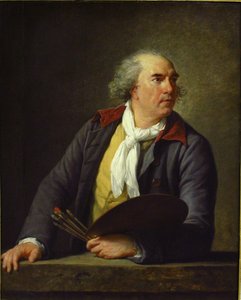
Hubert Robert
1733 - 1808 , Frankrike
Kort om kunstneren
- Artistic Movement Or Style: Romantikk, Neoklassisisme
- Artists Or Movements Influenced By This Artist: ['Romantikk']
- Artists Who Influenced This Artist:
- Giovanni Panini
- Piranesi
- Date Of Birth: 22 mai 1733
- Date Of Death: 15 apr 1808
- Full Name: Hubert Robert
- Nationality: Fransk
- Notable Artworks:
- Port av Roma
- Galatea's flykt
- Louvrens galleri
- Place Of Birth: Paris, Frankrike
Relaterte artikler

The Allure of Elegance in Art: A Historical & Aesthetic Exploration of Refinement & Grace
Explore the exquisite world of Rococo art! Discover its history, masters (Watteau, Boucher & more), and defining elegance. Expert insights for collectors seeking museum-quality reproductions & custom portraits.

Hubert Robert: Picturing Ruins, Preserving Memory – A Study of Romantic Antiquarianism & Artistic Innovation
Explore the captivating world of Hubert Robert, master of Romantic landscape painting & 'capriccio' ruins. Discover his historical context, artistic innovations, and collecting insights with OriginalUniqueArt.

The Rococo Aesthetic: Opulence, Rebellion & the Pursuit of Pleasure in 18th-Century Art
Explore the opulent world of Rococo art! Discover its origins, key artists like Watteau & Boucher, and lasting influence on design. Expert insights for collectors & enthusiasts.

Rokokkoens Mesterverk: Topp 10 Kunstverk som Definerte en Epoke | OriginalUniqueArt.no
Oppdag Rokokkoens 10 mest ikoniske mesterverk! Lær om Boucher, Fragonard og Watteau – kunsthistorie, pastellfarger & elegante interiører. Finn museumskvalitets reproduksjoner på OriginalUniqueArt.no.

Illuminating the Enlightenment: Artistic Expression in 18th-Century Europe
Explore the artistic brilliance of the Enlightenment era! Discover Rococo's elegance & Neoclassicism’s virtue with expert insights into 18th-century masterpieces. Learn about David, Kauffmann & more.


