
 Forhåndsvisning
 Send
Send Del
Del
 Vis detaljer
 Utskriftsvennlig guide

 Last ned bilde
 Liknende objekter
 Røntgenundersøkelse
 Lysbildefremvisning
 Spørsmål og svar
 Statistikk
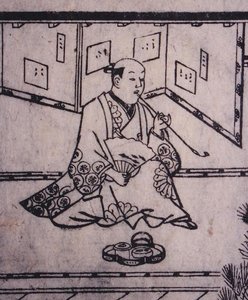
Dancer

- 78.0 x 42.0 cm
 Vis hele teksten
Få en utskriftsklar fil som går langt utover forhåndsvisningen på nett. Hvert digitale bilde vi selger er hentet fra en høyoppløselig master i vår database – vanligvis mellom 5 000 og 15 000 piksler bred – slik at du kan trykke stort, beskjære tett eller gjenskape fine detaljer med full trygghet.
Ingen filer forlater studioet vårt uten å bli bearbeidet. En digital ekspert kontrollerer fargene mot det originale maleriet og korrigerer dem ved behov, for deretter å forbedre klarhet og detaljrikdom med profesjonelle retusjeringsverktøy — alltid tro mot kunstnerens penselstrøk og stil. Resultatet er et bilde som fremstår som selve maleriet, ikke som en skann med filter.
Du godkjenner før ferdigstilling: vår ekspert sender bildet på e-post til din vurdering innen 72 timer. Ikke fornøyd? Be om forbedringer eller korrigeringer, eller be om refusjon dersom kvaliteten ikke svarer til forventningene.
Dette er kvaliteten forlag, designstudioer, gallerier og trykkerier stoler på.
Digitalt bilde
Last ned en høyoppløselig fil til personlig bruk, utskrift og kreative prosjekter. ( Bytt til trykk Kjøp håndmalt maleri)
Inkludert i alle bestillinger av digitale bilder
Ekspert på digital levering, garantert
Når du velger OriginalUniqueArt.com, får du ikke bare et bilde – du mottar et profesjonelt etterbehandlet digitalt kunstverk, skapt med presisjon og med en garantert tilfredshetsgaranti. Her er alt som automatisk følger med din bestilling:

Rask levering på e-post
Din høyoppløselige digitale bildefil sendes til din e-post innen 72 timer etter bestilling – klar til umiddelbar bruk.

KI-forbedret digital fil
Ditt kunstverk blir profesjonelt optimalisert ved hjelp av avanserte AI-verktøy og manuell redigering, noe som sikrer maksimal detaljrikdom, klarhet og fargegjengivelse.

Gratis livslang nyutlevering
Har du ved et uhell slettet eller mistet filen din? Ingen bekymring – vi sender den på nytt når som helst, helt gratis.

Ingen importavgifter – noen gang
Nyt ditt kunstverk umiddelbart uten toll, avgifter eller leveringskostnader – digitale nedlastinger er alltid avgiftsfrie.

Garantert fargenøyaktighet
Vi sikrer at det digitale bildet gjenspeiler de originale fargene så nøyaktig som mulig ved hjelp av profesjonelle verktøy og fargehåndtering.

100 dagers fornøydhetsgaranti
Hvis du ikke er fornøyd med ditt digitale bilde, vil vi revidere det eller refundere 100% innen 100 dager – uten spørsmål.

100% Penggaranti
Ikke fornøyd? Få full refusjon innen 100 dager etter at du har mottatt din digitale fil – uten spørsmål.

Rabatt ved storkjøp
Kjøp 3 bilder, spar 10% - Kjøp 5, spar 15% - Kjøp 10+, spar 20%. Ideelt for kreative prosjekter, gallerier og byråer.
Om kunstneren
The Dawn of Ukiyo-e: Hishikawa Moronobu and the Floating World
Hishikawa Moronobu, born in Edo (modern Tokyo) in 1618, stands as a pivotal figure in the history of Japanese art. He wasn’t merely an artist; he was a cultural architect, instrumental in shaping the ukiyo-e movement – “pictures of the floating world” – that would come to define much of Japan's artistic legacy. Before Moronobu, painting and printmaking were largely confined to established themes: landscapes inspired by Chinese masters, portraits of the elite, and religious subjects. He dared to turn his brush towards the everyday lives of ordinary people, a radical shift that resonated deeply with the burgeoning merchant class in Edo’s vibrant urban landscape. Moronobu's early life remains somewhat shrouded in mystery, but it is known he came from a relatively humble background, initially working as a book designer and illustrator before establishing himself as an independent artist. This foundation proved crucial; his understanding of narrative composition and design would become hallmarks of his style.Forging a New Aesthetic: From Book Illustration to Popular Prints
The Edo period (1603-1868) witnessed a flourishing of urban culture, fueled by economic prosperity and relative peace. A new class of wealthy merchants emerged, eager for entertainment and self-expression. Moronobu astutely recognized this demand. He began producing single-sheet prints – nishiki-e, or brocade pictures – that depicted scenes from contemporary life: beautiful women engaged in their daily routines, actors performing on stage, legendary samurai tales brought to vivid life. These weren’t the grand historical narratives favored by earlier artists; they were intimate glimpses into the world around them. His work consolidated various Japanese art styles—the refined elegance of Kanō school painting, the decorative flair of Tosa school illustrations, and the dynamic energy of popular theater – blending these influences into a uniquely accessible aesthetic. He wasn’t simply copying existing forms; he was synthesizing them, creating something entirely new. His prints were relatively affordable, making art available to a wider audience than ever before. This democratization of art was perhaps his most significant achievement.Themes and Techniques: Capturing the Essence of Edo Life
Moronobu’s subject matter centered on the pleasures and pastimes of Edo society. Beautiful women (bijin-ga) were a recurring motif, often depicted in elegant kimonos, engaged in activities like playing musical instruments, writing poetry, or simply enjoying the scenery. He also created numerous prints featuring actors (yakusha-e), capturing their dramatic poses and expressive faces with remarkable detail. Samurai tales, though romanticized, offered a glimpse into the warrior ethos that still held sway in Japanese culture. His technique was characterized by bold outlines, flat areas of color, and meticulous attention to detail. He employed sophisticated woodblock carving and printing methods, achieving a level of precision previously unseen in ukiyo-e. The use of multiple blocks allowed for complex compositions and vibrant color palettes. Moronobu’s prints weren't merely representations of reality; they were idealized versions, imbued with a sense of grace and refinement. He skillfully used negative space to create balance and harmony within his compositions, drawing the viewer’s eye to key elements.Legacy and Influence: The Foundation of a Movement
Hishikawa Moronobu died in 1694, leaving behind a body of work that would profoundly influence generations of ukiyo-e artists. He established many of the conventions – subject matter, composition, technique – that would define the genre for centuries to come. Artists like Torii Kiyonobu, his adopted son and pupil, continued his style, further popularizing ukiyo-e. Later masters such as Hokusai and Hiroshige built upon the foundations laid by Moronobu, pushing the boundaries of the genre in new directions. His impact extends beyond the realm of art; he captured a specific moment in Japanese history – the rise of urban culture and the emergence of a vibrant merchant class – providing invaluable insights into the social values and aesthetic sensibilities of the Edo period.- He is considered the first true master of ukiyo-e.
- His work bridged the gap between traditional painting styles and popular printmaking.
- Moronobu’s prints democratized art, making it accessible to a wider audience.
- He established many of the conventions that would define ukiyo-e for centuries.
Hishikawa Moronobu
1618 - 1694 , Japan
Kort om kunstneren
- Full Name: Hishikawa Moronobu
- Nationality: Japanese
- Date Of Birth: 1618
- Date Of Death: 1694
- Place Of Birth: Tokyo, Japan
- Artistic Movement Or Style: Ukiyo-e
- Artists Or Movements Influenced By This Artist: ['Early Ukiyo-e']