Bytt til trykk
 Vis hele teksten







































 For kunstverk eller reproduksjoner som er større enn 105 cm (ca. 41 tommer) på noen side, vil rammen bli sendt som et sett som må monteres. Denne metoden sikrer trygg levering og forhindrer skader under transport.


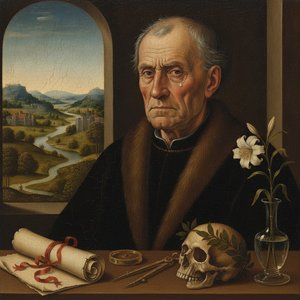
A World of Folly: Decoding Bosch’s *Triptych of Haywain (detail)*
Hieronymus Bosch's *Triptych of Haywain*, completed around 1500-1510, stands as a towering achievement of the Northern Renaissance and continues to captivate audiences with its unsettling beauty and profound symbolism. More than just a depiction of biblical narrative—the journey from innocence to damnation—this monumental artwork is a visceral exploration of human folly, ambition, and the pervasive influence of evil. Examining this particular detail offers a concentrated glimpse into Bosch’s masterful vision, revealing layers of meaning that resonate across centuries.Subject & Narrative: A Cautionary Tale
The central panel portrays a landscape dominated by an enormous hay wagon overflowing with figures indulging in unrestrained hedonism. It's not a scene of pious contemplation but rather a frenetic rush toward earthly pleasures—a deliberate rejection of spiritual concerns. Bosch eschews a straightforward narrative, presenting instead a panoramic vision designed to provoke reflection and instill fear. The figures engaged in bizarre activities – musical performances devolve into chaos, gambling reigns supreme, and food is consumed with abandon – serve as potent emblems of humanity’s susceptibility to temptation. This isn't merely storytelling; it’s an invitation to confront uncomfortable truths about our desires and motivations.Style & Technique: A Master of the Macabre
Bosch’s artistic style is instantly recognizable for its surrealism and imaginative power. He seamlessly blends realistic detail with fantastical elements, creating a world that feels both familiar and utterly alien. This detail exemplifies his meticulous technique—oil paint applied to an oak panel in multiple thin glazes—a method that achieves remarkable luminosity despite the predominantly dark palette. Note the angularity of the forms, the distorted figures, and the grotesque animalistic representations; these stylistic choices are deliberate expressions of Bosch’s unique visual language. The flattened perspective contributes to a claustrophobic atmosphere, drawing the viewer directly into the scene's unsettling energy.Symbolism & Allegory: Layers of Meaning
The *Triptych of Haywain* is rich in symbolism. The hay wagon itself represents the allure of worldly possessions and fleeting pleasures—a seductive path fraught with peril. Each figure embodies a specific vice, meticulously rendered to convey moral judgment. Bosch’s intention wasn't to chronicle an event but to deliver a powerful allegory concerning the dangers of unchecked ambition and spiritual neglect. Even seemingly insignificant details – the musical instruments, the food, the clothing – carry symbolic weight, reinforcing the overarching message about resisting evil and prioritizing righteousness. The subtle presence of demonic figures underscores this theme, reminding us that earthly temptations are fueled by darker forces.Historical Context & Influence
Created during a period marked by religious anxieties and social upheaval, Bosch’s work reflects the intellectual currents of his time while simultaneously surpassing them in imaginative boldness. He was undoubtedly influenced by medieval folklore and mysticism, yet he possessed an unprecedented ability to anticipate artistic developments that would emerge decades later—particularly Surrealism and Expressionism. His visionary imagery solidified his place as a pivotal figure in art history, inspiring generations of artists to explore the darker recesses of human psychology and challenge conventional notions of beauty.Emotional Impact & Aesthetic Appeal
This detail from *The Haywain* evokes a complex tapestry of emotions—unease, fascination, even morbid curiosity. It’s a work that compels us to confront uncomfortable realities about our own desires and vulnerabilities. Its chaotic composition and unsettling imagery make it a striking statement on the futility of earthly pursuits. For interior designers seeking to infuse their spaces with intellectual depth and artistic provocation, this artwork—or a high-quality reproduction—serves as an exceptional focal point, sparking conversation and elevating aesthetic experience. It remains a timeless masterpiece that continues to resonate with audiences today.Spørsmål og svar
Hvem har skapt "Triptych av Høyen", og hvilken stil er det i?
Bak "Triptych av Høyen" står Hieronymus Bosch og Other-bevegelsen.
Hva forestiller "Triptych av Høyen" av Hieronymus Bosch?
Motivene i "Triptych av Høyen" er northern renaissance, religious painting, allegory, symbolism, medieval art, fantastical imagery, moral commentary.
Hvor mange ser på "Triptych av Høyen"?
Statistikk for "Triptych av Høyen" av Hieronymus Bosch finnes på verkets Besøksstatistikk-side: månedlige visninger av verket, visninger av kunstnerens andre verk, samt en oversikt over nylige besøkende fordelt på land og språk.
 Forhåndsvisning
 Send
Send Del
Del
 Vis detaljer
 Utskriftsvennlig guide

 Last ned bilde
 Liknende objekter
 Røntgenundersøkelse
 Lysbildefremvisning
 Q&A
Q&A Statistikk