Se i rommet
 Del som digitalt kort
 Del
Del
 Detaljer
 Studentguide

 Last ned
 Liknende objekter
 Røntgen
 Lysbildefremvisning
 Besøksstatistikk
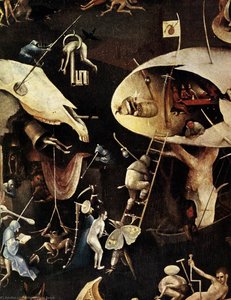
Dommedaggsbildet


 Les mer
Håndlaget oljereproduksjon
Håndmalt olje på lerret i din valgte størrelse og ramme, laget på bestilling av våre kunstnere. ( Bytt til trykkversjon Gå til digitalt bilde)




P118B Nkr10

P118H Nkr10

P118W Nkr10

P438Z Nkr10

P508JH Nkr12

P508YH Nkr12

P805H Nkr10

P805Z Nkr10

P919BZ Nkr10

P919G Nkr10

P919XJ Nkr10

P959ZH Nkr10

P968JZ Nkr12

W106C Nkr8

W218G Nkr10

W218JH Nkr8

W218Y Nkr10

W307PJ Nkr10

W316G Nkr10

W316PJ Nkr8

W316Y Nkr10

W398PJ Nkr8

W4111J Nkr10

W500HY Nkr15

W500JH Nkr15

W692G Nkr12

W849H Nkr8

W940BG Nkr15

W953PJ Nkr8




Velg mellom våre forhåndsdefinerte størrelser som bevarer kunstverkets opprinnelige proporsjoner.

Skriv inn bredden og høyden du trenger, slik at den passer til din ramme eller vegg. Dette er håndmalt, så for en størrelse med en annen form kan kunstneren male litt mer rundt bildet, eller beskjære det noe — du velger selv. Vi sender deg en digital mockup for godkjenning før maleriet påbegynnes. Bildet som vises på denne siden viser ikke det faktiske resultatet — kun mockuppen gjør det.
Etter bestilling vil OriginalUniqueArt.com-teamet sende e-post til kunden for instruksjoner og sende et utkast (mockup) som forhåndsvisning.
Verdensomspennende levering () på 3–4 uker i stedet for standard 5 uker. (22 October). Ingen kompromisser med kvaliteten.

Gratis ekspressfrakt over hele verden

Lerretsduk av høykvalitets lin

Full transportforsikring

Garanti for refusjon av toll og importavgifter

Garantert fargeekthet

100 dagers returrett ved fabrikasjonsfeil

100% pengene tilbake-garanti

Mengderabatt
 Glassalternativet er kun tilgjengelig i størrelser under 110 cm

Dommedaggsbildet
Reproduksjonsmetode
Format på reproduksjon
-


Totalpris
Nkr 2832
A Glimpse into Bosch’s Inferno: Decoding *The Last Judgement (detail)*
Hieronymus Bosch's *Triptych of the Last Judgement*, completed around 1480-1500, remains one of art history’s most unsettling and enduring masterpieces. More than just a depiction of divine retribution, it’s an intensely personal allegory—a chilling exploration of sin, morality, and God's justice rendered with an imagination that continues to captivate audiences centuries later. This particular detail focuses on the central panel, capturing the horrifying tableau of Hell itself.Subject & Narrative
The scene plunges us directly into a realm of torment unlike any found in traditional religious art. Bosch eschews grand theological narratives, opting instead for a claustrophobic depiction of individual suffering. Observe the grotesque figures—human and animal hybrids—engaged in spectacularly inventive tortures. Instruments of pain aren’t merely tools inflicting discomfort; they embody the sins themselves. The artist's fascination with bizarre machinery and fantastical creatures elevates this image beyond simple fear into a profound meditation on human folly and divine judgment. Unlike depictions emphasizing triumphant saints ascending to heaven, Bosch presents us with an inescapable descent into darkness—a visceral confrontation with mortality and the consequences of earthly transgressions.Style & Technique: A Masterclass in Northern Renaissance Surrealism
Bosch’s style defies easy categorization, anticipating elements of Surrealism long before its formal emergence. Rooted in Late Gothic traditions, it nevertheless possesses a singular vision that distinguishes him from his contemporaries. His meticulous oil painting technique on wooden panel achieves an astonishing level of detail—note the contrast between smooth, luminous surfaces highlighting areas of focus and rough *impasto* strokes creating texture and conveying a palpable sense of chaotic energy within the darker recesses of Hell. The flattened perspective contributes to the oppressive atmosphere, trapping the viewer alongside the tormented souls. Bosch’s masterful use of color—primarily muted reds, browns, and yellows—further enhances the unsettling mood.Symbolism & Iconography: A Moral Compass
Every element in Bosch's work is laden with symbolism reflecting contemporary proverbs, moralities, and religious beliefs. The grotesque figures represent the bestial nature of sin and the degradation of humanity. Instruments of torture are not merely implements inflicting pain; they embody the sins themselves. Consider the recurring motif of musical instruments repurposed as instruments of torment—a poignant reminder that even pleasures once associated with earthly joy can become sources of profound suffering. Bosch’s meticulous attention to detail extends beyond mere visual representation, inviting contemplation on deeper philosophical and moral questions. The presence of specific objects and creatures alludes to biblical narratives and moral teachings, offering a window into the anxieties of 15th-century society concerning salvation and damnation. Understanding these symbols unlocks the artwork's profound message—a challenge to confront uncomfortable truths about human nature.Historical Context & Artistic Legacy
Hieronymus Bosch lived during a period of significant social and religious upheaval in Brabant, where he was born around 1450. The fervor surrounding religious dogma fueled artistic creativity, yet simultaneously instilled anxieties about mortality and divine judgment. Bosch’s influence on subsequent generations of artists is undeniable—his visionary style paved the way for Pieter Bruegel the Elder and continues to inspire contemporary creators exploring themes of fantasy, horror, and the human condition. His unsettling imagery serves as a powerful reminder that art can confront uncomfortable realities and provoke introspection about our own beliefs and values. *His work stands as an enduring testament to the power of artistic expression to grapple with existential questions.*- Ideal for: Collectors of Northern Renaissance art, those interested in symbolism and allegory, designers seeking impactful statement pieces.
- Mood: Dramatic, unsettling, thought-provoking, gothic.
- Pairing Suggestions: Contemporary furniture with dark hues, gallery walls featuring thematic connections to morality and the afterlife.
Spørsmål og svar
Hvordan henger fargene i "Dommedaggsbildet" av Hieronymus Bosch sammen med verkets emosjonelle uttrykk?
"Dommedaggsbildet" av Hieronymus Bosch kombinerer en Jordnær fargepalett med en Alvorlig og dyster tone.
I hvilken periode ble "Dommedaggsbildet" av Hieronymus Bosch laget?
"Dommedaggsbildet" av Hieronymus Bosch stammer fra Renessansen-perioden. Denne perioden gir verkets historiske kontekst.
Hvilket nasjonalt opphav ligger bak Northern Renaissance Surrealism-retningen i "Dommedaggsbildet"?
Det Northern Renaissance Surrealism-pregede verket "Dommedaggsbildet" ble skapt av en kunstner født i Nederland.
Kunstnerbiografi
A Netherlandish Enigma: The Life and Art of Hieronymus Bosch
Born around 1450 in the vibrant, bustling town of ’s-Hertogenbosch in the Netherlands—then part of Brabant—Hieronymus Bosch, originally Jheronimus van Aken, remains one of art history’s most compelling and mysterious figures. His world was steeped in late medieval religious fervor, folklore, and a growing sense of societal unease, all of which would profoundly shape his uniquely unsettling artistic vision. Coming from a family with a long tradition of painting—his grandfather, Jan van Aken, and father, Anthonius van Aken, were both artists—Bosch likely received his earliest training within the family workshop, absorbing the techniques and conventions of Netherlandish painting. However, even in his formative years, he began to diverge from established norms, hinting at the extraordinary imagination that would define his career. Biographical details are frustratingly scarce; records are fragmented, leaving much open to speculation and interpretation, adding to the aura of mystique surrounding both the man and his work. He married Aleyt Goyaerts van den Meerveen sometime before 1481, a union that provided him with some financial security through her family’s holdings, but little else is known about their personal life.Fantastical Visions and Symbolic Depths
Bosch's artistic style is instantly recognizable—a captivating blend of meticulous detail and wildly imaginative imagery. He primarily worked with oil on oak panels, demonstrating a masterful command of the medium, achieving luminous colors and intricate textures. While his early works show influences from traditional Netherlandish painting, particularly in their realism and attention to detail, he quickly moved beyond mere imitation, developing a profoundly original vision. His paintings are not simply representations of reality; they are allegorical landscapes populated by bizarre creatures, hybrid beings, and unsettling scenes that seem plucked from dreams—or nightmares. Religious themes form the core of much of his work, but these are rarely straightforward depictions of biblical stories. Instead, Bosch uses symbolism to explore complex moral and theological concepts, often focusing on the dangers of sin, the fragility of earthly pleasures, and the inevitability of divine judgment. His creatures—grotesque demons, fantastical animals, and strangely human figures—are not merely decorative elements; they are embodiments of vice, temptation, and spiritual corruption. The blending of the sacred and the profane, the beautiful and the grotesque, creates a uniquely unsettling effect that continues to captivate viewers centuries later.Masterpieces of Moral Allegory
Among Bosch’s most celebrated achievements is The Garden of Earthly Delights (c. 1490-1510), a triptych that remains one of the most enigmatic and debated works in art history. When opened, it presents a panoramic vision of paradise, earthly life, and hell—a complex allegorical representation of humanity’s fall from grace. The left panel depicts the Garden of Eden, teeming with fantastical creatures and lush vegetation; the central panel portrays a world consumed by sensual pleasure and unrestrained desire; and the right panel offers a terrifying glimpse into the torments of hell. The Triptych of the Last Judgement (c. 1480-1490) is another powerful example of his skill in portraying both heavenly bliss and infernal torment, while The Ascent of the Blessed (c. 1480-1490) demonstrates his ability to create ethereal and dreamlike scenes. Even smaller works like Epiphany (c. 1495) showcase his innovative use of oil on wood and complex symbolism, revealing a mind constantly grappling with profound questions about faith, morality, and the human condition.Influences and Artistic Development
Identifying Bosch’s direct influences is a challenging task, given the originality of his vision. Scholars suggest possible connections to medieval folklore, religious texts—particularly those emphasizing apocalyptic themes—and the prevailing anxieties of the time, including fears of heresy and social upheaval. However, it's clear that he synthesized these elements into something entirely new and uniquely his own. His early works show a clear debt to traditional Netherlandish painting, particularly in their realism and attention to detail. Yet, as he matured, Bosch began to experiment with bolder colors, more dynamic compositions, and increasingly surreal imagery. He drew inspiration from the work of other artists, including Jan van Eyck and Rogier van der Weyden, but ultimately forged his own distinctive style—one characterized by its unsettling atmosphere, complex symbolism, and profound psychological depth. The influence of contemporary woodcuts and engravings is also evident in some of his works, suggesting that he was familiar with a wider range of visual sources than previously thought.Legacy and Enduring Influence
Hieronymus Bosch’s work continues to fascinate and provoke debate centuries after its creation. His paintings offer valuable insights into the religious, social, and psychological climate of the late 15th and early 16th centuries, challenging conventional norms and paving the way for new forms of artistic expression. Artists like Pieter Bruegel the Elder directly followed in his footsteps, adopting similar themes and compositional techniques, while later movements, such as Surrealism, also drew inspiration from Bosch’s dreamlike imagery and exploration of the subconscious. His unsettling visions have resonated with audiences across generations, solidifying his place as a master of Netherlandish painting and a visionary artist whose influence extends far beyond his own time. He died in 1516, leaving behind a body of work that continues to haunt and inspire, ensuring his enduring legacy as one of art history’s most singular and unforgettable voices.
Hieronymus Bosch
1450 - 1516 , Nederland
Kort om kunstneren
- Artistic Movement Or Style: Surrealisme, Symbolikk
- Artists Or Movements Influenced By This Artist: ['Pieter Bruegel']
- Date Of Birth: c. 1450
- Date Of Death: 1516
- Full Name: Hieronymus Bosch
- Nationality: Nederlands
- Notable Artworks:
- Hagens gleder
- Sju synder
- Helbredelse
- Place Of Birth: Den Bosch, Nederland
Relaterte artikler
Hieronymus Bosch's 25 Mesterverk: Kunst, Symbolikk og Dekor for Hjemmet | OriginalUniqueArt
Utforsk Hieronymus Bosch's 25 mest ikoniske malerier! Fordyp deg i symbolikk, religiøse temaer og flamsk renessansekunst. Finn museumskvalitets reproduksjoner og interiørinspirasjon på OriginalUniqueArt.com.
Surrealismens 10 Mesterverk: Kunst som utfordrer virkeligheten – OriginalUniqueArt.no
Utforsk surrealismens 10 mest ikoniske malerier! Oppdag Salvador Dalí, René Magritte og andre mestere. Lær om drømmekunst, teknikker & historien bak disse tidløse verkene. Finn museumskvalitets kunsttrykk for ditt hjem på OriginalUniqueArt.com.
Surrealist Dreamscapes: A Curated Journey Through the Subconscious Majesty of Surrealism
Embark on a sophisticated journey through Surrealist dreamscapes. Explore the profound symbolism of masters like Dalí and discover how to curate breathtaking, museum-quality surrealist art for your private collection with expert guidance.
Prados Mesterverk: Topp 25 Kunstverk for Din Inspirasjon | OriginalUniqueArt.no
Opplev Prado museets 25 mest ikoniske kunstverk! Fra Velázquez' Las Meninas til Goyas dramatiske malerier. Lær om historien, teknikken og inspirasjonen bak hvert mesterverk. Finn din perfekte reproduksjon på OriginalUniqueArt.com.
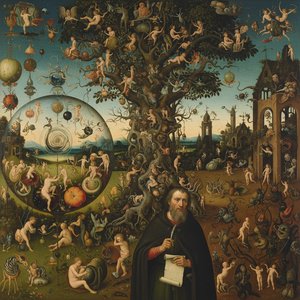
Hieronymus Bosch: Decoding the Visions of a Netherlandish Master
Explore the captivating world of Hieronymus Bosch! Delve into the symbolism, religious context, and artistic innovation of this Netherlandish master with OriginalUniqueArt's expert analysis. Discover his iconic paintings & lasting influence.