- Forsiden

- Trykk på lerret
- Heywood Hardy
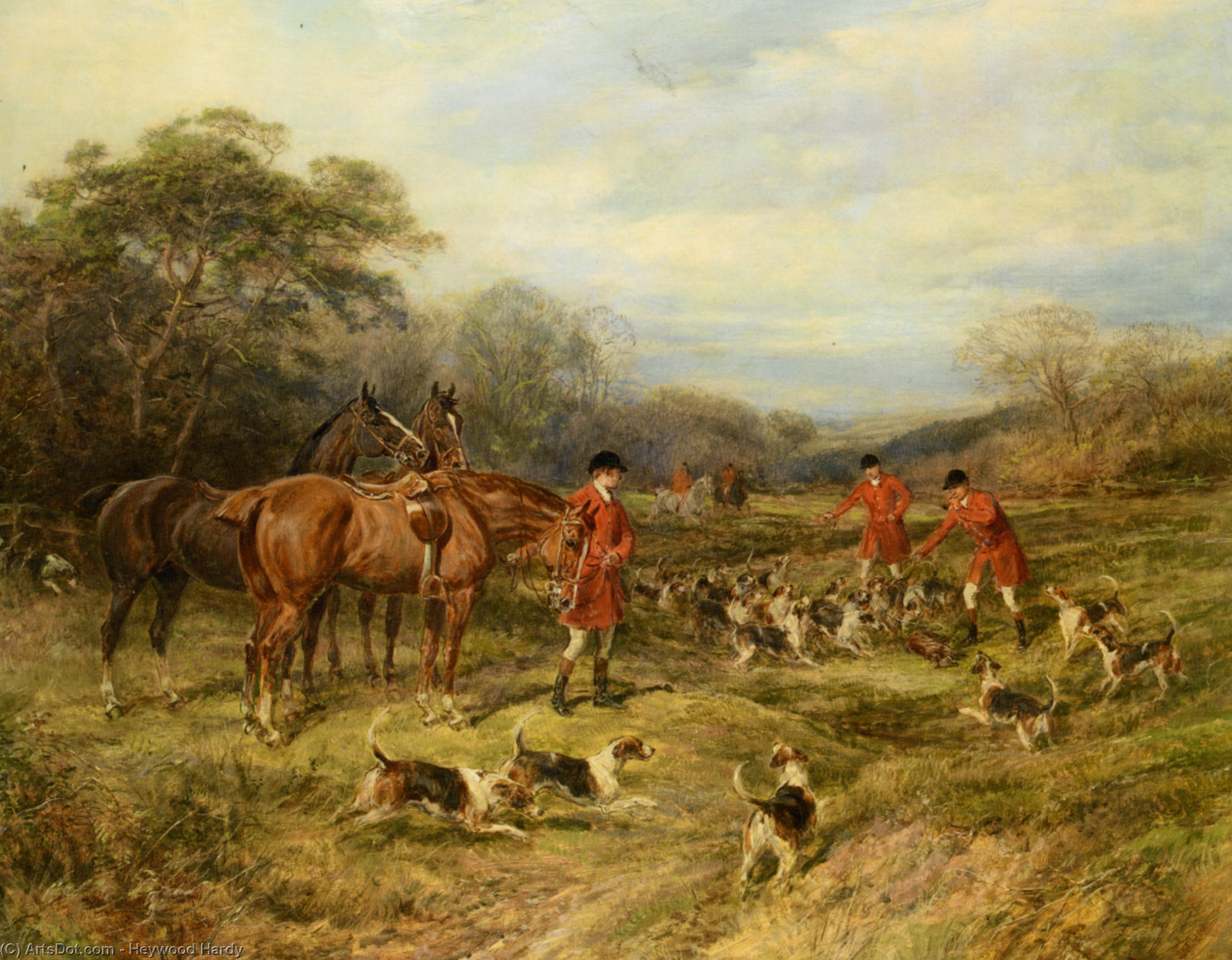
- The Kill
 Bestill maleri Kjøp digitalt bilde
 Send
Send
 Del med andre
 Vis detaljer
 Legg til i favoritter

 Last ned bildet
 Liknende objekter
 Røntgenundersøkelse
 Lysbildefremvisning
The Kill
 Vis hele teksten
Giclée / Kunsttrykk
Giclée- eller lerretsprint av museumskvalitet med rask produksjon og fleksible valgmuligheter for etterbehandling.




































Velg mellom våre forhåndsdefinerte størrelser som bevarer kunstverkets opprinnelige proporsjoner.

Du kan oppgi egne mål for å tilpasse en spesifikk ramme eller et bestemt område. Dersom den valgte størrelsen ikke samsvarer med det originale bildets proporsjoner, vil vi enten beskjære kunstverket eller utvide bildet med en speilet eller ensfarget kant. En digital mockup vil bli sendt til din godkjenning før produksjonen starter.
Vennligst merk at forhåndsvisningen på skjermen ikke gjenspeiler den faktiske beskjæringen eller utvidelsen. Kun mockuppen vil vise den endelige komposisjonen nøyaktig.
Selv om tilpassede størrelser er tilgjengelige, anbefaler vi å velge et mål fra den forhåndsdefinerte listen for å bevare de originale proporsjonene.
Verdensomspennende levering () på 2 uker i stedet for standard 4/5 uker. (22 July)

Gratis ekspressfrakt over hele verden

Lerretsduk av høykvalitets lin

Full forsikring under transport

Garanti for refusjon av toll og importavgifter

Garantert korrekt fargegjengivelse

60 dagers returrett (kun ved feil)

100% pengene tilbake-garanti

Rabatt ved flere kjøp
 Glassalternativet er kun tilgjengelig i størrelser under 110 cm

The Kill
Giclée / Kunsttrykk
Størrelse på reproduksjon
-


Endelig pris
-
Om kunstneren
Heywood Hardy (1842–1933): A Pioneer of British Animal Painting
Heywood Hardy, born November 25th, 1842 in Chichester, Sussex, England, stands as a remarkable figure within the Victorian landscape of British art—a painter who transcended mere representation to capture the spirit and dynamism of both animal life and aristocratic leisure. His artistic lineage was steeped in tradition; his father, James Hardy Senior, was a respected landscape artist and musician, establishing a family legacy devoted to visual expression. This upbringing instilled in Hardy a profound appreciation for artistic discipline and performance, mirroring the influence of his father’s role as Principal Trumpet in the Royal Band.- Early Life & Family Background: Hardy's childhood was marked by a large family—ten children—creating an environment ripe for fostering creativity and intellectual curiosity.
- Education & Departure from Home: Driven by a disagreement with his father regarding artistic pursuits, Hardy embarked on a solitary journey at seventeen, relocating to Keynsham near Bristol. Recognizing the importance of formal training, he enrolled at the École des Beaux-Arts in Paris under Isidore Pils—a pivotal step toward honing his skills and absorbing continental artistic trends.
Artistic Development & Style: From Landscapes to Lions
Initially focused on capturing serene landscapes, Hardy swiftly transitioned to animal painting, particularly equestrian scenes and depictions of hunting expeditions. His meticulous attention to detail—evident in his renderings of horse gait and anatomy—was further enhanced by studies with Professor Alfred Henry Garrod. Hardy’s artistic style blended realism with Romanticism, conveying a palpable sense of drama and atmosphere within his canvases. He skillfully combined observation with imagination, resulting in images that resonated deeply with the sensibilities of his time.- Key Subjects: Hardy became internationally renowned for his paintings of horses—particularly hunting portraits—and wildlife, notably lions. His depictions were characterized by a remarkable ability to convey movement and emotion.
- Technical Skill & Influences: Pils’s instruction profoundly impacted Hardy's technique, equipping him with the tools necessary to achieve unparalleled accuracy in portraying animal forms and behaviors. The Impressionist movement exerted considerable influence on his artistic vision, subtly shaping his palette and brushwork.
Recognition & Achievements: Royal Academy Exhibitions & Equestrian Portraits
Hardy’s dedication to his craft was rewarded with consistent acclaim at the Royal Academy from 1864 onwards—a testament to his talent and unwavering commitment. Critics lauded his animal paintings, praising a particularly striking depiction of fighting lions as “daring and determined,” reflecting the boldness of his artistic endeavors.- Notable Commissions: Hardy gained considerable renown for painting portraits of horses and their owners—including Lady Ida Sitwell—demonstrating his ability to capture both physical likeness and psychological nuance.
- Grand National Victors: He achieved lasting fame by immortalizing three winners of the Grand National steeplechase, solidifying his reputation within equestrian circles.
Legacy & Later Life: Return to Sussex & Religious Art
Returning to East Preston, Sussex in 1909, Hardy spent his final years pursuing a passion for religious art—creating eight panel paintings depicting biblical scenes for Clymping Church’s anniversary celebration. This project underscored his enduring belief in the transformative power of artistic expression and cemented his place as a significant contributor to British ecclesiastical art.- Family Connections: Hardy's daughters Nina and Mabel pursued careers as artists—continuing the family’s artistic heritage and intertwining it with literary circles, notably through Mabel’s marriage to Charles Ormond Maugham.

Heywood Hardy
1842 - 1933 , Storbritannia
Kort om kunstneren
- Artistic Movement Or Style: Romantik
- Artists Or Movements Influenced By This Artist: ['Impressionismen']
- Artists Who Influenced This Artist: ['James Hardy Senior']
- Date Of Birth: 25 november 1842
- Date Of Death: 20 januari 1933
- Full Name: Heywood Hardy
- Nationality: Britisk
- Notable Artworks:
- The Two Roses
- Corn Stooks by Bray Church
- Place Of Birth: Chichester, Storbritannien

