- Forsiden

- Digitalt bildeoppslag
- Henry Pelham
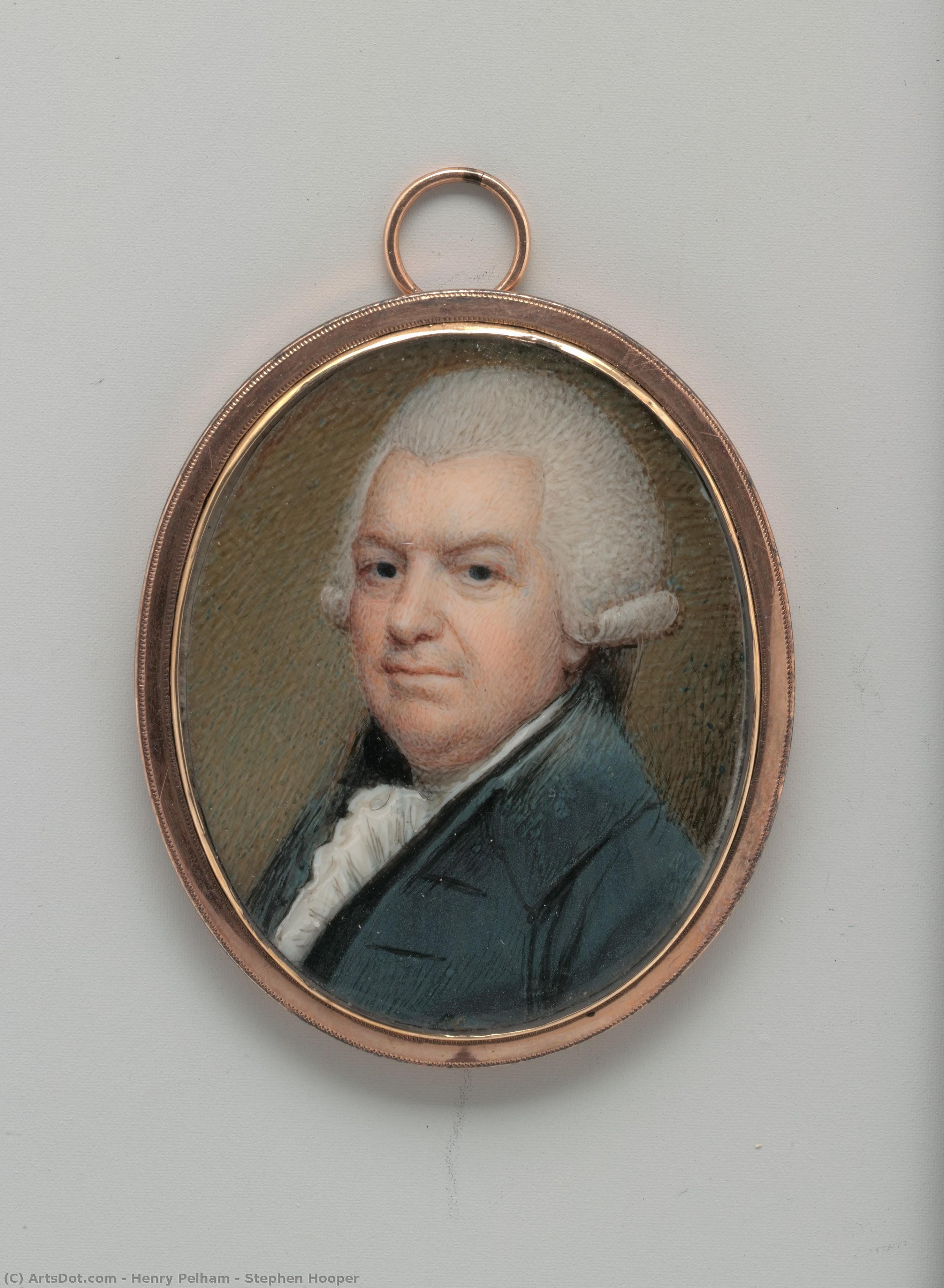
- Stephen Hooper
 Preview
 Bestill trykk Bestill maleri
 Send
Send
 Del med andre
 Vis detaljer
 Legg til i favoritter

 Last ned bildet
 Liknende objekter
 Røntgenundersøkelse
 Lysbildefremvisning
Stephen Hooper
 1773
1773 5.0 x 4.0 cm
 Vis hele teksten
Kjøp et høyoppløselig, forbedret digitalt bilde som er langt bedre enn forhåndsvisningen på nettet.
Hver fil er omhyggelig klargjort av våre egne spesialister ved hjelp av avanserte verktøy og profesjonell manuell retusjering. Vi sørger for at hvert bilde har eksepsjonell klarhet, presis fargegjengivelse og fine detaljer.
Den endelige filen leveres via e-post innen 72 timer, optimalisert for umiddelbar bruk i profesjonelle, redaksjonelle og trykte miljøer. Dette er den samme kvaliteten som benyttes av ledende designstudioer, utgivere og gallerier.
Digitalt bilde
Last ned en høyoppløselig fil for personlig bruk, utskrift og kreative prosjekter.
Inkludert i alle bestillinger av digitale bilder
Ekspert digital levering, garantert
Når du velger OriginalUniqueArt.com, får du ikke bare et bilde – du mottar et profesjonelt forbedret digitalt kunstverk, skapt med presisjon og med en garantert tilfredshetsgaranti. Her er alt som automatisk følger med din bestilling:

Rask digital levering
Din høyoppløselige digitale bildefil sendes til din e-post innen 72 timer etter bestilling – klar til umiddelbar bruk.

KI-forbedret digital fil
Ditt kunstverk blir profesjonelt optimalisert ved hjelp av avanserte AI-verktøy og manuell redigering, noe som sikrer maksimal detaljrikdom, klarhet og fargegjengivelse.

Gratis livslang nyutlevering
Har du ved et uhell slettet eller mistet filen din? Ingen bekymring – vi sender den på nytt når som helst, helt gratis.

Ingen importavgifter – noen gang
Nyt ditt kunstverk umiddelbart uten toll, avgifter eller leveringskostnader – digitale nedlastinger er alltid avgiftsfrie.

Garantert fargenøyaktighet
Vi sikrer at ditt digitale bilde gjenspeiler de originale fargene så nøyaktig som mulig ved hjelp av profesjonelle verktøy og fargehåndtering.

60 dagers tilfredshetsgaranti
Hvis du ikke er fornøyd med ditt digitale bilde, vil vi revidere det eller refundere 100% innen 60 dager – uten spørsmål.

100% Penggaranti
Ikke fornøyd? Få full refusjon innen 60 dager etter at du har mottatt din digitale fil – uten spørsmål.

Rabatt ved storkjøp
Kjøp 3 bilder, spar 10% - Kjøp 5, spar 15% - Kjøp 10+, spar 20%. Ideelt for kreative prosjekter, gallerier og byråer.
Beskrivelse av samlerobjektet
Om kunstneren
Henry Pelham: A Bostonian Painter Caught in the Crucible of Revolution
Henry Pelham (February 14, 1748/49 – 1806) remains a fascinating and somewhat enigmatic figure in American art history. Born in Boston, Massachusetts, during a period of intense political ferment, Pelham’s life was inextricably linked to the burgeoning spirit of revolution. More than just a painter, he was an engraver, cartographer, and a keen observer of his time, offering invaluable contemporary insights into the events unfolding within the thirteen colonies through his art and meticulously documented correspondence, particularly with his half-brother, the renowned artist John Singleton Copley.
Pelham’s early life provided him with an exceptional artistic foundation. His father, Peter Pelham, was a limner – a painter of portraits and decorative works – and instilled in Henry a deep appreciation for technique and observation. Growing up within a family deeply involved in the art world, particularly through his mother's connection to Copley, afforded him access to influential networks and artistic training. This familial link proved crucial; Copley’s encouragement and support were instrumental in shaping Pelham’s career trajectory, especially as he navigated the increasingly turbulent political landscape.
A Painter of Patriots and Loyalists
Pelham's artistic output reflects the deeply divided sentiments gripping Boston during the 1770s. He produced a remarkable range of works, encompassing portraits, landscapes, and, most famously, engravings that captured pivotal moments in the revolutionary period. His most enduring legacy lies in his depiction of the Boston Massacre (1770), an engraving that quickly became one of the most circulated images of the event. Unlike Copley’s more nuanced and sympathetic portrayal, Pelham's version presented a starkly dramatic scene, emphasizing the violence inflicted upon the colonists by British soldiers. This choice, driven by his Loyalist leanings, fueled considerable controversy and accusations of bias.
However, it is crucial to recognize that Pelham was not simply a propagandist for one side or the other. His art reveals a complex and often contradictory perspective. While he sympathized with the British cause and vehemently opposed rebellion, he also possessed a keen eye for detail and an undeniable talent for capturing human emotion. His portraits of prominent Bostonians, including members of the merchant elite, demonstrate his skill in rendering individual character and social standing. Furthermore, his cartographic work – meticulously detailed maps of Boston and its surrounding areas – showcases his technical proficiency and commitment to accurate representation.
The Correspondence with Copley: A Window into a Divided City
Pelham’s extensive correspondence with John Singleton Copley provides an unparalleled glimpse into the intellectual and artistic life of Boston during this tumultuous era. These letters, filled with observations on political events, social gatherings, and artistic developments, offer a remarkably intimate account of the city's divisions. Copley, as a staunch supporter of independence, frequently challenged Pelham’s Loyalist views, leading to spirited debates about art, politics, and the future of America. These exchanges reveal not only their differing perspectives but also a deep affection and mutual respect between two talented artists.
The letters are particularly illuminating in their detailed descriptions of the Boston Massacre. Copley’s eyewitness account of the event, combined with Pelham's engraving, created a powerful and enduring image of colonial resistance. Analyzing these sources together allows us to appreciate the complexities of the situation and understand how different artists interpreted the same events through their own lenses.
Beyond the Boston Massacre: A Cartographer and Engraver
While the Boston Massacre remains Pelham’s most famous work, his contributions extended far beyond this single engraving. He was a skilled cartographer, producing detailed maps of Boston that were highly valued by merchants and civic leaders. His engravings, in addition to the Massacre scene, included depictions of buildings, landscapes, and portraits – demonstrating versatility and technical mastery.
Pelham’s career was tragically cut short by his death in 1806 while overseeing the construction of a coastal defense tower in Ireland. Despite this untimely demise, his legacy endures as a significant figure in American art history—a painter who captured the drama and complexity of the American Revolution through his unique artistic vision and insightful correspondence.
Pelham’s Historical Significance
Henry Pelham's work is historically significant for several reasons. Firstly, he provides a rare firsthand account of the Boston Massacre, offering a perspective often overlooked in traditional historical narratives. Secondly, his letters to Copley illuminate the intellectual and artistic debates that shaped colonial identity during this critical period. Finally, his art serves as a testament to the diverse range of perspectives within the American Revolution—a revolution not defined by simple allegiance but by complex loyalties and conflicting ideals.
Henry Pelham
1748 - 1806 , United States of America
Kort om kunstneren
- Artistic Movement Or Style: Portraiture
- Artists Or Movements Influenced By This Artist: ['American Revolution']
- Artists Who Influenced This Artist: ['John Singleton Copley']
- Date Of Birth: Feb 14, 1748/49
- Date Of Death: 1806
- Full Name: Henry Pelham
- Nationality: American
- Notable Artworks:
- Boy with Squirrel
- Boston Massacre
- Place Of Birth: Boston, USA

