

 Forhåndsvisning
 Send
Send Del med andre
 Vis detaljer

 Last ned bildet
 Liknende objekter
 Røntgenundersøkelse
 Lysbildefremvisning
Sunday
 Oil On Canvas
- WallArt
- Impressionism
 1898
1898 113.0 x 192.0 cm
 Musée de la Chartreuse
 Vis hele teksten
Giclée / Kunsttrykk
Giclée- eller lerretsprint av museumskvalitet med rask produksjon og fleksible valgmuligheter for etterbehandling. ( Kjøp håndlaget maleri Kjøp bilde)




P118B $10

P118H $10

P118W $10

P438Z $10

P508JH $12

P508YH $12

P805H $10

P805Z $10

P919BZ $10

P919G $10

P919XJ $10

P959ZH $10

P968JZ $12

W106C $8

W218G $10

W218JH $8

W218Y $10

W307PJ $10

W316G $10

W316PJ $8

W316Y $10

W398PJ $8

W4111J $10

W500HY $15

W500JH $15

W692G $12

W849H $8

W940BG $15

W953PJ $8




Velg mellom våre forhåndsdefinerte størrelser som bevarer kunstverkets opprinnelige proporsjoner.

Du kan oppgi egne mål for å tilpasse en spesifikk ramme eller et bestemt område. Dersom den valgte størrelsen ikke samsvarer med det originale bildets proporsjoner, vil vi enten beskjære kunstverket eller utvide bildet med en speilet eller ensfarget kant. En digital mockup vil bli sendt til din godkjenning før produksjonen starter.
Vennligst merk at forhåndsvisningen på skjermen ikke gjenspeiler den faktiske beskjæringen eller utvidelsen. Kun mockuppen vil vise den endelige komposisjonen nøyaktig.
Selv om tilpassede størrelser er tilgjengelige, anbefaler vi å velge et mål fra den forhåndsdefinerte listen for å bevare de originale proporsjonene.
Verdensomspennende levering () på 2 uker i stedet for standard 4/5 uker. (26 August)

Gratis ekspressfrakt over hele verden

Lerretsduk av høykvalitets lin

Full forsikring under transport

Garanti for refusjon av toll og importavgifter

Garantert korrekt fargegjengivelse

60 dagers returrett (kun ved feil)

100% pengene tilbake-garanti

Rabatt ved flere kjøp
 Glassalternativet er kun tilgjengelig i størrelser under 110 cm

Sunday
Giclée / Kunsttrykk
Størrelse på reproduksjon
-


Endelig pris
$ 80
Beskrivelse av samleobjektet
A Moment of Tranquility: Henri Le Sidaner's "Sunday"
Henri Le Sidaner’s “Sunday,” painted in 1898, is more than just a depiction of women gathered in a park; it’s an invitation to pause and absorb the quiet beauty of a fleeting moment. The canvas breathes with a soft, diffused light that suggests either dawn or dusk, bathing the scene in an ethereal glow. This isn't a bustling social gathering captured mid-conversation, but rather a tableau of contemplative stillness, where figures seem suspended between worlds – perhaps reflecting on the week past or anticipating the one to come. The overall impression is undeniably Impressionistic, characterized by loose brushstrokes and a focus on capturing the ephemeral qualities of light and color, moving beyond strict realism to evoke an emotional response in the viewer.The Essence of Intimism and Light
Le Sidaner was a master of what’s known as “Intimism,” a late 19th-century movement that emphasized intimate scenes and quiet domesticity. Unlike some Impressionists who sought grand landscapes or vibrant cityscapes, Le Sidaner found beauty in the understated – in the gentle play of light on fabric, the subtle shifts in color across a park’s foliage, and the unspoken connections between people. His technique is particularly noteworthy; he employed thin washes of oil paint, layering them meticulously to build up both color and form. This process created a slightly grainy texture, enhancing the sense of atmosphere and lending an almost dreamlike quality to the scene. The horizontal lines dominating the landscape—the ground, the distant trees—create a foundation of stability, while vertical elements in the figures and foliage provide a gentle counterpoint, guiding the eye through the composition. The artist’s deliberate use of pale pinks, whites, and creams contributes significantly to the serene and delicate mood, avoiding harsh contrasts and instead opting for harmonious blends that soothe the senses.A Glimpse into Belle Époque Society
Painted during the Belle Époque—a period often characterized by optimism, peace, and artistic innovation—"Sunday" offers a glimpse into the leisure activities of upper-class women in late 19th-century France. While not overtly narrative, the scene suggests a moment of respite from societal obligations, a chance for quiet reflection amidst nature's beauty. The setting itself – a park-like space with carefully manicured greenery—speaks to the era’s appreciation for cultivated landscapes and refined aesthetics. Le Sidaner wasn't interested in documenting specific events; rather, he aimed to capture a feeling, an atmosphere of tranquility that resonated with the prevailing mood of the time while also hinting at a deeper sense of introspection.Symbolism and Emotional Resonance
Beyond its aesthetic appeal, "Sunday" carries subtle symbolic weight. The soft light could be interpreted as representing hope or spiritual renewal, aligning with the day's traditional association with rest and reflection. The gathering of women suggests themes of community, connection, and shared experience. The overall feeling is one of peaceful contemplation—a moment suspended in time, inviting viewers to shed their own burdens and embrace a sense of calm. Le Sidaner’s genius lies in his ability to evoke such profound emotions through seemingly simple imagery, creating a work that continues to resonate with audiences today. The painting isn't just about what is seen; it's about the feeling it evokes—a quiet longing for beauty, peace, and connection in an increasingly complex world.Om kunstneren
Early Life and Background
Henri Le Sidaner, a name synonymous with evocative domestic scenes and tranquil landscapes, was born on August 7th, 1862, in the vibrant port city of Port Louis, Mauritius. His origins were deeply rooted in Breton heritage – his father, Jean Marie Le Sidaner, worked as a ship inspector for Lloyd’s, a position that brought the family back to France in 1872. This relocation marked a significant shift, leading them to settle in Dunkerque, a bustling coastal town in northern France. From an early age, Henri displayed a keen interest in art, nurtured by his parents' support and a burgeoning artistic talent.
His formative years were spent at the Collège et Lycée Notre Dame des Dunes in Dunkerque, where he honed his academic skills while simultaneously cultivating his passion for painting. A fortunate opportunity presented itself through a scholarship awarded by the city council – a key moment that enabled him to pursue his artistic ambitions in Paris, the heart of French art and culture. This move was pivotal, opening doors to prestigious institutions like the École nationale supérieure des beaux-arts, where he would encounter influential figures and refine his burgeoning style.
Artistic Training and Influences
The École des Beaux-Arts proved to be a crucible for Le Sidaner’s artistic development. While under the tutelage of Alexandre Cabanel, a celebrated master known for his academic realism, he eventually found himself at odds with the school's rigid approach. This divergence led him to seek inspiration elsewhere, drawing heavily from the revolutionary techniques and philosophies of Impressionism and Pointillism. The works of Édouard Manet, with his bold brushstrokes and exploration of modern life, and Claude Monet, whose masterful use of light and color captured fleeting moments in time, profoundly influenced Le Sidaner’s artistic vision.
Seeking further refinement and a collaborative environment, he joined the Colonie artistique d'Étaples – a collective of artists dedicated to shared practice and mutual growth. This association provided invaluable experience and fostered a deeper understanding of artistic principles. The Pointillists, with their innovative use of small, distinct dots of color, also left an indelible mark on Le Sidaner’s technique, shaping his approach to creating atmosphere and depth.
Artistic Style and Development
Le Sidaner's distinctive style is immediately recognizable – a delicate balance between Impressionism and Symbolism. He eschewed the bright, saturated colors often associated with Impressionism, instead favoring a subdued palette of greys, opals, and muted tones. His brushstrokes were deliberately uneven and dappled, creating a sense of atmospheric depth and subtle movement. This technique wasn’t merely decorative; it was a deliberate choice to evoke mood and emotion, capturing the quiet beauty of everyday life.
He became particularly renowned for his nocturnes – paintings of twilight scenes that captured the ethereal quality of light and shadow. These works were not simply depictions of darkness but rather explorations of atmosphere, mystery, and introspection. Over time, Le Sidaner’s style evolved, moving away from purely academic influences towards a more personal expression rooted in his own observations and experiences. After establishing himself at Gerberoy in the Picardy countryside for over thirty years, he created a series of captivating gardens within the ruins of a medieval fortress – scenes bathed in dappled sunlight and adorned with roses, solidifying his reputation as a master of light and atmosphere.
Major Works and Recognition
Le Sidaner’s artistic output spanned decades, resulting in a substantial body of work that continues to be celebrated today. Notable paintings include “Still Life and a Window, Gisors,” a masterful study of domestic tranquility, and "A Beauvais Square by Moonlight," which perfectly captures the evocative beauty of twilight. His works have been exhibited at prestigious venues such as the Musée des Beaux-Arts Tournai in Belgium, showcasing his enduring appeal to art enthusiasts.
Throughout his career, Le Sidaner received numerous accolades, including a bronze medal at the Universal Exposition in Paris in 1891 and, later, the rank of Chevalier of the Legion of Honor in 1913 – a testament to his contributions to French art. His Venice paintings, exhibited with great acclaim in London and Paris in 1905, further cemented his international recognition.
Historical Significance
Henri Le Sidaner is often considered a pivotal figure bridging the gap between Impressionism and Post-Impressionism. While he embraced many of the techniques associated with both movements, he developed a uniquely personal style that set him apart from his contemporaries. His paintings capture not just visual reality but also the emotional resonance of everyday life – the quiet intimacy of domestic interiors, the serene beauty of gardens, and the subtle poetry of twilight.
Le Sidaner’s legacy continues to inspire artists and art lovers alike. His works are readily available for viewing and appreciation, demonstrating his enduring artistic merit and solidifying his place as a significant figure in French art history. The availability of his paintings on platforms like OriginalUniqueArt.com ensures that his evocative visions continue to reach a wider audience.
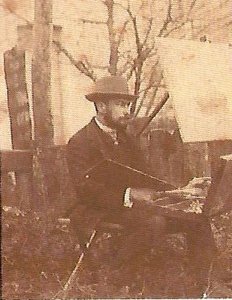
Henri Le Sidaner
1862 - 1939 , Mauritius
Kort om kunstneren
- Artistic Movement Or Style: Intimisme, Impressjonisme
- Artists Or Movements Influenced By This Artist:
- Cubisme
- Impressionisme
- Artists Who Influenced This Artist:
- Édouard Manet
- Monet
- Pointillister
- Date Of Birth: 7 august 1862
- Date Of Death: 14 juli 1939
- Full Name: Henri Eugène Augustin Le Sidaner
- Nationality: Fransk
- Notable Artworks:
- Still life og vindu
- Beauvais torg ved månen
- Place Of Birth: Port Louis, Mauritius
Relaterte artikler

Henri Matisse' Mesterverk: Topp 25 Kunstverk for Din Vegg – OriginalUniqueArt.no
Utforsk 25 ikoniske malerier av Henri Matisse! Oppdag historien bak fauvismens fargerike mesterverk, fra 'The Dance' til 'Red Studio'. Finn kunsttrykk og reproduksjoner i museumskvalitet for din interiørdesign på OriginalUniqueArt.com.
Henri Le Sidaner: Evoking Atmosphere & Intimacy in Post-Impressionist Landscapes
Discover the evocative world of Henri Le Sidaner, a master of Intimist painting. Explore his tranquil landscapes & atmospheric interiors – a celebration of light and intimacy. Learn about his life, style, and lasting legacy.
Renoirs Mesterverk: Topp 25 Kunstverk for Din Vegg – OriginalUniqueArt.no
Oppdag Renoirs 25 mest ikoniske malerier! Fordyp deg i impresjonismens verden, fargerike dansebilder og vakre portretter. Finn museumskvalitets reproduksjoner & interiørinspirasjon på OriginalUniqueArt.com.
Portrayals of Power & Perception: A Historical Survey of Women in Art
Explore the rich history of women in art – from iconic muses to groundbreaking artists. Discover feminist movements & reclaim female narratives with OriginalUniqueArt. Expert insights for discerning collectors.

Impresjonistiske landskap: 10 mesterverk som definerte en kunstbevegelse | OriginalUniqueArt.no
Opplev impresjonismens magi! Utforsk 10 ikoniske landskapsmalerier av Monet, Renoir og Degas. Lær historien bak mesterverkene & finn din perfekte kunsttrykk på OriginalUniqueArt.com.

