

 Se i rommet
 Del som digitalt kort
 Del
Del
 Detaljer
 Studentguide

 Last ned
 Liknende objekter
 Røntgen
 Lysbildefremvisning
 Besøksstatistikk
Odalisque


 Les mer
Håndlaget oljereproduksjon
Håndmalt olje på lerret i din valgte størrelse og ramme, laget på bestilling av våre kunstnere. ( Bytt til trykkversjon Gå til digitalt bilde)




P118B Nkr10

P118H Nkr10

P118W Nkr10

P438Z Nkr10

P508JH Nkr12

P508YH Nkr12

P805H Nkr10

P805Z Nkr10

P919BZ Nkr10

P919G Nkr10

P919XJ Nkr10

P959ZH Nkr10

P968JZ Nkr12

W106C Nkr8

W218G Nkr10

W218JH Nkr8

W218Y Nkr10

W307PJ Nkr10

W316G Nkr10

W316PJ Nkr8

W316Y Nkr10

W398PJ Nkr8

W4111J Nkr10

W500HY Nkr15

W500JH Nkr15

W692G Nkr12

W849H Nkr8

W940BG Nkr15

W953PJ Nkr8




Velg mellom våre forhåndsdefinerte størrelser som bevarer kunstverkets opprinnelige proporsjoner.

Skriv inn bredden og høyden du trenger, slik at den passer til din ramme eller vegg. Dette er håndmalt, så for en størrelse med en annen form kan kunstneren male litt mer rundt bildet, eller beskjære det noe — du velger selv. Vi sender deg en digital mockup for godkjenning før maleriet påbegynnes. Bildet som vises på denne siden viser ikke det faktiske resultatet — kun mockuppen gjør det.
Etter bestilling vil OriginalUniqueArt.com-teamet sende e-post til kunden for instruksjoner og sende et utkast (mockup) som forhåndsvisning.
Verdensomspennende levering () på 3–4 uker i stedet for standard 5 uker. (22 October). Ingen kompromisser med kvaliteten.

Gratis ekspressfrakt over hele verden

Lerretsduk av høykvalitets lin

Full transportforsikring

Garanti for refusjon av toll og importavgifter

Garantert fargeekthet

100 dagers returrett ved fabrikasjonsfeil

100% pengene tilbake-garanti

Mengderabatt
 Glassalternativet er kun tilgjengelig i størrelser under 110 cm

Odalisque
Reproduksjonsmetode
Format på reproduksjon
-


Totalpris
Nkr 2844
A Moment of Intimate Serenity
In the quietude of 1925, Henri Matisse captured a scene of profound personal stillness in his masterpiece, Odalisque. The painting invites the viewer into a private sanctuary, where a solitary woman sits bathed in the soft, diffused light of an unseen window. There is an undeniable sense of vulnerability and grace as she gazes outward, her form partially revealed, lost in a moment of deep introspection. This is not merely a portrait of a figure, but an exploration of the boundary between the internal soul and the external world. The composition, characterized by its delicate balance, places the subject amidst a carefully curated domestic landscape—a room where checkered patterns and lush greenery breathe life into the stillness.
The atmosphere is one of tranquil contemplation, making this piece an extraordinary choice for those looking to infuse a living space with a sense of calm and sophisticated repose. For the discerning collector or interior designer, Odalisque offers more than just visual beauty; it provides an emotional anchor. The way the light interacts with the subject's skin and the surrounding textures creates a rhythmic harmony that can transform a modern room into a gallery of peace.
The Mastery of Color and Form
As a titan of the Fauvist movement, Matisse’s approach to Odalisque showcases his unparalleled ability to use color as a language of emotion. While his earlier works were known for their "wild" and non-naturalistic hues, this period of his career demonstrates a more refined, sculptural mastery of form. The technique relies on fluid draughtsmanship and a sophisticated palette that guides the eye through the room's intricate details—from the rhythmic patterns of the checkered couch to the organic silhouettes of the potted plants. Each element is placed with intentionality, creating a decorative flow that feels both spontaneous and meticulously planned.
The interplay between the structured geometry of the furniture and the soft, organic curves of the human form creates a captivating visual tension. This balance of structure and fluidity is what makes a high-quality reproduction of this work so impactful in home decor; it brings a sophisticated architectural rhythm to any wall. The artist’s ability to simplify complex scenes into essential, expressive shapes ensures that the painting remains timeless, transcending the era of its creation to remain eternally modern.
A Legacy of Decorative Elegance
To possess a piece inspired by Matisse is to hold a fragment of art history's most revolutionary spirit. Odalisque stands as a testament to the artist's lifelong pursuit of "expression through simplicity." The painting does not rely on heavy ornamentation but rather on the evocative power of light, shadow, and space. The presence of the vases and the verdant plants adds layers of texture and life, suggesting a world that is both curated and deeply lived-in.
For those seeking to curate an environment of elegance and intellectual depth, this artwork serves as a perfect centerpiece. It bridges the gap between classical subject matter and modern aesthetic sensibilities. Whether placed in a sunlit study or a grand salon, the Odalisque continues to whisper stories of beauty, solitude, and the enduring power of the human gaze, making it an indispensable treasure for any serious collection of fine art reproductions.
Spørsmål og svar
Hva er den dominerende fargen i "Odalisque" av Henri Émile Benoît Matisse?
Driftwood (#9f7957) er den dominerende fargen i "Odalisque" av Henri Émile Benoît Matisse.
Kan jeg se en forhåndsvisning av "Odalisque" av Henri Émile Benoît Matisse før jeg bestiller?
Siden Forhåndsvisning for "Odalisque" lar deg forhåndsvise kunstverket før du bestiller.
Hvor kan jeg se originalen av "Odalisque" av Henri Émile Benoît Matisse?
"Odalisque" av Henri Émile Benoît Matisse er utstilt på Museo del Novecento, Milano, Italia. Museumsoppføringen refererer til originalverket, ikke til reproduksjoner.
Kunstnerbiografi
Early Life and Artistic Beginnings
- Born: December 31, 1869, Le Cateau-Cambrésis, France
- Died: November 3, 1954, Nice, France
- Matisse's early life was marked by a period of illness in his youth which led him to pursue art as a hobby.
- He initially studied law but abandoned it to dedicate himself to painting.
- Early influences included Gustave Moreau and Édouard Manet, whose works he encountered during trips to Paris.
- His initial artistic style leaned towards realism before evolving into more experimental approaches.
The Fauvist Period and Artistic Development
- Matisse became a leading figure in the Fauvist movement around 1905.
- Fauvism, meaning "wild beasts," was characterized by its intense, non-naturalistic use of color.
- Key works from this period include "Woman with a Hat" (1905) and "The Joy of Life" (1906).
- He sought to express emotion through bold colors rather than representational accuracy.
- His approach challenged conventional artistic norms and sparked considerable controversy.
Mature Style and Continued Exploration
- After Fauvism, Matisse developed a more refined and decorative style.
- He explored flattened forms, simplified compositions, and intricate patterns.
- Travels to North Africa (Morocco) significantly influenced his palette and subject matter.
- His works from this period often feature luxurious interiors, portraits of women, and landscapes with vibrant colors.
- Notable paintings include "Moroccan in Green" (1911) and various depictions of dancers.
Later Years: Cut-Outs and Legacy
- In his later years, Matisse faced health challenges that limited his ability to paint traditionally.
- He innovatively developed a technique using cut-out paper collages.
- These "cut-outs" involved cutting shapes from colored paper and arranging them into compositions.
- The Chapelle de la Médiathèque in Nice, France, is a testament to his late work, featuring murals created with this technique.
- Historical Significance: Matisse's contributions to modern art are immense. He profoundly influenced subsequent generations of artists and helped shape the development of abstract expressionism and other movements. His emphasis on color, form, and decorative elements continues to inspire artists today.
Key Influences and Artistic Relationships
- Paul Cézanne: Matisse admired Cézanne's structural approach to painting and his exploration of form.
- Pablo Picasso: A contemporary and rival, Picasso shared a similar drive to revolutionize art. Their artistic dialogues shaped the course of 20th-century art.
- Gertrude Stein & Etta Cone: These American collectors were significant patrons of Matisse's work and played a crucial role in his career.
- Japanese Prints: The simplicity, flat planes, and bold patterns of Japanese prints deeply influenced Matisse’s aesthetic sensibilities.

Henri Émile Benoît Matisse
1869 - 1954 , France
Kort om kunstneren
- Full Name: Henri Émile Benoît Matisse
- Nationality: French
- Date Of Birth: 1869
- Date Of Death: 1954
- Place Of Birth: Le Cateau-Cambrésis, France
- Notable Artworks:
- Carla Accardi Grigo Bruno
- The Banks of the Marne
- Belle-Île, rochers
- Moroccan in Green
- Artistic Movement Or Style: Fauvism, Post-Impressionism
Relaterte artikler
Kromatisk Påvirkning: En Utforskning av Psykologiske Effekter av Fargepaletter på Stemning, Produktivitet og Atmosfære
Utforsk hvordan fargepaletter påvirker stemning, produktivitet og atmosfære i hoteller. Ekspertinnsikt fra kunsthistorie til moderne design – skap unike gjesteopplevelser!
Portrettkunstens Mesterverk: Topp 10 Maler som Fanger Sjelen – OriginalUniqueArt.no
Utforsk de 10 mest ikoniske portrettmaleriene gjennom historien! Fra Mona Lisa til Klimts Adele Bloch-Bauer, lær om kunstnerne og teknikkene bak disse mesterverkene. Finn museumskvalitets reproduksjoner & interiørinspirasjon på OriginalUniqueArt.com.
The Resonance of Boldness: Exploring Emotional Impact & Artistic Techniques in Color-Dominant Works
Explore the powerful impact of color in art history! Discover how master artists evoked emotion & built movements through bold palettes. Expert insights for collectors – OriginalUniqueArt.
Fargens Mesterverk: Topp 10 Kunstverk som Utforsker Spekteret – OriginalUniqueArt.no
Utforsk fargens kraft i kunsten! Oppdag topp 10 malerier fra Van Gogh, Monet og Picasso. Lær om kunsthistorie, teknikker og inspirerende fargepaletter. Finn museumskvalitets reproduksjoner på OriginalUniqueArt.com – for din veggkunst og interiørdesign.
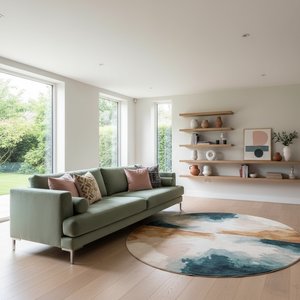
Harmonisering av Rom: En Guide til Bruk av Fargepaletter i Interiørdesign
Lær å skape harmoniske rom med våre eksperttips om fargepaletter i interiørdesign. Finn inspirasjon, trendende kombinasjoner og praktisk veiledning for et vakkert hjem.
