
 Forhåndsvisning
 Send
Send Del med andre
 Vis detaljer

 Last ned bildet
 Liknende objekter
 Røntgenundersøkelse
 Lysbildefremvisning
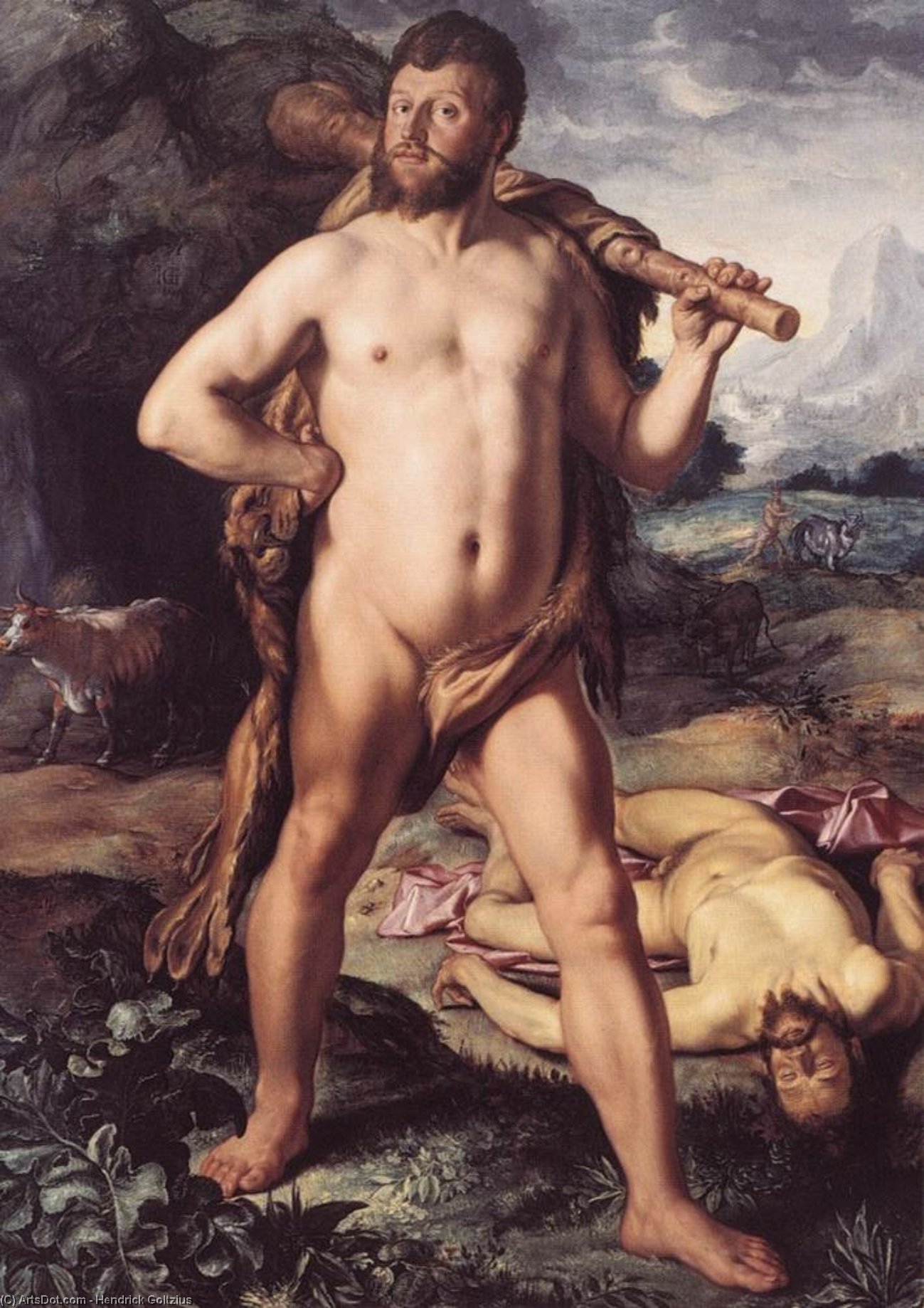
Hercules and Cacus
 Oil On Canvas
- WallArt
- Renaissance Realism
 1613
1613 207.0 x 142.0 cm
 Frans Halsmuseum
 Vis hele teksten
Håndlaget oljereproduksjon
Håndmalt olje på lerret i din valgte størrelse og ramme, laget på bestilling av våre kunstnere. ( Kjøp trykk Kjøp bilde)




P118B $10

P118H $10

P118W $10

P438Z $10

P508JH $12

P508YH $12

P805H $10

P805Z $10

P919BZ $10

P919G $10

P919XJ $10

P959ZH $10

P968JZ $12

W106C $8

W218G $10

W218JH $8

W218Y $10

W307PJ $10

W316G $10

W316PJ $8

W316Y $10

W398PJ $8

W4111J $10

W500HY $15

W500JH $15

W692G $12

W849H $8

W940BG $15

W953PJ $8




Velg mellom våre forhåndsdefinerte størrelser som bevarer kunstverkets opprinnelige proporsjoner.

Du kan angi egne mål for å tilpasse en spesifikk ramme eller plass. Dersom den valgte størrelsen ikke samsvarer med originalbildets proporsjoner, vil vi enten beskjære kunstverket eller utvide maleriet med ytterligere håndmalte elementer. En digital mockup vil bli sendt til din godkjenning før produksjonen starter.
Vennligst merk at forhåndsvisningen på skjermen ikke gjenspeiler den faktiske beskjæringen eller utvidelsen. Kun mockuppen vil vise den endelige komposisjonen nøyaktig.
Selv om tilpassede størrelser er tilgjengelige, anbefaler vi å velge et mål fra den forhåndsdefinerte listen for å bevare de originale proporsjonene.
Etter bestilling vil OriginalUniqueArt.com-teamet sende e-post til kunden for instruksjoner og sende et utkast (mockup) som forhåndsvisning.
Verdensomspennende levering () på 3–4 uker i stedet for standard 5 uker. (21 August). Ingen kompromisser med kvaliteten.

Gratis ekspressfrakt over hele verden

Lerretsduk av høykvalitets lin

Full forsikring under transport

Garanti for refusjon av toll og importavgifter

Garantert korrekt fargegjengivelse

60 dagers returrett (kun ved feil)

100% pengene tilbake-garanti

Rabatt ved flere kjøp
 Glassalternativet er kun tilgjengelig i størrelser under 110 cm

Hercules and Cacus
Teknikk for reproduksjon
Størrelse på reproduksjon
-


Endelig pris
$ 300
Beskrivelse av kunstverket
Hercules and Cacus: A Renaissance Triumph of Strength and Narrative
Hendrik Goltzius’s “Hercules and Cacus” (1613) stands as a testament to the enduring fascination with classical mythology within the burgeoning Baroque era. More than just a depiction of heroic legend, this oil painting embodies the artistic ideals of its time—a masterful blend of Renaissance realism and Mannerist exuberance that continues to captivate viewers today. Examining its composition, color palette, stylistic choices, and historical significance reveals layers of meaning beyond mere visual splendor. The artwork portrays Hercules wrestling with Cacus, a monstrous serpent representing primal chaos and resistance to divine order. Goltzius meticulously rendered the muscular physique of Hercules—a deliberate homage to idealized human form—emphasizing anatomical accuracy through detailed shading and precise linework. The pose itself conveys unwavering determination and physical prowess, reflecting the heroic ethos prevalent in Renaissance art. Contrasting sharply with Hercules’s solidity is Cacus, depicted as a coiled serpent dominating the lower portion of the canvas. This duality underscores the central narrative: the triumph of virtue over vice, order over disorder—themes deeply rooted in Greco-Roman mythology and resonating powerfully within Christian humanist thought. The painting's color palette leans heavily into warm earth tones – ochre yellows, burnt siennas, and russet reds – creating a sense of groundedness and conveying the rugged landscape surrounding Hercules’s struggle. Cool blues and greens subtly delineate the distant mountains, establishing depth and reinforcing the dramatic lighting scheme. Goltzius skillfully employed glazing techniques—applying thin layers of translucent paint over underlying colors—to achieve luminous effects and imbue the artwork with an ethereal quality characteristic of Mannerism. These subtle nuances contribute to the overall emotional impact: a palpable tension between hero and beast, mirroring the internal battles faced by humanity in its quest for moral fortitude. Furthermore, Goltzius’s technique demonstrates unparalleled mastery of oil painting—a medium favored by artists striving for unprecedented realism and expressive power. The textured surface achieved through layering paint captures the physicality of the figures and the ruggedness of the terrain, inviting viewers to contemplate the monumental scale of Hercules's exertion. The directional lines meticulously etched into the musculature serve as visual anchors, guiding the eye across the canvas and emphasizing the heroic posture. The single light source positioned from the upper left casts dramatic shadows, highlighting Hercules’s form and amplifying the scene’s intensity—a stylistic hallmark of Renaissance artists seeking to convey emotion through chiaroscuro. “Hercules and Cacus” transcends its mythological subject matter to become a symbol of human resilience and spiritual triumph. Its enduring appeal lies in its ability to communicate profound ideas about courage, perseverance, and the confrontation between good and evil. Collectors and interior designers alike appreciate this artwork not only for its aesthetic beauty but also for its historical significance—a cornerstone of Renaissance artistic achievement that continues to inspire awe and contemplation centuries later.Om kunstneren
Early Life and Artistic Foundations
Hendrik Goltzius, a name synonymous with the vibrant dynamism of Northern Mannerism in Dutch art, emerged from humble beginnings in Braunschweig, Germany, in 1558. His family’s artistic lineage—a legacy stretching back through his great-grandfather and grandfather as glass painters—laid the groundwork for his own burgeoning talent. Young Hendrick initially received training in painting on glass, a craft deeply rooted in the region's traditions. However, it was his apprenticeship under the renowned printmaker Dirck Volckertszoon Coornhert in Cleves that truly ignited his passion and steered him towards the world of engraving. This pivotal move marked a significant shift, exposing him to the intricate techniques and burgeoning possibilities of copperplate printing – a medium he would master with unparalleled skill. The early years were spent honing his craft, absorbing Coornhert’s expertise, and developing a foundational understanding of composition, line, and shading that would later define his distinctive style.A Career Forged in Haarlem
Around 1577, Goltzius embarked on a new chapter of his artistic life, relocating to Haarlem – a thriving center for printmaking and trade within the Dutch Republic. This move proved strategically advantageous, placing him at the heart of a vibrant artistic community and providing access to a diverse clientele eager for high-quality engravings. His marriage in 1579 to Margaretha Jansdr., a woman from a wealthy family, further solidified his position, affording him financial stability and enabling him to establish an independent printmaking business. He quickly gained recognition for his technical prowess and innovative approach, attracting commissions from prominent patrons throughout Europe, including the art-obsessed Holy Roman Emperor Rudolf II in Prague. Goltzius’s workshop became a hub of artistic activity, employing numerous engravers who diligently replicated his designs, ensuring the widespread dissemination of his work across the continent.Technique and Innovation: The “Swelling Line”
What truly distinguished Goltzius from his contemporaries was his revolutionary technique – often referred to as the "swelling line." This involved a masterful manipulation of the burin tool, allowing him to subtly alter the thickness and texture of lines within an engraving. He wasn’t simply replicating existing forms; he was actively shaping the tonal qualities of the image, creating a sense of depth, volume, and movement that was remarkably expressive. This technique, coupled with his pioneering use of the “dot and lozenge” method – strategically placing dots within lozenge-shaped spaces to further refine shading – set him apart as a true innovator in the field. Legend has it that Goltzius’s unique physical characteristic—a malformed right hand resulting from a childhood fire—contributed significantly to his ability to execute this demanding technique with such precision and power, forcing him to develop an exceptionally strong and controlled swing of the burin.Influences and Legacy
Goltzius's artistic journey was profoundly shaped by several key influences. Initially, he diligently studied and replicated the works of masters like Albrecht Dürer and Lucas van Leyden, meticulously mastering their techniques before venturing into his own original designs. However, his travels to Italy in 1590 exposed him to the vibrant styles of Italian Renaissance artists such as Annibale Carracci, which profoundly impacted his approach to composition, color, and dynamism. He skillfully integrated these influences into his own distinctive style, creating a synthesis that was both deeply rooted in Northern Mannerism and infused with the elegance and sophistication of the Italian Renaissance. Goltzius’s legacy extends far beyond his individual works; he played a crucial role in introducing the principles of Mannerist art to the northern Netherlands, influencing generations of subsequent printmakers. His engravings remain highly sought after by collectors and scholars today, serving as a testament to his extraordinary talent and enduring contribution to the history of European art. His work can be found in major museums worldwide, including the Rijksmuseum in Amsterdam, the Metropolitan Museum of Art in New York, and the British Museum in London, ensuring that his artistic vision continues to inspire and captivate audiences for centuries to come.
Hendrik Goltzius
1558 - 1617 , Tyskland
Kort om kunstneren
- Artistic Movement Or Style: Nordmannermesskunst
- Artists Or Movements Influenced By This Artist: ['Jacques Bellange']
- Artists Who Influenced This Artist: ['Dirck Volckertszoon Coornhert']
- Date Of Birth: Jan/Feb 1558
- Date Of Death: 1 Jan 1617
- Full Name: Hendrik Goltzius
- Nationality: Nederlandsk
- Notable Artworks:
- Jupiter
- Minerva
- Profeten Baruch
- Place Of Birth: Braunschweig, Tyskland
Relaterte artikler
The Enduring Legacy of Classicism: Principles, Evolution & Influence in Western Art
Explore the enduring legacy of Classicism in Western art! Discover its historical context, key principles, iconic masterpieces & lasting influence. Learn about Renaissance and Neoclassical movements with OriginalUniqueArt.

The Enduring Legacy of Oil on Canvas: Technique, History & Aesthetic Impact
Explore the rich history & techniques of oil painting – from Renaissance masters to Impressionism. Discover pigments, layering methods, and why this timeless medium endures. Expert insights for artists & art enthusiasts.

Oil on Canvas: A Historical & Technical Exploration of a Timeless Artistic Medium
Explore the rich history & enduring techniques of oil painting on canvas. Discover the science behind its longevity, conservation practices, and contemporary relevance. Expert insights for art enthusiasts.

Neo-klassismens 10 Mesterverk: Kunst, Historie og Inspirasjon til Ditt Hjem
Oppdag neoklassismens 10 mest ikoniske mesterverk! Lær om kunstnere som David, Ingres og Canova, deres teknikker og historien bak tidløse malerier & skulpturer. Finn inspirasjon til ditt hjem – utforsk eksklusive reproduksjoner på OriginalUniqueArt.com
Timeless Legends: A Curated Guide to the Eternal Allure of Mythological Masterpieces
Embark on a sophisticated journey through the eternal allure of mythological art. Discover how master painters breathe life into ancient legends, from Greek deities to Baroque masterpieces, and learn to curate these timeless narratives within your own exquisite art collection.



