 Forhåndsvisning
 Send
Send Del med andre
 Vis detaljer

 Last ned bildet
 Liknende objekter
 Røntgenundersøkelse
 Lysbildefremvisning
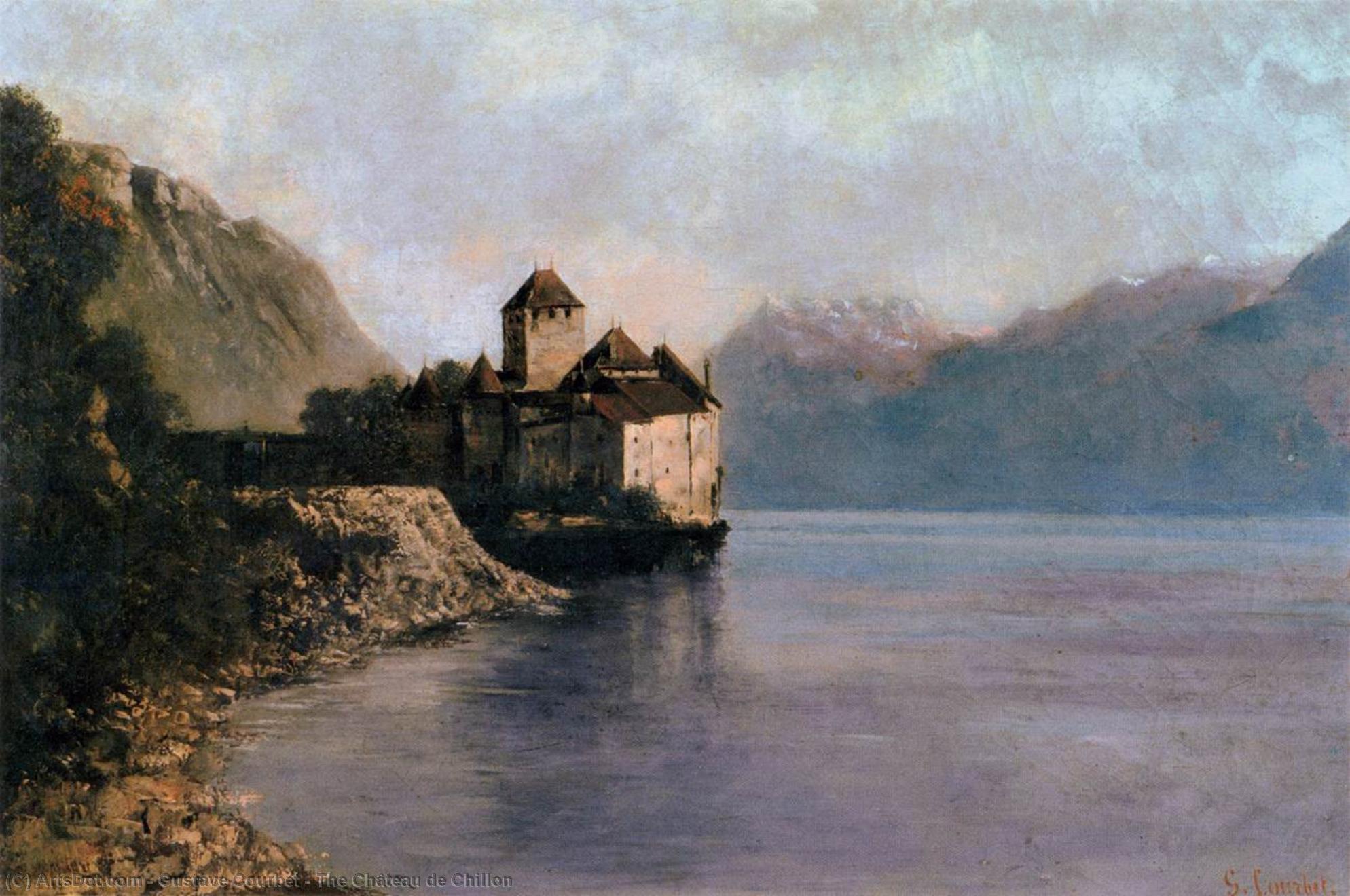
The Château de Chillon
 Acrylic On Canvas
- WallArt
- Contemporary Realism
 1874
1874 86.0 x 100.0 cm
 Musée Courbet
 Vis hele teksten
Giclée / Kunsttrykk
Giclée- eller lerretsprint av museumskvalitet med rask produksjon og fleksible valgmuligheter for etterbehandling. ( Kjøp håndlaget maleri Kjøp bilde)




P118B $10

P118H $10

P118W $10

P438Z $10

P508JH $12

P508YH $12

P805H $10

P805Z $10

P919BZ $10

P919G $10

P919XJ $10

P959ZH $10

P968JZ $12

W106C $8

W218G $10

W218JH $8

W218Y $10

W307PJ $10

W316G $10

W316PJ $8

W316Y $10

W398PJ $8

W4111J $10

W500HY $15

W500JH $15

W692G $12

W849H $8

W940BG $15

W953PJ $8




Velg mellom våre forhåndsdefinerte størrelser som bevarer kunstverkets opprinnelige proporsjoner.

Du kan oppgi egne mål for å tilpasse en spesifikk ramme eller et bestemt område. Dersom den valgte størrelsen ikke samsvarer med det originale bildets proporsjoner, vil vi enten beskjære kunstverket eller utvide bildet med en speilet eller ensfarget kant. En digital mockup vil bli sendt til din godkjenning før produksjonen starter.
Vennligst merk at forhåndsvisningen på skjermen ikke gjenspeiler den faktiske beskjæringen eller utvidelsen. Kun mockuppen vil vise den endelige komposisjonen nøyaktig.
Selv om tilpassede størrelser er tilgjengelige, anbefaler vi å velge et mål fra den forhåndsdefinerte listen for å bevare de originale proporsjonene.
Verdensomspennende levering () på 2 uker i stedet for standard 4/5 uker. (20 August)

Gratis ekspressfrakt over hele verden

Lerretsduk av høykvalitets lin

Full forsikring under transport

Garanti for refusjon av toll og importavgifter

Garantert korrekt fargegjengivelse

60 dagers returrett (kun ved feil)

100% pengene tilbake-garanti

Rabatt ved flere kjøp
 Glassalternativet er kun tilgjengelig i størrelser under 110 cm

The Château de Chillon
Giclée / Kunsttrykk
Størrelse på reproduksjon
-


Endelig pris
$ 80
Beskrivelse av samleobjektet
A Vision of Tranquility: Gustave Courbet’s Château de Chillon
Gustave Courbet's “The Château de Chillon,” completed in 1874, stands as a cornerstone of Realism—a movement that vehemently rejected Romantic idealism and championed an unflinching portrayal of the natural world. More than just a depiction of a picturesque Swiss castle perched upon Lake Geneva, this canvas embodies Courbet’s artistic philosophy: to capture reality without embellishment, presenting it with uncompromising honesty.
- Subject Matter & Context: The painting captures Chillon Castle, a medieval fortress steeped in legend and history. Built in the 13th century, it served as a stronghold for various noble families before falling into disrepair and becoming a symbol of resilience against time. Courbet’s decision to portray this crumbling edifice speaks volumes about his fascination with documenting tangible existence.
- Style & Technique: Courbet's approach aligns perfectly with Realism, prioritizing meticulous observation over imaginative embellishment. Executed in oil paint on canvas using visible brushstrokes—a deliberate rejection of academic smoothness—the artwork showcases a textured surface that conveys the ruggedness of the castle walls and the weathered stone of the shoreline. Glazes subtly enhance color gradations, particularly within the serene expanse of Lake Geneva.
- Composition & Perspective: The horizontal orientation emphasizes the grandeur of the lake landscape, balanced by the imposing presence of the castle in its center. Linear perspective skillfully establishes depth, guiding the viewer’s eye towards a distant horizon line where the mountain range fades into atmospheric haze—a technique borrowed from Romantic painters but interpreted with Courbet's characteristic restraint.
- Color Palette & Atmosphere: Dominated by muted shades of grey, blue, and brown, the color palette contributes significantly to the painting’s tranquil mood. The subtle tonal variations mirror the overcast sky above and reflect the quiet beauty of the lakeside environment. This subdued palette underscores Courbet's desire to convey emotion through understated visual cues.
- Symbolism & Emotional Impact: “The Château de Chillon” transcends mere topographical representation; it embodies a deeper symbolic resonance. The castle’s crumbling state serves as a reminder of mortality and the passage of time, yet its steadfastness symbolizes enduring beauty and resilience. Viewing this artwork evokes feelings of contemplation and serenity—a testament to Courbet's ability to capture not just what he saw but also what he felt.
A reproduction of “The Château de Chillon” offers an exceptional opportunity to bring a piece of Romantic landscape art into your home. OriginalUniqueArt’s meticulous reproductions ensure that you experience the artwork's original vibrancy and textural detail, allowing its timeless beauty to inspire and captivate for generations to come.
Om kunstneren
A Rebel’s Brush: The Life and Legacy of Gustave Courbet
Jean Désiré Gustave Courbet, born in Ornans, France, on June 10, 1819, stands as a monumental figure in the history of art – a defiant iconoclast who irrevocably altered the trajectory of painting during the mid-nineteenth century. More than simply capturing visual impressions; his artistic journey embodies a profound rejection of convention and an unwavering dedication to portraying reality with uncompromising honesty. His upbringing within a moderately prosperous bourgeois family fostered an early appreciation for artistic pursuits, nurtured by his mother’s encouragement – a formative influence that propelled him toward a revolutionary vision of artistic expression. Formal training commenced at the École des Beaux-Arts in Paris in 1839, yet Courbet swiftly recognized the limitations imposed by the prevailing academic doctrines and Romantic idealism. While acknowledging connections to artists like Eugène Delacroix and Théodore Géricault – figures who wrestled with grand narratives and emotional intensity – Courbet deliberately distanced himself from these approaches, prioritizing observation over imagination and truth above all else. He sought not to embellish or glorify but to confront viewers with the unvarnished face of existence.The Birth of Realism: Challenging Artistic Conventions
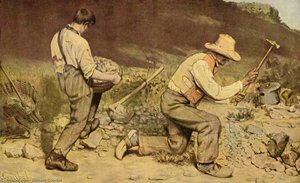
Courbet’s artistic breakthrough arrived through a radical departure from established aesthetic standards. Unlike Romantic painters who favored mythological tales and heroic portrayals, he turned his gaze toward the everyday lives of ordinary individuals – laborers, peasants, and rural communities – subjects largely ignored by the art world of his time. This commitment to depicting reality without embellishment—a stance that would become synonymous with Realism—immediately provoked censure from critics accustomed to idealized representations steeped in beauty and grandeur. Early canvases explored landscapes and portraits, yet he soon gravitated toward scenes of working-class life, rendered on a scale traditionally reserved for monumental historical paintings. This deliberate decision wasn’t merely stylistic; it was an assertion of dignity and importance – recognizing the inherent value within these marginalized segments of society. The masterpiece *The Stone Breakers* (1849), tragically destroyed during World War II, exemplifies this ethos—a stark depiction of two laborers engaged in arduous toil, their faces obscured by exhaustion and grime. This painting challenged the very notion of what constituted “worthy” subject matter for artistic endeavor.Major Works and Artistic Philosophy
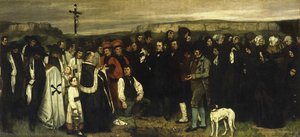
Courbet’s artistic philosophy extended beyond mere subject matter; it encompassed a revolutionary technique – *impasto*. He applied paint thickly onto the canvas, creating textured surfaces that captured the physicality of the medium itself. This method mirrored his belief in portraying reality as accurately as possible, rejecting illusionistic techniques favored by earlier artists. Notable works like *A Burial at Ornans* (1850-51) and *The Painter’s Studio* (1855) solidified his reputation as a provocateur who championed artistic freedom and confronted societal prejudices. The latter painting served as an allegorical manifesto, reflecting Courbet's conviction that art should engage with pressing social issues—a stance that resonated powerfully with contemporaries and cemented his legacy as a champion of intellectual independence. His participation in the Salon des Refusés in 1863 – an exhibition showcasing rejected artworks deemed unsuitable by the official Salon – underscored his defiance against artistic orthodoxy and reaffirmed his commitment to challenging conventional norms. Landscapes like *View in the Forest of Fontainebleau* (1855) were imbued with a similar spirit of realism, capturing the natural beauty without romantic embellishment.Legacy and Historical Significance
Gustave Courbet’s influence on subsequent art movements is undeniable. While he acknowledged influences from artists such as Caravaggio for their dramatic use of light and shadow—a stylistic homage to artistic predecessors—his impact transcended mere imitation. He fundamentally reshaped the landscape of painting by liberating Impressionists and Post-Impressionists from the constraints of academic tradition, encouraging them to explore new avenues of perception and representation. His unwavering advocacy for artistic liberty served as an inspiration to generations of artists who sought to express their convictions through creative endeavors. Courbet died in Paris on April 29, 1877, leaving behind a corpus of work that continues to captivate audiences worldwide—a testament to the enduring power of art to provoke thought and inspire transformative change. He remains an unparalleled figure in artistic history, forever remembered as the herald of Realism and a courageous voice for artistic integrity.
Gustave Courbet
1819 - 1877 , Frankrike
Kort om kunstneren
- Artistic Movement Or Style: Realisme
- Artists Or Movements Influenced By This Artist:
- Impressionisme
- Postimpressionisme
- Artists Who Influenced This Artist:
- Eugène Delacroix
- Théodore Géricault
- Caravaggio
- Date Of Birth: 10 Juni 1819
- Date Of Death: 31 Desember 1877
- Full Name: Gustave Courbet
- Nationality: Fransk
- Notable Artworks:
- Steinknackare
- Begravning i Ornans
- Målarens Studio
- Place Of Birth: Orléans, Frankrike
Relaterte artikler

Gustav Klimts 25 Mesterverk: Kunst, Historie og Dekor for Hjemmet | OriginalUniqueArt
Utforsk Gustav Klimts 25 mest ikoniske kunstverk! Fordyp deg i Jugendstilens gullalder, symbolisme og portretter av kvinner. Finn inspirasjon til interiørdesign & kjøp eksklusive reproduksjoner på OriginalUniqueArt.com.

Romantic Realism's Finest: 10 Masterpieces for Your Home | OriginalUniqueArt
Explore 10 defining masterpieces of Romantic Realism! Discover Courbet, Millet & Daumier's powerful paintings—capturing emotion and social realities. Find museum-quality reproductions for your home at OriginalUniqueArt.com.
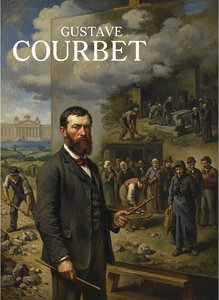
Gustave Courbet: Realism's Revolutionary Vision & the Social Canvas of 19th-Century France
Explore the revolutionary art of Gustave Courbet, pioneer of Realism. Discover his iconic paintings, social commentary, and lasting impact on 19th-century French art history. Expert analysis & insights.
Landskapets Mesterverk: Topp 10 Kunstverk som Definerer Sjangeren | OriginalUniqueArt.no
Utforsk de 10 mest ikoniske landskapsmaleriene gjennom tidene! Fra Monet til Friedrich – oppdag historien bak mesterverkene, kunstnernes teknikker og inspirasjonen. Finn reproduksjoner av høy kvalitet for ditt hjem på OriginalUniqueArt.no. Utforsk samlingen online!
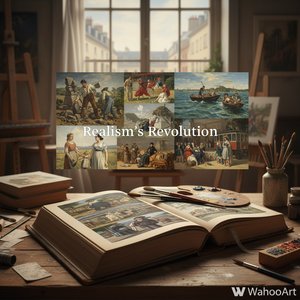
Realismens Mesterverk: Topp 10 Kunstverk som Definerte Epoken – OriginalUniqueArt.no
Utforsk realismens 10 største mesterverk! Oppdag Gustave Courbet, Millet og Daumier – historiene bak ikoniske malerier. Finn inspirasjon til interiøret & kjøp kunst online hos OriginalUniqueArt.no. Utforsk samlingen nå!