 Bestill maleri Kjøp digitalt bilde
 Send
Send
 Del med andre
 Vis detaljer
 Legg til i favoritter

 Last ned bildet
 Liknende objekter
 Røntgenundersøkelse
 Lysbildefremvisning
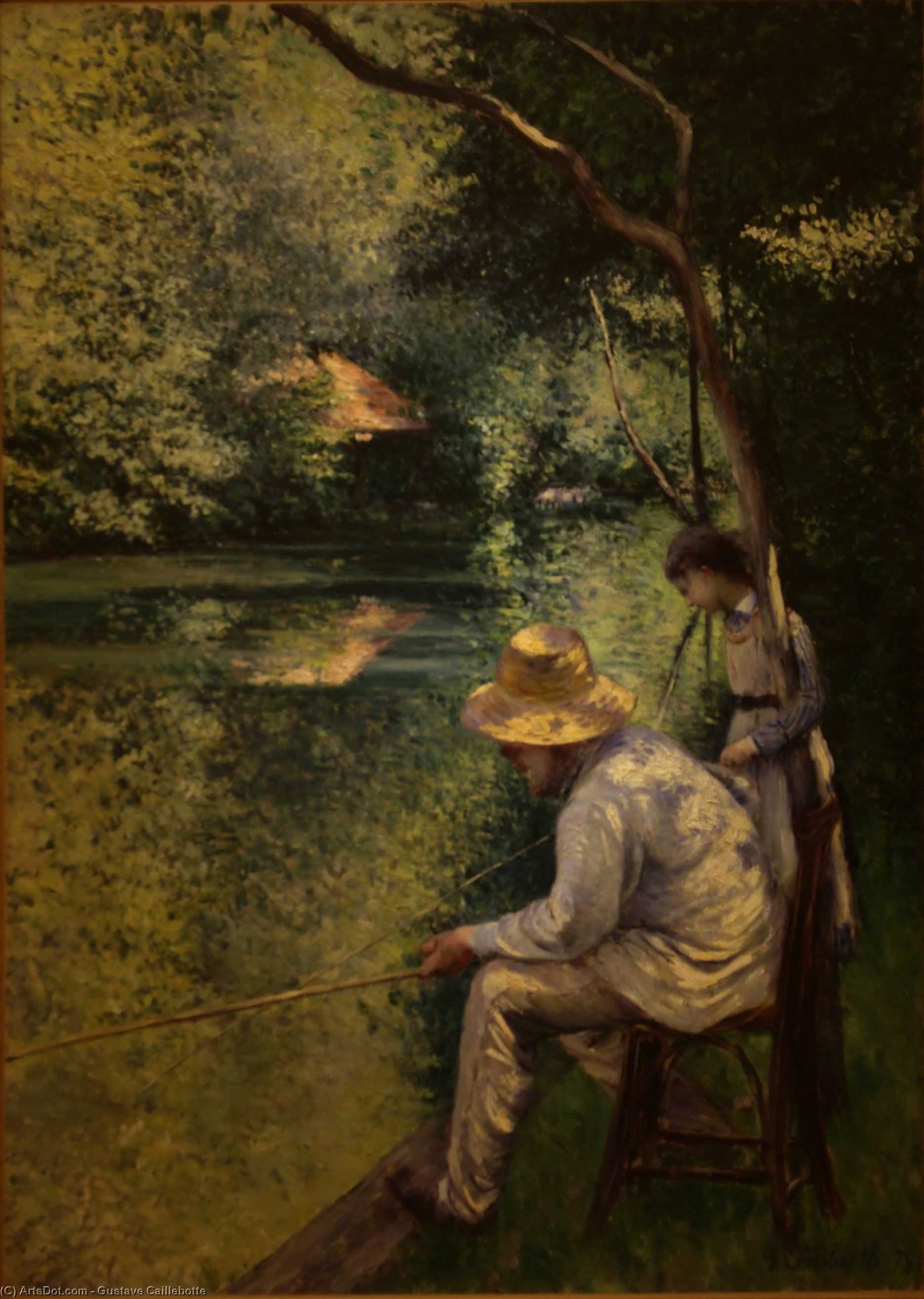
Angling
 Acrylic On Canvas
- WallArt
- Realism
 1878
1878- 19th Century
 100.0 x 75.0 cm
 Vis hele teksten
Giclée / Kunsttrykk
Giclée- eller lerretsprint av museumskvalitet med rask produksjon og fleksible valgmuligheter for etterbehandling.




P118B $10

P118H $10

P118W $10

P438Z $10

P508JH $12

P508YH $12

P805H $10

P805Z $10

P919BZ $10

P919G $10

P919XJ $10

P959ZH $10

P968JZ $12

W106C $8

W218G $10

W218JH $8

W218Y $10

W307PJ $10

W316G $10

W316PJ $8

W316Y $10

W398PJ $8

W4111J $10

W500HY $15

W500JH $15

W692G $12

W849H $8

W940BG $15

W953PJ $8




Velg mellom våre forhåndsdefinerte størrelser som bevarer kunstverkets opprinnelige proporsjoner.

Du kan oppgi egne mål for å tilpasse en spesifikk ramme eller et bestemt område. Dersom den valgte størrelsen ikke samsvarer med det originale bildets proporsjoner, vil vi enten beskjære kunstverket eller utvide bildet med en speilet eller ensfarget kant. En digital mockup vil bli sendt til din godkjenning før produksjonen starter.
Vennligst merk at forhåndsvisningen på skjermen ikke gjenspeiler den faktiske beskjæringen eller utvidelsen. Kun mockuppen vil vise den endelige komposisjonen nøyaktig.
Selv om tilpassede størrelser er tilgjengelige, anbefaler vi å velge et mål fra den forhåndsdefinerte listen for å bevare de originale proporsjonene.
Verdensomspennende levering () på 2 uker i stedet for standard 4/5 uker. (21 July)

Gratis ekspressfrakt over hele verden

Lerretsduk av høykvalitets lin

Full forsikring under transport

Garanti for refusjon av toll og importavgifter

Garantert korrekt fargegjengivelse

60 dagers returrett (kun ved feil)

100% pengene tilbake-garanti

Rabatt ved flere kjøp
 Glassalternativet er kun tilgjengelig i størrelser under 110 cm

Angling
Giclée / Kunsttrykk
Størrelse på reproduksjon
-


Endelig pris
-
Beskrivelse av samleobjektet
Gustave Caillebotte’s “Angling”: A Snapshot of Parisian Leisure
Angling, painted in 1878, offers a remarkably intimate glimpse into the burgeoning leisure culture of late nineteenth-century Paris. Executed by Gustave Caillebotte, a pivotal figure of the Impressionist movement yet distinctly his own, this work transcends a simple depiction of two individuals fishing; it’s a carefully constructed tableau that speaks volumes about social life, artistic innovation, and the evolving relationship between art and modernity.
- Subject Matter: The scene unfolds along the banks of a tranquil river, capturing a quintessential Parisian pastime – angling. Two figures, a man and a woman, are engaged in this activity, their postures relaxed and suggesting a shared moment of quiet enjoyment.
- Composition: Caillebotte’s masterful composition utilizes a shallow depth of field, characteristic of his engagement with photography, to draw the viewer into the scene. The placement of the figures, the strategically positioned chairs and bench, and the framing by the surrounding trees create a sense of immediacy and invite participation.
Technique and Artistic Innovation
Caillebotte’s technique is both precise and subtly impressionistic. He employs short, broken brushstrokes – a direct influence from his early fascination with photography – to render the textures of the riverbank, the clothing of the figures, and the foliage. The use of light and shadow is particularly noteworthy, creating a luminous quality that enhances the sense of atmosphere. Unlike many of his contemporaries who sought to capture fleeting moments in vibrant color, Caillebotte favors a more subdued palette, dominated by earthy tones – browns, greens, and blues – reflecting the natural environment.
His approach reflects a key shift within Parisian art circles at this time. While Impressionists were pushing boundaries with bold color and loose brushwork, Caillebotte demonstrated an ability to combine these influences with a rigorous attention to detail and perspective, reminiscent of academic training but filtered through a distinctly modern sensibility.
Historical Context and Symbolism
Painted in 1878, “Angling” reflects the growing importance of leisure activities within Parisian society. The rise of industrialization had created a new class of wealthy individuals who sought escape from the pressures of urban life. Fishing became a popular pastime, offering an opportunity for relaxation and social interaction. The inclusion of both a man and a woman suggests a depiction of bourgeois domesticity – a carefully constructed image of respectability and refinement.
Furthermore, Caillebotte’s interest in photography is evident in the painting's precise composition and attention to detail. This fascination with the medium would become increasingly central to his artistic practice, influencing his approach to subject matter, perspective, and ultimately, his unique visual language.
Emotional Impact and Aesthetic Value
“Angling” possesses a quiet charm that resonates deeply. It’s not a dramatic or overtly emotional scene, but rather one imbued with a sense of tranquility and understated beauty. The painting invites the viewer to contemplate the simple pleasures of life – the connection between people and nature, the pursuit of leisure, and the enduring appeal of a timeless activity. This 100 x 75 cm reproduction captures the essence of Caillebotte’s vision with exceptional fidelity, offering an ideal addition to any discerning collection or a captivating element for interior design.
Om kunstneren
A Parisian of the New Age: The Life and Art of Gustave Caillebotte
Gustave Caillebotte, born in Paris in 1848, was an artist uniquely positioned to witness and capture the dramatic transformations sweeping through his city. His father, Martial Caillebotte, a successful textile businessman and judge, provided Gustave with both financial stability and a privileged vantage point—allowing him to observe firsthand the burgeoning modernity of Parisian life. Initially drawn to the structured world of law, earning degrees in 1868 and 1870, Caillebotte’s true passion ignited within the realm of art. He began his formal training under Léon Bonnat, immersing himself in painting while simultaneously developing a keen fascination with photography—a relatively new medium that would profoundly shape his artistic vision and approach to composition. This early exposure to photographic principles – its framing, perspective, and ability to freeze fleeting moments – became integral to his distinctive style, influencing how he captured the dynamism of urban life. Caillebotte wasn’t simply documenting change; he was actively engaging with the aesthetic possibilities presented by this rapidly evolving world.Realism Meets Impressionist Light
Caillebotte's artistic trajectory diverged from the rigid traditions of academic painting, yet he never fully embraced the purely optical explorations championed by many of his Impressionist contemporaries. He found a kindred spirit in artists like Edgar Degas and Giuseppe de Nittis, sharing a fascination with modern life but approaching it through a lens of meticulous realism. His early masterpiece, Les Raboteurs de Parquet (The Floor Scrapers), exhibited at the 1875 Salon, immediately established his reputation as a bold and unconventional painter. The work depicts three laborers painstakingly scraping a wooden floor – a scene rarely depicted in the high art of the time – rendered with an unflinching honesty that both shocked and captivated viewers. It wasn’t merely the subject matter—the depiction of the working class—but also the composition itself: cropped, almost jarringly direct, and deliberately devoid of sentimental idealization or romantic embellishment. This commitment to portraying contemporary life without resorting to idealized representations continued in works like View of Rooftops (Snow), where he masterfully employed a high vantage point and atmospheric effects, subtly influenced by his early interest in photography and the aesthetics of Japanese prints. However, Caillebotte wasn’t immune to the allure of Impressionism; gradually, his palette lightened, and he began experimenting with broken brushstrokes and capturing the ephemeral qualities of light – particularly evident in his stunning depictions of Parisian rooftops blanketed in snow.A Patron and a Pioneer: Navigating the Art World
Beyond his own artistic pursuits, Gustave Caillebotte played an unexpectedly significant role in supporting the burgeoning Impressionist movement. His family’s considerable wealth provided him with financial independence, allowing him to become a crucial patron of many leading artists – including Monet, Renoir, Pissarro, Cézanne, Degas, and Sisley. He wasn't merely a collector; he actively championed these artists, organizing and financing several of the Impressionist exhibitions that challenged the established norms of the official Salon. This dedication to fostering innovation extended beyond his own collection, as he meticulously curated works for galleries and museums, contributing significantly to their collections. Caillebotte’s unique perspective also manifested in his compositions; works like Boulevard vu d’en haut (Boulevard Seen from Above), painted in 1880, demonstrate a strikingly modern sensibility – employing an elevated viewpoint and dynamic cropping that subtly foreshadowed the photographic perspectives of the 20th century. This innovative approach to composition, possibly influenced by Japanese prints and his own photographic experiments, set him apart as a true pioneer within the Parisian art scene.Notable Works
- Les Raboteurs de Parquet (The Floor Scrapers) (1875): A groundbreaking work showcasing Caillebotte’s realism and unconventional composition.
- View of Rooftops (Snow) (1878): Demonstrates his use of high vantage points and atmospheric effects, influenced by photography and Japanese prints.
- Boulevard vu d’en haut (Boulevard Seen from Above) (1880): A strikingly modern composition with a dynamic perspective.
- Paris Street; Rainy Day (1877): Perhaps his most famous work, capturing the bustling energy of Parisian life in a unique and evocative manner.
- The Bezique Game(1881) : A captivating Impressionist painting of Parisian leisure.
Legacy and Rediscovery: A Modern Master Reclaimed
For decades following his death in 1894, Caillebotte’s work remained largely overlooked— overshadowed by the more celebrated figures of Impressionism. It wasn't until the late 20th century that a comprehensive reassessment of his art began to take place, fueled by scholarly research and major exhibitions. This rediscovery revealed an artist of remarkable technical skill, intellectual depth, and visionary insight. Caillebotte’s paintings are not simply depictions of modern life; they are profound meditations on the complexities of urban existence, the changing social landscape, and the evolving relationship between art and reality. His ability to seamlessly blend realism with Impressionist techniques, his innovative compositions, and his unwavering commitment to portraying the world around him have secured his place as a pivotal figure in 19th-century art—a master whose unique perspective is now widely recognized and celebrated.
Gustave Caillebotte
1848 - 1894 , Frankrike
Kort om kunstneren
- Artistic Movement Or Style: Impressionisme og Realisme
- Artists Or Movements Influenced By This Artist: ['Bonnat']
- Artists Who Influenced This Artist:
- Degas
- Nittis
- Date Of Birth: 19. august 1848
- Date Of Death: 21. februar 1894
- Full Name: Gustave Caillebotte
- Nationality: Fransk
- Notable Artworks:
- Les Raboteurs de Parquet
- Rooftop View
- Boulevard Seen
- Place Of Birth: Paris, Frankrike
Relaterte artikler
Metropolitan Museum of Art: Topp 25 Kunstverk for Din Inspirasjon – OriginalUniqueArt.com
Oppdag de 25 mest ikoniske kunstverkene fra Metropolitan Museum of Art i New York! Lær historien bak Rembrandt, Van Gogh, Monet og mer. Finn inspirasjon til interiøret ditt med museumskvalitets reproduksjoner på OriginalUniqueArt.com.

Dante Gabriel Rossettis 25 Mesterverk: Kunst, Symbolikk og Skjønnhet for Ditt Hjem
Utforsk de 25 mest ikoniske maleriene av Dante Gabriel Rossetti! Oppdag symbolisme, romantikk og viktoriansk skjønnhet i Pre-Raphaelittenes mesterverk. Finn kunsttrykk & reproduksjoner for ditt hjem på OriginalUniqueArt.com.

James Abbott McNeill Whistler: Topp 25 Kunstverk – Skjønnhet og Harmoni for Ditt Hjem
Utforsk James Abbott McNeill Whistlers 25 mest ikoniske kunstverk! Oppdag historien bak Nocturnes, portretter og impresjonistisk harmoni. Finn museumskvalitets reproduksjoner & interiørinspirasjon på OriginalUniqueArt.com.
De 25 mest ikoniske kunstverk på National Gallery of Art i Washington – Inspirasjon til hjemmet
Oppdag de 25 mest ikoniske kunstverkene på National Gallery of Art i Washington! Fra Cézanne til Picasso – utforsk historien, teknikken og skjønnheten bak hvert mesterverk. Finn inspirasjon til interiøret ditt og kjøp museumskvalitets reproduksjoner på OriginalUniqueArt.com.

Sir Alfred James Munnings' 25 Mesterverk: En Hyllest til Heste og Engelsk Landskap | OriginalUniqueArt.com
Oppdag Sir Alfred James Munnings' 25 mest ikoniske malerier! Fordyp deg i hestemalerier, engelsk landskapskunst og impresjonistisk skjønnhet. Finn museumskvalitets reproduksjoner & interiørinspirasjon på OriginalUniqueArt.com.