
 Forhåndsvisning
 Send
Send Del med andre
 Vis detaljer

 Last ned bildet
 Liknende objekter
 Røntgenundersøkelse
 Lysbildefremvisning
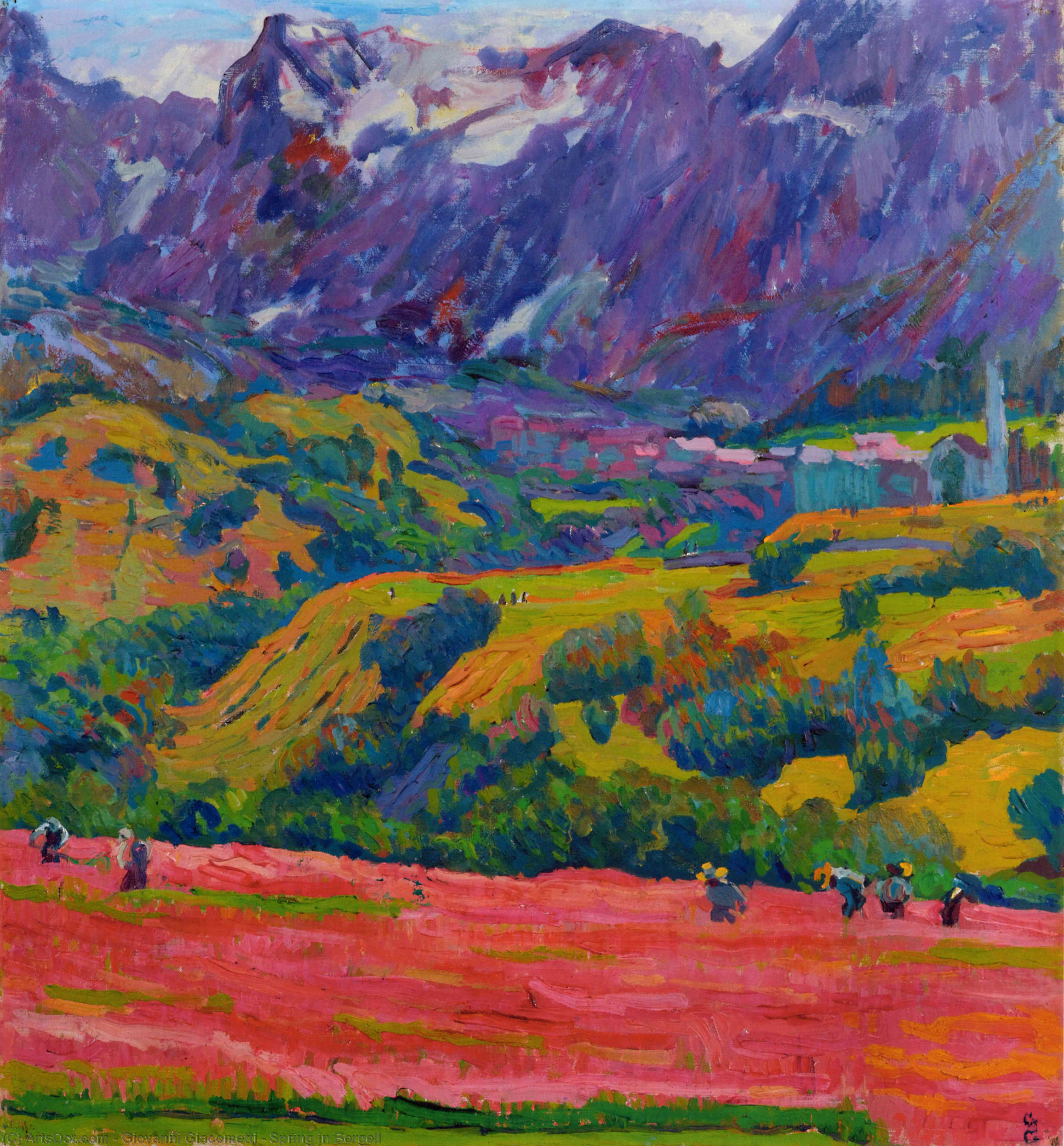
Spring in Bergell


 Vis hele teksten
Kjøp et høyoppløselig, forbedret digitalt bilde som er langt bedre enn forhåndsvisningen på nettet.
Hver fil er omhyggelig klargjort av våre egne spesialister ved hjelp av avanserte verktøy og profesjonell manuell retusjering. Vi sørger for at hvert bilde har eksepsjonell klarhet, presis fargegjengivelse og fine detaljer.
Den endelige filen leveres via e-post innen 72 timer, optimalisert for umiddelbar bruk i profesjonelle, redaksjonelle og trykte miljøer. Dette er den samme kvaliteten som benyttes av ledende designstudioer, utgivere og gallerier.
Digitalt bilde
Last ned en høyoppløselig fil for personlig bruk, utskrift og kreative prosjekter. ( Kjøp trykk Kjøp håndlaget maleri)
Inkludert i alle bestillinger av digitale bilder
Ekspert digital levering, garantert
Når du velger OriginalUniqueArt.com, får du ikke bare et bilde – du mottar et profesjonelt forbedret digitalt kunstverk, skapt med presisjon og med en garantert tilfredshetsgaranti. Her er alt som automatisk følger med din bestilling:

Rask digital levering
Din høyoppløselige digitale bildefil sendes til din e-post innen 72 timer etter bestilling – klar til umiddelbar bruk.

KI-forbedret digital fil
Ditt kunstverk blir profesjonelt optimalisert ved hjelp av avanserte AI-verktøy og manuell redigering, noe som sikrer maksimal detaljrikdom, klarhet og fargegjengivelse.

Gratis livslang nyutlevering
Har du ved et uhell slettet eller mistet filen din? Ingen bekymring – vi sender den på nytt når som helst, helt gratis.

Ingen importavgifter – noen gang
Nyt ditt kunstverk umiddelbart uten toll, avgifter eller leveringskostnader – digitale nedlastinger er alltid avgiftsfrie.

Garantert fargenøyaktighet
Vi sikrer at ditt digitale bilde gjenspeiler de originale fargene så nøyaktig som mulig ved hjelp av profesjonelle verktøy og fargehåndtering.

60 dagers tilfredshetsgaranti
Hvis du ikke er fornøyd med ditt digitale bilde, vil vi revidere det eller refundere 100% innen 60 dager – uten spørsmål.

100% Penggaranti
Ikke fornøyd? Få full refusjon innen 60 dager etter at du har mottatt din digitale fil – uten spørsmål.

Rabatt ved storkjøp
Kjøp 3 bilder, spar 10% - Kjøp 5, spar 15% - Kjøp 10+, spar 20%. Ideelt for kreative prosjekter, gallerier og byråer.
Beskrivelse av samlerobjektet
A Symphony of Alpine Serenity
In the gentle light of a Swiss morning, Giovanni Giacometti’s Spring in Bergell invites the viewer into a world where time seems to slow, suspended in the delicate transition of the seasons. This exquisite masterpiece captures a moment of profound connection between humanity and the rugged majesty of the Alps. As the eye wanders across the sun-drenched hillside, it encounters a spirited procession of riders and horses, moving gracefully through the verdant landscape. The scene is not merely a depiction of a journey, but an evocative celebration of camaraderie and the rejuvenating spirit of spring. There is a palpable sense of movement in the way the figures traverse the terrain, suggesting a shared adventure that resonates with anyone who has ever found solace in the great outdoors.
The artistry of Giacometti shines through his masterful command of light and atmosphere. Painted in 1912, the work reflects a sophisticated understanding of the Swiss landscape, utilizing a palette that breathes with life. The lush greens of the meadow are punctuated by the soft, hazy blues of the distant mountains, creating a sense of immense depth and scale. His technique employs a delicate touch, where brushstrokes serve to build texture rather than define harsh boundaries, allowing the sunlight to appear as if it is truly dancing across the hillsides. This impressionistic approach softens the edges of reality, transforming a simple afternoon ride into a dreamlike vision of pastoral perfection.
The Soul of the Swiss Landscape
To understand Spring in Bergell, one must look to the heart of the artist himself. Giovanni Giacometti was a man whose very identity was woven into the fabric of the Swiss mountains. Having studied in the prestigious academies of Munich and Paris, he brought a refined, international sensibility back to his homeland, blending academic precision with a deep, emotional reverence for nature. In this painting, we see the culmination of that journey—a style that honors the structural grandeur of the Alps while capturing the fleeting, ephemeral beauty of a single spring day. The composition, featuring both the primary group of riders and the subtle presence of observers in the distance, creates a layered narrative of community and shared experience.
For the discerning collector or interior designer, this piece offers more than just aesthetic beauty; it provides an emotional anchor for any space. The painting’s ability to evoke feelings of peace, nostalgia, and vitality makes it a versatile centerpiece. Whether placed in a sunlit gallery or a sophisticated contemporary living room, Spring in Bergell acts as a window into a more tranquil era. It serves as a constant reminder of the enduring allure of nature and the simple joys of companionship. Owning a high-quality reproduction of this work allows one to bring the timeless, breathing essence of the Bergell valley into the modern home, fostering an atmosphere of elegance and contemplative calm.
Om kunstneren
A Life Painted in the Heart of Switzerland
Giovanni Ulrico Giacometti, born on March 7th, 1868, in Stampa, a small village nestled within the Bergell Alps of Switzerland, was more than just a painter; he was a son of his landscape. His early life was steeped in the traditions of his family—his father, Alberto, balanced the demands of a café with the comforting rhythm of baking bread, while his cousin, Augusto Giacometti, a fellow artist, ignited within him a spark of creative passion. This familial connection, combined with the breathtaking beauty of the Swiss Alps that surrounded him, would profoundly shape his artistic vision and define his lifelong pursuit of capturing the essence of his homeland. His formal training began at the Kunstgewerbeschule in Munich in 1886, but he quickly recognized that the school’s rigid structure didn't align with his burgeoning artistic sensibilities. Seeking a more liberating environment, he moved to Paris in 1888, where he enrolled at the Académie Julian under the tutelage of William Adolphe Bouguereau and Joseph Nicolas Robert-Fleury. However, financial constraints soon forced him back to Switzerland in 1891, marking a period of relative isolation and artistic uncertainty.The Transformative Influence of Giovanni Segantini
It was during this time of introspection that Giovanni Giacometti encountered a pivotal figure—Giovanni Segantini, a master painter renowned for his evocative depictions of the Swiss Alps. Segantini wasn’t merely an acquaintance; he became a mentor, a kindred spirit who opened Giacometti's eyes to the sublime beauty of the mountains and introduced him to the revolutionary technique of Divisionism. Divisionism, pioneered by Georges Seurat and Paul Signac, involved applying small, distinct dots or strokes of color—rather than blending them—to create vibrant, luminous effects. This approach allowed Giacometti to capture the fleeting qualities of light and atmosphere with unprecedented intensity. The Bergell region, with its towering peaks, dramatic valleys, and ever-changing weather patterns, became a constant source of inspiration for Giacometti, profoundly influencing his artistic style and emotional connection to the landscape. He spent countless hours sketching and painting en plein air, meticulously studying how light interacted with the rugged terrain and capturing the subtle nuances of color that defined the region’s unique beauty. Segantini's influence extended beyond mere technique; he instilled in Giacometti a deep appreciation for the grandeur of nature and a commitment to portraying its raw power and emotional resonance.Bridging Tradition and Modernity: A Stylistic Evolution
Following Segantini’s untimely death in 1900, Giovanni Giacometti embarked on a period of artistic exploration, experimenting with various styles and techniques. While firmly rooted in the principles of Divisionism, he gradually incorporated elements of Symbolism and Art Nouveau into his work, adding layers of meaning and decorative flair to his compositions. He also engaged with the burgeoning Expressionist movement, reflecting the anxieties and uncertainties of the modern world through emotionally charged landscapes and portraits. His early works, characterized by their meticulous detail and vibrant colors, often depicted idyllic scenes of rural life—a testament to his deep connection to the Swiss Alps. However, as he matured as an artist, his style became increasingly expressive, with a greater emphasis on capturing the emotional impact of his subjects rather than simply replicating their appearance. Notable works from this period include “In the Goat Barn,” a poignant depiction of rural life imbued with a sense of melancholy and nostalgia, and "Capolago in Winter," a breathtaking panorama of the lake and mountains rendered in shimmering hues of blue and white.A Family Legacy and Recognition
Giovanni Giacometti’s artistic journey was inextricably linked to that of his family. In 1900, he married Annetta Stampa, and together they raised four children—Alberto, Diego, Ottilia, and Bruno—all of whom would eventually pursue careers in the arts. His eldest son, Alberto Giacometti, became one of the most celebrated sculptors of the 20th century, while Diego followed in his father’s footsteps as a painter. The family environment fostered a spirit of creativity and collaboration, with each member contributing their unique talents to the artistic landscape of Switzerland. Giovanni Giacometti received considerable recognition during his lifetime, including an exhibition at the Kunsthaus Zürich in 1912, which showcased his evolving style and established him as a leading figure in Swiss art. He also served on the Eidgenössische Kunstkommission (Swiss Federal Art Commission) from 1918-1921 and again from 1931-1932, demonstrating his commitment to supporting the arts within Switzerland. Despite facing periods of financial hardship and artistic uncertainty, Giovanni Giacometti remained steadfast in his dedication to capturing the beauty and spirit of his beloved homeland—a legacy that continues to inspire artists today.A Lasting Impact on Swiss Art
Giovanni Giacometti’s contribution to Swiss art extends far beyond his individual works. He played a crucial role in bridging the gap between traditional artistic techniques and modern approaches, paving the way for future generations of Swiss painters and sculptors. His innovative use of Divisionism, combined with his deep understanding of color, light, and composition, established him as a pioneer of early 20th-century art in Switzerland. His legacy is preserved through his paintings, which are now housed in prominent museums throughout the country—including the Kunsthaus Zürich and the Kunstmuseum Basel—and continue to captivate viewers with their evocative beauty and emotional resonance. Giovanni Giacometti passed away on June 25, 1933, leaving behind a rich artistic heritage that remains an integral part of Switzerland’s cultural identity.
Giovanni Giacometti
1868 - 1933 , Sveits
Kort om kunstneren
- Artistic Movement Or Style: Post-Impressionisme
- Artists Or Movements Influenced By This Artist: ['Alberto Giacometti']
- Artists Who Influenced This Artist: ['Giovanni Segantini']
- Date Of Birth: 7 mars 1868
- Date Of Death: 25 juni 1933
- Full Name: Giovanni Ulrico Giacometti
- Nationality: Sveitsisk
- Notable Artworks:
- In the Goat Barn
- Capolago i vinter
- Morgen sol på Sils fjell
- Place Of Birth: Borgonovo, Sveits

