
 Forhåndsvisning
 Send
Send Del med andre
 Vis detaljer

 Last ned bildet
 Liknende objekter
 Røntgenundersøkelse
 Lysbildefremvisning
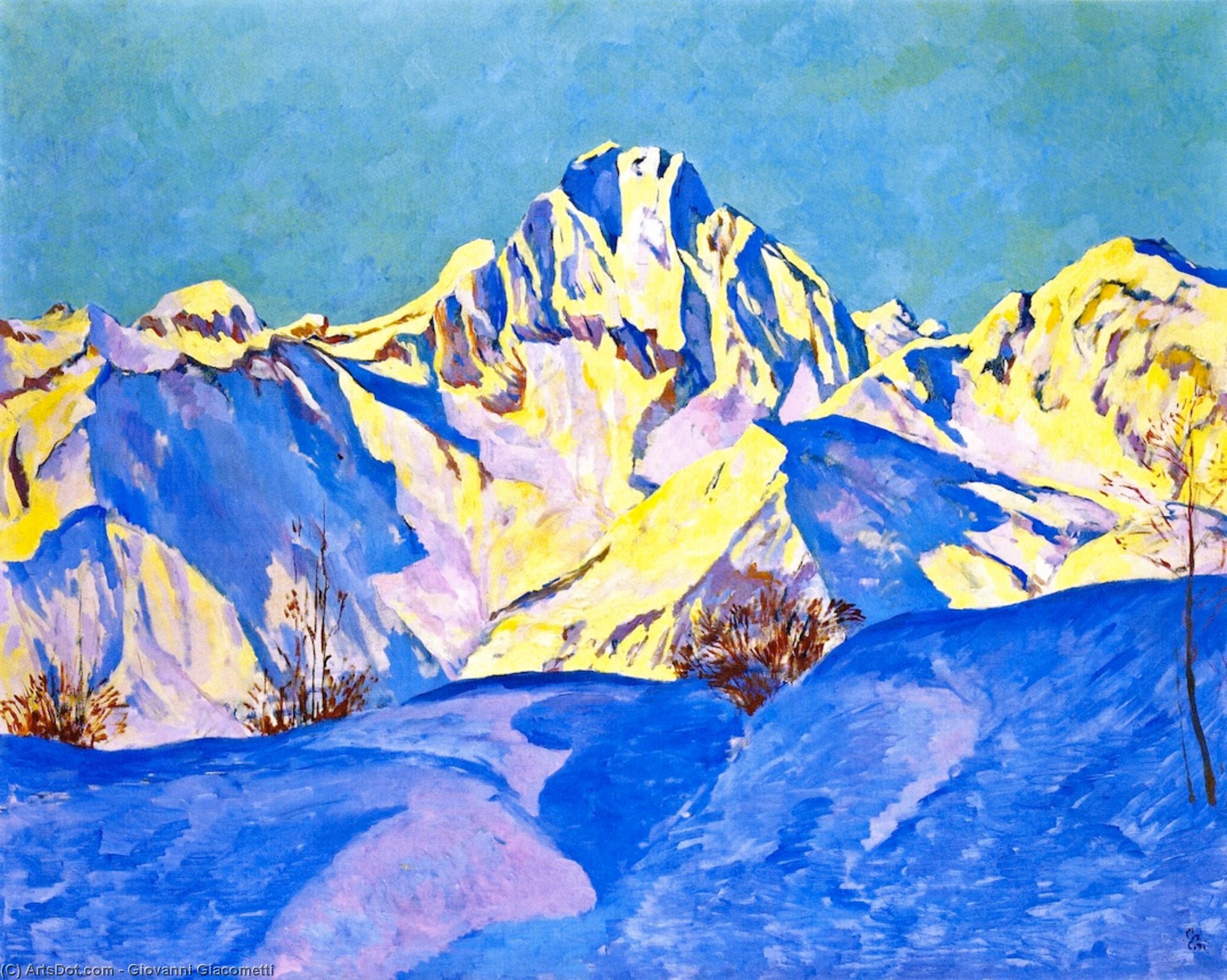
Snow Mountains
 Oil On Canvas
- WallArt
- Impressionism
 1914
1914- Modern
 100.0 x 125.0 cm
 Vis hele teksten
Håndlaget oljereproduksjon
Håndmalt olje på lerret i din valgte størrelse og ramme, laget på bestilling av våre kunstnere. ( Kjøp trykk Kjøp bilde)




P118B $10

P118H $10

P118W $10

P438Z $10

P508JH $12

P508YH $12

P805H $10

P805Z $10

P919BZ $10

P919G $10

P919XJ $10

P959ZH $10

P968JZ $12

W106C $8

W218G $10

W218JH $8

W218Y $10

W307PJ $10

W316G $10

W316PJ $8

W316Y $10

W398PJ $8

W4111J $10

W500HY $15

W500JH $15

W692G $12

W849H $8

W940BG $15

W953PJ $8




Velg mellom våre forhåndsdefinerte størrelser som bevarer kunstverkets opprinnelige proporsjoner.

Du kan angi egne mål for å tilpasse en spesifikk ramme eller plass. Dersom den valgte størrelsen ikke samsvarer med originalbildets proporsjoner, vil vi enten beskjære kunstverket eller utvide maleriet med ytterligere håndmalte elementer. En digital mockup vil bli sendt til din godkjenning før produksjonen starter.
Vennligst merk at forhåndsvisningen på skjermen ikke gjenspeiler den faktiske beskjæringen eller utvidelsen. Kun mockuppen vil vise den endelige komposisjonen nøyaktig.
Selv om tilpassede størrelser er tilgjengelige, anbefaler vi å velge et mål fra den forhåndsdefinerte listen for å bevare de originale proporsjonene.
Etter bestilling vil OriginalUniqueArt.com-teamet sende e-post til kunden for instruksjoner og sende et utkast (mockup) som forhåndsvisning.
Verdensomspennende levering () på 3–4 uker i stedet for standard 5 uker. (21 August). Ingen kompromisser med kvaliteten.

Gratis ekspressfrakt over hele verden

Lerretsduk av høykvalitets lin

Full forsikring under transport

Garanti for refusjon av toll og importavgifter

Garantert korrekt fargegjengivelse

60 dagers returrett (kun ved feil)

100% pengene tilbake-garanti

Rabatt ved flere kjøp
 Glassalternativet er kun tilgjengelig i størrelser under 110 cm

Snow Mountains
Teknikk for reproduksjon
Størrelse på reproduksjon
-


Endelig pris
$ 300
Beskrivelse av kunstverket
A Majestic Encounter with the Alpine Sublime
In the quietude of 1914, Giovanni Giacometti captured a moment of profound stillness in his masterpiece, 'Snow Mountains.' This breathtaking oil on canvas serves as more than just a landscape; it is an invitation into a world where the earth meets the heavens in a silent, frozen embrace. The composition is dominated by a monumental mountain range, its jagged peaks draped in heavy, pristine snow that seems to glow against the crisp clarity of the Swiss sky. As the eye wanders across the canvas, one discovers smaller, intricate peaks that emerge from the larger mass, providing a sense of immense depth and geological complexity. This rhythmic layering of stone and ice creates a visual symphony of scale, making the viewer feel both humbled by the grandeur of nature and intimately connected to its serene rhythm.
The artist’s technical mastery is evident in the way he utilizes the rich textures of oil paint to breathe life into the inanimate. Giacometti employs a delicate balance of light and shadow to define the rugged contours of the mountains, allowing the brilliant whites of the snow to contrast sharply with the deep, cool shadows tucked within the crevices. Scattered throughout this wintry expanse are resilient trees, their dark silhouettes acting as vital anchors within the composition. These botanical elements do more than provide scale; they offer a poignant contrast between the ephemeral life of the forest and the eternal, unchanging presence of the mountains. The interplay between the vibrant blue sky and the stark white landscape creates a harmonious color palette that is both invigorating and soothing to the soul.
Historical Resonance and Artistic Legacy
To understand 'Snow Mountains' is to understand the lineage of Swiss artistic excellence. Giovanni Giacometti, a painter whose life was deeply rooted in the dramatic landscapes of his homeland, brought a unique sensitivity to the depiction of nature. While he moved through various stylistic evolutions—from the structured training in Munich to the vibrant influences of Paris—his heart remained tether of the Alps. This painting stands as a testament to that enduring connection. It is also a piece steeped in familial legacy, as Giovanni was the patriarch of an extraordinary artistic dynasty, most notably the father of the world-renowned sculptor Alberto Giacometti. In this work, we see the precursor to a modern sensibility: a focus on form, atmosphere, and the raw emotional power of the environment.
For the discerning collector or interior designer, 'Snow Mountains' offers an unparalleled opportunity to introduce a sense of tranquility and prestige into a living space. The painting’s ability to evoke feelings of awe and peace makes it a versatile centerpiece, capable of anchoring a room with its commanding presence while simultaneously providing a window of escapism. Whether placed in a contemporary gallery-style setting or a classic, traditional study, this reproduction captures the timeless essence of the natural world. It is not merely a depiction of scenery, but an emotional experience—a frozen moment of perfection that continues to inspire wonder more than a century after its creation.
Om kunstneren
A Life Painted in the Heart of Switzerland
Giovanni Ulrico Giacometti, born on March 7th, 1868, in Stampa, a small village nestled within the Bergell Alps of Switzerland, was more than just a painter; he was a son of his landscape. His early life was steeped in the traditions of his family—his father, Alberto, balanced the demands of a café with the comforting rhythm of baking bread, while his cousin, Augusto Giacometti, a fellow artist, ignited within him a spark of creative passion. This familial connection, combined with the breathtaking beauty of the Swiss Alps that surrounded him, would profoundly shape his artistic vision and define his lifelong pursuit of capturing the essence of his homeland. His formal training began at the Kunstgewerbeschule in Munich in 1886, but he quickly recognized that the school’s rigid structure didn't align with his burgeoning artistic sensibilities. Seeking a more liberating environment, he moved to Paris in 1888, where he enrolled at the Académie Julian under the tutelage of William Adolphe Bouguereau and Joseph Nicolas Robert-Fleury. However, financial constraints soon forced him back to Switzerland in 1891, marking a period of relative isolation and artistic uncertainty.The Transformative Influence of Giovanni Segantini
It was during this time of introspection that Giovanni Giacometti encountered a pivotal figure—Giovanni Segantini, a master painter renowned for his evocative depictions of the Swiss Alps. Segantini wasn’t merely an acquaintance; he became a mentor, a kindred spirit who opened Giacometti's eyes to the sublime beauty of the mountains and introduced him to the revolutionary technique of Divisionism. Divisionism, pioneered by Georges Seurat and Paul Signac, involved applying small, distinct dots or strokes of color—rather than blending them—to create vibrant, luminous effects. This approach allowed Giacometti to capture the fleeting qualities of light and atmosphere with unprecedented intensity. The Bergell region, with its towering peaks, dramatic valleys, and ever-changing weather patterns, became a constant source of inspiration for Giacometti, profoundly influencing his artistic style and emotional connection to the landscape. He spent countless hours sketching and painting en plein air, meticulously studying how light interacted with the rugged terrain and capturing the subtle nuances of color that defined the region’s unique beauty. Segantini's influence extended beyond mere technique; he instilled in Giacometti a deep appreciation for the grandeur of nature and a commitment to portraying its raw power and emotional resonance.Bridging Tradition and Modernity: A Stylistic Evolution
Following Segantini’s untimely death in 1900, Giovanni Giacometti embarked on a period of artistic exploration, experimenting with various styles and techniques. While firmly rooted in the principles of Divisionism, he gradually incorporated elements of Symbolism and Art Nouveau into his work, adding layers of meaning and decorative flair to his compositions. He also engaged with the burgeoning Expressionist movement, reflecting the anxieties and uncertainties of the modern world through emotionally charged landscapes and portraits. His early works, characterized by their meticulous detail and vibrant colors, often depicted idyllic scenes of rural life—a testament to his deep connection to the Swiss Alps. However, as he matured as an artist, his style became increasingly expressive, with a greater emphasis on capturing the emotional impact of his subjects rather than simply replicating their appearance. Notable works from this period include “In the Goat Barn,” a poignant depiction of rural life imbued with a sense of melancholy and nostalgia, and "Capolago in Winter," a breathtaking panorama of the lake and mountains rendered in shimmering hues of blue and white.A Family Legacy and Recognition
Giovanni Giacometti’s artistic journey was inextricably linked to that of his family. In 1900, he married Annetta Stampa, and together they raised four children—Alberto, Diego, Ottilia, and Bruno—all of whom would eventually pursue careers in the arts. His eldest son, Alberto Giacometti, became one of the most celebrated sculptors of the 20th century, while Diego followed in his father’s footsteps as a painter. The family environment fostered a spirit of creativity and collaboration, with each member contributing their unique talents to the artistic landscape of Switzerland. Giovanni Giacometti received considerable recognition during his lifetime, including an exhibition at the Kunsthaus Zürich in 1912, which showcased his evolving style and established him as a leading figure in Swiss art. He also served on the Eidgenössische Kunstkommission (Swiss Federal Art Commission) from 1918-1921 and again from 1931-1932, demonstrating his commitment to supporting the arts within Switzerland. Despite facing periods of financial hardship and artistic uncertainty, Giovanni Giacometti remained steadfast in his dedication to capturing the beauty and spirit of his beloved homeland—a legacy that continues to inspire artists today.A Lasting Impact on Swiss Art
Giovanni Giacometti’s contribution to Swiss art extends far beyond his individual works. He played a crucial role in bridging the gap between traditional artistic techniques and modern approaches, paving the way for future generations of Swiss painters and sculptors. His innovative use of Divisionism, combined with his deep understanding of color, light, and composition, established him as a pioneer of early 20th-century art in Switzerland. His legacy is preserved through his paintings, which are now housed in prominent museums throughout the country—including the Kunsthaus Zürich and the Kunstmuseum Basel—and continue to captivate viewers with their evocative beauty and emotional resonance. Giovanni Giacometti passed away on June 25, 1933, leaving behind a rich artistic heritage that remains an integral part of Switzerland’s cultural identity.
Giovanni Giacometti
1868 - 1933 , Sveits
Kort om kunstneren
- Artistic Movement Or Style: Post-Impressionisme
- Artists Or Movements Influenced By This Artist: ['Alberto Giacometti']
- Artists Who Influenced This Artist: ['Giovanni Segantini']
- Date Of Birth: 7 mars 1868
- Date Of Death: 25 juni 1933
- Full Name: Giovanni Ulrico Giacometti
- Nationality: Sveitsisk
- Notable Artworks:
- In the Goat Barn
- Capolago i vinter
- Morgen sol på Sils fjell
- Place Of Birth: Borgonovo, Sveits
Relaterte artikler

De 10 mest ikoniske malerier dominert av slåttegrå – Kunsthistorie og interiørinspirasjon
Oppdag de 10 mest ikoniske malerier dominert av slåttegrå – fra Monet til Van Gogh. Lær om kunsthistorien, fargetoner og teknikker bak disse mesterverkene. Finn din perfekte veggkunst og interiørinspirasjon på OriginalUniqueArt.com! Utforsk samlingen online.
Landskapets Mesterverk: Topp 10 Kunstverk som Definerer Sjangeren | OriginalUniqueArt.no
Utforsk de 10 mest ikoniske landskapsmaleriene gjennom tidene! Fra Monet til Friedrich – oppdag historien bak mesterverkene, kunstnernes teknikker og inspirasjonen. Finn reproduksjoner av høy kvalitet for ditt hjem på OriginalUniqueArt.no. Utforsk samlingen online!

Romantiske landskap: Topp 10 mesterverk for hjemmet – Kunst fra OriginalUniqueArt.com
Oppdag de 10 mest ikoniske romantiske landskapsmaleriene! Fra Caspar David Friedrich til Turner – utforsk kunsthistorien, stemningen og fargepalettene. Finn museumskvalitets reproduksjoner på OriginalUniqueArt.com.

John Constable: Topp 25 Maler – Engelsk Landskapskunst i Ditt Hjem
Opplev John Constables 25 mest ikoniske malerier! Fordyp deg i engelsk romantikk, landskapskunst og atmosfæriske scener. Finn museumskvalitets reproduksjoner & interiørinspirasjon på OriginalUniqueArt.com. Utforsk samlingen online!

Evocations of Place: A Historical Journey Through Landscape Art
Explore the rich history of landscape art with OriginalUniqueArt. Discover renowned artists, movements like Impressionism & Romanticism, and expert guidance for collecting timeless pieces. Find your perfect serene escape today!

