
 Forhåndsvisning
 Send
Send Del
Del
 Vis detaljer
 Utskriftsvennlig guide

 Last ned bilde
 Liknende objekter
 Røntgenundersøkelse
 Lysbildefremvisning
 Spørsmål og svar
 Statistikk
Cup


 Vis hele teksten
Giclée / Kunsttrykk
Giclée- eller lerretsprint av museumskvalitet med rask produksjon og fleksible valgmuligheter for etterbehandling. ( Kjøp håndmalt maleri Bytt til digitalt bilde)




P118B Nkr10

P118H Nkr10

P118W Nkr10

P438Z Nkr10

P508JH Nkr12

P508YH Nkr12

P805H Nkr10

P805Z Nkr10

P919BZ Nkr10

P919G Nkr10

P919XJ Nkr10

P959ZH Nkr10

P968JZ Nkr12

W106C Nkr8

W218G Nkr10

W218JH Nkr8

W218Y Nkr10

W307PJ Nkr10

W316G Nkr10

W316PJ Nkr8

W316Y Nkr10

W398PJ Nkr8

W4111J Nkr10

W500HY Nkr15

W500JH Nkr15

W692G Nkr12

W849H Nkr8

W940BG Nkr15

W953PJ Nkr8




Velg mellom våre forhåndsdefinerte størrelser som bevarer kunstverkets opprinnelige proporsjoner.

Skriv inn ønsket bredde og høyde for å tilpasse trykket til din ramme eller vegg. Et trykk kan kun beskjæres, aldri skaleres opp utover motivets opprinnelige størrelse, noe som betyr at et format med andre proporsjoner vil føre til tap av deler av bildet. Vi sender deg en digital mockup for godkjenning før vi starter trykkeprosessen. Bildet som vises på denne siden viser ikke den faktiske beskjæringen — det er kun mockuppen som viser dette.
Verdensomspennende levering () på 2 uker i stedet for standard 4/5 uker. (7 November)

Gratis ekspressfrakt over hele verden

Lerretsduk av lin av høy kvalitet

Full transportforsikring

Garanti for refusjon av toll og importavgifter

Garantert fargegjengivelse

100 dagers returrett ved fabrikasjonsfeil

100% pengene tilbake-garanti

Rabatt ved flere kjøp
 Glassalternativet er kun tilgjengelig i størrelser under 110 cm

Cup
Giclée / Kunsttrykk
Størrelse på reproduksjon
-


Totalpris for valgte alternativer
Nkr 775
Giovanni Battista Gariboldi: Cup - A Study in Organic Texture and Serene Green
Giovanni Battista Gariboldi’s 1936 ceramic bowl stands as a testament to the enduring power of Italian craftsmanship and a masterful exploration of natural forms. More than just tableware, it embodies a deliberate aesthetic choice—a commitment to capturing the essence of organic beauty within a meticulously crafted medium.
- Subject Matter: The bowl’s central focus is simplicity itself: a single ceramic vessel designed to hold liquid. However, its unassuming appearance belies a profound consideration for visual harmony and textural richness.
- Style: Gariboldi's work aligns squarely with the principles of ceramic art—a tradition rooted in ancient techniques and celebrated for its ability to transform raw materials into objects of enduring elegance. Influenced by Art Deco sensibilities, it leans towards geometric forms softened by organic contours.
- Technique: The bowl’s surface is achieved through a painstaking process of hand-building – likely utilizing coil construction—followed by careful glazing application. This technique ensures that every piece possesses unique variations in tone and texture, reflecting the inherent irregularities of natural materials.
The glaze itself contributes significantly to the overall impression. Gariboldi skillfully employs a palette dominated by shades of green – from deep olive tones reminiscent of ancient woodlands to lighter hues suggestive of tranquil lagoons. These colors aren’t merely decorative; they evoke feelings of serenity and connection with the natural world.
Historical Context: Created in 1936, Gariboldi's bowl reflects the broader artistic currents of its time—a period marked by a renewed interest in organic forms and a desire to express emotion through visual language. It stands as an exemplar of Italian ceramic art during the Fascist era, showcasing a dedication to tradition while embracing stylistic innovations.
Symbolism: The bowl’s textured surface – resembling a leaf or petal – speaks to themes of growth, fragility, and renewal. These symbols resonate deeply within Pre-Raphaelite aesthetics—a movement that championed idealized beauty and sought inspiration in medieval myths and legends. Gariboldi's piece invites contemplation on the relationship between humanity and nature.
Emotional Impact: Viewing Gariboldi’s bowl is an experience of quiet contemplation. Its understated elegance and harmonious color palette inspire a sense of calm and appreciation for artisanal skill—a reminder that beauty can be found in simplicity and that objects crafted with care hold profound emotional resonance.
Spørsmål og svar
Kan "Cup" av Giovanni Battista Gariboldi, som er en del av samlingen til Sforza-slottet, reproduseres lovlig?
"Cup" av Giovanni Battista Gariboldi, som er en del av samlingen til Sforza-slottet, er fritt tilgjengelig – opphavsretten har utløpt. Denne statusen avgjør om det er tillatt å lage reproduksjoner av bildet.
Hvilken periode i Giovanni Battista Gariboldi sin karriere tilhører "Cup"?
I Giovanni Battista Gariboldi sin karriere tilhører "Cup" Early Modern. Denne perioden gjør det mulig å sammenligne verket med kunstnerens øvrige arbeider.
Hvem skapte "Cup" og i hvilket år?
Giovanni Battista Gariboldi skapte "Cup" i 1936.
Relaterte artikler

The Alchemy of Clay: A Collector's Guide to the Mastery, Texture, and Timeless Form of Ceramic Art
Discover the profound beauty of ceramic art. Our expert guide explores the alchemy of clay, texture, and glaze, offering collectors deep insights into mastering earth and fire to create timeless, sculptural masterpieces for any curated collection.

The Art of Ceramics: A Guide to Mastery, Texture, and Timeless Form for the Discerning Collector
Explore the profound elegance of ceramic art. From master glazes to sculptural forms, our expert guide offers discerning collectors deep insights into the mastery, texture, and timeless value of fine ceramics for sophisticated collections and luxury interiors.

Fernand Léger: Topp 25 Kunstverk – En Hyllest til Modernismens Mester
Utforsk Fernand Légers 25 mest ikoniske kunstverk! Oppdag kubismens mester, hans revolusjonerende stil og fargerike hyllest til maskinalderen. Finn inspirasjon til interiørdesign og kjøp eksklusive reproduksjoner på OriginalUniqueArt.com.
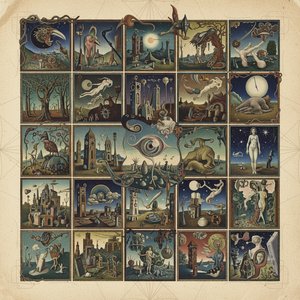
Max Ernsts 25 Mesterverk: Surrealisme, Kunst og Inspirasjon til Ditt Hjem
Utforsk Max Ernsts 25 mest ikoniske surrealistiske malerier! Oppdag historien bak hvert mesterverk, teknikken og den tidløse skjønnheten. Finn kunsttrykk av høy kvalitet til ditt hjem på OriginalUniqueArt.com – inspirert av drømmekunst og avantgarde.

Paul Cézannes 25 Mesterverk: En Kunstnerisk Reise for Ditt Hjem
Utforsk Paul Cézannes 25 mest ikoniske malerier! Oppdag historien bak impresjonismens mesterverk, fra stilleben til landskap. Finn kunsttrykk av høy kvalitet og interiørinspirasjon på OriginalUniqueArt.com.