Se i rommet
 Del som digitalt kort
 Del
Del
 Detaljer
 Studentguide

 Last ned
 Liknende objekter
 Røntgen
 Lysbildefremvisning
 Besøksstatistikk
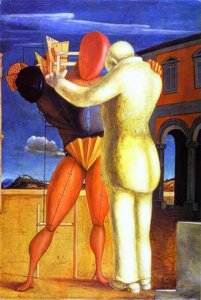
The Troubadour

 Les mer
Kunstverket som vises på denne siden er beskyttet av opphavsretten, noe som betyr at vi ikke har juridisk tillatelse til å lage eller selge identiske reproduksjoner. Denne beskyttelsen håndheves i henhold til internasjonale avtaler som for eksempel Bernerkonvensjonen og av nasjonale lover, inkludert de som er fastsatt i Amerikansk opphavsrettslov – Tittel 17.
Denne metoden er i fullt samsvar med opphavsrettslige regler, da den ikke innebærer kopiering eller duplisering av det beskyttede kunstverket. I stedet er det snakk om en kreativ nytolkning – et nytt maleri som er inspirert av originalen, men ikke identisk med den.
Giclée / Kunsttrykk
Giclée- eller lerretsprint av museumskvalitet med rask produksjon og fleksible valgmuligheter for etterbehandling. ( Bestill håndmalt reproduksjon Gå til digitalt bilde)




P118B Nkr10

P118H Nkr10

P118W Nkr10

P438Z Nkr10

P508JH Nkr12

P508YH Nkr12

P805H Nkr10

P805Z Nkr10

P919BZ Nkr10

P919G Nkr10

P919XJ Nkr10

P959ZH Nkr10

P968JZ Nkr12

W106C Nkr8

W218G Nkr10

W218JH Nkr8

W218Y Nkr10

W307PJ Nkr10

W316G Nkr10

W316PJ Nkr8

W316Y Nkr10

W398PJ Nkr8

W4111J Nkr10

W500HY Nkr15

W500JH Nkr15

W692G Nkr12

W849H Nkr8

W940BG Nkr15

W953PJ Nkr8




Velg mellom våre forhåndsdefinerte størrelser som bevarer kunstverkets opprinnelige proporsjoner.

Skriv inn bredden og høyden du trenger, slik at den passer til din ramme eller vegg. Et trykk kan kun beskjæres, aldri gjøres større enn bildet, så et format med en annen form vil miste en del av motivet. Vi sender deg en digital mockup for godkjenning før vi trykker noe som helst. Bildet som vises på denne siden viser ikke den faktiske beskjæringen — det er kun mockuppen som gjør det.
Verdensomspennende levering () på 2 uker i stedet for standard 4/5 uker. (24 October)

Gratis ekspressfrakt over hele verden

Lerretsduk av høykvalitets lin

Full transportforsikring

Garanti for refusjon av toll og importavgifter

Garantert fargeekthet

100 dagers returrett ved fabrikasjonsfeil

100% pengene tilbake-garanti

Mengderabatt
 Glassalternativet er kun tilgjengelig i størrelser under 110 cm

The Troubadour
Giclée / Kunsttrykk
Format på reproduksjon
-


Totalpris
Nkr 760
Giorgio De Chirico’s “Il Trovatore”: A Dreamscape of Medieval Echoes
The painting "Il Trovatore," created circa 1950-1955 by Giorgio de Chirico, stands as a cornerstone of Metaphysical Art—a movement that profoundly challenged the conventions of Surrealism and cemented De Chirico’s place among the most influential artists of the 20th century. More than just an image, it's a meticulously crafted illusion designed to unsettle the viewer and invite contemplation on themes of memory, alienation, and the elusive nature of reality. This essay delves into the intricacies of this iconic artwork, exploring its visual language, historical significance, and enduring emotional resonance.- Subject Matter: At first glance, “Il Trovatore” presents a stark juxtaposition between medieval armor and modern architectural elements—a statue or sculpture dominates the composition, embodying an archaic figure amidst a desolate Roman piazza bathed in the fading light of sunset. This deliberate pairing underscores De Chirico’s fascination with reconciling disparate temporal realms, mirroring Nietzsche's exploration of eternal recurrence.
- Style & Technique: De Chirico’s signature style—characterized by flattened perspectives, geometric abstraction, and unsettling stillness—is powerfully evident in “Il Trovatore.” The artist employs a muted palette dominated by ochre hues and deep shadows, creating an atmosphere of profound melancholy and mystery. Precise brushstrokes contribute to the painting's textural richness, emphasizing the sculptural quality of both the statue and the surrounding environment.
- Historical Context: Painted during De Chirico’s “New” Metaphysical period—following a hiatus from Surrealism—the artwork reflects a renewed engagement with his earlier stylistic explorations. Influenced by thinkers like Nietzsche and Schopenhauer, De Chirico sought to capture the psychological landscape of the subconscious mind, mirroring the anxieties of postwar Europe. The painting's formal vocabulary anticipates developments in Pop Art, signaling a rejection of artistic dogma and embracing repetition as a means of conveying profound ideas.
- Symbolism: The statue itself—a nameless figure clad in medieval armor—represents an idealized past confronting the bleak realities of the present. Its facelessness symbolizes the loss of identity and reinforces De Chirico’s preoccupation with existential questions. Furthermore, the geometric forms—triangular supports and measuring instruments—echo classical architectural principles, hinting at a yearning for order amidst chaos. The statue's stance subtly resembles that of the Italian contrapposto as he rests most of his weight on his left foot, suggesting that he is both brave and strong and instilling him with a superhero-like quality.
- Emotional Impact: “Il Trovatore” succeeds in eliciting a visceral response from the viewer—a feeling of disorientation, unease, and profound contemplation. The painting’s luminous sky contrasts sharply with the shadowed piazza, amplifying the sense of solitude and highlighting the statue's enigmatic gaze. Like Picasso’s Guernica, De Chirico’s masterpiece confronts viewers with uncomfortable truths about human existence, prompting reflection on themes of memory, loss, and the elusive nature of time.
Exploring De Chirico’s Metaphysical Vision
Giorgio de Chirico's Metaphysical Art sought to transcend representational illusionism, delving into the realm of psychological experience—a radical departure from prevailing artistic trends. Inspired by Nietzsche’s concept of eternal recurrence and Schopenhauer’s pessimism, De Chirico aimed to depict not what *is*, but what *might be,* capturing fleeting glimpses of subconscious thought and emotion. This approach is powerfully realized in “Il Trovatore,” where the artist abandons conventional perspective and employs geometric abstraction to convey a sense of timelessness and unease—a hallmark of his distinctive artistic vision.The Influence of Nietzsche & Schopenhauer
De Chirico’s intellectual engagement with philosophers like Friedrich Nietzsche and Arthur Schopenhauer profoundly shaped his artistic sensibilities. Nietzsche's assertion that life is an endless repetition of finite moments fueled De Chirico’s fascination with cyclical patterns and the exploration of psychological states—themes central to “Il Trovatore.” Similarly, Schopenhauer’s pessimistic worldview—characterized by a belief in the inherent suffering of existence—influenced De Chirico’s use of muted colors and unsettling imagery. These philosophical currents served as guiding forces for De Chirico's artistic endeavors, informing his stylistic choices and enriching the symbolic depth of his paintings.A Precursor to Pop Art: Embracing Repetition & Challenging Artistic Conventions
“Il Trovatore” represents a pivotal moment in De Chirico’s artistic trajectory—a return to his earlier style after a period of experimentation with Surrealism. Recognizing the limitations of representational illusionism, De Chirico championed repetition as a means of conveying profound ideas—a strategy that foreshadowed developments in Pop Art and signaled a rejection of artistic dogma. Like Andy Warhol's silkscreen canvases, “Il Trovatore” deliberately confronts viewers with familiar images rendered in strikingly simple forms—a deliberate provocation against the prevailing aesthetic sensibilities of the time.Spørsmål og svar
Hvilken fargemetning har "The Troubadour" av Giorgio de Chirico?
"The Troubadour" av Giorgio de Chirico er gjengitt med en Clear Color Presence metning.
Hvilket motiv og hvilken atmosfære forener "The Troubadour" av Giorgio de Chirico?
"The Troubadour" av Giorgio de Chirico skildrer roman architecture, wooden mannequin, medieval armor, futuristic figure, symbolic landscape, existentialism, dreamlike atmosphere i en Mystical stemning. Motiv og atmosfære beskriver verket sammen.
Hvor kan jeg kjøpe et trykk av "The Troubadour" av Giorgio de Chirico?
Et trykk av "The Troubadour" av Giorgio de Chirico kan bestilles direkte på siden for Kunsttrykk i høy kvalitet: et kunsttrykk på bomullslerret eller arkivbestandig lerretspapir.
Kunstnerbiografi
Giorgio de Chirico: En Drømmeaktig Verden
Giorgio de Chirico, født Giuseppe Maria Alberto Giorgio de Chirico i Volos, Hellas, den 10. juli 1888, var en italiensk kunstner og forfatter hvis kunst ofte beskrives som surrealistisk, men som faktisk var en pioner innenfor et unikt kunstuttrykk kjent som “Metafysisk” maleri. Hans liv var preget av en kompleks bakgrunn – hans mor var en fransk baroness fra Genova, og faren en siciliansk adelsmann. Denne blandingen av europeisk arv bidrog til den særegne atmosfæren i hans verk. Etter tidlig utdannelse ved Atene Universitet, fortsatte han studiene i München, hvor han ble sterkt påvirket av kunstnere som Arnold Böcklin og Max Klinger, kjent for sine symbolistiske landskap og dype, ofte melankolske bilder. Filosofer som Friedrich Nietzsche, Arthur Schopenhauer og Otto Weininger ga ham et rammeverk for å utforske eksistensielle spørsmål, den irrasjonelle naturen av menneskelig lengsel og subjektiviteten i virkeligheten – ideer som ble sentrale i hans kunstneriske visjon.Opprinnelsen til Metafysisk Kunst
Omtrent 1909 begynte en unik stil å forme seg rundt de Chiricos arbeid – en stil han selv kalte “Metafysisk” kunst. Dette var mer enn bare en estetisk innovasjon; det var et dyp forsøk på å avsløre de skjulte realitetene under overflaten av hverdagen, å avdekke den urovekkende poesi som lurte i kjente rom. Et avgjørende øyeblikk fant sted under et besøk til Firenze og en opplevelse på Piazza Santa Croce, som inspirerte hans ikoniske “Metaphysical Town Square” serie. Disse maleriene er karakterisert av deres uhyggelige stillhet, lange dramatiske skygger, logisk inkonsekvente perspektiver og en sammenstilling av klassisk arkitektur med urovekkende elementer som livløse statuer og manneformer. Resultatet er dypt forstyrrende, og vekker følelser av nostalgi, isolasjon og en nesten uutholdelig lengsel etter noe tapt eller utilgjengelig. De Chirico grunnla Scuola Metafisica, og hadde dermed en enorm innflytelse på Surrealismen, selv om han senere distanserte seg fra tolkningene av hans verk. Hans malerier var ikke ment som illustrasjoner av drømmer, men heller forsøk på å representere en virkelighet hinsides synligheten – et rike der tid og rom er flytende, og grensene mellom bevissthet og ubevissthet utviskes. Verk som *The Vexations of the Thinker*, *The Enigma of an Autumn Afternoon* og *The Song of Love* illustrerer denne foruroligende estetikk, og inviterer betrakterne til å reflektere over livets mysterier og den sprøheten i vår opplevelse.En Endring i Stil og Et Varig Arv
Etter første verdenskrig, rundt 1919, tok de Chiricos kunstneriske vei en uventet vending. Han forlot sin tidligere metafysiske tilnærming og omfavnet i stedet en mer tradisjonell neoklassisk eller neobarokk stil. Denne endringen møtte betydelig kritikk; mange kritikere mente at det var et fall i kvalitet, og anklaget ham for å ha forlatt den innovative ånden som hadde definert hans tidlige arbeid. Likevel holdt de Chirico fast ved sine kunstneriske valg, utforsket ulike stiler og motiver samtidig som han opprettholdt en konsekvent forpliktelse til håndverk og teknisk dyktighet. Til tross for kritikken har hans innflytelse på etterfølgende generasjoner av kunstnere vært overveldende. Hans innovative bruk av rom, perspektiv og symbolikk utfordret tradisjonelle kunstneriske normer og banet vei for nye former for uttrykk.Innvirkninger og Et Varig Arv
De Chiricos verk står som en viktig bro mellom den sene 1800-tallets Symbolistbevegelse og oppkomsten av Surrealismen i begynnelsen av det 20. århundre. Han ble direkte påvirket av kunstnere som Arnold Böcklin og Max Klinger, hvis evocative bilder resonerte med hans egen fascinasjon for mytologi og den ubevisste sjel. Filosofer som Nietzsche og Schopenhauer ga ham et rammeverk for å utforske temaer knyttet til eksistensiell angst, isolasjon og søket etter mening i en tilsynelatende meningsløs verden. Likevel utvidet de Chiricos innflytelse seg langt utover Surrealismen. Kunstnere som René Magritte og Salvador Dalí ble dypt inspirert av hans metafysiske malerier, adopterte hans teknikker for sammenstilling, inkonsekvent perspektiv og symbolske bilder for å skape sine egne drømmelignende verdener. Hans verk påvirket også senere bevegelser som Magic Realism, som søkte å representere hverdagsrealitet med en økt følelse av mystikk og psykologisk dybde.Nøkkelinnflytelser & Kunstnerisk Linje
- Innvirket av: Arnold Böcklin, Max Klinger, Friedrich Nietzsche, Arthur Schopenhauer.
- Innvirket av: Surrealismen, spesielt kunstnere som René Magritte og Salvador Dalí. Hans verk påvirket også senere bevegelser som Magic Realism.

Giorgio de Chirico
1888 - 1978 , Gresland
Kort om kunstneren
- Artistic Movement Or Style: Metaphysisk kunst
- Artists Or Movements Influenced By This Artist: ['Surrealisme']
- Artists Who Influenced This Artist:
- Arnold Böcklin
- Max Klinger
- Date Of Birth: 10. juli 1888
- Date Of Death: 20. november 1978
- Full Name: Giorgio de Chirico
- Nationality: Italiensk
- Notable Artworks:
- Enigma av et høsttermiddag
- Sangens melodi
- Place Of Birth: Volos, Hellas
Relaterte artikler

Goyas 25 Mesterverk: En Reise Gjennom Spansk Kunsthistorie | OriginalUniqueArt.no
Utforsk Francisco Goyas 25 mest ikoniske malerier! Oppdag historiene bak mesterverkene, fra portretter til de mørke etsninge. Finn kunsttrykk av høy kvalitet og inspirasjon for din innredning på OriginalUniqueArt.no – ditt hjem fortjener tidløs spansk kunst.
Beyond Reality: Discover the Haunting Beauty and Philosophical Depth of Metaphysical Art
Explore the haunting beauty of Metaphysical Art. Delve into Giorgio de Chirico’s dreamlike landscapes, the movement's profound connection to Surrealism, and the philosophical mysteries hidden within its eerie, silent piazzas.

Beyond Reality's Veil: Exploring the Enigmatic World of Metaphysical Art
Explore the captivating world of Metaphysical art with OriginalUniqueArt. Discover Giorgio de Chirico's iconic paintings, philosophical influences & lasting impact on Surrealism. Expert insights for collectors.

Bronseklassikere: 10 skulpturer som revolusjonerte kunsten | OriginalUniqueArt
Utforsk 10 legendariske bronseskulpturer som formet kunsthistorien! Fra Rodin til Michelangelo – oppdag historiene, teknikkene og skjønnheten bak tidløse mesterverk. Finn din perfekte veggkunst eller interiørdekor på OriginalUniqueArt.com.
Giorgio de Chirico: Metaphysical Realities & the Poetics of Absence
Explore the captivating world of Giorgio de Chirico and his groundbreaking Metaphysical painting movement. Discover the philosophical depths & surreal imagery that influenced generations of artists. Learn more at OriginalUniqueArt.