
 Se i rommet
 Del som digitalt kort
 Del
Del
 Detaljer
 Studentguide

 Last ned
 Liknende objekter
 Røntgen
 Lysbildefremvisning
 Besøksstatistikk
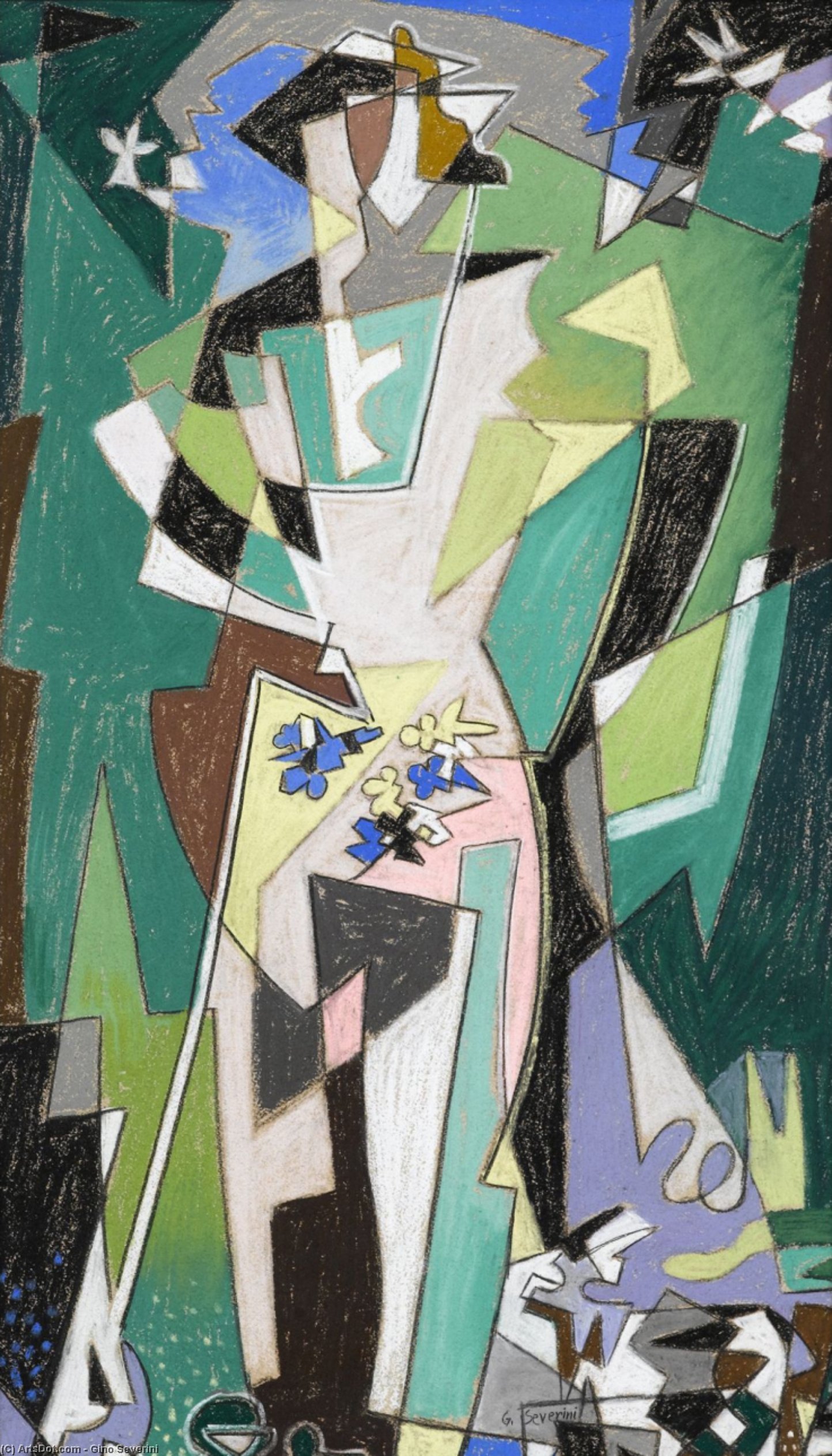
A spring


 Les mer
Kjøp et høyoppløselig, forbedret digitalt bilde med langt høyere kvalitet enn forhåndsvisningen på nettet.
Hver fil er omhyggelig klargjort av våre egne spesialister ved hjelp av avanserte verktøy og profesjonell manuell retusjering. Vi sørger for at hvert bilde har eksepsjonell klarhet, presis fargegjengivelse og fine detaljer.
Den endelige filen leveres via e-post innen 72 timer, optimalisert for umiddelbar bruk i profesjonelle, redaksjonelle og trykte miljøer. Dette er den samme kvaliteten som benyttes av ledende designstudioer, utgivere og gallerier.
Digitalt bilde
Last ned en høyoppløselig fil til personlig bruk, utskrift og kreative prosjekter. ( Bytt til trykkversjon Bestill håndmalt reproduksjon)
Inkludert i alle bestillinger av digitale bilder
Profesjonell digital levering, garantert
Når du velger OriginalUniqueArt.com, får du ikke bare et bilde – du mottar et profesjonelt etterbehandlet digitalt kunstverk, skapt med presisjon og med en garantert tilfredshetsgaranti. Her er alt som automatisk følger med din bestilling:

Rask levering på e-post
Din høyoppløselige digitale bildefil sendes til din e-post innen 72 timer etter bestilling – klar til umiddelbar bruk.

KI-forbedret digital fil
Ditt kunstverk blir profesjonelt optimalisert ved hjelp av avanserte AI-verktøy og manuell redigering, noe som sikrer maksimal detaljrikdom, klarhet og fargegjengivelse.

Gratis livslang nybestilling
Har du ved et uhell slettet eller mistet filen din? Ingen bekymring – vi sender den på nytt når som helst, helt gratis.

Ingen importavgifter – noen gang
Nyt ditt kunstverk umiddelbart uten toll, avgifter eller leveringskostnader – digitale nedlastinger er alltid avgiftsfrie.

Garantert fargenøyaktighet
Vi sikrer at det digitale bildet gjenspeiler de originale fargene så nøyaktig som mulig ved hjelp av profesjonelle verktøy og fargehåndtering.

100 dagers tilfredshetsgaranti
Hvis du ikke er fornøyd med ditt digitale bilde, vil vi revidere det eller refundere 100% innen 100 dager – uten spørsmål.

100% Penggaranti
Ikke fornøyd? Få full refusjon innen 100 dager etter at du har mottatt din digitale fil – uten spørsmål.

Rabatt ved storkjøp
Kjøp 3 bilder, spar 10% - Kjøp 5, spar 15% - Kjøp 10+, spar 20%. Ideelt for kreative prosjekter, gallerier og byråer.
Kunstnerbiografi
Early Life and the Seeds of Artistic Rebellion
Gino Severini emerged into the world on April 7, 1883, in the picturesque Tuscan town of Cortona, Italy. His beginnings were humble; his father a junior court official, his mother a dressmaker – a background that instilled in him both a sensitivity to form and an awareness of societal structures. Formal education proved ill-fitting for the young Severini’s restless spirit. Expelled at fifteen alongside classmates for a youthful indiscretion involving stolen exam papers, he found himself cast adrift from conventional schooling. This expulsion, however, wasn't a derailment but rather a catalyst, freeing him to pursue his burgeoning artistic inclinations independently while working as a shipping clerk. The move to Rome in 1899 marked a turning point; it was there, amidst the ancient ruins and vibrant street life, that he began formal art classes, quickly becoming captivated by the shimmering effects of Divisionism – a technique championed by artists like Giacomo Balla and Umberto Boccioni, who would soon become pivotal figures in his artistic journey. These formative years laid the essential groundwork for Severini’s eventual embrace of Futurism, igniting within him a desire to capture the dynamism of modern life.Embracing the Velocity of Futurism
The invitation to join Filippo Tommaso Marinetti and Umberto Boccioni in the burgeoning Futurist movement proved transformative for Severini. He became a signatory of the *Manifesto of the Futurist Painters* in 1910, aligning himself with a revolutionary ideology that celebrated speed, technology, and the intoxicating energy of modernity. This wasn’t merely an artistic choice; it was a philosophical commitment to shattering tradition and forging a new aesthetic language for a rapidly changing world. Severini played a crucial role in disseminating Futurist ideas internationally, notably organizing the movement's first exhibition outside Italy at Galerie Bernheim-Jeune in Paris in 1912. His work during this period, exemplified by paintings like *North-South* (1915), embodies the Futurist obsession with capturing motion and energy through fragmented forms and a vibrant, almost explosive palette. Unlike some of his colleagues who focused on machines, Severini often turned to urban scenes and dancers as subjects, reflecting his fascination with portraying the rhythms and sensations of modern life – the swirling skirts, the flashing lights, the pulsating crowds. He helped organize the first Futurist exhibition outside Italy at Galerie Bernheim-Jeune in Paris in 1912. His work during this period, exemplified by paintings like *North-South* (1915), embodies the Futurist obsession with capturing motion and energy through fragmented forms and a vibrant, almost explosive palette.A Synthesis of Styles: Cubism and Beyond
Severini’s artistic style was never confined by rigid dogma; it was a constantly evolving synthesis of influences. While deeply rooted in the Futurist aesthetic, his work also demonstrated a profound engagement with Cubism, particularly after his pivotal visit to Paris in 1911. He absorbed elements of geometric abstraction and fragmented perspectives, incorporating them into his compositions to create dynamic arrangements that conveyed a sense of simultaneity and movement. Artists like Umberto Boccioni, Carlo Carrà, and Giovanni Francesco Romanelli were significant influences, but Severini’s unique vision allowed him to forge his own path. *Waltz*, for instance, showcases this masterful fusion of styles – the swirling energy of dance rendered through a Cubist lens, resulting in a painting that feels both chaotic and harmonious. He continued to experiment with diverse artistic media, including mosaic and fresco, expanding his creative horizons beyond the canvas.Notable Achievements and Legacy
Severini’s contribution to Italian art history is undeniable. His pioneering exploration of Divisionism and Futurism established him as one of the foremost innovators of his time, shaping the trajectory of modern painting in Italy. His paintings—particularly *Dynamic Hieroglyph of the Bal Tabarin* (1912) and *The Boulevard* (1913)—remain iconic representations of Futurist aesthetics and continue to inspire artists today. Severini’s unwavering dedication to artistic experimentation, coupled with his ability to synthesize disparate styles into a cohesive visual language, cemented his place as a visionary artist who anticipated the stylistic developments of the 20th century. His legacy extends beyond individual artworks; it resides in his influence on subsequent generations of painters and sculptors, fostering a spirit of innovation and challenging conventional artistic norms. Gino Severini passed away in Paris on February 26, 1966, at the age of 83, leaving behind a rich and multifaceted body of work that continues to captivate audiences worldwide.
Gino Severini
1883 - 1966 , Italia
Kort om kunstneren
- Artistic Movement Or Style: Futurism, Cubism
- Artists Who Influenced This Artist:
- Giacomo Balla
- Umberto Boccioni
- Date Of Birth: 7 april 1883
- Date Of Death: 26 februar 1966
- Full Name: Gino Severini
- Nationality: Italian
- Notable Artworks:
- North-South
- Waltz
- Self-Portrait
- Place Of Birth: Cortona, Italia