Se i rommet
 Del som digitalt kort
 Del
Del
 Detaljer
 Studentguide

 Last ned
 Liknende objekter
 Røntgen
 Lysbildefremvisning
 Besøksstatistikk
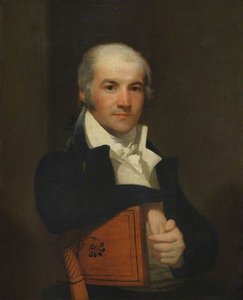
Sir Edward Thornton
 Akryl på lerret
- Veggkunst
- Neoclassicism
 1799
1799 74.0 x 61.0 cm
 Pembroke College
 Les mer
Giclée / Kunsttrykk
Giclée- eller lerretsprint av museumskvalitet med rask produksjon og fleksible valgmuligheter for etterbehandling. ( Bestill håndmalt reproduksjon Gå til digitalt bilde)




P118B Nkr10

P118H Nkr10

P118W Nkr10

P438Z Nkr10

P508JH Nkr12

P508YH Nkr12

P805H Nkr10

P805Z Nkr10

P919BZ Nkr10

P919G Nkr10

P919XJ Nkr10

P959ZH Nkr10

P968JZ Nkr12

W106C Nkr8

W218G Nkr10

W218JH Nkr8

W218Y Nkr10

W307PJ Nkr10

W316G Nkr10

W316PJ Nkr8

W316Y Nkr10

W398PJ Nkr8

W4111J Nkr10

W500HY Nkr15

W500JH Nkr15

W692G Nkr12

W849H Nkr8

W940BG Nkr15

W953PJ Nkr8




Velg mellom våre forhåndsdefinerte størrelser som bevarer kunstverkets opprinnelige proporsjoner.

Skriv inn bredden og høyden du trenger, slik at den passer til din ramme eller vegg. Et trykk kan kun beskjæres, aldri gjøres større enn bildet, så et format med en annen form vil miste en del av motivet. Vi sender deg en digital mockup for godkjenning før vi trykker noe som helst. Bildet som vises på denne siden viser ikke den faktiske beskjæringen — det er kun mockuppen som gjør det.
Verdensomspennende levering () på 2 uker i stedet for standard 4/5 uker. (22 October)

Gratis ekspressfrakt over hele verden

Lerretsduk av høykvalitets lin

Full transportforsikring

Garanti for refusjon av toll og importavgifter

Garantert fargeekthet

100 dagers returrett ved fabrikasjonsfeil

100% pengene tilbake-garanti

Mengderabatt
 Glassalternativet er kun tilgjengelig i størrelser under 110 cm

Sir Edward Thornton
Giclée / Kunsttrykk
Format på reproduksjon
-


Totalpris
Nkr 758
Sir Edward Thornton (1766–1852): A Portrait of Dignified Resolve
Gilbert Stuart’s depiction of Sir Edward Thornton stands as a testament to the Romantic ideal of dignified portraiture, capturing not merely likeness but also an inner spirit—a quiet contemplation that speaks volumes about the subject's character and status. Executed in 1799, this oil on canvas masterpiece resides within Pembroke College, Cambridge, bearing the accession number PD0094, a symbol of its enduring legacy within British art history.Subject Matter and Composition
The painting portrays Sir Edward Thornton, a prominent figure in British diplomacy during his time—specifically, Count of Cacilhas—with remarkable precision. Stuart skillfully renders Thornton’s face, emphasizing the subtle lines etched by experience and conveying an aura of serene composure. He is positioned centrally within the frame, holding what appears to be a book or sheet of paper, suggesting intellectual pursuits alongside official responsibilities. The inclusion of a wall behind Thornton adds depth to the composition, grounding the figure against a backdrop that subtly reinforces his position as a man of learning and influence.Stylistic Influences: Neoclassicism Revisited
Stuart’s approach aligns closely with the tenets of Neoclassicism, a movement that sought inspiration from classical antiquity—particularly Greek sculpture—to express moral virtue and rational thought. Unlike the exuberant Baroque style prevalent in earlier decades, Stuart opted for restraint and clarity, prioritizing anatomical accuracy and balanced proportions. This stylistic choice reflects the broader cultural climate of the late 18th century, where artists aimed to elevate portraiture beyond mere representation, striving instead to embody ideals of nobility and intellectual refinement.Technique and Detail
Stuart’s mastery is evident in his meticulous attention to detail—particularly in capturing Thornton's facial features and clothing. The artist employed a glazing technique, layering thin translucent washes of pigment over underpaintings to achieve luminous skin tones and subtle gradations of color. Careful brushwork contributes to the painting’s textural richness, conveying both the smoothness of Thornton’s attire and the contours of his face with remarkable subtlety. The artist's skillful manipulation of light and shadow enhances the dramatic effect of the portrait, emphasizing Thornton’s gaze—a direct address to the viewer that invites contemplation on his inner life.Historical Context: Diplomacy and Virtue
Painted during a period marked by significant political upheaval—the Napoleonic Wars—Thornton’s portrait serves as a visual embodiment of British values at the time. Stuart's depiction underscores the importance of intellect, moral integrity, and dignified bearing in upholding national honor amidst turbulent circumstances. The Count of Cacilhas was instrumental in securing Britain’s interests during these conflicts, demonstrating leadership qualities that were celebrated within the artistic circles of London. This artwork remains a poignant reminder of an era defined by both ambition and virtue—a timeless portrait capturing the essence of a distinguished statesman.Emotional Impact: Serenity Amidst Uncertainty
Ultimately, Sir Edward Thornton transcends mere visual representation; it communicates a profound sense of serenity amidst uncertainty. The subject’s gaze—steady yet thoughtful—suggests resilience and inner fortitude—qualities that resonate powerfully with viewers today. Stuart's ability to convey emotion through subtle gestures and facial expressions elevates the portrait beyond a simple likeness, transforming it into an enduring symbol of dignity and contemplation—a masterpiece that continues to inspire admiration for its artistic excellence and intellectual depth.Spørsmål og svar
Hvilken teknikk ble brukt for "Sir Edward Thornton", og når ble den laget?
"Sir Edward Thornton" ble laget i 1799, i Akryl på lerret.
Hvilken plassering passer til formatet på "Sir Edward Thornton" av Gilbert Stuart?
Portrettformat-formatet til "Sir Edward Thornton" av Gilbert Stuart anbefales for et Stue og oppholdsrom. Format og romfølelse fungerer sammen som en veiledning for plassering av en reproduksjon.
Er Gilbert Stuart, skaperen av "Sir Edward Thornton", kjent under andre navn?
Andre navn registrert for Gilbert Stuart, skaperen av "Sir Edward Thornton", inkluderer Gilbert Stewart.
Kunstnerbiografi
Gilbert Stuart: Et liv i portrettkunst
- Født: 3. desember 1755, Saunderstown, Rhode Island
- Død: 9. juli 1828, Boston, Massachusetts
- Nasjonalitet: Amerikansk
- Stilretning: Nyklassisisme
- Kjent for: Portrettmaleri, særlig portretter av fremtredende skikkelser i tidlig amerikansk historie.
Tidlig liv og utdanning
- Gilbert Stuart ble født inn i en familie med skotske røtter; hans far, også ved navn Gilbert, var en oppfinner som etablerte den første snusbønnen i Rhode Island.
- Hans kunstneriske talent kom til syne i ung alder, og han utviste eksepsjonelle ferdigheter allerede som barn.
- Som 14-åring malte han "Dr. Hunter's Spaniels", et verk som viste tidlig lovende potensial.
- Han reiste til Skottland rundt 1771 for å studere under Cosmo Alexander, men vendte tilbake etter Alexanders død i 1775.
- Videre opplæring fant sted i London hos Benjamin West, en fremtredende amerikansk maler bosatt i England, fra 1775 til 1780. Denne perioden var avgjørende for utviklingen av hans kunstneriske stil og for å vinne anerkjennelse innen Royal Academy.
Kunstnerisk karriere og hovedverker
- Stuarts karriere møtte utfordringer under den amerikanske revolusjonen, noe som førte til at han flyttet til England i 1775.
- Han oppnådde tidlig suksess med "The Skater" (1782), et portrett som etablerte hans rykte.
- Hans mest berømte verk er det ufullendte portrettet av George Washington, kjent som Athenaeum-portrettet (påbegynt i 1796). Dette bildet har blitt ikonisk og pryder både amerikanske pengesedler og frimerker. Stuart produserte en rekke kopier av dette portrettet for mæcener over hele Amerika og Europa.
- Han malte portretter av flere andre fremtredende skikkelser, inkludert John Adams, Thomas Jefferson, James Madison og mange medlemmer av den føderalistiske eliten.
- Stuarts stil var preget av en nyklassisk tilnærming, med vekt på realisme og evnen til å fange både likhet og karakter hos sine motiver. Han benyttet ofte en dramatisk bruk av lys og skygge for å forsterke portrettenes virkning.
Innflytelse og utvikling
- Cosmo Alexander ga ham den tidlige opplæringen i teknikk og komposisjon.
- Benjamin Wests innflytelse var betydelig og formet Stuarts forståelse av portrettkunst og kunstneriske prinsipper.
- Den nyklassiske bevegelsen, med sitt fokus på klassiske former og idealer, preget hans stil sterkt.
- Stuarts egne observasjoner og samspill med sine motiver bidro til den psykologiske dybden og realismen i hans portretter. Han etterstrebte ikke bare å fange et ytre utseende, men også karakteren og personligheten til de han malte.
Historisk betydning og arv
- Gilbert Stuart regnes som en av Amerikas fremste portrettmalere, og spilte en avgjørende rolle i å dokumentere de tidlige årene til USA.
- Athenaeum-portrettet av George Washington har blitt et varig symbol på amerikansk identitet og lederskap.
- Hans portretter gir verdifull historisk innsikt i livene og utseendet til fremtredende personer fra slutten av det 18. og begynnelsen av det 19. århundre.
- Stuarts verker er representert i store museer over hele USA og Europa, noe som sikrer at hans arv fortsetter å verdsettes av kommende generasjoner.
- Han etablerte en distinkt amerikansk portrettstil som forente europeiske teknikker med en unikt amerikansk sanselighet.

Gilbert Stuart
1755 - 1828 , Storbritannia
Kort om kunstneren
- Artistic Movement Or Style: Neoklassisisme
- Artists Or Movements Influenced By This Artist: ['George Washington']
- Artists Who Influenced This Artist:
- Cosmo Alexander
- Benjamin West
- Date Of Birth: December 3, 1755
- Date Of Death: July 9, 1828
- Full Name: Gilbert Charles Stuart
- Nationality: Amerikaner
- Notable Artworks:
- George Washington (The Athenaeum Portrait)
- John Adams
- Place Of Birth: North Kingstown, Rhode Island
Relaterte artikler
The Grandeur of Presence: Exploring Representations of Stately Bearing in Western Portraiture
Explore the art of stately bearing in Western portraiture with expert analysis of Renaissance & Baroque masterpieces. Discover symbolism, techniques, and the legacy of iconic portraits – a guide for discerning collectors.
Edward Hoppers 25 Mesterverk: En Reise i Amerikansk Realisme og Stemning | OriginalUniqueArt.no
Oppdag Edward Hoppers 25 mest ikoniske malerier! Fordyp deg i amerikansk realisme, lysets spill og stemningen av isolasjon. Finn kunsttrykk & inspirasjon til hjemmet ditt på OriginalUniqueArt.no – museumskvalitet for enhver smak.
John Graham Gilbert: Rediscovering a Victorian Master of Narrative & Portraiture
Discover the captivating world of John Graham Gilbert, a Victorian master! Explore his portraits, genre scenes & illustrations. Learn about his influences, legacy & find high-quality reproductions at OriginalUniqueArt.

The Enduring Legacy of Formal Portraiture: Power, Identity & Artistic Exploration
Explore the rich history of formal portraiture & its enduring power to capture identity and shape perception. Discover investment-worthy artworks, expert appraisals, and custom reproduction services at OriginalUniqueArt.

The Enduring Gaze: Portraiture's Historical & Psychological Evolution
Explore the rich history of portraiture with expert analysis from OriginalUniqueArt. Discover iconic Renaissance masterpieces, symbolism & techniques that shaped identity. Find museum-quality art for your collection.