
 Se i rommet
 Del som digitalt kort
 Del
Del
 Detaljer
 Studentguide

 Last ned
 Liknende objekter
 Røntgen
 Lysbildefremvisning
 Besøksstatistikk
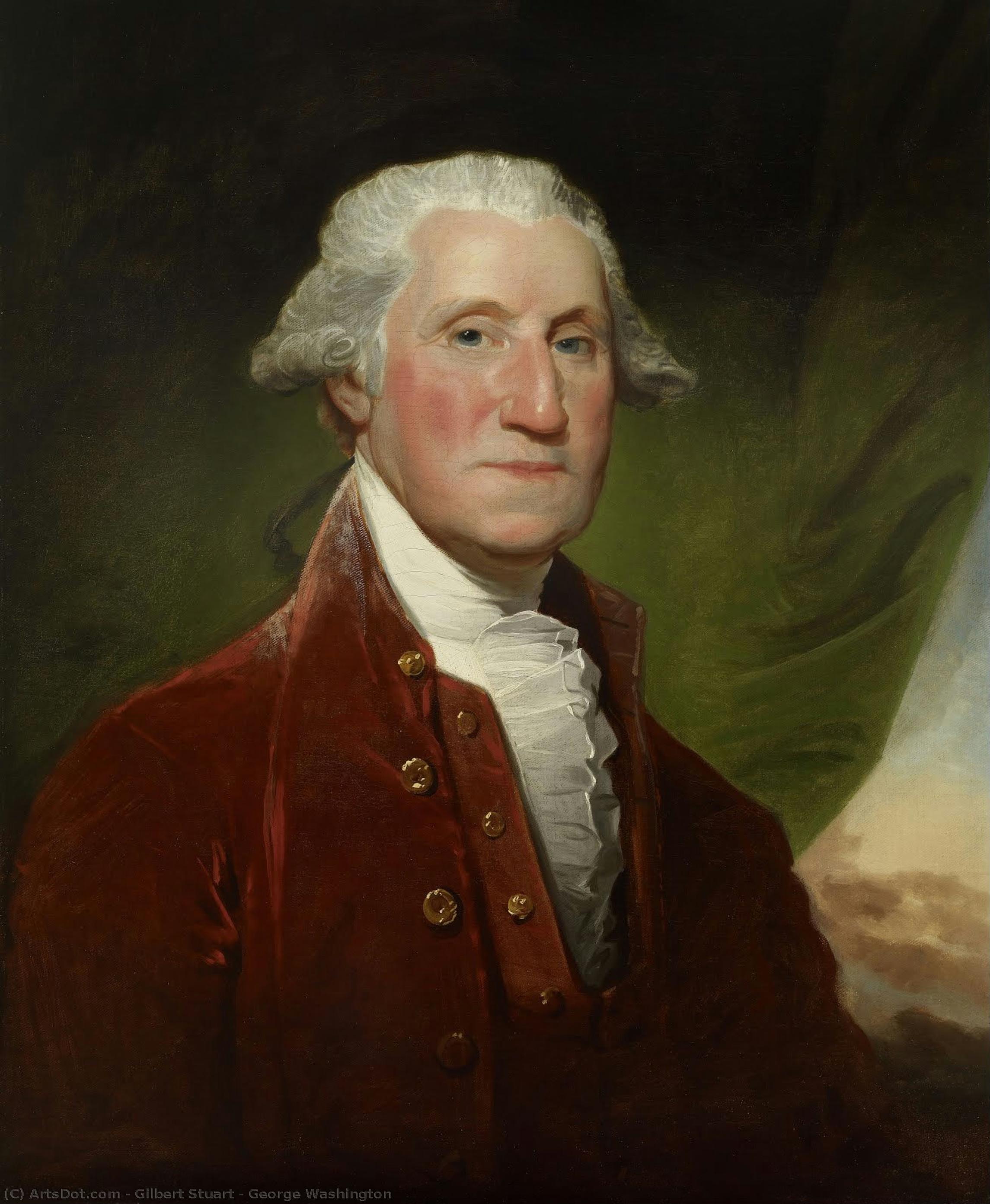
George Washington
 Acrylic On Canvas
- WallArt
- Neoclassical Portraiture
 1796
1796 74.0 x 61.0 cm
 The Frick Collection
 Les mer
Kjøp et høyoppløselig, forbedret digitalt bilde med langt høyere kvalitet enn forhåndsvisningen på nettet.
Hver fil er omhyggelig klargjort av våre egne spesialister ved hjelp av avanserte verktøy og profesjonell manuell retusjering. Vi sørger for at hvert bilde har eksepsjonell klarhet, presis fargegjengivelse og fine detaljer.
Den endelige filen leveres via e-post innen 72 timer, optimalisert for umiddelbar bruk i profesjonelle, redaksjonelle og trykte miljøer. Dette er den samme kvaliteten som benyttes av ledende designstudioer, utgivere og gallerier.
Digitalt bilde
Last ned en høyoppløselig fil til personlig bruk, utskrift og kreative prosjekter. ( Bytt til trykkversjon Bestill håndmalt reproduksjon)
Inkludert i alle bestillinger av digitale bilder
Profesjonell digital levering, garantert
Når du velger OriginalUniqueArt.com, får du ikke bare et bilde – du mottar et profesjonelt etterbehandlet digitalt kunstverk, skapt med presisjon og med en garantert tilfredshetsgaranti. Her er alt som automatisk følger med din bestilling:

Rask levering på e-post
Din høyoppløselige digitale bildefil sendes til din e-post innen 72 timer etter bestilling – klar til umiddelbar bruk.

KI-forbedret digital fil
Ditt kunstverk blir profesjonelt optimalisert ved hjelp av avanserte AI-verktøy og manuell redigering, noe som sikrer maksimal detaljrikdom, klarhet og fargegjengivelse.

Gratis livslang nybestilling
Har du ved et uhell slettet eller mistet filen din? Ingen bekymring – vi sender den på nytt når som helst, helt gratis.

Ingen importavgifter – noen gang
Nyt ditt kunstverk umiddelbart uten toll, avgifter eller leveringskostnader – digitale nedlastinger er alltid avgiftsfrie.

Garantert fargenøyaktighet
Vi sikrer at det digitale bildet gjenspeiler de originale fargene så nøyaktig som mulig ved hjelp av profesjonelle verktøy og fargehåndtering.

100 dagers tilfredshetsgaranti
Hvis du ikke er fornøyd med ditt digitale bilde, vil vi revidere det eller refundere 100% innen 100 dager – uten spørsmål.

100% Penggaranti
Ikke fornøyd? Få full refusjon innen 100 dager etter at du har mottatt din digitale fil – uten spørsmål.

Rabatt ved storkjøp
Kjøp 3 bilder, spar 10% - Kjøp 5, spar 15% - Kjøp 10+, spar 20%. Ideelt for kreative prosjekter, gallerier og byråer.
The Weight of Authority: Gilbert Stuart’s “George Washington”
Gilbert Stuart's "George Washington," painted in 1796, isn’t merely a portrait; it’s a carefully constructed embodiment of the nascent American republic. This remarkable work, now housed within the Frick Collection in New York City, transcends the simple act of representation and delves into the very essence of leadership, virtue, and the weighty responsibility of guiding a new nation. Stuart, a master of his craft, skillfully captures Washington’s dignified presence, imbuing him with an aura of both strength and quiet contemplation – qualities desperately needed in the years following the Revolutionary War.
The painting itself is a testament to Stuart's Neoclassical training, evident in its balanced composition and restrained palette. The muted tones of brown, gray, and green create a sense of gravitas, drawing the viewer’s eye directly to Washington’s face – a study in subtle expressions that convey both resolve and humility. The artist meticulously rendered every detail, from the texture of the fabric of his coat to the delicate lines etched by time around his eyes, revealing an almost obsessive attention to realism. Yet, it's not a literal depiction; Stuart employs chiaroscuro—the dramatic contrast between light and shadow—to sculpt Washington’s form and emphasize his importance within the scene.
A Portrait of a Nation Forged in Virtue
The historical context surrounding “George Washington” is crucial to understanding its significance. Painted just a few years after the end of the Revolutionary War, the portrait coincided with a fervent desire to establish a stable and virtuous government. Stuart’s decision to portray Washington in a formal, three-quarter pose – a departure from earlier, more informal depictions – immediately elevates him to the status of an ideal statesman. The red coat, a symbol of military honor, subtly references his role as commander-in-chief, while the white collar and cravat speak to his adherence to social decorum and respect for tradition.
Interestingly, this particular version – often referred to as the “Vaughan type” – differs slightly from other known portraits of Washington. The subtle shift in the color of the coat is a key distinguishing feature, suggesting that Stuart may have been experimenting with his technique or responding to specific requests from John Vaughan, one of the painting’s patrons. The background, a simple yet evocative landscape, reinforces the idea of Washington as a man deeply connected to the land and its future.
Symbolism Woven into the Canvas
Beyond the obvious symbolism of military rank and civic virtue, “George Washington” is rich with subtle visual cues. The careful arrangement of his hands – one resting on a book, a symbol of knowledge and wisdom, and the other holding a quill pen, representing his role as a writer and communicator – speaks to his commitment to education and informed governance. The slight furrow in his brow suggests a thoughtful consideration of the challenges facing the new nation, while his steady gaze conveys an unwavering determination to uphold its ideals.
Furthermore, the painting’s scale—measuring 74 x 61 cm—contributes to its impact. It's large enough to command attention and invite prolonged contemplation, reflecting the monumental task of building a new nation. The portrait wasn’t simply intended as a likeness; it was designed to inspire confidence and instill a sense of shared purpose within the American populace.
A Timeless Legacy for Art & Design
Gilbert Stuart's “George Washington” remains an enduring masterpiece, admired for its technical brilliance, historical significance, and profound emotional resonance. It’s a painting that speaks to the ideals upon which America was founded – liberty, justice, and self-governance – and continues to captivate viewers centuries later. Today, high-quality reproductions of this iconic portrait offer art enthusiasts and interior designers alike an opportunity to bring a touch of American history and enduring artistic excellence into their homes or offices. The painting’s dignified presence and subtle complexities make it a truly timeless addition to any collection.
Spørsmål og svar
Finnes det et faktablad om "George Washington" av Gilbert Stuart for studenter?
Veiledning-siden for "George Washington" av Gilbert Stuart tilbyr et utskrivbart faktaark på to sider: kunstverket med sin identitetstabell, en tidslinje som plasserer det i kunstnerens levetid, andre verk av kunstneren, den målte fargepaletten og ferdigformaterte kildehenvisninger i fire stiler.
Hva er dateringen og stilen til "George Washington" av Gilbert Stuart?
"George Washington" av Gilbert Stuart er datert 1796 og tilhører Neoclassical Portraiture.
Kan "George Washington" av Gilbert Stuart, som er en del av samlingen til The Frick Collection, reproduseres lovlig?
Originalen av "George Washington" befinner seg hos The Frick Collection, og verket er i det frie domene – opphavsretten har utløpt.
Kunstnerbiografi
Gilbert Stuart: Et liv i portrettkunst
- Født: 3. desember 1755, Saunderstown, Rhode Island
- Død: 9. juli 1828, Boston, Massachusetts
- Nasjonalitet: Amerikansk
- Stilretning: Nyklassisisme
- Kjent for: Portrettmaleri, særlig portretter av fremtredende skikkelser i tidlig amerikansk historie.
Tidlig liv og utdanning
- Gilbert Stuart ble født inn i en familie med skotske røtter; hans far, også ved navn Gilbert, var en oppfinner som etablerte den første snusbønnen i Rhode Island.
- Hans kunstneriske talent kom til syne i ung alder, og han utviste eksepsjonelle ferdigheter allerede som barn.
- Som 14-åring malte han "Dr. Hunter's Spaniels", et verk som viste tidlig lovende potensial.
- Han reiste til Skottland rundt 1771 for å studere under Cosmo Alexander, men vendte tilbake etter Alexanders død i 1775.
- Videre opplæring fant sted i London hos Benjamin West, en fremtredende amerikansk maler bosatt i England, fra 1775 til 1780. Denne perioden var avgjørende for utviklingen av hans kunstneriske stil og for å vinne anerkjennelse innen Royal Academy.
Kunstnerisk karriere og hovedverker
- Stuarts karriere møtte utfordringer under den amerikanske revolusjonen, noe som førte til at han flyttet til England i 1775.
- Han oppnådde tidlig suksess med "The Skater" (1782), et portrett som etablerte hans rykte.
- Hans mest berømte verk er det ufullendte portrettet av George Washington, kjent som Athenaeum-portrettet (påbegynt i 1796). Dette bildet har blitt ikonisk og pryder både amerikanske pengesedler og frimerker. Stuart produserte en rekke kopier av dette portrettet for mæcener over hele Amerika og Europa.
- Han malte portretter av flere andre fremtredende skikkelser, inkludert John Adams, Thomas Jefferson, James Madison og mange medlemmer av den føderalistiske eliten.
- Stuarts stil var preget av en nyklassisk tilnærming, med vekt på realisme og evnen til å fange både likhet og karakter hos sine motiver. Han benyttet ofte en dramatisk bruk av lys og skygge for å forsterke portrettenes virkning.
Innflytelse og utvikling
- Cosmo Alexander ga ham den tidlige opplæringen i teknikk og komposisjon.
- Benjamin Wests innflytelse var betydelig og formet Stuarts forståelse av portrettkunst og kunstneriske prinsipper.
- Den nyklassiske bevegelsen, med sitt fokus på klassiske former og idealer, preget hans stil sterkt.
- Stuarts egne observasjoner og samspill med sine motiver bidro til den psykologiske dybden og realismen i hans portretter. Han etterstrebte ikke bare å fange et ytre utseende, men også karakteren og personligheten til de han malte.
Historisk betydning og arv
- Gilbert Stuart regnes som en av Amerikas fremste portrettmalere, og spilte en avgjørende rolle i å dokumentere de tidlige årene til USA.
- Athenaeum-portrettet av George Washington har blitt et varig symbol på amerikansk identitet og lederskap.
- Hans portretter gir verdifull historisk innsikt i livene og utseendet til fremtredende personer fra slutten av det 18. og begynnelsen av det 19. århundre.
- Stuarts verker er representert i store museer over hele USA og Europa, noe som sikrer at hans arv fortsetter å verdsettes av kommende generasjoner.
- Han etablerte en distinkt amerikansk portrettstil som forente europeiske teknikker med en unikt amerikansk sanselighet.

Gilbert Stuart
1755 - 1828 , Storbritannia
Kort om kunstneren
- Artistic Movement Or Style: Neoklassisisme
- Artists Or Movements Influenced By This Artist: ['George Washington']
- Artists Who Influenced This Artist:
- Cosmo Alexander
- Benjamin West
- Date Of Birth: December 3, 1755
- Date Of Death: July 9, 1828
- Full Name: Gilbert Charles Stuart
- Nationality: Amerikaner
- Notable Artworks:
- George Washington (The Athenaeum Portrait)
- John Adams
- Place Of Birth: North Kingstown, Rhode Island