
 Forhåndsvisning
 Send
Send Del
Del
 Vis detaljer
 Utskriftsvennlig guide

 Last ned bilde
 Liknende objekter
 Røntgenundersøkelse
 Lysbildefremvisning
 Q&A
Q&A Statistikk
St Lambert Reliquary


 Vis hele teksten
Giclée / Kunsttrykk
Giclée- eller lerretsprint av museumskvalitet med rask produksjon og fleksible valgmuligheter for etterbehandling. ( Kjøp håndmalt maleri Bytt til digitalt bilde)




































Velg mellom våre forhåndsdefinerte størrelser som bevarer kunstverkets opprinnelige proporsjoner.

Skriv inn ønsket bredde og høyde for å tilpasse trykket til din ramme eller vegg. Et trykk kan kun beskjæres, aldri skaleres opp utover motivets opprinnelige størrelse, noe som betyr at et format med andre proporsjoner vil føre til tap av deler av bildet. Vi sender deg en digital mockup for godkjenning før vi starter trykkeprosessen. Bildet som vises på denne siden viser ikke den faktiske beskjæringen — det er kun mockuppen som viser dette.
Verdensomspennende levering () på 2 uker i stedet for standard 4/5 uker. (3 November)

Gratis ekspressfrakt over hele verden

Lerretsduk av lin av høy kvalitet

Full transportforsikring

Garanti for refusjon av toll og importavgifter

Garantert fargegjengivelse

100 dagers returrett ved fabrikasjonsfeil

100% pengene tilbake-garanti

Rabatt ved flere kjøp
 Glassalternativet er kun tilgjengelig i størrelser under 110 cm

St Lambert Reliquary
Giclée / Kunsttrykk
Størrelse på reproduksjon
-


Totalpris for valgte alternativer
Nkr 769
Om kunstneren
Gerard Loyet: A Master of Late Gothic Splendor
Gerard Loyet (c. 1466 – 1503) stands as a beacon of artistic innovation within the waning years of the Burgundian Netherlands and the burgeoning Renaissance, embodying the complex interplay between tradition and experimentation that characterized European art during this transformative period. Born in Ghent, Loyet’s formative years coincided with the decline of Burgundian rule and the gradual ascendancy of humanist ideals – influences that profoundly shaped his artistic vision and cemented his place as one of the most celebrated goldsmiths of his time.- Early Life & Training: Little is known definitively about Loyet’s early life, but he apprenticed under Jan van Eyck in Ghent, arguably the most influential artist of the Burgundian era. This association instilled within him a meticulous attention to detail and an unwavering commitment to realism – qualities that would become hallmarks of his distinctive style.
- The St. Lambert Reliquary: Loyet’s magnum opus—the St. Lambert Reliquary—completed in 1467—represents the pinnacle of late Gothic artistry. Commissioned by Bishop Jean II Briquemont, this monumental bronze sculpture depicts Saint Lambert, the patron saint of Ghent, kneeling before Christ – a poignant depiction of piety and devotion. The intricate craftsmanship involved in its creation is breathtaking: every surface is adorned with painstakingly sculpted foliage, drapery folds, and miniature figures, demonstrating Loyet’s mastery of sculptural technique and his profound understanding of symbolic representation.
Stylistic Innovation & Artistic Influences
Loyet's work distinguishes itself from its contemporaries through a remarkable fusion of Gothic formalism with Renaissance humanist sensibilities. While retaining the characteristic grandeur and stylized drapery of late Gothic sculpture—inherited directly from predecessors like Claus Sluter—Loyet skillfully incorporated elements of perspective and anatomical accuracy, reflecting the burgeoning interest in naturalism that was gaining momentum across Europe. His artistic influences extended beyond his Ghent apprenticeship; he traveled extensively throughout Italy during the 1490s, immersing himself in the humanist ideals championed by artists such as Piero della Francesca and Andrea Mantegna. This exposure undoubtedly fueled his desire to depict human figures with greater realism and psychological depth – a departure from the idealized representations prevalent in earlier Gothic art.Notable Commissions & Artistic Legacy
Loyet’s reputation soared during his lifetime, securing him prestigious commissions from ecclesiastical patrons throughout Flanders and Brabant. He crafted numerous altarpieces and liturgical objects—including candlesticks and chalices—demonstrating his versatility as an artist and cementing his status as a leading figure in the Flemish artistic milieu. Loyet's meticulous attention to detail and profound understanding of symbolism ensured that his creations would endure for centuries, inspiring subsequent generations of sculptors and artisans. His St. Lambert Reliquary remains a testament to the enduring power of art to convey spiritual meaning and aesthetic beauty—a masterpiece that continues to captivate audiences today.Rediscovery & Recognition
Loyet’s work largely faded from view after his death in 1503, overshadowed by the artistic fervor of the Renaissance. However, a revival of interest in Gothic art during the Romantic era prompted renewed scholarly attention to Loyet's oeuvre—particularly following the rediscovery of several sculptures attributed to him in the Musée Baron Gérard in Bayeux. Today, Loyet is recognized as one of the foremost sculptors of his time – an artist who skillfully bridged the gap between tradition and innovation, leaving behind a legacy that continues to inspire admiration and scholarly debate.
Gerard Loyet
1466 - 1503 , Netherlands
Kort om kunstneren
- Full Name: Gerard Loyet
- Nationality: Dutch
- Date Of Birth: 1466
- Date Of Death: 1503
- Place Of Birth: Netherlands
- Notable Artworks: ['St Lambert Reliquary']
- Artistic Movement Or Style: Late Gothic Art
- Artists Or Movements Influenced By This Artist: ['Caravaggio']
Relaterte artikler

The Enduring Legacy of Bronze: A Historical & Artistic Exploration for the Collector
Explore the rich history & enduring appeal of bronze sculpture with expert insights for collectors at OriginalUniqueArt. Learn about casting techniques, iconic artists, collecting tips & contemporary interpretations.
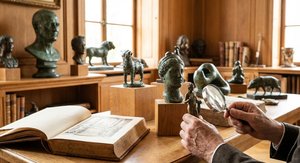
The Enduring Legacy of Bronze Sculpture: A Collector's Guide to Form & Cultural Significance
Explore the rich history & enduring appeal of bronze sculpture with expert insights for collectors at OriginalUniqueArt. Learn about casting techniques, iconic artists, and collecting tips to build a discerning art collection.

The Enduring Legacy of Bronze: History, Technique & Artistic Expression for the Collector
Explore the rich history & enduring appeal of bronze sculpture with expert insights for collectors at OriginalUniqueArt. Learn about casting techniques, iconic artists, and collecting tips.

Bronzens Mesterverk: 10 Skulpturer Som Forandret Kunsthistorien | OriginalUniqueArt
Oppdag 10 legendariske bronse skulpturer som revolusjonerte kunsthistorien! Fra Michelangelo til Rodin – lær om teknikker, historier og tidløs skjønnhet. Finn museumskvalitets reproduksjoner & interiørinspirasjon på OriginalUniqueArt.com.

Bronseklassikere: 10 skulpturer som revolusjonerte kunsten | OriginalUniqueArt
Utforsk 10 legendariske bronseskulpturer som formet kunsthistorien! Fra Rodin til Michelangelo – oppdag historiene, teknikkene og skjønnheten bak tidløse mesterverk. Finn din perfekte veggkunst eller interiørdekor på OriginalUniqueArt.com.