

 Forhåndsvisning
 Send
Send Del med andre
 Vis detaljer

 Last ned bildet
 Liknende objekter
 Røntgenundersøkelse
 Lysbildefremvisning
William Metcalfe
 Contemporary Realism
 1821
1821 127.0 x 102.0 cm
 Vis hele teksten
Håndlaget oljereproduksjon
Håndmalt olje på lerret i din valgte størrelse og ramme, laget på bestilling av våre kunstnere. ( Bytt til trykk Bytt til bilde)




































Velg mellom våre forhåndsdefinerte størrelser som bevarer kunstverkets opprinnelige proporsjoner.

Du kan angi egne mål for å tilpasse en spesifikk ramme eller plass. Dersom den valgte størrelsen ikke samsvarer med originalbildets proporsjoner, vil vi enten beskjære kunstverket eller utvide maleriet med ytterligere håndmalte elementer. En digital mockup vil bli sendt til din godkjenning før produksjonen starter.
Vennligst merk at forhåndsvisningen på skjermen ikke gjenspeiler den faktiske beskjæringen eller utvidelsen. Kun mockuppen vil vise den endelige komposisjonen nøyaktig.
Selv om tilpassede størrelser er tilgjengelige, anbefaler vi å velge et mål fra den forhåndsdefinerte listen for å bevare de originale proporsjonene.
Etter bestilling vil OriginalUniqueArt.com-teamet sende e-post til kunden for instruksjoner og sende et utkast (mockup) som forhåndsvisning.
Verdensomspennende levering () på 3–4 uker i stedet for standard 5 uker. (10 August). Ingen kompromisser med kvaliteten.

Gratis ekspressfrakt over hele verden

Lerretsduk av høykvalitets lin

Full forsikring under transport

Garanti for refusjon av toll og importavgifter

Garantert korrekt fargegjengivelse

60 dagers returrett (kun ved feil)

100% pengene tilbake-garanti

Rabatt ved flere kjøp
 Glassalternativet er kun tilgjengelig i størrelser under 110 cm

William Metcalfe
Teknikk for reproduksjon
Størrelse på reproduksjon
-


Endelig pris
$ 300
Om kunstneren
George Watson (1767 – 1837): A Pioneer of Scottish Portraiture
George Watson was a pivotal figure in the artistic landscape of Scotland during the late Georgian and early Victorian eras, establishing himself as one of the foremost portrait painters of his time. Born in Edinburgh around 1767, he possessed an innate talent for capturing likenesses with remarkable accuracy and subtlety—a skill that quickly garnered him recognition within the burgeoning Scottish art scene. His career spanned over seven decades, during which he produced a prolific body of work characterized by its refined style and meticulous attention to detail.Early Life and Artistic Training
Watson’s formative years were marked by exposure to influential artistic currents circulating in Edinburgh. He apprenticed under John Ramsay, a celebrated Scottish landscape painter who instilled in Watson a deep appreciation for tonal harmony and atmospheric perspective—techniques that would become hallmarks of his distinctive approach to portraiture. Ramsay's guidance fostered Watson’s understanding of how to convey emotion through color and form, shaping him into an artist deeply attuned to the psychological complexities inherent in human subjects. Furthermore, Watson studied briefly at the Royal Academy in London, broadening his artistic horizons and exposing him to European stylistic innovations prevalent during that period.Watson's Artistic Style and Technique
Watson’s artistic style distinguished itself from its contemporaries through a commitment to tonal gradation—a technique whereby he skillfully blended shades of color to create illusions of depth and volume within his canvases. Unlike many artists who favored brighter palettes, Watson prioritized muted hues, favoring browns, greys, and ochres to achieve an understated elegance that perfectly complemented the solemn dignity of his subjects. He meticulously rendered textures with painstaking precision, utilizing glazing techniques—applying thin layers of translucent paint over subsequent coats—to build up surfaces with remarkable realism. This meticulous approach demanded considerable patience and skill, resulting in portraits imbued with a palpable sense of presence and psychological insight.Notable Commissions and Artistic Achievements
Watson’s reputation grew steadily throughout his lifetime thanks to numerous prestigious commissions from aristocratic families and prominent figures across Scotland. He painted portraits of members of the Scottish aristocracy—including Earl Grey, Lord Melville, and Sir William Wallace—capturing their likenesses with unwavering fidelity while simultaneously conveying their character and bearing. His work extended beyond portraiture into genre scenes depicting domestic interiors and landscapes, demonstrating his versatility as an artist. Among his most celebrated achievements was his depiction of Elizabeth Oliver, the wife of John Singleton Copley—a painting that exemplifies Watson’s mastery of tonal harmony and psychological observation. This masterpiece remains a testament to his artistic vision and enduring legacy.Legacy and Historical Significance
George Watson's influence on Scottish art history is undeniable. He championed a style rooted in observation and restraint, establishing himself as a pioneer of Scottish portraiture—a genre that would flourish throughout the Victorian era. His meticulous technique and unwavering dedication to capturing human emotion solidified his place among Scotland’s artistic luminaries. Watson’s paintings continue to be admired for their beauty and psychological depth, serving as invaluable records of the social and cultural milieu of his time. He is remembered not merely as a skilled painter but as an artist who profoundly shaped the aesthetic sensibilities of his era—a legacy that persists to this day.
george watson
1767 - 1837
Kort om kunstneren
- Artistic Movement Or Style: Neoclassical
- Artists Who Influenced This Artist:
- Joshua Reynolds
- Benjamin West
- Date Of Birth: 1767
- Date Of Death: 1837
- Full Name: George Watson
- Nationality: Scottish
- Notable Artworks:
- The Duchess of Sutherland
- Portrait of William Lyon Mackenzie
- Place Of Birth: Edinburgh, Scotland
Relaterte artikler
Å gjenskape kongelig verdighet: Bestilling av historiske portretter i det 21. århundre – en utforskning av identitet og arv
Bestill et unikt historisk portrett malt av dyktige kunstnere! Vi skaper varige minner og arvestykker – fra foto til mesterverk. Ekspertveiledning & høy kvalitet.
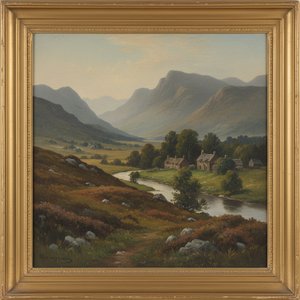
Sir John Watson Gordon: A Study in Scottish Landscape Painting & Tonal Impressionism
Explore the captivating portraits of Sir John Watson Gordon, a leading Scottish master. Discover his evolution from neoclassical style to atmospheric Tonalism and influence on 19th-century British art. Learn about his iconic sitters & legacy.
From Imagination to Canvas: Commissioning Bespoke Fantasy Art with Traditional Oil Painting Techniques
Commission breathtaking bespoke fantasy art with skilled oil painters. Explore techniques, artist selection & preservation tips. Invest in a unique masterpiece today!
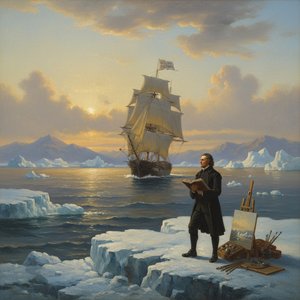
William Bradford: Navigating Faith, Landscape & Artistic Innovation in Early American Painting
Explore the captivating world of William Bradford, American Romanticist painter renowned for his dramatic Arctic seascapes & ship portraits. Discover his artistic evolution, influences, and lasting legacy with OriginalUniqueArt.
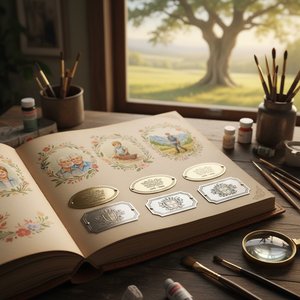
Minnesmerket i Rammen: Navneplaten som Fullender Kunstverkets Fortelling og Varige Verdi
Forvandl dine kjæreste minner til håndmalte mesterverk hos OriginalUniqueArt. Eksklusiv kvalitet, personlig service og 100% fornøydgaranti. Skap et varig arvestykke – enkelt og trygt!

