

 Se i rommet
 Del som digitalt kort
 Del
Del
 Detaljer
 Studentguide

 Last ned
 Liknende objekter
 Røntgen
 Lysbildefremvisning
 Besøksstatistikk
The Fall of Phaëton
 Oil On Canvas
- WallArt
- Romanticism
 1777
1777 97.0 x 122.0 cm
 National Trust
 Les mer
Giclée / Kunsttrykk
Giclée- eller lerretsprint av museumskvalitet med rask produksjon og fleksible valgmuligheter for etterbehandling. ( Bestill håndmalt reproduksjon Gå til digitalt bilde)




P118B Nkr10

P118H Nkr10

P118W Nkr10

P438Z Nkr10

P508JH Nkr12

P508YH Nkr12

P805H Nkr10

P805Z Nkr10

P919BZ Nkr10

P919G Nkr10

P919XJ Nkr10

P959ZH Nkr10

P968JZ Nkr12

W106C Nkr8

W218G Nkr10

W218JH Nkr8

W218Y Nkr10

W307PJ Nkr10

W316G Nkr10

W316PJ Nkr8

W316Y Nkr10

W398PJ Nkr8

W4111J Nkr10

W500HY Nkr15

W500JH Nkr15

W692G Nkr12

W849H Nkr8

W940BG Nkr15

W953PJ Nkr8




Velg mellom våre forhåndsdefinerte størrelser som bevarer kunstverkets opprinnelige proporsjoner.

Skriv inn bredden og høyden du trenger, slik at den passer til din ramme eller vegg. Et trykk kan kun beskjæres, aldri gjøres større enn bildet, så et format med en annen form vil miste en del av motivet. Vi sender deg en digital mockup for godkjenning før vi trykker noe som helst. Bildet som vises på denne siden viser ikke den faktiske beskjæringen — det er kun mockuppen som gjør det.
Verdensomspennende levering () på 2 uker i stedet for standard 4/5 uker. (26 October)

Gratis ekspressfrakt over hele verden

Lerretsduk av høykvalitets lin

Full transportforsikring

Garanti for refusjon av toll og importavgifter

Garantert fargeekthet

100 dagers returrett ved fabrikasjonsfeil

100% pengene tilbake-garanti

Mengderabatt
 Glassalternativet er kun tilgjengelig i størrelser under 110 cm

The Fall of Phaëton
Giclée / Kunsttrykk
Format på reproduksjon
-


Totalpris
Nkr 760
A Collision of Myth and Mastery: Unveiling George Stubbs’s ‘The Fall of Phaëton’
George Stubbs's “The Fall of Phaëton,” painted in 1777, isn’t merely a depiction of a Greek myth; it’s a visceral experience. This monumental canvas, now residing within the National Trust at Saltram, transcends its narrative origins to become a profound meditation on power, destruction, and the sublime beauty of chaos. Stubbs, a revolutionary figure in 18th-century art, deliberately eschewed the idealized forms favored by his contemporaries, instead opting for an anatomical realism that bordered on the unsettling, particularly when applied to subjects as grand and terrifying as the sun god’s son attempting to wrest control from his father.
The scene unfolds with breathtaking dynamism. Phaeton, a young man consumed by ambition and perhaps hubris, is shown at the apex of his disastrous journey – driving the chariot of the sun across the heavens. His face, contorted in panic and exertion, reflects the impending doom that threatens to engulf him and all beneath. The horses themselves are rendered with astonishing detail, their muscular forms straining against the reins, each a testament to Stubbs’s meticulous study of equine anatomy. The composition is dominated by diagonals – the sweeping arc of the chariot, the downward plunge of the thunderbolts, and the frantic movement of the steeds – creating a sense of relentless forward momentum that pulls the viewer directly into the heart of the drama.
Anatomy as Revelation: Stubbs’s Scientific Approach
Stubbs's commitment to anatomical accuracy was legendary. His fascination with the inner workings of animals, fueled by his time dissecting horses at York County Hospital, informed every brushstroke. “The Fall of Phaëton” is a prime example of this approach; Stubbs didn’t simply paint a horse; he painted its very essence – the sinews beneath the skin, the skeletal structure supporting the musculature, and the intricate network of veins pulsing with life. This dedication to realism was considered radical at the time, challenging the prevailing artistic conventions that prioritized idealized beauty over scientific observation.
The painting’s color palette further enhances its dramatic effect. Stark contrasts between light and shadow – a consequence of Stubbs's masterful use of chiaroscuro – heighten the sense of urgency and impending disaster. The fiery hues of the sun chariot are juxtaposed against the deepening blues and purples of the approaching night, symbolizing the irreversible shift from day to darkness. The subtle gradations of color within each figure’s form contribute to a remarkable sense of volume and depth, drawing the viewer into the scene with an almost unsettling immediacy.
Mythic Symbolism and Emotional Resonance
Beyond its technical brilliance, “The Fall of Phaëton” is rich in symbolic meaning. The myth itself speaks to themes of unchecked ambition, divine retribution, and the consequences of defying fate. Phaeton’s downfall serves as a cautionary tale against hubris and a reminder that even those blessed with extraordinary power are ultimately subject to mortality. The figures surrounding the event – the Heliades, transformed into poplar trees in mourning for their brother, and Cycnus, hiding his face in despair – amplify this sense of loss and tragedy.
However, the painting transcends mere allegory. It evokes a profound emotional response—a mixture of awe, terror, and pity. The sheer scale of the scene, combined with Stubbs’s dramatic composition and masterful use of color, creates an overwhelming sensory experience that leaves the viewer breathless. “The Fall of Phaëton” is not simply a depiction of a myth; it's a powerful meditation on human nature, the forces of destruction, and the enduring beauty of tragedy—a timeless masterpiece that continues to captivate audiences centuries after its creation.
A Legacy Enduring: Reproductions and Artistic Inspiration
Reproductions of “The Fall of Phaëton” offer a remarkable opportunity to experience Stubbs’s artistic vision firsthand. Whether displayed in a grand salon or a more intimate setting, this painting commands attention with its dramatic intensity and technical brilliance. Collectors appreciate the work's historical significance, scientific rigor, and enduring aesthetic appeal. Interior designers often incorporate reproductions into spaces seeking to evoke a sense of grandeur, drama, and intellectual curiosity – a testament to Stubbs’s lasting influence on art history.
Spørsmål og svar
Fra hvilket land kommer Romanticism-verket "The Fall of Phaëton"?
"The Fall of Phaëton" ble skapt av George Stubbs, født i Storbritannia, innenfor Romanticism-bevegelsen. Kunstnerens opprinnelse knytter verket til Romanticism slik det praktiseres av kunstnere fra Storbritannia.
Hvordan kan "The Fall of Phaëton" av George Stubbs brukes i interiøret?
"The Fall of Phaëton" anbefales til Statement, og det anbefalte rommet er et Living Room.
Hvilken størrelse anbefales for "The Fall of Phaëton" i et Living Room?
For et Living Room er anbefalt trykkstørrelse for "The Fall of Phaëton" av George Stubbs Large.
Kunstnerbiografi
early life and training
George Stubbs, en høyt verdsatt engelsk maler, ble født i Liverpool den 25. august 1724. Hans tidlige liv er preget av relativt sparsomme opplysninger, og de fleste detaljer stammer fra Ozias Humphrys memoarer, basert på samtaler med Stubbs selv rundt 1794 – da han var 70 år gammel. Stubbs begynte sin kunstneriske reise som bare 15-åring, og arbeidet først under sin far, en kurier eller skinnarbeider. Senere søkte han veiledning fra Hamlet Winstanley, en lancastersk maler og graver, for et kortvarig læreforhold. Dette korte oppholdet ga ham tilgang til og studium av samlingen på Knowsley Hall. Stubbs’s tidlige interesse lå i anatomi, noe som førte til at han flyttet til York i 1744, hvor han studerte under kirurg Charles Atkinson ved York County Hospital. En av hans tidligste kjente arbeider er et sett med illustrasjoner for John Burtons lærebok om fødselshjelp, publisert i 1751.artistic development and notable works
Stubbs’s lidenskap for anatomi drev ham til York, hvor han studerte under kirurg Charles Atkinson ved York County Hospital. En av hans tidligste arbeider er et sett med illustrasjoner for John Burtons lærebok om fødselshjelp, publisert i 1751. I 1756 leide Stubbs en gårdshus i Lincolnshire og brukte 18 måneder på å dissekere hester, assistert av sin samboer, Mary Spencer. Dette førte til utgivelsen av *Anatomien av hesten* i 1766, med originale tegninger som nå er oppbevart på Royal Academy. Stubbs’s arbeid ble raskt anerkjent av ledende aristokratiske mecenater, inkludert den 3. hertugen av Richmond, som bestilte tre store malerier i 1759. Dette markerte starten på hans vellykkede karriere, med verk produsert for flere hovsdruker og adelsmenn, og kulminerte i kjøpet av et hus i Marylebone, London. Stubbs’s mest kjente arbeid, *Whistlejacket*, en maleri av en prangende hest bestilt av den 2. marki av Rockingham, er nå utstilt på National Gallery i London. Dette og to andre malerier for Rockingham bryter med tradisjonen ved å inkludere enkle bakgrunner. *Whistlejacket*, en thoroughbred hest som reiser på sine bakbein, viser Stubbs’s upåklagelige ferdigheter til å fange essensen av hester. Stubbs’s serie malerier om en løve som angriper en hest er tidlige eksempler på den romantiske bevegelsen, og demonstrerer hans innflytelse på 18-tallets kunst.influence and legacy
Stubbs’s malerier av hester er blant de mest nøyaktige noensinne malt, men hans verk er også lyriske og overskrider den naturlige representasjonen. Han var en pioner innen romantikken, og hans arbeid har inspirert generasjoner kunstnere. Hans evne til å fange hestens kraft, eleganse og følelser var uten sidestykke. I tillegg til hester malte Stubbs også andre dyr, inkludert elg, rhinoceros, zebra og et utall hunder. Han eksperimenterte med teknikker som bruk av enamel på keramiske flater, noe som var innovativt for sin tid. Stubbs’s kunst er fortsatt studert og beundret i dag, og hans verk fortsetter å inspirere og fascinere kunstentusiaster over hele verden. Hans bidrag til hestemaleri er uten sidestykke, og hans malerier vil alltid bli husket som eksempler på mesterskap og kreativitet.additional information
George Stubbs var en mann av mange interesser og talenter. Han var ikke bare en dyktig maler, men også en anatomisk forsker, en tekniker og en samler. Hans arbeid reflekterer hans nysgjerrighet, hans lidenskap for kunsten og hans ønske om å forstå verden rundt ham.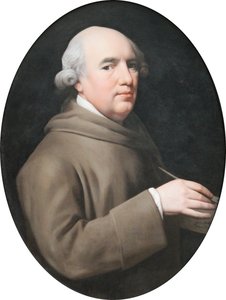
George Stubbs
1724 - 1806 , Storbritannia
Kort om kunstneren
- Artistic Movement Or Style: Romantikk, Heste kunst
- Artists Or Movements Influenced By This Artist: ['Joshua Reynolds']
- Artists Who Influenced This Artist: ['Hamlet Winstanley']
- Date Of Birth: 25. august 1724
- Date Of Death: 10. juli 1806
- Full Name: George Stubbs
- Nationality: Britisk
- Notable Artworks:
- Whistlejacket
- Løve angriper hest
- Anatomi av hesten
- Place Of Birth: Liverpool, Storbritannia
Relaterte artikler
Timeless Legends: A Curated Guide to the Eternal Allure of Mythological Masterpieces
Embark on a sophisticated journey through the eternal allure of mythological art. Discover how master painters breathe life into ancient legends, from Greek deities to Baroque masterpieces, and learn to curate these timeless narratives within your own exquisite art collection.
George Stubbs: Anatomical Precision & Romantic Vision in 18th-Century British Art
Explore the captivating world of George Stubbs, the 18th-century master renowned for his anatomical precision & Romantic animal paintings. Discover his legacy and investment potential.
Echoes of Olympus: Mythological Narratives in Western Art Through the Ages
Explore the captivating history of mythological narratives in Western art! From ancient Greece to modern masterpieces, discover iconic artworks & symbolism. Expert analysis and high-quality reproductions at OriginalUniqueArt.
The Noble Steed: A Historical and Artistic Exploration of Horses in Fine Art
Explore the rich history of horses in fine art! From ancient depictions to Renaissance masterpieces & beyond, discover iconic artworks and artists. Learn about symbolism, techniques, and find museum-quality reproductions at OriginalUniqueArt.
The Noble Steed on Canvas: A Historical & Artistic Exploration of Horse Painting Across Cultures
Explore the rich history of horse painting! Discover masterpieces from Stubbs to Munnings & learn about symbolism, techniques & artists. Find museum-quality reproductions at OriginalUniqueArt.


