
 Forhåndsvisning
 Send
Send Del
Del
 Vis detaljer
 Utskriftsvennlig guide

 Last ned bilde
 Liknende objekter
 Røntgenundersøkelse
 Lysbildefremvisning
 Spørsmål og svar
 Statistikk
Lord Grosvenor

- 99.0 x 83.0 cm


 Vis hele teksten
Giclée / Kunsttrykk
Giclée- eller lerretsprint av museumskvalitet med rask produksjon og fleksible valgmuligheter for etterbehandling. ( Kjøp håndmalt maleri Bytt til digitalt bilde)




P118B Nkr10

P118H Nkr10

P118W Nkr10

P438Z Nkr10

P508JH Nkr12

P508YH Nkr12

P805H Nkr10

P805Z Nkr10

P919BZ Nkr10

P919G Nkr10

P919XJ Nkr10

P959ZH Nkr10

P968JZ Nkr12

W106C Nkr8

W218G Nkr10

W218JH Nkr8

W218Y Nkr10

W307PJ Nkr10

W316G Nkr10

W316PJ Nkr8

W316Y Nkr10

W398PJ Nkr8

W4111J Nkr10

W500HY Nkr15

W500JH Nkr15

W692G Nkr12

W849H Nkr8

W940BG Nkr15

W953PJ Nkr8




Velg mellom våre forhåndsdefinerte størrelser som bevarer kunstverkets opprinnelige proporsjoner.

Skriv inn ønsket bredde og høyde for å tilpasse trykket til din ramme eller vegg. Et trykk kan kun beskjæres, aldri skaleres opp utover motivets opprinnelige størrelse, noe som betyr at et format med andre proporsjoner vil føre til tap av deler av bildet. Vi sender deg en digital mockup for godkjenning før vi starter trykkeprosessen. Bildet som vises på denne siden viser ikke den faktiske beskjæringen — det er kun mockuppen som viser dette.
Verdensomspennende levering () på 2 uker i stedet for standard 4/5 uker. (7 November)

Gratis ekspressfrakt over hele verden

Lerretsduk av lin av høy kvalitet

Full transportforsikring

Garanti for refusjon av toll og importavgifter

Garantert fargegjengivelse

100 dagers returrett ved fabrikasjonsfeil

100% pengene tilbake-garanti

Rabatt ved flere kjøp
 Glassalternativet er kun tilgjengelig i størrelser under 110 cm

Lord Grosvenor
Giclée / Kunsttrykk
Størrelse på reproduksjon
-


Totalpris for valgte alternativer
Nkr 775
The Equestrian Vision of George Stubbs
George Stubbs' "Lord Grosvenor’s Arabian Stallion with a Groom," painted in 1765, isn’t merely a portrait; it’s a meticulously crafted tableau vivant—a snapshot of aristocratic leisure and the profound connection between man and beast. Stubbs, already recognized as the foremost painter of horses of his era, transcends simple representation, instead offering a deeply considered study of anatomy, movement, and psychological nuance. This work exemplifies his pioneering approach to animal painting, firmly rooted in scientific observation yet imbued with a distinctly Romantic sensibility.
The scene unfolds within a softly rendered English landscape—rolling hills bathed in the golden light of late afternoon. The composition is dominated by the magnificent Arabian stallion, poised and alert, its muscular form captured with astonishing accuracy. Stubbs’s anatomical knowledge, honed through years of dissecting horses (a practice considered radical at the time), is immediately apparent in the precise rendering of every muscle, tendon, and bone. Yet, this isn't a cold, clinical study; the horse radiates vitality, its ears pricked forward, nostrils flared, conveying an intense awareness of its surroundings.
A Masterclass in Technique – Light, Shadow, and Sabino Markings
Stubbs’s mastery lies not just in his anatomical precision but also in his masterful manipulation of light and shadow. He employs a low horizon line, drawing the viewer's eye upwards to the horse, emphasizing its imposing presence against the backdrop of the landscape. The warm tones of the chestnut stallion—rich browns, golds, and russets—are contrasted with the cooler greens and blues of the foliage, creating a dynamic interplay of color that adds depth and realism to the scene. Notably, Stubbs meticulously portrays the horse’s unique genetic Sabino markings – the broad blaze running down its forehead, the striking white stockings, and the delicate white spots adorning its belly and sides—demonstrating an almost obsessive attention to detail.
The groom, a figure of quiet dignity, stands in stark contrast to the stallion’s spirited energy. Dressed in a dark suit, he exudes a reassuring presence, his posture suggesting years of experience and a deep understanding of horses. This juxtaposition—the youthful exuberance of the horse and the seasoned calm of its handler—adds another layer of complexity to the composition, hinting at the symbiotic relationship between man and animal.
Historical Context & Romantic Ideals
Painted during the mid-18th century, “Lord Grosvenor’s Arabian Stallion with a Groom” reflects the prevailing artistic trends of the time. Stubbs' work aligns with the burgeoning Romantic movement, which emphasized emotion, individualism, and the sublime beauty of nature. Unlike the rigid formality of Neoclassical art, Stubbs’s painting embraces a more naturalistic approach, capturing the essence of the subject rather than adhering to idealized forms. The inclusion of the landscape—a carefully constructed vista that evokes a sense of tranquility and grandeur—further reinforces this Romantic sensibility.
The portrait itself was commissioned for Richard Grosvenor, 7th Baronet, and 1st Earl Grosvenor, a prominent figure in English society. Such commissions were not merely about depicting a horse; they represented a celebration of aristocratic status, wealth, and the connection to the land. The painting served as a visual testament to the family’s equestrian pursuits and their appreciation for fine horses.
A Timeless Appeal – Reproduction & Beyond
“Lord Grosvenor’s Arabian Stallion with a Groom” remains a captivating work of art, admired for its technical brilliance, emotional depth, and historical significance. Reproductions offer an accessible way to experience the beauty and artistry of this iconic painting, bringing its timeless appeal into any home or office space. When selecting a reproduction, consider the quality of materials and the artist’s interpretation – ensuring that it faithfully captures Stubbs' original vision while maintaining a high level of detail and vibrancy.
Spørsmål og svar
Er "Lord Grosvenor" typisk for det George Stubbs vanligvis skapte?
George Stubbs sine tilbakevendende temaer inkluderer classical anatomy, romantic style, aristocratic patronage, equestrian art, animal studies, scientific accuracy, british landscape, rural life; "Lord Grosvenor" fokuserer på horse, equestrian, portraiture, groom, landscape, sabino, anatomy, 18th century.
Hvor kommer de besøkende til "Lord Grosvenor" av George Stubbs fra?
En Besøksstatistikk-side eksisterer for "Lord Grosvenor". Den viser månedlige besøkstall for kunstverket og kunstnerens øvrige verk, fordelt på land og språk.
Når og innen hvilken stilretning ble "Lord Grosvenor" laget?
"Lord Grosvenor" ble skapt i 1765 som et verk innenfor Romanticism-retningen. Datoen og kunstretningen forankrer verket i kunsthistorien.
Om kunstneren
early life and training
George Stubbs, en høyt verdsatt engelsk maler, ble født i Liverpool den 25. august 1724. Hans tidlige liv er preget av relativt sparsomme opplysninger, og de fleste detaljer stammer fra Ozias Humphrys memoarer, basert på samtaler med Stubbs selv rundt 1794 – da han var 70 år gammel. Stubbs begynte sin kunstneriske reise som bare 15-åring, og arbeidet først under sin far, en kurier eller skinnarbeider. Senere søkte han veiledning fra Hamlet Winstanley, en lancastersk maler og graver, for et kortvarig læreforhold. Dette korte oppholdet ga ham tilgang til og studium av samlingen på Knowsley Hall. Stubbs’s tidlige interesse lå i anatomi, noe som førte til at han flyttet til York i 1744, hvor han studerte under kirurg Charles Atkinson ved York County Hospital. En av hans tidligste kjente arbeider er et sett med illustrasjoner for John Burtons lærebok om fødselshjelp, publisert i 1751.artistic development and notable works
Stubbs’s lidenskap for anatomi drev ham til York, hvor han studerte under kirurg Charles Atkinson ved York County Hospital. En av hans tidligste arbeider er et sett med illustrasjoner for John Burtons lærebok om fødselshjelp, publisert i 1751. I 1756 leide Stubbs en gårdshus i Lincolnshire og brukte 18 måneder på å dissekere hester, assistert av sin samboer, Mary Spencer. Dette førte til utgivelsen av *Anatomien av hesten* i 1766, med originale tegninger som nå er oppbevart på Royal Academy. Stubbs’s arbeid ble raskt anerkjent av ledende aristokratiske mecenater, inkludert den 3. hertugen av Richmond, som bestilte tre store malerier i 1759. Dette markerte starten på hans vellykkede karriere, med verk produsert for flere hovsdruker og adelsmenn, og kulminerte i kjøpet av et hus i Marylebone, London. Stubbs’s mest kjente arbeid, *Whistlejacket*, en maleri av en prangende hest bestilt av den 2. marki av Rockingham, er nå utstilt på National Gallery i London. Dette og to andre malerier for Rockingham bryter med tradisjonen ved å inkludere enkle bakgrunner. *Whistlejacket*, en thoroughbred hest som reiser på sine bakbein, viser Stubbs’s upåklagelige ferdigheter til å fange essensen av hester. Stubbs’s serie malerier om en løve som angriper en hest er tidlige eksempler på den romantiske bevegelsen, og demonstrerer hans innflytelse på 18-tallets kunst.influence and legacy
Stubbs’s malerier av hester er blant de mest nøyaktige noensinne malt, men hans verk er også lyriske og overskrider den naturlige representasjonen. Han var en pioner innen romantikken, og hans arbeid har inspirert generasjoner kunstnere. Hans evne til å fange hestens kraft, eleganse og følelser var uten sidestykke. I tillegg til hester malte Stubbs også andre dyr, inkludert elg, rhinoceros, zebra og et utall hunder. Han eksperimenterte med teknikker som bruk av enamel på keramiske flater, noe som var innovativt for sin tid. Stubbs’s kunst er fortsatt studert og beundret i dag, og hans verk fortsetter å inspirere og fascinere kunstentusiaster over hele verden. Hans bidrag til hestemaleri er uten sidestykke, og hans malerier vil alltid bli husket som eksempler på mesterskap og kreativitet.additional information
George Stubbs var en mann av mange interesser og talenter. Han var ikke bare en dyktig maler, men også en anatomisk forsker, en tekniker og en samler. Hans arbeid reflekterer hans nysgjerrighet, hans lidenskap for kunsten og hans ønske om å forstå verden rundt ham.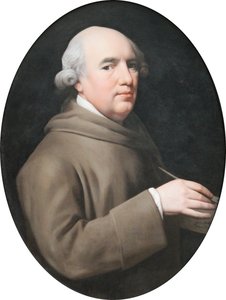
George Stubbs
1724 - 1806 , Storbritannia
Kort om kunstneren
- Artistic Movement Or Style: Romantikk, Heste kunst
- Artists Or Movements Influenced By This Artist: ['Joshua Reynolds']
- Artists Who Influenced This Artist: ['Hamlet Winstanley']
- Date Of Birth: 25. august 1724
- Date Of Death: 10. juli 1806
- Full Name: George Stubbs
- Nationality: Britisk
- Notable Artworks:
- Whistlejacket
- Løve angriper hest
- Anatomi av hesten
- Place Of Birth: Liverpool, Storbritannia
Relaterte artikler

Georges Seurat: Topp 25 Maler – Impresjonisme og Punktillismens Mesterverk | OriginalUniqueArt.no
Utforsk Georges Seurats 25 mest ikoniske malerier! Oppdag historien bak punktillismen, impresjonismen og mesterverk som 'Et søndagsettermiddag på La Grande Jatte'. Finn kunsttrykk av høy kvalitet for ditt hjem på OriginalUniqueArt.com.

Georges Braques 25 Mesterverk: En Kunstnerisk Reise for Din Bolig
Utforsk Georges Braques 25 mest ikoniske verk! Fordyp deg i kubismens verden, fargepaletter og kunstnerisk nyskapning. Finn inspirasjon til din bolig med museumskvalitets reproduksjoner på OriginalUniqueArt.com.
George Stubbs: Anatomical Precision & Romantic Vision in 18th-Century British Art
Explore the captivating world of George Stubbs, the 18th-century master renowned for his anatomical precision & Romantic animal paintings. Discover his legacy and investment potential.

The Equine Muse: A Historical & Artistic Exploration of Horses in Painting
Explore the captivating history of horses in painting! Discover Renaissance masterpieces, Baroque grandeur & expert insights for collecting equestrian art. Learn about symbolism, techniques & lasting value with OriginalUniqueArt.
The Noble Steed: A Historical and Artistic Exploration of Horses in Fine Art
Explore the rich history of horses in fine art! From ancient depictions to Renaissance masterpieces & beyond, discover iconic artworks and artists. Learn about symbolism, techniques, and find museum-quality reproductions at OriginalUniqueArt.


