
 Forhåndsvisning
 Send
Send Del
Del
 Vis detaljer
 Utskriftsvennlig guide

 Last ned bilde
 Liknende objekter
 Røntgenundersøkelse
 Lysbildefremvisning
 Spørsmål og svar
 Statistikk
Quaratesi Polyptych: St Nicholas and Three Poor Maidens


 Vis hele teksten
Giclée / Kunsttrykk
Giclée- eller lerretsprint av museumskvalitet med rask produksjon og fleksible valgmuligheter for etterbehandling. ( Kjøp håndmalt maleri Bytt til digitalt bilde)




P118B Nkr10

P118H Nkr10

P118W Nkr10

P438Z Nkr10

P508JH Nkr12

P508YH Nkr12

P805H Nkr10

P805Z Nkr10

P919BZ Nkr10

P919G Nkr10

P919XJ Nkr10

P959ZH Nkr10

P968JZ Nkr12

W106C Nkr8

W218G Nkr10

W218JH Nkr8

W218Y Nkr10

W307PJ Nkr10

W316G Nkr10

W316PJ Nkr8

W316Y Nkr10

W398PJ Nkr8

W4111J Nkr10

W500HY Nkr15

W500JH Nkr15

W692G Nkr12

W849H Nkr8

W940BG Nkr15

W953PJ Nkr8




Velg mellom våre forhåndsdefinerte størrelser som bevarer kunstverkets opprinnelige proporsjoner.

Skriv inn ønsket bredde og høyde for å tilpasse trykket til din ramme eller vegg. Et trykk kan kun beskjæres, aldri skaleres opp utover motivets opprinnelige størrelse, noe som betyr at et format med andre proporsjoner vil føre til tap av deler av bildet. Vi sender deg en digital mockup for godkjenning før vi starter trykkeprosessen. Bildet som vises på denne siden viser ikke den faktiske beskjæringen — det er kun mockuppen som viser dette.
Verdensomspennende levering () på 2 uker i stedet for standard 4/5 uker. (7 November)

Gratis ekspressfrakt over hele verden

Lerretsduk av lin av høy kvalitet

Full transportforsikring

Garanti for refusjon av toll og importavgifter

Garantert fargegjengivelse

100 dagers returrett ved fabrikasjonsfeil

100% pengene tilbake-garanti

Rabatt ved flere kjøp
 Glassalternativet er kun tilgjengelig i størrelser under 110 cm

Quaratesi Polyptych: St Nicholas and Three Poor Maidens
Giclée / Kunsttrykk
Størrelse på reproduksjon
-


Totalpris for valgte alternativer
Nkr 775
A Glimpse into the Heart of International Gothic
Gentile da Fabriano’s Quaratesi Polyptych: St Nicholas and Three Poor Maidens, painted in 1425, isn't merely a religious scene; it’s a vibrant tableau brimming with humanist ideals, exquisite detail, and the luminous grace that defined the International Gothic style. Born in Fabriano around 1370, Gentile emerged from a rich artistic milieu, absorbing the refined aesthetics of his time – a period where craftsmanship and narrative intertwined to create works of breathtaking beauty. This particular polyptych, commissioned for the Quaratesi chapel in Florence, offers a captivating window into the world of late medieval piety and the burgeoning influence of humanism on religious art. It’s a testament to Fabriano's mastery of color, texture, and composition, elements that continue to resonate with viewers centuries later.
The Narrative of Charity and Divine Grace
At first glance, the scene depicts a poignant encounter between St. Nicholas – the legendary gift-giver – and three impoverished women. The foreground is dominated by these figures, kneeling in humble devotion, one holding a small, richly colored object—perhaps a loaf of bread or a piece of cloth, symbolizing generosity and sustenance. Their gestures are imbued with quiet dignity, their faces reflecting a mixture of hope and gratitude. The background reveals a more complex scene: four individuals – including a man dressed in blue and a hat – suggest the presence of onlookers, perhaps witnesses to this act of charity. A simple chair sits in the middle ground, hinting at a moment of respite or reflection within this sacred space. The arrangement isn’t simply decorative; it establishes a clear hierarchy, guiding the viewer's eye through a carefully orchestrated narrative.
Further research reveals that this polyptych was part of a larger altarpiece, originally consisting of five panels. The central panel featured Our Lady enthroned with the Child, flanked by Saints Mary Magdalene and Nicholas. The other panels depicted St. John the Baptist, St. George, and the Pilgrims at the tomb of St. Nicholas – each contributing to a rich tapestry of biblical stories and devotional themes. This interconnectedness underscores Fabriano’s skill in creating complex visual narratives that engaged the viewer on multiple levels.
A Symphony of Color and Detail: The Technique of Gentile da Fabriano
Fabriano's genius lies not only in his storytelling but also in his unparalleled technical prowess. Painted in tempera on wood panels, the work showcases a remarkable attention to detail—from the intricate folds of the women’s garments to the delicate rendering of St. Nicholas’s beard and the shimmering quality of the objects they hold. The use of gold leaf adds an ethereal glow, elevating the scene to a realm of divine beauty. The artist masterfully employs *sfumato*, a technique that softens outlines and creates subtle gradations of light and shadow, lending depth and realism to the figures. Notice how he uses color not just for representation but also for emotional effect – the warm reds and yellows evoke feelings of warmth and generosity, while cooler blues and greens contribute to a sense of serenity.
A Window into a Renaissance World
The Quaratesi Polyptych is more than just a beautiful painting; it’s a valuable historical document. It reflects the growing influence of humanism on art, as evidenced by the realistic portrayal of the figures and their emotional expressions. Fabriano's work also demonstrates the continued importance of religious iconography in shaping people’s beliefs and values during this transformative period. The polyptych stands as a testament to his artistic vision and his ability to capture the essence of human experience within the framework of Christian faith. Reproductions, like those offered by OriginalUniqueArt.com, allow us to appreciate this masterpiece's beauty and complexity in a way that was never before possible, bringing its timeless message to a new generation.
Spørsmål og svar
Når og innen hvilken stilretning ble "Quaratesi Polyptych: St Nicholas and Three Poor Maidens" laget?
"Quaratesi Polyptych: St Nicholas and Three Poor Maidens" ble skapt i 1425 som et verk innenfor International Gothic-retningen. Datoen og kunstretningen forankrer verket i kunsthistorien.
Hvilken fase i Gentile Da Fabriano sin karriere tilsvarer datoen 1425 for "Quaratesi Polyptych: St Nicholas and Three Poor Maidens"?
Med sin datering fra 1425, tilhører "Quaratesi Polyptych: St Nicholas and Three Poor Maidens" Gentile Da Fabriano sin Mature Period.
Er Gentile Da Fabriano, skaperen av "Quaratesi Polyptych: St Nicholas and Three Poor Maidens", kjent under andre navn?
Andre navn registrert for Gentile Da Fabriano, skaperen av "Quaratesi Polyptych: St Nicholas and Three Poor Maidens", inkluderer Gentile Di Niccolò Di Giovanni Di Massio.
Om kunstneren
En lysende stjerne i den internasjonale gotikken: Livet og kunsten til Gentile da Fabriano
Gentile da Fabriano, et navn som er synonymt med den overdådige elegansen i den internasjonale gotiske stilen, sprang ut av det kunstneriske landskapet i Italia på slutten av 1300-taltet. Han ble født rundt år 1370 i den pittoreske byen Fabriano, trygt plassert i Marche-regionen, men hans tidlige liv forblir innhyllet i mystikk. Vi vet at hans mor gikk bort før 1380, og at hans far, Niccolò di Giovanni Massi, søkte tilflukt i et kloster innen 1385 – hendelser som sannsynligvis formet den unge Gentiles formative år. Selv om detaljene rundt hans første opplæring er sparsomme, er det tydelig fra hans tidligste kjente verk, Madonna med barn (ca. 1395–1400), som nå befinner seg i Berlin, at han absorberte den raffinerte estetikken fra sengotisk maleri som var fremherskende i Nord-Italia. Dette tidlige verket gir allerede et hint om den delikate presisjonen og de elegante formene som senere skulle definere hans modne stil.Venetiansk blomstring og et voksende ry
Ved omtrent 1405 hadde Gentile etablert seg som en yrkesaktiv kunstner i Venezia, et pulserende knutepunkt for handel og kulturell utveksling. Her tok han på seg oppdrag som et panel til kirken Santa Sofia – som dessverre nå er tapt for ettertiden – og samarbeidet med fremtredende kunstnere som Jacopo Bellini. Hans venetianske periode brakte ham i kontakt med andre innflytelsesrike skikkelser, inkludert Pisanello og Michelino da Besozzo, noe som fostret en kunstnerisk dialog som beriket hans utviklende stil. Det var i denne tiden han begynte å utvikle et rykte for nitid detaljrikdom og en sofistikert bruk av farger, egenskaper som skulle bli selve kjennetegnet på hans arbeid. Freskene han ble bestilt til Dogepalasset, som skildret et sjøslag, er også tapt, men de vitner om hans evne til å mestre storslåtte narrative komposisjoner. Hans reiser og samarbeid utvidet hans kunstneriske horisonter og forberedte ham på enda større bragder i årene som kom.Mesterverk av tro og form: Firenze og videre
Perioden mellom 1410 og 1412 så Gentile skape et av sine mest berømte verk, Valle Romita-polyptykon, som nå er innkvartert i Pinacoteca di Brera. Dette komplekse alterstykket viser hans mesterskap innen komposisjon, fargeharmoni og intrikate detaljer. Det var imidlertid flyttingen til Firenze i 1420 som virkelig sementerte hans ettermæle. På oppdrag fra den velstående kjøpmannen Palla Strozzi, la Gentile ut på det som utvilsomt er hans mest ikoniske skapelse: Kongenes tilbedelse (1423), som i dag pryder salene i Uffizi-galleriet. Dette mesterverket eksemplifiserer den internasjonale gotikken på sitt høydepunkt – en blendende fremvisning av overdådige tekstiler, utsøkte juveler og grasiøse figurer arrangert i en nitidig utformet scene. Maleriet er ikke bare en religiøs skildring; det er en feiring av rikdom, makt og kunstnerisk ferdighet. Gentiles bruk av bladgull og levende farger skaper en overjordisk luminescens som drar betrakteren inn i den hellige fortellingen. Hans florentinske periode frembrakte også andre betydningsfult verk, inkludert Intercessjons-altertavlen og Quaratesi-polyptykon, der hvert verk demonstrerer hans fortsatte foredling av teknikk og kunstnerisk visjon.En varig innflytelse: Arv og historisk betydning
Gentile da Fabrianos liv ble tragisk kort; han døde før 14. oktober 1427 og ble gravlagt enten i Roma eller Firenze – det nøyaktige stedet for hans siste hvilested er fortsatt usikkert. Til tross for hans relativt korte karriere, var hans innvirkning på italiensk kunst dypgående. Han bygget bro mellom den sengotiske tradisjonen og den fremvoksende renessansens estetikk, og påvirket en hel generasjon av kunstnere med sin raffinerte teknikk og elegante stil. Hans vektlegging av detaljert observasjon, naturalistisk representasjon og sofistikerte fargepaletter beredte vei for innovasjonene til kunstnere som Masaccio og Fra Angelico. Gentiles arbeid står som et vitnesbyrd om den vedvarende kraften i skjønnhet, håndverk og kunstnerisk visjon – et strålende eksempel på den internasjonale gotikken i sin mest glorielle form.- Utforsk dypere innsikt i den internasjonale gotiske stilen gjennom ressurser tilgjengelig på OriginalUniqueArt.com.
- Gå dypere inn i hans liv og virke med informasjon fra Wikipedia.

Gentile Da Fabriano
1370 - 1427 , Italia
Kort om kunstneren
- Artistic Movement Or Style: International Gothic
- Artists Who Influenced This Artist: ['Northern Italian late-Gothic']
- Date Of Birth: c. 1370
- Full Name: Gentile di Niccolò di Giovanni Massi
- Nationality: Italian
- Notable Artworks:
- Adoration of the Magi
- Valle Romita Polyptych
- Place Of Birth: Fabriano, Italy
Relaterte artikler

Gothic Vibes: From Dark Shadows to Bold Modern Edge | The Ultimate Trend Forecast
Explore the evolution of Gothic vibes, from historical shadows to bold modern edge. Discover how dark aesthetics, noir interiors, and contemporary subcultures are redefining modern design through a high-impact, trend-focused lens.

Leonardo da Vincis 25 Mesterverk: Kunst, Historie og Inspirasjon for Ditt Hjem
Oppdag Leonardo da Vincis 25 mest ikoniske kunstverk! Fordyp deg i renessansens mesterverk – fra Mona Lisa til Nattverden. Historie, teknikk og inspirasjon for ditt hjem. Finn museumskvalitets reproduksjoner på OriginalUniqueArt.com.

Leonardo da Vinci: A Renaissance Master’s Synthesis of Art, Science & Human Observation – Reinterpreted for the Collector
Explore Leonardo da Vinci’s timeless masterpieces with OriginalUniqueArt. Discover insights into his art, science, and legacy – trusted expertise for discerning collectors seeking authentic reproductions & investment opportunities.
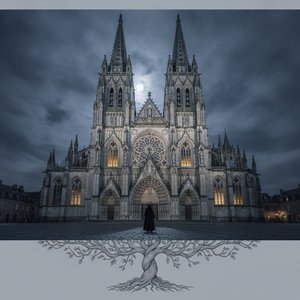
Shadows & Splendor: A Journey Through the Soul of Gothic Art and Architectural Grandeur
Embark on a profound journey through the spiritual intensity of Gothic art. Explore the architectural marvels, luminous stained glass, and sacred sculptures that define this era of grandeur and human devotion.

Beyond Borders: The Spiritual & Stylistic Innovations of International Gothic Art
Explore the exquisite beauty & spiritual depth of International Gothic art. Discover key artists like Simone Martini & Pol de Limbourg, its origins, symbolism, and lasting influence on European painting. Expert insights at OriginalUniqueArt.