
 Forhåndsvisning
 Send
Send Del
Del
 Vis detaljer
 Utskriftsvennlig guide

 Last ned bilde
 Liknende objekter
 Røntgenundersøkelse
 Lysbildefremvisning
 Spørsmål og svar
 Statistikk
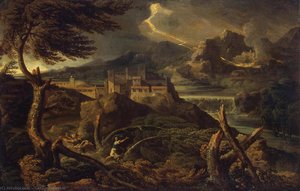
Landskap med lyn

- 40.0 x 63.0 cm


 Vis hele teksten
Giclée / Kunsttrykk
Giclée- eller lerretsprint av museumskvalitet med rask produksjon og fleksible valgmuligheter for etterbehandling. ( Kjøp håndmalt maleri Bytt til digitalt bilde)




P118B Nkr10

P118H Nkr10

P118W Nkr10

P438Z Nkr10

P508JH Nkr12

P508YH Nkr12

P805H Nkr10

P805Z Nkr10

P919BZ Nkr10

P919G Nkr10

P919XJ Nkr10

P959ZH Nkr10

P968JZ Nkr12

W106C Nkr8

W218G Nkr10

W218JH Nkr8

W218Y Nkr10

W307PJ Nkr10

W316G Nkr10

W316PJ Nkr8

W316Y Nkr10

W398PJ Nkr8

W4111J Nkr10

W500HY Nkr15

W500JH Nkr15

W692G Nkr12

W849H Nkr8

W940BG Nkr15

W953PJ Nkr8




Velg mellom våre forhåndsdefinerte størrelser som bevarer kunstverkets opprinnelige proporsjoner.

Skriv inn ønsket bredde og høyde for å tilpasse trykket til din ramme eller vegg. Et trykk kan kun beskjæres, aldri skaleres opp utover motivets opprinnelige størrelse, noe som betyr at et format med andre proporsjoner vil føre til tap av deler av bildet. Vi sender deg en digital mockup for godkjenning før vi starter trykkeprosessen. Bildet som vises på denne siden viser ikke den faktiske beskjæringen — det er kun mockuppen som viser dette.
Verdensomspennende levering () på 2 uker i stedet for standard 4/5 uker. (4 November)

Gratis ekspressfrakt over hele verden

Lerretsduk av lin av høy kvalitet

Full transportforsikring

Garanti for refusjon av toll og importavgifter

Garantert fargegjengivelse

100 dagers returrett ved fabrikasjonsfeil

100% pengene tilbake-garanti

Rabatt ved flere kjøp
 Glassalternativet er kun tilgjengelig i størrelser under 110 cm

Landskap med lyn
Giclée / Kunsttrykk
Størrelse på reproduksjon
-


Totalpris for valgte alternativer
Nkr 774
Landscape with Lightning – A Vision of Roman Tranquility Amidst Dramatic Skies
Gaspard Dughet’s “Landscape with Lightning” (1667) stands as a cornerstone of Baroque landscape painting, capturing not merely the beauty of the Roman campagna but also conveying a profound sense of spiritual contemplation. Painted during a period marked by intellectual ferment and artistic innovation—the culmination of Mannerism and heraldic beginnings of Neoclassicism—this artwork exemplifies Dughet’s distinctive approach to portraying nature as a vehicle for philosophical reflection. The scene depicts a sprawling vista dominated by towering mountains, punctuated by scattered trees and illuminated by the ominous glow of impending storm clouds. At the forefront are three men standing together, their postures conveying both observation and quiet deliberation – figures that invite viewers to ponder upon the grandeur of the natural world alongside human presence.- Style: Dughet’s style is undeniably Mannerist, characterized by elongated forms, flattened perspectives, and a deliberate rejection of idealized beauty. Unlike earlier Renaissance landscapes prioritizing harmonious balance, Dughet sought to express emotion and psychological depth through his compositions. This stylistic choice aligns perfectly with the Baroque preoccupation for dramatic effects and conveying sublime terror – a reaction against the perceived excesses of the preceding era.
- Technique: Dughet employed meticulous oil painting techniques, layering thin glazes over underdrawings to achieve remarkable luminosity and tonal subtlety. The artist skillfully utilized chiaroscuro—the interplay between light and shadow—to sculpt the mountain peaks and create a palpable sense of atmospheric depth. Notice particularly how the lightning bolts pierce through the dark sky, emphasizing the vulnerability of humanity against the forces of nature.
Spørsmål og svar
Er "Landskap med lyn" et av Gaspard Dughet sine mest populære verk?
"Landskap med lyn" av Gaspard Dughet har et Anerkjent popularitetsnivå. Denne klassifiseringen gjenspeiler hvor utbredt verket er anerkjent.
Hva slags verk er "Landskap med lyn"?
"Landskap med lyn" av Gaspard Dughet er klassifisert som Veggkunst. Kategorien beskriver hvilken type kunstverk originalen er.
Hvor mye lys ser fargene i "Landskap med lyn" ut til å reflektere?
Fargene i "Landskap med lyn" har en Mørk luminans.
Om kunstneren
The Soul of the Roman Campagna
In the heart of the seventeenth century, amidst the sweeping vistas and ancient ruins of Rome, emerged a painter whose brush captured the very breath of the Italian countryside. Gaspard Dughet, often whispered in art circles as Gaspard Poussin, was a man of dual identity—a French soul born into the warmth of an Italian landscape. Though he never set foot in his ancestral France, his work remains a cornerstone of the French school, deeply rooted in the fertile soil of the Roman Campagna.
His journey began under the tutelage of his brother-in-law, the great Nicolas Poussin, a connection that would forever link his name to the classical tradition. Yet, Dughet was never merely a shadow of his mentor. While he inherited a sense of structured grandeur, he infused his landscapes with a vitality and a rhythmic movement that were uniquely his own. He specialized in the topography of the Roman outskirts, transforming dusty paths and verdant hills into stages for silent, eternal dramas.
The Drama of Light and Tempest
As Dughet’s artistry matured, his canvases began to pulse with a more fluid and atmospheric energy. He became a master of the elements, particularly known for his ability to depict the sudden, breathtaking arrival of a storm. Out of his vast repertoire, many of his works are dedicated to these turbulent skies, where heavy clouds collide with shafts of breaking light. This fascination with the ephemeral nature of weather placed him alongside his contemporary, Salvator Rosa, as one of the preeminent landscape painters of his era.
His technique often involved a delicate collaboration; he frequently worked with Guillaume Courtois, who would breathe life into the scenes by painting the staffage—the small, human figures that wander through the vastness. This synergy allowed Dughet to focus on the monumental scale of nature while maintaining an intimate connection to the human experience. From the grand frescoes of the Palazzo Colonna to the more weathered cycles in San Martino ai Monti, his work reflects a profound mastery over both light and texture.
A Legacy Carved in Stone and Garden
The influence of Dughet’s vision did not fade with his death in 1675; rather, it migrated north, finding a profound resonance in the British Isles. During the eighteenth century, his name became synonymous with the ideal classical landscape. His style was so evocative that collectors often attributed any beautiful, pastoral scene to him, a testament to the enduring power of his aesthetic.
His impact can be seen across several disciplines:
- The evolution of British landscape painting, providing a blueprint for masters like Thomas Gainsborough and John Constable.
- The design of English landscape gardens, which sought to replicate the serene, structured wildness found in his oil paintings.
- The preservation of classical ideals within the National Gallery in London, where works like his Sacrifice of Abraham continue to inspire awe.
Gaspard Dughet
1613 - 1675 , Italy
Kort om kunstneren
- Full Name: Gaspard Dughet
- Nationality: French
- Date Of Birth: 1613
- Date Of Death: 1675
- Place Of Birth: Rome, Italy
- Notable Artworks:
- Landscape with Cross
- View of the Hermitage of Camaldoli near Frascati
- Artistic Movement Or Style: Baroque Landscape
- Artists Who Influenced This Artist: Nicolas poussin
- Artists Or Movements Influenced By This Artist: British landscape painting
Relaterte artikler
Cornelis van Poelenburch: Bridging Mannerism & the Dutch Baroque Landscape
Discover Cornelis van Poelenburch, a pivotal Dutch Baroque landscape painter bridging Mannerism & Italianate styles. Explore his life, key works, and lasting influence on 17th-century art with OriginalUniqueArt.

Romantiske landskap: Topp 10 mesterverk for hjemmet – Kunst fra OriginalUniqueArt.com
Oppdag de 10 mest ikoniske romantiske landskapsmaleriene! Fra Caspar David Friedrich til Turner – utforsk kunsthistorien, stemningen og fargepalettene. Finn museumskvalitets reproduksjoner på OriginalUniqueArt.com.

Evocations of Place: A Historical Journey Through Landscape Art
Explore the rich history of landscape art with OriginalUniqueArt. Discover renowned artists, movements like Impressionism & Romanticism, and expert guidance for collecting timeless pieces. Find your perfect serene escape today!

Claude Lorrain: Master of Light & Landscape in the Golden Age
Explore the luminous landscapes of Claude Lorrain, a Baroque master renowned for his masterful use of light & atmosphere. Discover his life, techniques, key works & enduring influence on art history.

Evoking Atmosphere & Identity: A Journey Through Landscape Painting's History
Explore the rich history of landscape painting! Discover renowned artists, movements like Romanticism, & techniques such as atmospheric perspective. Find inspiration and quality reproductions at OriginalUniqueArt.