

 Se i rommet
 Del som digitalt kort
 Del
Del
 Detaljer
 Studentguide

 Last ned
 Liknende objekter
 Røntgen
 Lysbildefremvisning
 Besøksstatistikk
Landscape
 Oil On Canvas
- WallArt
- British Landscape Painting
 96.0 x 146.0 cm
 The Hepworth Wakefield
 Les mer
Håndlaget oljereproduksjon
Håndmalt olje på lerret i din valgte størrelse og ramme, laget på bestilling av våre kunstnere. ( Bytt til trykkversjon Gå til digitalt bilde)




P118B Nkr10

P118H Nkr10

P118W Nkr10

P438Z Nkr10

P508JH Nkr12

P508YH Nkr12

P805H Nkr10

P805Z Nkr10

P919BZ Nkr10

P919G Nkr10

P919XJ Nkr10

P959ZH Nkr10

P968JZ Nkr12

W106C Nkr8

W218G Nkr10

W218JH Nkr8

W218Y Nkr10

W307PJ Nkr10

W316G Nkr10

W316PJ Nkr8

W316Y Nkr10

W398PJ Nkr8

W4111J Nkr10

W500HY Nkr15

W500JH Nkr15

W692G Nkr12

W849H Nkr8

W940BG Nkr15

W953PJ Nkr8




Velg mellom våre forhåndsdefinerte størrelser som bevarer kunstverkets opprinnelige proporsjoner.

Skriv inn bredden og høyden du trenger, slik at den passer til din ramme eller vegg. Dette er håndmalt, så for en størrelse med en annen form kan kunstneren male litt mer rundt bildet, eller beskjære det noe — du velger selv. Vi sender deg en digital mockup for godkjenning før maleriet påbegynnes. Bildet som vises på denne siden viser ikke det faktiske resultatet — kun mockuppen gjør det.
Etter bestilling vil OriginalUniqueArt.com-teamet sende e-post til kunden for instruksjoner og sende et utkast (mockup) som forhåndsvisning.
Verdensomspennende levering () på 3–4 uker i stedet for standard 5 uker. (23 October). Ingen kompromisser med kvaliteten.

Gratis ekspressfrakt over hele verden

Lerretsduk av høykvalitets lin

Full transportforsikring

Garanti for refusjon av toll og importavgifter

Garantert fargeekthet

100 dagers returrett ved fabrikasjonsfeil

100% pengene tilbake-garanti

Mengderabatt
 Glassalternativet er kun tilgjengelig i størrelser under 110 cm

Landscape
Reproduksjonsmetode
Format på reproduksjon
-


Totalpris
Nkr 2844
A Window on the English Countryside: Frederick Waters Watts’ “Landscape”
Frederick Waters Watts' "Landscape," a captivating oil painting from around 1860, isn’t merely a depiction of a rural scene; it’s an invitation into a meticulously rendered world brimming with quiet observation and a profound connection to the English countryside. The piece immediately draws the viewer in with its harmonious palette – a symphony of greens, blues, and browns that evoke the serenity of a late summer afternoon. It's a landscape steeped in Constablean influence, prioritizing atmospheric perspective and a subtle, almost melancholic beauty over dramatic grandeur.
The composition itself is deceptively simple yet remarkably effective. A meandering river dominates the midground, its waters reflecting the sky above with an ethereal quality. A dirt path, barely discernible, leads the eye into the distance, hinting at journeys and possibilities. Scattered amongst the trees are a few figures – likely farmers or laborers – engaged in quiet activities, their presence adding a touch of human scale to the vastness of the scene without disrupting the overall sense of tranquility. The rolling hills in the background, painted with delicate brushstrokes, fade into a hazy blue, creating an illusion of depth and distance that is characteristic of Watts’ style.
The Painter's Hand: Technique and Style
Watts was deeply influenced by John Constable, and this influence is readily apparent in "Landscape." He masterfully employed *plein air* painting techniques – working directly from nature – to capture the fleeting effects of light and atmosphere. Notice the subtle variations in color across the foliage, the way shadows fall on the ground, and the delicate rendering of water surfaces. The brushwork is loose yet controlled, creating a sense of movement and texture that brings the landscape to life. The artist’s attention to detail is remarkable; individual leaves are suggested rather than meticulously rendered, allowing the eye to fill in the gaps and contributing to the painting's overall impressionistic quality.
Furthermore, Watts skillfully utilized atmospheric perspective – *sfumato* – to create a sense of depth. Objects further away appear paler and less distinct, while those closer are richer in color and detail. This technique is particularly evident in the distant hills, which seem to dissolve into the hazy blue sky. The use of muted tones and subtle gradations of color contributes significantly to the painting’s overall mood of quiet contemplation.
A Victorian Vision: Historical Context
"Landscape" reflects the artistic sensibilities of the mid-19th century – a period when landscape painting was experiencing a resurgence in popularity. Following the Romantic movement, artists began to turn their attention to the beauty and sublimity of nature, seeking solace and inspiration in the countryside. Watts’ work aligns with this trend, capturing the idealized vision of rural England that was so prevalent during the Victorian era.
The painting also speaks to a broader cultural shift – a growing appreciation for the natural world and a desire to escape the pressures of urban life. The Victorian period witnessed significant industrialization and urbanization, leading many people to seek refuge in the countryside. Landscape art provided a means of reconnecting with nature and celebrating its enduring beauty. Watts’ painting embodies this sentiment, offering a glimpse into a simpler, more harmonious way of life.
Symbolism and Emotional Resonance
Beyond its technical merits, “Landscape” is imbued with subtle symbolism. The meandering river can be interpreted as a metaphor for the passage of time, while the figures in the foreground represent humanity’s connection to the land. The overall mood of the painting – serene, contemplative, and slightly melancholic – reflects the Victorian fascination with mortality and the fleeting nature of beauty. It's not simply a pretty picture; it invites reflection on our relationship with the natural world and our place within it.
The painting’s enduring appeal lies in its ability to evoke a sense of nostalgia for a bygone era – a time when life moved at a slower pace and people were more attuned to the rhythms of nature. “Landscape” is a testament to Watts' skill as an artist and his profound understanding of the English countryside, offering viewers a moment of respite from the complexities of modern life.
Spørsmål og svar
Er "Landscape" overordnet sett mest lys eller mørk?
"Landscape" av Frederick Waters Watts er registrert med bright, og har en luminans på Gentle Luminance.
Er fargene i "Landscape" av Frederick Waters Watts mettede eller dempede?
"Landscape" av Frederick Waters Watts er gjengitt med en Balanced Soft metning.
Hva slags verk er "Landscape"?
"Landscape" er et WallArt-verk.
Kunstnerbiografi
En visjon av det engelske pastorale: Livet og arven etter Frederick Waters Watts
I den viktorianske kunstens annaler er det få navn som fremmaner den stille, pustende essensen av det engelske landskapet slik Frederick Waters Watts gjør. Watts ble født i den historiske byen Bath i 1800, og vokste frem som en maler hvis arbeid fungerte som en dyp bro mellom det robuste naturalismen i det tidlige nittende århundre og den raffinerte estetikken i den senere viktorianske epoken. Selv om mye av hans personlige historie forblir innhyllet i tidens myke tåke – der biografiske detaljer om hans opphav og nøyaktige dødsdato ofte diskuteres av historikere – er hans kunstneriske nærvær uomtvistelig. Han var en kunstner som ikke bare malte landskap; han fanget selve sjelen i det rurale landskapet, og gjennomsyret hver elvebredd og solfylt eng med en følelende av evig fred.
Grunnlaget for Watts’ storhet lå i hans dype, nesten åndelige forbindelse til verkene til John Constable. Da han begynte ved Royal Academy Schools i London i 1817, søkte Watts å mestre de subtile kompleksitetene i lys og atmosfære som hadde definert den constableianske tradisjonen. Hans tidlige triumfer, inkludert sølvmedaljer vunnet mellom 1819 og 1821, signaliserte ankomsten av et talent med evne til dyp observasjon. Han omfavnet praksisen med å male en plein air, ved å arbeide direkte ute i naturen for å oversette de flyktige nyansene i en forbipasserende sky eller den glitrende refleksjonen i en bekk til permanent olje og lerret. Denne dedikasjonen til direkte observasjon gjorde det mulig for ham å bevege seg forbi ren etterligning, og utvikle en stil som føltes både intimt knyttet til jorden og opphøyd av en poetisk sans.
Mestring av lys og det engelske landskapet
Watts’ samlede verker, som består av omtrent 380 malerier, fungerer som et enormt galleri av Englands mest idylliske øyeblikk. Hans tekniske dyktighet er mest tydelig i hans evne til å manipulere lys for å skape dybde og emosjonell resonans. Enten han skildret de rolige vannene i elven Medway eller den røffe skjønnheten i Cumberland, benyttet Watts en palett som hyllet den naturlige verdens organiske toner. Hans komposisjoner preges ofte av:
- Atmosfærisk dybde: En mesterlig bruk av dis og lys for å antyde de uendelige utstrekningene av den engelske horisonten.
- Elvebreddens serenitet: Intrikate skildringer av vann, der strømningenes bevegelser og lysets spill i refleksjonene skaper en følelse av levende bevegelse.
- Bukolsk sjarm: Inkluderingen av subtile menneskelige elementer – en fjern skikkelse, en beitende ku eller en rustikk bro – som forankrer hans storslåtte landskap i en gjenkjennelig, pastoral virkelighet.
Utover det rent naturalistiske finnes det en understrøm av symbolikk i hans arbeid som antyder en dypere, mer kontemplativ ånd. Enkelte forskere betrakter hans senere utforskninger gjennom linsen av estetisisme, og bemerker hvordan hans landskap kan transcendere ren topografi for å bli allegoriske meditasjoner over fred, håp og livets sykliske natur. Denne dualiteten – evnen til å være både en presis observatør av naturen og en drømmer av poetiske sannheter – er det som skiller hans arbeid fra hans samtidige.
Historisk betydning og varig innflytelse
Gjennom sin lange karriere, som inkluderte utstillinger ved Royal Academy og British Institution frem til 1860-tallet, opprettholdt Watts en konsekvent tilstedeværelse i Londons kunstscene. Hans evne til å navigere i de skiftende smakene i den viktorianske æra – fra det tunge romantiske preget tidlig i århundret til de mer delikate, symbolske tilnærmingene i de senere årene – sikret hans varige relevans. Selv om han levde gjennom en periode med rask industrialisering som truet nettopp de landskapene han elsket, forblir maleriene hans et fristed for et tapt, før-industrielt England.
I dag lever arven etter Frederick Waters Watts videre i samlingene til prestisjetunge institusjoner som Tate, hvor hans verk fortsetter å inspirere til ærefrykt. Han forblir en vital skikkelse for alle som søker å forstå utviklingen av britisk landskapsmaleri. Hans livsverk står som et vitnesbyrd om observasjonens kraft og den naturlige verdens vedvarende skjønnhet, og minner oss om at selv i det mest flyktige øyeblikk av lys på en elv, eksisterer det en dyp og evig verdighet.

Frederick Waters Watts
1800 - 1870 , Storbritannia
Kort om kunstneren
- Artistic Movement Or Style: Romantisk landskapsmaling
- Artists Or Movements Influenced By This Artist: ['Romantisk landskapsmaling']
- Artists Who Influenced This Artist: ['John Constable']
- Date Of Birth: 7 okt 1800
- Date Of Death: 4 juli 1870
- Full Name: Frederick Waters Watts
- Nationality: Britisk
- Notable Artworks:
- Ved Olde Jernbane
- Uten tittel
- Place Of Birth: Bath, Storbritannia
Relaterte artikler
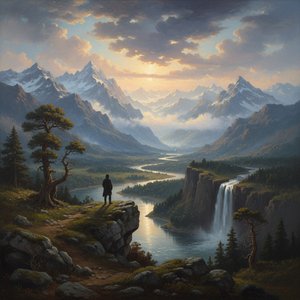
Frederick William Hayes: Transcendental Landscapes & the American Sublime
Explore the captivating landscapes of Frederick William Hayes, a Victorian artist influenced by the Hudson River School & literary utopias. Discover his legacy and artistic techniques at OriginalUniqueArt.

John Constable: Topp 25 Maler – Engelsk Landskapskunst i Ditt Hjem
Opplev John Constables 25 mest ikoniske malerier! Fordyp deg i engelsk romantikk, landskapskunst og atmosfæriske scener. Finn museumskvalitets reproduksjoner & interiørinspirasjon på OriginalUniqueArt.com. Utforsk samlingen online!
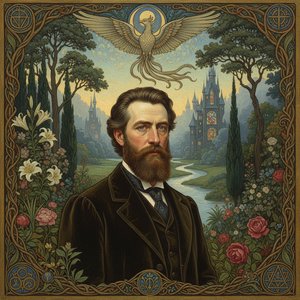
Frederick Waters Watts: A Victorian Vision of Aestheticism & Spiritual Symbolism
Explore the captivating world of Frederick Watts, a key Victorian painter blending aestheticism & spiritual symbolism. Discover his allegorical masterpieces like 'Hope' and delve into his artistic journey with OriginalUniqueArt.

Arboreal Echoes: A Historical & Artistic Exploration of Trees in Painting
Explore the rich history of trees in painting! Discover symbolism, Romantic masterpieces by Caspar David Friedrich & beyond. A curated journey for art enthusiasts.

Romantiske landskap: Topp 10 mesterverk for hjemmet – Kunst fra OriginalUniqueArt.com
Oppdag de 10 mest ikoniske romantiske landskapsmaleriene! Fra Caspar David Friedrich til Turner – utforsk kunsthistorien, stemningen og fargepalettene. Finn museumskvalitets reproduksjoner på OriginalUniqueArt.com.
