

 Forhåndsvisning
 Send
Send Del med andre
 Vis detaljer

 Last ned bildet
 Liknende objekter
 Røntgenundersøkelse
 Lysbildefremvisning
The Rainbow (also known as Rainbow over Burnley)


 Vis hele teksten
Håndlaget oljereproduksjon
Håndmalt olje på lerret i din valgte størrelse og ramme, laget på bestilling av våre kunstnere. ( Kjøp trykk Kjøp bilde)




P118B $10

P118H $10

P118W $10

P438Z $10

P508JH $12

P508YH $12

P805H $10

P805Z $10

P919BZ $10

P919G $10

P919XJ $10

P959ZH $10

P968JZ $12

W106C $8

W218G $10

W218JH $8

W218Y $10

W307PJ $10

W316G $10

W316PJ $8

W316Y $10

W398PJ $8

W4111J $10

W500HY $15

W500JH $15

W692G $12

W849H $8

W940BG $15

W953PJ $8




Velg mellom våre forhåndsdefinerte størrelser som bevarer kunstverkets opprinnelige proporsjoner.

Du kan angi egne mål for å tilpasse en spesifikk ramme eller plass. Dersom den valgte størrelsen ikke samsvarer med originalbildets proporsjoner, vil vi enten beskjære kunstverket eller utvide maleriet med ytterligere håndmalte elementer. En digital mockup vil bli sendt til din godkjenning før produksjonen starter.
Vennligst merk at forhåndsvisningen på skjermen ikke gjenspeiler den faktiske beskjæringen eller utvidelsen. Kun mockuppen vil vise den endelige komposisjonen nøyaktig.
Selv om tilpassede størrelser er tilgjengelige, anbefaler vi å velge et mål fra den forhåndsdefinerte listen for å bevare de originale proporsjonene.
Etter bestilling vil OriginalUniqueArt.com-teamet sende e-post til kunden for instruksjoner og sende et utkast (mockup) som forhåndsvisning.
Verdensomspennende levering () på 3–4 uker i stedet for standard 5 uker. (22 August). Ingen kompromisser med kvaliteten.

Gratis ekspressfrakt over hele verden

Lerretsduk av høykvalitets lin

Full forsikring under transport

Garanti for refusjon av toll og importavgifter

Garantert korrekt fargegjengivelse

60 dagers returrett (kun ved feil)

100% pengene tilbake-garanti

Rabatt ved flere kjøp
 Glassalternativet er kun tilgjengelig i størrelser under 110 cm

The Rainbow (also known as Rainbow over Burnley)
Teknikk for reproduksjon
Størrelse på reproduksjon
-


Endelig pris
$ 300
Beskrivelse av kunstverket
A Celestial Spectacle Over the Australian Landscape
In the annals of Australian impressionism, few works capture the fleeting majesty of the natural world as poignantly as Frederick McCubbin’s The Rainbow, also known as Rainbow over Burnley. Painted in 1910, this evocative oil on panel serves as a breathtaking window into a moment where the heavens and the earth collide in a display of atmospheric drama. The composition is dominated by a sweeping, vibrant rainbow that arches across the sky, acting as a bridge between the turbulent, swirling clouds above and the grounded reality of the landscape below. McCubbin masterfully captures a sense of transition, where the heavy, bruised tones of an approaching or receding storm give way to a sudden, luminous clarity. The scene is set against the backdrop of the Burnley quarry, a significant industrial site in Melbourne during the early 20th century, providing a profound contrast between the raw, man-made scars of industry and the unbridled, ethereal beauty of the meteorological phenomenon.
The artistry of McCubbin is most evident in his sophisticated command of light and texture. Utilizing an impressionistic approach, he employs loose, expressive brushstrokes that prioritize the sensation of movement over rigid anatomical or architectural detail. The technique involves a rhythmic interplay of thick and thin paint applications, creating a tactile surface that seems to vibrate with life. His palette is a masterful study in color harmony; deep blues and verdant greens evoke a sense of profound serenity, while the rainbow itself introduces a spectrum of vivid, saturated hues that pierce through the atmospheric haze. This wet-on-wet technique allows colors to bleed and blend softly into one another, producing an ethereal, dreamlike quality that mimics the way light scatters through moisture in the air, making the entire sky feel as though it is breathing.
Symbolism and the Emotional Resonance of Nature
Beyond its visual splendor, The Rainbow carries a deep symbolic weight that speaks to the Australian identity and the human condition. The juxtaposition of the industrial Burnley quarry with the celestial rainbow serves as a powerful metaphor for the tension between progress and preservation. It invites the viewer to contemplate the resilience of natural beauty even amidst the encroachment of industrialization. There is an inherent sense of awe and perhaps a touch of apprehension in the swirling, dark cloud formations, reminding us of the immense, uncontrollable forces of nature that dwarf human endeavors. Yet, the presence of the rainbow offers a counter-narrative of hope, promise, and renewal, suggesting that even after the most turbulent storms, light and color will inevitably return.
For the discerning collector or interior designer, this masterpiece offers more than just aesthetic appeal; it provides an emotional anchor for any space. The painting’s ability to evoke both tranquility and dynamic energy makes it a versatile centerpiece for sophisticated decor. Whether placed in a quiet study to inspire contemplation or in a grand living area to serve as a conversation piece, the work brings a sense of historical depth and natural grandeur. Owning a high-quality reproduction of this McCubbin classic allows one to invite the spirit of the Australian landscape into their home, celebrating a legacy of light, color, and the enduring magic of the sky.
Om kunstneren
A Life Rooted in the Australian Landscape
Frederick McCubbin, born February 25th, 1855, in Melbourne, Australia, stands as a cornerstone of Australian art—a figure inextricably linked to the nation’s evolving identity and its distinctive visual language. His journey from humble beginnings—the son of bakers who instilled in him a profound work ethic—to becoming a pivotal member of the Heidelberg School is testament to his unwavering dedication and artistic vision. McCubbin's formative years were marked by diverse experiences, beginning with his early education at William Willmett’s West Melbourne Common School and St Paul’s School, Swanston Street, followed by employment as solicitor’s clerk and assisting in the family bakery—all shaping his understanding of everyday Australian life, a theme that would permeate throughout his oeuvre. He received foundational artistic training at the National Gallery of Victoria's School of Design, studying under esteemed artists like Eugene von Guerard and George Folingsby, honing his skills in landscape painting while absorbing the prevailing artistic currents of the time—particularly the Romantic movement’s emphasis on emotion and sublime beauty.The Heidelberg School and Defining a National Aesthetic
A crucial turning point arrived with his enduring friendship with Tom Roberts, a bond that would profoundly influence Australian art history. Together, they established Box Hill Artists' Camp in 1885—a landmark event propelling the Heidelberg School movement forward. This plein air collective—soon bolstered by Arthur Streeton and Charles Conder—embraced the raw splendor and challenging realities of the Australian environment, rejecting the conventions of European academic painting. They sought to capture the essence of Australian life with unprecedented immediacy and authenticity, prioritizing observation and capturing fleeting moments of light and color. McCubbin’s contributions during this period were instrumental in shaping a distinctly Australian aesthetic—one that prioritized emotional resonance over formal precision. His paintings from Box Hill Camp, such as *Down on His Luck* (1889) and *On the Wallaby Track* (1896), exemplify this approach, depicting scenes of rural life with remarkable detail and capturing the melancholic beauty of the bushland—a visual language that would become synonymous with Australian identity. The Heidelberg School artists deliberately eschewed academic traditions, favoring instead a style characterized by loose brushstrokes and vibrant hues—reflecting the influence of Impressionism and Barbizon painters like Jules Bastien-Lepage and Millet.Early Artistic Training and Influences
McCubbin’s artistic development was nurtured at the National Gallery of Victoria Art School under Eugène von Guerard and George Folingsby, who instilled in him a disciplined approach to painting while exposing him to classical ideals. Von Guerard's influence is evident in McCubbin’s early landscapes—characterized by meticulous detail and a serene contemplation of nature—reflecting the Romantic tradition’s fascination with sublime beauty and emotional expression. Folingsby’s emphasis on academic technique provided McCubbin with a grounding in traditional methods, shaping his understanding of composition and perspective. However, McCubbin's artistic vision extended beyond these influences; he was deeply moved by the Impressionist movement—particularly Turner—whose exploration of atmospheric effects and subjective perception inspired him to experiment with looser brushwork and brighter colors. This transformative encounter fueled a shift toward capturing fleeting moments of light and color—a hallmark of his later paintings.Major Achievements and Iconic Landscapes
McCubbin’s artistic career culminated in monumental history paintings that solidified his reputation as Australia's foremost painter of national narratives. *On the Wallaby Track* (1896), depicting the hardships endured by Australian pastoralists during a period of economic depression, stands as an emblem of this genre—a testament to McCubbin’s ability to convey emotion and social commentary through masterful technique. The painting's dramatic lighting and evocative depiction of the bushland capture the spirit of resilience and perseverance—themes that resonated deeply with audiences at the time and continue to inspire admiration today. Similarly, *The Pioneer* (1904) portrays a scene of Australian settlement—a celebration of courage and determination against formidable odds—demonstrating McCubbin’s unwavering commitment to exploring themes of national identity. His landscapes from Mt Macedon—particularly *Landscape* (c. 1914)—are considered among his finest achievements—characterized by luminous colors and a profound appreciation for the beauty of the Australian bush. These paintings exemplify McCubbin's artistic prowess—his ability to capture atmospheric effects and convey emotion with remarkable subtlety.Legacy and Enduring Influence
Frederick McCubbin’s legacy extends far beyond his individual artworks; he served as a mentor to countless aspiring artists, fostering a generation of painters who embraced the Heidelberg School aesthetic. He championed Australian art—its exploration of national identity and its engagement with the natural world—leaving an indelible mark on the artistic landscape of Australia. Barry Pearce eloquently summarized McCubbin’s contribution: “When he died,” Pearce wrote, “McCubbin was one of the very few Australian painters who found an exalted resolution of vision that progressed with age, so that some of his greatest paintings were made in the last ten years of his life.” His enduring influence continues to inspire artists today—affirming McCubbin’s place as a true visionary and one of Australia's most beloved painters.
Frederick McCubbin
1855 - 1917 , Australia
Kort om kunstneren
- Artistic Movement Or Style: Heidelberg School
- Artists Or Movements Influenced By This Artist:
- J.M.W. Turner
- French Impressionists
- Artists Who Influenced This Artist:
- Eugene von Guerard
- George Folingsby
- Date Of Birth: Feb 25, 1855
- Date Of Death: Dec 20, 1917
- Full Name: Frederick McCubbin
- Nationality: Australian
- Notable Artworks:
- On the Wallaby Track
- Down on His Luck
- The Pioneer
- Place Of Birth: Melbourne, Australia
Relaterte artikler

Impressionismens landskapskunst: Topp 10 mesterverk som definerte en epoke | OriginalUniqueArt.no
Opplev impressionismens magi! Utforsk 10 ikoniske landskapsmalerier av Monet, Renoir og Van Gogh. Lær om kunsthistorien bak mesterverkene & finn din perfekte veggkunst på OriginalUniqueArt.com – museumskvalitet for ditt hjem.

Impresjonistiske landskap: 10 mesterverk som definerte en kunstbevegelse | OriginalUniqueArt.no
Opplev impresjonismens magi! Utforsk 10 ikoniske landskapsmalerier av Monet, Renoir og Degas. Lær historien bak mesterverkene & finn din perfekte kunsttrykk på OriginalUniqueArt.com.

Evocations of Place: A Historical Journey Through Landscape Art
Explore the rich history of landscape art with OriginalUniqueArt. Discover renowned artists, movements like Impressionism & Romanticism, and expert guidance for collecting timeless pieces. Find your perfect serene escape today!
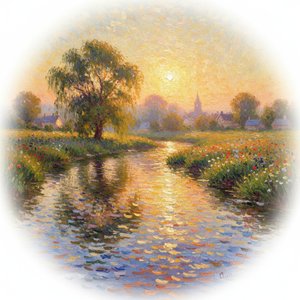
Capturing Light: A Masterclass in the Ethereal Beauty of Impressionistic Landscapes
Explore the ethereal beauty of Impressionist landscapes. Discover how masters like Monet captured fleeting light through color and texture, and learn to curate these timeless, luminous masterpieces for your home collection.

Romantiske landskap: Topp 10 mesterverk for hjemmet – Kunst fra OriginalUniqueArt.com
Oppdag de 10 mest ikoniske romantiske landskapsmaleriene! Fra Caspar David Friedrich til Turner – utforsk kunsthistorien, stemningen og fargepalettene. Finn museumskvalitets reproduksjoner på OriginalUniqueArt.com.


