

 Se i rommet
 Del som digitalt kort
 Del
Del
 Detaljer
 Studentguide

 Last ned
 Liknende objekter
 Røntgen
 Lysbildefremvisning
 Besøksstatistikk
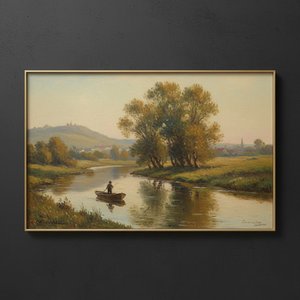
Falls Bridge, Melbourne


 Les mer
Håndlaget oljereproduksjon
Håndmalt olje på lerret i din valgte størrelse og ramme, laget på bestilling av våre kunstnere. ( Bytt til trykkversjon Gå til digitalt bilde)




P118B Nkr10

P118H Nkr10

P118W Nkr10

P438Z Nkr10

P508JH Nkr12

P508YH Nkr12

P805H Nkr10

P805Z Nkr10

P919BZ Nkr10

P919G Nkr10

P919XJ Nkr10

P959ZH Nkr10

P968JZ Nkr12

W106C Nkr8

W218G Nkr10

W218JH Nkr8

W218Y Nkr10

W307PJ Nkr10

W316G Nkr10

W316PJ Nkr8

W316Y Nkr10

W398PJ Nkr8

W4111J Nkr10

W500HY Nkr15

W500JH Nkr15

W692G Nkr12

W849H Nkr8

W940BG Nkr15

W953PJ Nkr8




Velg mellom våre forhåndsdefinerte størrelser som bevarer kunstverkets opprinnelige proporsjoner.

Skriv inn bredden og høyden du trenger, slik at den passer til din ramme eller vegg. Dette er håndmalt, så for en størrelse med en annen form kan kunstneren male litt mer rundt bildet, eller beskjære det noe — du velger selv. Vi sender deg en digital mockup for godkjenning før maleriet påbegynnes. Bildet som vises på denne siden viser ikke det faktiske resultatet — kun mockuppen gjør det.
Etter bestilling vil OriginalUniqueArt.com-teamet sende e-post til kunden for instruksjoner og sende et utkast (mockup) som forhåndsvisning.
Verdensomspennende levering () på 3–4 uker i stedet for standard 5 uker. (23 October). Ingen kompromisser med kvaliteten.

Gratis ekspressfrakt over hele verden

Lerretsduk av høykvalitets lin

Full transportforsikring

Garanti for refusjon av toll og importavgifter

Garantert fargeekthet

100 dagers returrett ved fabrikasjonsfeil

100% pengene tilbake-garanti

Mengderabatt
 Glassalternativet er kun tilgjengelig i størrelser under 110 cm

Falls Bridge, Melbourne
Reproduksjonsmetode
Format på reproduksjon
-


Totalpris
Nkr 2844
A Moment Frozen in Time: Frederick McCubbin’s Falls Bridge
Frederick McCubbin's “Falls Bridge, Melbourne” isn’t merely a depiction of a river crossing; it’s a poignant snapshot of late 19th-century Australian life. Painted in 1882 during his formative years within the Heidelberg School, this oil on canvas transports us to a serene and familiar landscape – a scene both intimately local and profoundly evocative. The painting captures a fleeting moment: a warm afternoon light bathing the Yarra River, the sturdy Falls Bridge spanning its course, and the quiet activity of daily life unfolding along its banks. McCubbin’s genius lies in his ability to distill this experience into a composition that is simultaneously detailed and deeply atmospheric, inviting the viewer to step directly into the scene.

The painting’s strength resides in its masterful use of light and color. Notice how McCubbin employs loose, expressive brushstrokes – a hallmark of the Heidelberg School – to capture the shimmering reflections on the water's surface. The warm hues of gold and amber dominate, suggesting either a setting sun or rising dawn, imbuing the scene with a sense of tranquility and nostalgia. The artist’s deliberate blurring of details, characteristic of Impressionism, prioritizes mood and atmosphere over photographic accuracy. This technique creates an almost dreamlike quality, drawing us into the heart of the moment.
Technique and Style: Heidelberg's Legacy
McCubbin’s style is a fascinating blend of naturalism and Impressionistic influence. He meticulously observes the details of his subject – the bridge’s construction, the boats navigating below, the figures strolling along the bank – yet he renders them with a loose, painterly approach. This technique, deeply rooted in the Heidelberg School's philosophy, sought to capture the essence of Australian light and landscape rather than creating a strictly realistic representation. The visible brushstrokes aren’t haphazard; they contribute significantly to the painting’s texture and dynamism, suggesting movement and life within the scene.
The composition itself is carefully considered. The horizontal format emphasizes the expanse of the river and the bridge's dominance. The foreground, anchored by a muddy bank and a horse-drawn cart, provides a grounding element while drawing the eye towards the midground – the bustling activity beneath the bridge. The distant hills and hazy sky create a sense of depth and perspective, further enhancing the painting’s immersive quality. McCubbin's use of atmospheric perspective—making distant elements paler and less defined—is particularly effective in conveying the vastness of the landscape.
A Window into Melbourne’s Past
“Falls Bridge, Melbourne” offers more than just a beautiful landscape; it provides a valuable glimpse into the social and cultural fabric of late 19th-century Melbourne. The presence of the bridge itself – a vital link between the city and its surrounding areas – symbolizes progress and connectivity. The figures on the bridge represent everyday life: workers, travelers, perhaps families enjoying a leisurely afternoon. The horse-drawn cart hints at the region’s agricultural roots and the reliance on traditional modes of transport. This painting is not simply about a physical location; it's about capturing the spirit of a community and its relationship to the land.
Furthermore, McCubbin’s work reflects a broader trend in Australian art at the time – a desire to establish a distinctly national identity through depictions of familiar landscapes and scenes. His paintings often explored themes of rural life, pioneering spirit, and the challenges faced by settlers in a new land. “Falls Bridge, Melbourne” stands as a testament to this artistic movement and its enduring legacy.
Bringing McCubbin’s Vision Home: High-Quality Reproductions
For art enthusiasts seeking to experience the beauty and historical significance of “Falls Bridge, Melbourne,” OriginalUniqueArt.com offers meticulously crafted hand-painted reproductions that faithfully capture the essence of this iconic artwork. Our skilled artists utilize premium materials and techniques to ensure a faithful representation of McCubbin’s original vision, bringing the painting's atmosphere and detail to life in stunning clarity. Explore our collection today and own a piece of Australian art history.
Spørsmål og svar
Kan jeg se en forhåndsvisning av "Falls Bridge, Melbourne" av Frederick McCubbin før jeg bestiller?
En forhåndsvisning av "Falls Bridge, Melbourne" av Frederick McCubbin er tilgjengelig på kunstverkets Forhåndsvisning-side.
Er "Falls Bridge, Melbourne" av Frederick McCubbin i det frie domene (public domain), og hvorfor?
Opphavsrettslig status for "Falls Bridge, Melbourne" - i det frie domene – opphavsretten har utløpt - følger av kunstnerens dødsår i 1917.
Hvor kan jeg kjøpe en håndmalt reproduksjon av "Falls Bridge, Melbourne" av Frederick McCubbin?
Håndmalte kopier av "Falls Bridge, Melbourne" av Frederick McCubbin selges på denne nettsiden: en håndmalt oljereproduksjon på linlerret, bestilt fra dens Håndmalt reproduksjon-side.
Kunstnerbiografi
A Life Rooted in the Australian Landscape
Frederick McCubbin, born February 25th, 1855, in Melbourne, Australia, stands as a cornerstone of Australian art—a figure inextricably linked to the nation’s evolving identity and its distinctive visual language. His journey from humble beginnings—the son of bakers who instilled in him a profound work ethic—to becoming a pivotal member of the Heidelberg School is testament to his unwavering dedication and artistic vision. McCubbin's formative years were marked by diverse experiences, beginning with his early education at William Willmett’s West Melbourne Common School and St Paul’s School, Swanston Street, followed by employment as solicitor’s clerk and assisting in the family bakery—all shaping his understanding of everyday Australian life, a theme that would permeate throughout his oeuvre. He received foundational artistic training at the National Gallery of Victoria's School of Design, studying under esteemed artists like Eugene von Guerard and George Folingsby, honing his skills in landscape painting while absorbing the prevailing artistic currents of the time—particularly the Romantic movement’s emphasis on emotion and sublime beauty.The Heidelberg School and Defining a National Aesthetic
A crucial turning point arrived with his enduring friendship with Tom Roberts, a bond that would profoundly influence Australian art history. Together, they established Box Hill Artists' Camp in 1885—a landmark event propelling the Heidelberg School movement forward. This plein air collective—soon bolstered by Arthur Streeton and Charles Conder—embraced the raw splendor and challenging realities of the Australian environment, rejecting the conventions of European academic painting. They sought to capture the essence of Australian life with unprecedented immediacy and authenticity, prioritizing observation and capturing fleeting moments of light and color. McCubbin’s contributions during this period were instrumental in shaping a distinctly Australian aesthetic—one that prioritized emotional resonance over formal precision. His paintings from Box Hill Camp, such as *Down on His Luck* (1889) and *On the Wallaby Track* (1896), exemplify this approach, depicting scenes of rural life with remarkable detail and capturing the melancholic beauty of the bushland—a visual language that would become synonymous with Australian identity. The Heidelberg School artists deliberately eschewed academic traditions, favoring instead a style characterized by loose brushstrokes and vibrant hues—reflecting the influence of Impressionism and Barbizon painters like Jules Bastien-Lepage and Millet.Early Artistic Training and Influences
McCubbin’s artistic development was nurtured at the National Gallery of Victoria Art School under Eugène von Guerard and George Folingsby, who instilled in him a disciplined approach to painting while exposing him to classical ideals. Von Guerard's influence is evident in McCubbin’s early landscapes—characterized by meticulous detail and a serene contemplation of nature—reflecting the Romantic tradition’s fascination with sublime beauty and emotional expression. Folingsby’s emphasis on academic technique provided McCubbin with a grounding in traditional methods, shaping his understanding of composition and perspective. However, McCubbin's artistic vision extended beyond these influences; he was deeply moved by the Impressionist movement—particularly Turner—whose exploration of atmospheric effects and subjective perception inspired him to experiment with looser brushwork and brighter colors. This transformative encounter fueled a shift toward capturing fleeting moments of light and color—a hallmark of his later paintings.Major Achievements and Iconic Landscapes
McCubbin’s artistic career culminated in monumental history paintings that solidified his reputation as Australia's foremost painter of national narratives. *On the Wallaby Track* (1896), depicting the hardships endured by Australian pastoralists during a period of economic depression, stands as an emblem of this genre—a testament to McCubbin’s ability to convey emotion and social commentary through masterful technique. The painting's dramatic lighting and evocative depiction of the bushland capture the spirit of resilience and perseverance—themes that resonated deeply with audiences at the time and continue to inspire admiration today. Similarly, *The Pioneer* (1904) portrays a scene of Australian settlement—a celebration of courage and determination against formidable odds—demonstrating McCubbin’s unwavering commitment to exploring themes of national identity. His landscapes from Mt Macedon—particularly *Landscape* (c. 1914)—are considered among his finest achievements—characterized by luminous colors and a profound appreciation for the beauty of the Australian bush. These paintings exemplify McCubbin's artistic prowess—his ability to capture atmospheric effects and convey emotion with remarkable subtlety.Legacy and Enduring Influence
Frederick McCubbin’s legacy extends far beyond his individual artworks; he served as a mentor to countless aspiring artists, fostering a generation of painters who embraced the Heidelberg School aesthetic. He championed Australian art—its exploration of national identity and its engagement with the natural world—leaving an indelible mark on the artistic landscape of Australia. Barry Pearce eloquently summarized McCubbin’s contribution: “When he died,” Pearce wrote, “McCubbin was one of the very few Australian painters who found an exalted resolution of vision that progressed with age, so that some of his greatest paintings were made in the last ten years of his life.” His enduring influence continues to inspire artists today—affirming McCubbin’s place as a true visionary and one of Australia's most beloved painters.
Frederick McCubbin
1855 - 1917 , Australia
Kort om kunstneren
- Artistic Movement Or Style: Heidelberg School
- Artists Or Movements Influenced By This Artist:
- J.M.W. Turner
- French Impressionists
- Artists Who Influenced This Artist:
- Eugene von Guerard
- George Folingsby
- Date Of Birth: Feb 25, 1855
- Date Of Death: Dec 20, 1917
- Full Name: Frederick McCubbin
- Nationality: Australian
- Notable Artworks:
- On the Wallaby Track
- Down on His Luck
- The Pioneer
- Place Of Birth: Melbourne, Australia
Relaterte artikler

Hudson River School: Topp 10 Malerverk som Definerte en Epoke – Kunst og Dekorasjon
Opplev Hudson River School! Utforsk 10 ikoniske malerier av Thomas Cole, Frederic Church og andre mestere. Lær om romantikkens landskapskunst og finn inspirasjon til din interiørdesign på OriginalUniqueArt.com – museumskvalitet reproduksjoner online.

The Sublime Landscape: Exploring the Hudson River School Movement
Explore the captivating world of the Hudson River School! Discover the history, artists, and defining characteristics of this iconic American art movement. Learn about Romanticism's influence & find inspiration for your collection.
Jean-Baptiste-Camille Corot: A Poetic Realism – Bridging the Barbizon School and Early Impressionism
Explore the life & art of Camille Corot, a pivotal figure bridging the Barbizon School & Impressionism. Discover his poetic realism, signature style, and lasting influence on landscape painting. Learn more at OriginalUniqueArt.

John Frederick Kensett: Luminosity, Landscape & the American Identity
Explore the luminous landscapes of John Frederick Kensett, a master of Luminism and key figure in the Hudson River School. Discover his serene paintings & enduring legacy with OriginalUniqueArt.

The Hague School: Realism, Atmosphere & the Dawn of Dutch Impressionism
Explore the Hague School's pivotal role in Dutch art history. Discover realism, atmospheric landscapes & its influence on Impressionism. Learn about key artists like Mauve & Maris with OriginalUniqueArt.
