
 Forhåndsvisning
 Send
Send Del
Del
 Vis detaljer
 Utskriftsvennlig guide

 Last ned bilde
 Liknende objekter
 Røntgenundersøkelse
 Lysbildefremvisning
 Q&A
Q&A Statistikk
The Empress Eugénie

- 92.0 x 73.0 cm


 Vis hele teksten
Få en utskriftsklar fil som går langt utover forhåndsvisningen på nett. Hvert digitale bilde vi selger er hentet fra en høyoppløselig master i vår database – vanligvis mellom 5 000 og 15 000 piksler bred – slik at du kan trykke stort, beskjære tett eller gjenskape fine detaljer med full trygghet.
Ingen filer forlater studioet vårt uten å bli bearbeidet. En digital ekspert kontrollerer fargene mot det originale maleriet og korrigerer dem ved behov, for deretter å forbedre klarhet og detaljrikdom med profesjonelle retusjeringsverktøy — alltid tro mot kunstnerens penselstrøk og stil. Resultatet er et bilde som fremstår som selve maleriet, ikke som en skann med filter.
Du godkjenner før ferdigstilling: vår ekspert sender bildet på e-post til din vurdering innen 72 timer. Ikke fornøyd? Be om forbedringer eller korrigeringer, eller be om refusjon dersom kvaliteten ikke svarer til forventningene.
Dette er kvaliteten forlag, designstudioer, gallerier og trykkerier stoler på.
Digitalt bilde
Last ned en høyoppløselig fil til personlig bruk, utskrift og kreative prosjekter. ( Bytt til trykk Kjøp håndmalt maleri)
Inkludert i alle bestillinger av digitale bilder
Ekspert på digital levering, garantert
Når du velger OriginalUniqueArt.com, får du ikke bare et bilde – du mottar et profesjonelt etterbehandlet digitalt kunstverk, skapt med presisjon og med en garantert tilfredshetsgaranti. Her er alt som automatisk følger med din bestilling:

Rask levering på e-post
Din høyoppløselige digitale bildefil sendes til din e-post innen 72 timer etter bestilling – klar til umiddelbar bruk.

KI-forbedret digital fil
Ditt kunstverk blir profesjonelt optimalisert ved hjelp av avanserte AI-verktøy og manuell redigering, noe som sikrer maksimal detaljrikdom, klarhet og fargegjengivelse.

Gratis livslang nyutlevering
Har du ved et uhell slettet eller mistet filen din? Ingen bekymring – vi sender den på nytt når som helst, helt gratis.

Ingen importavgifter – noen gang
Nyt ditt kunstverk umiddelbart uten toll, avgifter eller leveringskostnader – digitale nedlastinger er alltid avgiftsfrie.

Garantert fargenøyaktighet
Vi sikrer at det digitale bildet gjenspeiler de originale fargene så nøyaktig som mulig ved hjelp av profesjonelle verktøy og fargehåndtering.

100 dagers fornøydhetsgaranti
Hvis du ikke er fornøyd med ditt digitale bilde, vil vi revidere det eller refundere 100% innen 100 dager – uten spørsmål.

100% Penggaranti
Ikke fornøyd? Få full refusjon innen 100 dager etter at du har mottatt din digitale fil – uten spørsmål.

Rabatt ved storkjøp
Kjøp 3 bilder, spar 10% - Kjøp 5, spar 15% - Kjøp 10+, spar 20%. Ideelt for kreative prosjekter, gallerier og byråer.
The Radiance of Imperial Elegance
To gaze upon this portrait of The Empress Eugénie is to step directly into the gilded salons of mid-nineteenth-century Europe. Franz Xavier Winterhalter, master chronicler of aristocracy and empire, has captured not merely a likeness, but an entire epoch—a moment suspended between Romantic flourish and structured imperial power. The subject, resplendent in her luminous yellow gown accented with delicate blue trim, commands the viewer's attention from every angle. Her posture suggests effortless grace, while the tiara crowning her brow speaks volumes of her elevated status. It is a vision of controlled magnificence, where every fold of fabric and every gesture contributes to an overwhelming aura of regal poise.
A Masterclass in Salon Portraiture
Winterhalter’s technique here is nothing short of breathtaking. His ability to render luxurious textiles—the way the yellow silk catches the light, the delicate ruffles cascading down her skirt—is unparalleled. One can almost feel the weight and texture of the fabric through the painted surface. Beyond the central figure, the background unfolds with a sense of vibrant activity; other figures populate the pathway, lending depth and narrative movement to what might otherwise be a static portrait. This masterful composition draws the eye inexorably toward Eugénie, establishing her as the undeniable focal point against a backdrop of social life.
Historical Echoes and Symbolism
Painted in 1854, this work situates itself at a fascinating crossroads in European history. It embodies the height of imperial grandeur while hinting at the societal shifts that would follow. The yellow dress, often associated with joy and prominence, combined with the formality of her attire, speaks to the immense cultural weight carried by figures like Empress Eugénie herself. She represents an ideal—the perfect synthesis of feminine beauty, political influence, and impeccable taste. Owning a reproduction of this piece is not just acquiring art; it is curating a tangible piece of historical narrative for your own space.
Bringing Courtly Drama Home
For the discerning collector or designer whose interiors echo classical opulence, this painting offers unparalleled decorative impact. The rich palette, dominated by sunny yellows and cool blues against softer background tones, provides an immediate focal point capable of elevating any drawing-room, gallery wall, or grand foyer. Winterhalter’s enduring appeal lies in his ability to make the monumental feel intimate, allowing the viewer a moment of connection with historical splendor. It is a piece that whispers tales of balls, diplomacy, and unparalleled courtly life.
CLASSIFICATION: Art ReproductionSpørsmål og svar
Hva er "The Empress Eugénie" laget med, og i hvilken stil?
"The Empress Eugénie" av Franz Xaver Winterhalter kombinerer Oil On Canvas-teknikken med Romanticism-stilen. Teknikk og stilretning beskriver verkets utførelse og estetiske uttrykk.
Hvilken orientering har "The Empress Eugénie" av Franz Xaver Winterhalter?
Formatet på "The Empress Eugénie" er Portrait. Dette er nyttig når du planlegger hvor en reproduksjon skal plasseres.
Hva har "The Empress Eugénie" til felles med resten av Franz Xaver Winterhalter sin produksjon?
"The Empress Eugénie" deler med Franz Xaver Winterhalters andre verk sin Romanticism-stil og de gjentakende temaene: imperial grandeur of era, formal portraiture tradition, status and aristocracy display, winterhalter's royal commissions.
Om kunstneren
A Painter of Kings and Queens: The Life and Art of Franz Xaver Winterhalter
Born in the secluded Black Forest village of Menzenschwand in 1805, Franz Xaver Winterhalter ascended from humble beginnings to become one of Europe’s most sought-after portraitists. His story is not merely that of an artist achieving technical mastery, but of a man who captured an era – the age of burgeoning Romanticism giving way to Victorian propriety and imperial grandeur. The son of a farmer and resin producer, Winterhalter's early life was steeped in the rhythms of rural Germany, yet his artistic inclinations quickly set him apart. A strong family bond, particularly with his painter brother Hermann, nurtured his creative spirit, while formal training at a Benedictine monastery and later under Karl Ludwig Schüler in Freiburg provided foundational skills in drawing and engraving. This initial grounding proved crucial as he transitioned to Munich, securing support from Baron von Eichtal and eventually studying at the Academy of Arts, though finding its academic rigidity somewhat stifling. It was Joseph Karl Stieler, a master of fashionable portraiture, who truly guided his development during these formative years.From Karlsruhe to Parisian Heights: Establishing a Royal Reputation
Winterhalter’s breakthrough arrived in 1828 when he became drawing master to Sophie Margravine of Baden at Karlsruhe. This appointment wasn't simply a job; it was an entry point into the intricate world of European royalty. His talent for capturing likeness and imbuing his subjects with an air of elegance quickly gained recognition, leading to commissions from Grand Duke Leopold of Baden and his wife. However, it was Paris that truly cemented Winterhalter’s fame. Arriving in the French capital in the 1830s, he skillfully navigated the artistic landscape, exhibiting genre scenes like *Il dolce Farniente* and *Il Decameron*, which showcased his academic training while hinting at a burgeoning Romantic sensibility. These works garnered critical attention, but it was his portraits that truly captivated the aristocracy. He became a favorite of King Louis-Philippe, executing over thirty commissions for the royal family and establishing himself as the go-to portraitist for those seeking to project an image of power, refinement, and dynastic legitimacy. His ability to blend realism with flattery – to present his sitters at their most idealized while remaining recognizably themselves – proved irresistible. He developed a distinctive style characterized by smooth surfaces and luminous colors, reflecting the elegance and sophistication of the era.The Victorian Embrace: A Painter of Imperial Majesty
Winterhalter’s reputation extended beyond France, reaching the British Isles and capturing the attention of Queen Victoria. In 1841, he was summoned to England, initiating a prolific relationship that would see him create over one hundred portraits for the Royal Collection. These weren't merely official commissions; they were intimate glimpses into the lives of the royal family, often commissioned as personal gifts. His portrait of Queen Victoria in 1843, a small and exquisitely detailed work, exemplifies his ability to capture not just physical likeness but also a sense of personality and emotion. The painting, gifted by Victoria to Prince Albert, depicts the young queen with a vulnerable intimacy that belies her regal status. This success solidified Winterhalter’s position as *the* portraitist of European royalty, sought after by Empress Eugénie in France, Empress Elisabeth of Austria, and countless other noble figures. He became a master of dynastic image-making, shaping how these powerful families presented themselves to the world. His work during this period reflected the growing influence of the British Empire and the Victorian fascination with grandeur and ceremony.Style and Legacy: Beyond Likeness
While often criticized by artistic circles for prioritizing flattery over innovation, Winterhalter’s work holds a significant place in art history. His style is characterized by its meticulous detail, luminous color palette, and ability to capture the textures of fabrics and jewels with breathtaking realism. He skillfully blended Romantic sensibilities with Neoclassical precision, creating portraits that were both visually stunning and psychologically insightful. His paintings weren’t simply representations; they were carefully constructed narratives about power, status, and identity. Though he wasn't a revolutionary in the same vein as Delacroix or Courbet, his influence was pervasive. He established a standard for royal portraiture that endured for decades, and his works provide invaluable historical documentation of 19th-century European society. His legacy lies not just in the beauty of his paintings but also in their ability to transport us back to an era of opulent courts, intricate diplomacy, and unwavering social hierarchies. Today, his artworks continue to fascinate, offering a window into a world of elegance, ambition, and enduring artistic skill.A Lasting Impression
Franz Xaver Winterhalter died in Frankfurt in 1873, leaving behind a vast body of work that continues to be celebrated for its technical brilliance and historical significance. His paintings can be found in prominent museums and royal collections around the world, including the National Portrait Gallery in London, the Musée d’Orsay in Paris, and Buckingham Palace.- His ability to capture the essence of his sitters, combined with his mastery of technique, ensured his place as a leading portraitist of his time.
- He remains an important figure for understanding the visual culture of 19th-century Europe and the role of art in shaping perceptions of power and status.
- His works offer a captivating glimpse into the lives of royalty and aristocracy, providing invaluable insights into their world.
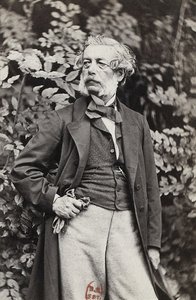
Franz Xaver Winterhalter
1805 - 1873 , Tyskland
Kort om kunstneren
- Artistic Movement Or Style: Romantikk, portrettkunst
- Artists Or Movements Influenced By This Artist: ['Neoklassisisme']
- Artists Who Influenced This Artist:
- Peter von Cornelius
- Joseph Karl Stieler
- Date Of Birth: 20 Apr 1805
- Date Of Death: 8 Jul 1873
- Full Name: Franz Xaver Winterhalter
- Nationality: Tysk
- Notable Artworks:
- Empress Eugenie...
- Florinda
- Il dolce farniente
- Place Of Birth: Menzenschwand, Tyskland