 Forhåndsvisning
 Send
Send Del
Del
 Vis detaljer
 Utskriftsvennlig guide

 Last ned bilde
 Liknende objekter
 Røntgenundersøkelse
 Lysbildefremvisning
 Spørsmål og svar
 Statistikk
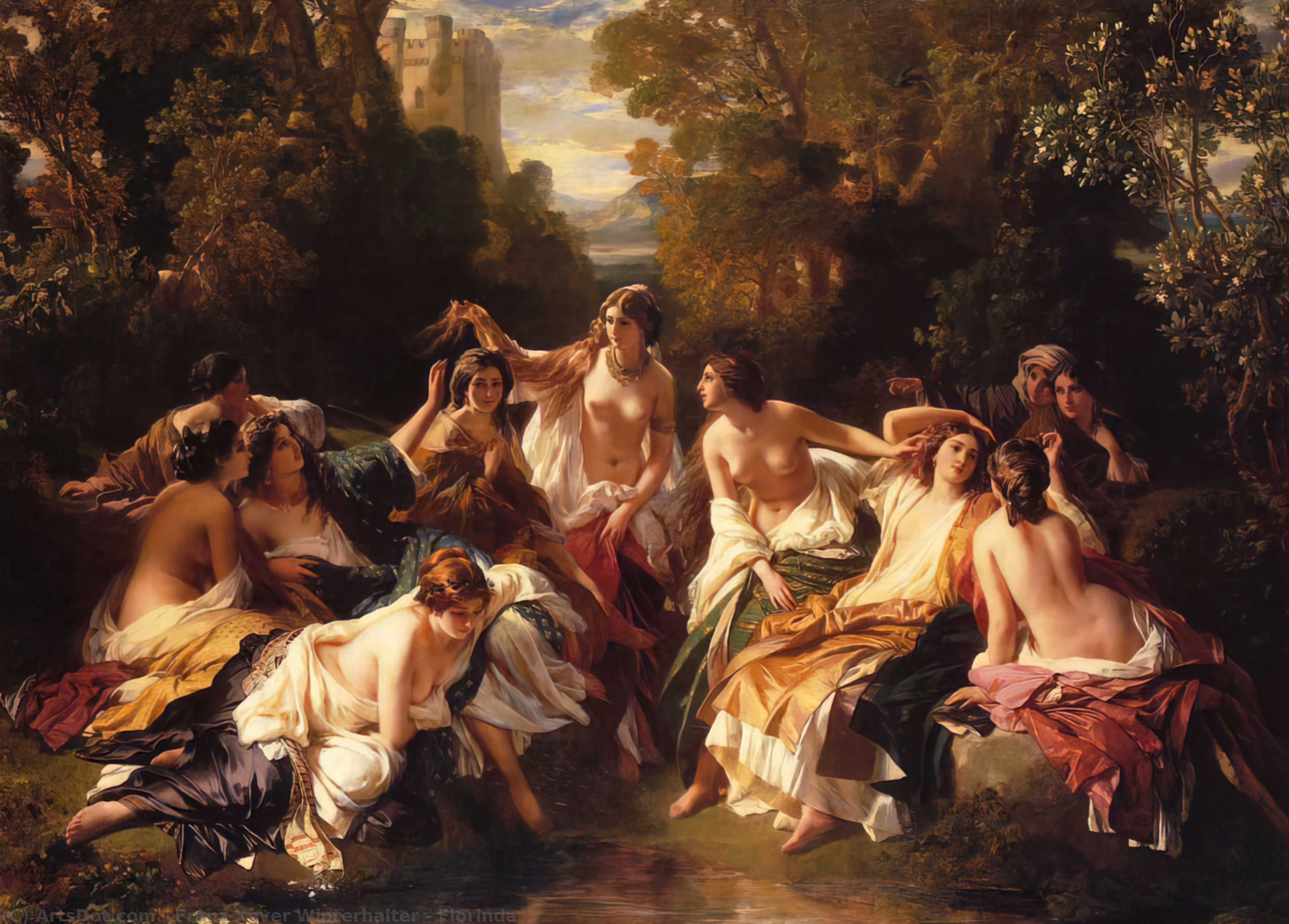
Florinda

- 178.0 x 246.0 cm


 Vis hele teksten
Giclée / Kunsttrykk
Giclée- eller lerretsprint av museumskvalitet med rask produksjon og fleksible valgmuligheter for etterbehandling. ( Kjøp håndmalt maleri Bytt til digitalt bilde)




P118B Nkr10

P118H Nkr10

P118W Nkr10

P438Z Nkr10

P508JH Nkr12

P508YH Nkr12

P805H Nkr10

P805Z Nkr10

P919BZ Nkr10

P919G Nkr10

P919XJ Nkr10

P959ZH Nkr10

P968JZ Nkr12

W106C Nkr8

W218G Nkr10

W218JH Nkr8

W218Y Nkr10

W307PJ Nkr10

W316G Nkr10

W316PJ Nkr8

W316Y Nkr10

W398PJ Nkr8

W4111J Nkr10

W500HY Nkr15

W500JH Nkr15

W692G Nkr12

W849H Nkr8

W940BG Nkr15

W953PJ Nkr8




Velg mellom våre forhåndsdefinerte størrelser som bevarer kunstverkets opprinnelige proporsjoner.

Skriv inn ønsket bredde og høyde for å tilpasse trykket til din ramme eller vegg. Et trykk kan kun beskjæres, aldri skaleres opp utover motivets opprinnelige størrelse, noe som betyr at et format med andre proporsjoner vil føre til tap av deler av bildet. Vi sender deg en digital mockup for godkjenning før vi starter trykkeprosessen. Bildet som vises på denne siden viser ikke den faktiske beskjæringen — det er kun mockuppen som viser dette.
Verdensomspennende levering () på 2 uker i stedet for standard 4/5 uker. (9 November)

Gratis ekspressfrakt over hele verden

Lerretsduk av lin av høy kvalitet

Full transportforsikring

Garanti for refusjon av toll og importavgifter

Garantert fargegjengivelse

100 dagers returrett ved fabrikasjonsfeil

100% pengene tilbake-garanti

Rabatt ved flere kjøp
 Glassalternativet er kun tilgjengelig i størrelser under 110 cm

Florinda
Giclée / Kunsttrykk
Størrelse på reproduksjon
-


Totalpris for valgte alternativer
Nkr 775
Enchantment i Natur: Florinda av Franz Xaver Winterhalter
Franz Xaver Winterhalter’s “Florinda” fra 1853 er mer enn bare et maleri; det er en innbydende reise inn i en verden av vennskap, glede og naturlig skjønnhet. Dette verkets livlige scene, fylt med figurer som deltar i lekne interaksjoner, inviterer oss til å oppleve en følelse av fellesskap og forbindelse – et øyeblikk fanget for all evighet. Winterhalter, kjent for sin evne til å fange aristokratiets eleganse, har her blandet realistisk skildring med en romantisk drøm, og skapt et kunstverk som både fascinerer og berører.
Maleriets komposisjon er et mesterverk i seg selv. Winterhalter arrangerer figurene i en dynamisk, men likevel harmonisk sirkel, hvor bevegelse og energi strømmer gjennom scenen. De flytende linjene og de organiske formene skaper en følelse av liv, mens den omhyggelige balansen mellom lys og skygge gir dybde og dimensjon til bildet. Det rike teksturarbeidet – fra de myke hudtonene til det strømmende stoffet i kleddene – demonstrerer Winterhalters tekniske ferdigheter og hans utmerkede øye for detaljer. Fargene, dominerte av varme jordfarger som brunt, gull og grønt, skaper en behagelig harmoni, mens subtile nyanser legger til et lag av kompleksitet og dybde.
Historisk Kontekst og Det Romantiske Arvet
Winterhalter var en sentral figur i det romantiske kunstmiljøet i Europa. Han var spesielt kjent for sine portretter av kongelige og overklassen, og hans arbeid reflekterer den tids ånd – en periode preget av både aristokratisk pomp og en økende interesse for følelser og natur. “Florinda” er et eksempel på Winterhalters evne til å kombinere disse elementene, og skape et bilde som er både realistisk og drømmende. Han var dyktig i kunsten å fremheve sitteforholdets skjønnhet samtidig som han flørtet med deres status, noe som gjorde ham svært ettertraktet blant de mektigste i Europa.
Symbolikk og Emosjonell Innvirkning
Landskapet i “Florinda” er mer enn bare en bakgrunn; det er et symbol. Det kan tolkes som et uttrykk for renhet eller en forbindelse til jorden, mens den fjerne strukturen – kanskje en slott eller et herskapshus – representerer sivilisasjon og orden. Det overordnede temaet er glede og fellesskap, med figurer som interagerer på måter som antyder en delt opplevelse. Denne følelsen av enhet og feiring gjør maleriet til et kraftfullt uttrykk for menneskelig forbindelse – et øyeblikk av ekte lykke fanget i maleriets lerret.
En Klassisk Skjønnhetsideál
“Florinda” er et eksempel på den klassiske skjønnhetsidealen som var populær i 1800-tallet. Figurenes nakenhet, kombinert med deres elegante positurer og harmoniske proporsjoner, reflekterer en idealisert forestilling om menneskelig skjønnhet. Winterhalter har brukt sin tekniske dyktighet til å skildre disse figurene med stor detalj og finesse, og skapt et bilde som er både vakker og inspirerende. Dette maleriet er et testament til Winterhalters evne til å fange essensen av aristokratiets eleganse og den romantiske æraens idealer.
Spørsmål og svar
Finnes det et faktablad om "Florinda" av Franz Xaver Winterhalter for studenter?
Faktablad for studenter-siden for "Florinda" av Franz Xaver Winterhalter tilbyr et utskrivbart faktaark på to sider: kunstverket med sin identitetstabell, en tidslinje som plasserer det i kunstnerens levetid, andre verk av kunstneren, den målte fargepaletten og ferdigformaterte kildehenvisninger i fire stiler.
Hvilken kunstretning tilhører "Florinda" av Franz Xaver Winterhalter?
"Florinda" er et verk innenfor Romantic Realism. Retningen angir den kunstneriske tradisjonen verket er en del av.
Hvem skapte "Florinda", og i hvilket år?
Kunstneren bak "Florinda" er Franz Xaver Winterhalter, og verket er fra 1853.
Om kunstneren
A Painter of Kings and Queens: The Life and Art of Franz Xaver Winterhalter
Born in the secluded Black Forest village of Menzenschwand in 1805, Franz Xaver Winterhalter ascended from humble beginnings to become one of Europe’s most sought-after portraitists. His story is not merely that of an artist achieving technical mastery, but of a man who captured an era – the age of burgeoning Romanticism giving way to Victorian propriety and imperial grandeur. The son of a farmer and resin producer, Winterhalter's early life was steeped in the rhythms of rural Germany, yet his artistic inclinations quickly set him apart. A strong family bond, particularly with his painter brother Hermann, nurtured his creative spirit, while formal training at a Benedictine monastery and later under Karl Ludwig Schüler in Freiburg provided foundational skills in drawing and engraving. This initial grounding proved crucial as he transitioned to Munich, securing support from Baron von Eichtal and eventually studying at the Academy of Arts, though finding its academic rigidity somewhat stifling. It was Joseph Karl Stieler, a master of fashionable portraiture, who truly guided his development during these formative years.From Karlsruhe to Parisian Heights: Establishing a Royal Reputation
Winterhalter’s breakthrough arrived in 1828 when he became drawing master to Sophie Margravine of Baden at Karlsruhe. This appointment wasn't simply a job; it was an entry point into the intricate world of European royalty. His talent for capturing likeness and imbuing his subjects with an air of elegance quickly gained recognition, leading to commissions from Grand Duke Leopold of Baden and his wife. However, it was Paris that truly cemented Winterhalter’s fame. Arriving in the French capital in the 1830s, he skillfully navigated the artistic landscape, exhibiting genre scenes like *Il dolce Farniente* and *Il Decameron*, which showcased his academic training while hinting at a burgeoning Romantic sensibility. These works garnered critical attention, but it was his portraits that truly captivated the aristocracy. He became a favorite of King Louis-Philippe, executing over thirty commissions for the royal family and establishing himself as the go-to portraitist for those seeking to project an image of power, refinement, and dynastic legitimacy. His ability to blend realism with flattery – to present his sitters at their most idealized while remaining recognizably themselves – proved irresistible. He developed a distinctive style characterized by smooth surfaces and luminous colors, reflecting the elegance and sophistication of the era.The Victorian Embrace: A Painter of Imperial Majesty
Winterhalter’s reputation extended beyond France, reaching the British Isles and capturing the attention of Queen Victoria. In 1841, he was summoned to England, initiating a prolific relationship that would see him create over one hundred portraits for the Royal Collection. These weren't merely official commissions; they were intimate glimpses into the lives of the royal family, often commissioned as personal gifts. His portrait of Queen Victoria in 1843, a small and exquisitely detailed work, exemplifies his ability to capture not just physical likeness but also a sense of personality and emotion. The painting, gifted by Victoria to Prince Albert, depicts the young queen with a vulnerable intimacy that belies her regal status. This success solidified Winterhalter’s position as *the* portraitist of European royalty, sought after by Empress Eugénie in France, Empress Elisabeth of Austria, and countless other noble figures. He became a master of dynastic image-making, shaping how these powerful families presented themselves to the world. His work during this period reflected the growing influence of the British Empire and the Victorian fascination with grandeur and ceremony.Style and Legacy: Beyond Likeness
While often criticized by artistic circles for prioritizing flattery over innovation, Winterhalter’s work holds a significant place in art history. His style is characterized by its meticulous detail, luminous color palette, and ability to capture the textures of fabrics and jewels with breathtaking realism. He skillfully blended Romantic sensibilities with Neoclassical precision, creating portraits that were both visually stunning and psychologically insightful. His paintings weren’t simply representations; they were carefully constructed narratives about power, status, and identity. Though he wasn't a revolutionary in the same vein as Delacroix or Courbet, his influence was pervasive. He established a standard for royal portraiture that endured for decades, and his works provide invaluable historical documentation of 19th-century European society. His legacy lies not just in the beauty of his paintings but also in their ability to transport us back to an era of opulent courts, intricate diplomacy, and unwavering social hierarchies. Today, his artworks continue to fascinate, offering a window into a world of elegance, ambition, and enduring artistic skill.A Lasting Impression
Franz Xaver Winterhalter died in Frankfurt in 1873, leaving behind a vast body of work that continues to be celebrated for its technical brilliance and historical significance. His paintings can be found in prominent museums and royal collections around the world, including the National Portrait Gallery in London, the Musée d’Orsay in Paris, and Buckingham Palace.- His ability to capture the essence of his sitters, combined with his mastery of technique, ensured his place as a leading portraitist of his time.
- He remains an important figure for understanding the visual culture of 19th-century Europe and the role of art in shaping perceptions of power and status.
- His works offer a captivating glimpse into the lives of royalty and aristocracy, providing invaluable insights into their world.
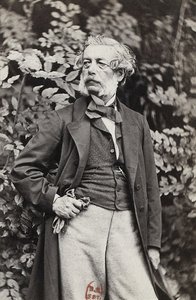
Franz Xaver Winterhalter
1805 - 1873 , Tyskland
Kort om kunstneren
- Artistic Movement Or Style: Romantikk, portrettkunst
- Artists Or Movements Influenced By This Artist: ['Neoklassisisme']
- Artists Who Influenced This Artist:
- Peter von Cornelius
- Joseph Karl Stieler
- Date Of Birth: 20 Apr 1805
- Date Of Death: 8 Jul 1873
- Full Name: Franz Xaver Winterhalter
- Nationality: Tysk
- Notable Artworks:
- Empress Eugenie...
- Florinda
- Il dolce farniente
- Place Of Birth: Menzenschwand, Tyskland
Relaterte artikler

Oljemaleriets varige arv: Teknikk, historie og samtidspraksis
Utforsk oljemaleriets fascinerende historie og teknikker! Lær om mestere, materialer og samtidspraksis. Få ekspertråd og inspirasjon for ditt neste kunstprosjekt.

The Enduring Legacy of Oil on Canvas: Technique, History & Aesthetic Impact
Explore the rich history & techniques of oil painting – from Renaissance masters to Impressionism. Discover pigments, layering methods, and why this timeless medium endures. Expert insights for artists & art enthusiasts.

Oil on Canvas: A Historical & Technical Exploration of a Timeless Artistic Medium
Explore the rich history & enduring techniques of oil painting on canvas. Discover the science behind its longevity, conservation practices, and contemporary relevance. Expert insights for art enthusiasts.

The Enduring Power of Painting: A Historical & Contemporary Exploration of Form and Emotion
Explore the rich history & enduring techniques of oil painting with OriginalUniqueArt. Discover masterpieces, learn about art collecting, and find authentic handmade reproductions crafted by skilled artists.

Oil on Board: A Historical Survey of Technique, Aesthetic Qualities & Enduring Appeal
Explore the rich history of oil on board painting! Discover techniques, aesthetic qualities & enduring appeal from early masters to modern practice. Expert insights for collectors and art enthusiasts.

