

 Se i rommet
 Del som digitalt kort
 Del
Del
 Detaljer
 Studentguide

 Last ned
 Liknende objekter
 Røntgen
 Lysbildefremvisning
 Besøksstatistikk
Zinc Yellow
 Oil On Canvas
- WallArt
- Abstract Expressionism
 1959
1959- Modern
 236.0 x 201.0 cm
 Chrysler Museum of Art
 Les mer
Kunstverket som vises på denne siden er beskyttet av opphavsretten, noe som betyr at vi ikke har juridisk tillatelse til å lage eller selge identiske reproduksjoner. Denne beskyttelsen håndheves i henhold til internasjonale avtaler som for eksempel Bernerkonvensjonen og av nasjonale lover, inkludert de som er fastsatt i Amerikansk opphavsrettslov – Tittel 17.
Denne metoden er i fullt samsvar med opphavsrettslige regler, da den ikke innebærer kopiering eller duplisering av det beskyttede kunstverket. I stedet er det snakk om en kreativ nytolkning – et nytt maleri som er inspirert av originalen, men ikke identisk med den.
Giclée / Kunsttrykk
Giclée- eller lerretsprint av museumskvalitet med rask produksjon og fleksible valgmuligheter for etterbehandling. ( Bestill håndmalt reproduksjon Gå til digitalt bilde)




P118B Nkr10

P118H Nkr10

P118W Nkr10

P438Z Nkr10

P508JH Nkr12

P508YH Nkr12

P805H Nkr10

P805Z Nkr10

P919BZ Nkr10

P919G Nkr10

P919XJ Nkr10

P959ZH Nkr10

P968JZ Nkr12

W106C Nkr8

W218G Nkr10

W218JH Nkr8

W218Y Nkr10

W307PJ Nkr10

W316G Nkr10

W316PJ Nkr8

W316Y Nkr10

W398PJ Nkr8

W4111J Nkr10

W500HY Nkr15

W500JH Nkr15

W692G Nkr12

W849H Nkr8

W940BG Nkr15

W953PJ Nkr8




Velg mellom våre forhåndsdefinerte størrelser som bevarer kunstverkets opprinnelige proporsjoner.

Du kan oppgi egne mål for å tilpasse en spesifikk ramme eller et bestemt område. Dersom den valgte størrelsen ikke samsvarer med det originale bildets proporsjoner, vil vi enten beskjære kunstverket eller utvide bildet med en speilet eller ensfarget kant. En digital mockup vil bli sendt til din godkjenning før produksjonen starter.
Vennligst merk at forhåndsvisningen på skjermen ikke gjenspeiler den faktiske beskjæringen eller utvidelsen. Kun mockuppen vil vise den endelige komposisjonen nøyaktig.
Selv om tilpassede størrelser er tilgjengelige, anbefaler vi å velge et mål fra den forhåndsdefinerte listen for å bevare de originale proporsjonene.
Verdensomspennende levering () på 2 uker i stedet for standard 4/5 uker. (13 October)

Gratis ekspressfrakt over hele verden

Lerretsduk av høykvalitets lin

Full transportforsikring

Garanti for refusjon av toll og importavgifter

Garantert fargeekthet

100 dagers returrett ved fabrikasjonsfeil

100% pengene tilbake-garanti

Mengderabatt
 Glassalternativet er kun tilgjengelig i størrelser under 110 cm

Zinc Yellow
Giclée / Kunsttrykk
Format på reproduksjon
-


Totalpris
Nkr 744
A Symphony of Contrast: The Raw Power of Zinc Yellow
In the pantheon of Abstract Expressionism, few works command the immediate, visceral attention of a room quite like Franz Kline’s Zinc Yellow. Completed in 1959, this monumental canvas serves as a breathtaking masterclass in reductive abstraction, where the boundaries between color and form dissolve into a singular, energetic event. At first glance, the viewer is met with an expansive, luminous field of yellow that seems to vibrate against the stark, structural interruptions of dark grey and black. It is not merely a painting; it is a physical presence. The work eschews traditional subject matter in favor of pure, unadulterated movement, inviting the observer to move beyond the search for recognizable figures and instead surrender to the rhythmic tension of the brushstrokes themselves.
The brilliance of this piece lies in its deceptive simplicity. While it may appear as a spontaneous outburst of emotion—a hallmark of the Action Painting movement—the composition is actually a result of profound, deliberate planning. Kline often utilized small oil studies to map out the architectural weight of his larger works, ensuring that each jagged stroke and heavy block of pigment achieved a perfect, precarious balance. This tension between spontaneity and control creates an intoxicating visual experience; the eye is pulled diagonally across the canvas, caught in a dance between the light-filled yellow expanse and the gravity-defying black forms that anchor the composition.
The Architecture of Emotion: Technique and Texture
To stand before a reproduction of Zinc Yellow is to witness the tactile legacy of the New York School. Kline was a master of impasto, applying oil paints with such density that the canvas transforms into a topographical map of artistic struggle. The thick, sculptural layers of pigment create palpable ridges and valleys, catching the light and casting minute shadows that change as one moves around the piece. This heavy application of paint lends the work a sense of permanence and weight, making it an ideal centerpiece for sophisticated interiors where texture is as vital as color.
The palette is intentionally restrained, yet its impact is maximalist. By limiting his vocabulary to the high-contrast relationship between yellow, black, and white, Kline achieves a clarity that transcends time. The white highlights do not merely sit atop the dark masses; they puncture them, acting as breaths of light that prevent the heavy blacks from becoming stagnant. For the collector or interior designer, this piece offers a unique versatility. Its bold, graphic nature allows it to anchor a minimalist modern space with authority, while its rich, painterly texture provides a necessary warmth and soul to more austere architectural settings.
A Legacy of Movement and Modernity
Historically, Zinc Yellow emerged from a period of intense artistic revolution. As part of the New York School, Kline worked alongside titans like Jackson Pollock and Willem de Kooning, yet he carved out a niche that was uniquely his own. While others sought total abstraction through drips and splatters, Kline utilized the language of structural geometry to convey emotional intensity. His work carries the echoes of the Old Masters—the dramatic chiaroscuro of Rembrandt and the commanding presence of Velázquez—reimagined for a mid-century world grappling with new forms of expression.
Ultimately, the enduring appeal of this masterpiece lies in its ability to evoke a sense of emotional release. There is a primal energy within these strokes that resonates with the human spirit, reflecting both the chaos and the underlying order of our existence. Whether viewed as a study in color theory or an exploration of gestural freedom, Zinc Yellow remains a profound statement of modern identity. It is a work that does not just decorate a wall; it transforms an environment, offering a window into the vigorous, searching heart of one of art history's most compelling visionaries.
Spørsmål og svar
Hvilken metning og intensitet har "Zinc Yellow" av Franz Kline?
Fargene i "Zinc Yellow" av Franz Kline viser en Clear Color Presence metning med en Vivid intensitet.
Hvilken følelse formidler Abstract Expressionism-verket "Zinc Yellow"?
Innenfor Abstract Expressionism-retningen er "Zinc Yellow" nedtegnet med en Energetic tone.
Hvilket rom foreslås det at "Zinc Yellow" plasseres i, med tanke på fargepaletten?
De Pastels fargene i "Zinc Yellow" av Franz Kline harmonerer med det anbefalte rommet: et Living Room.
Hvilket nasjonalt opphav ligger bak Abstract Expressionism-retningen i "Zinc Yellow"?
"Zinc Yellow" ble skapt av Franz Kline, født i USA, innenfor Abstract Expressionism-bevegelsen. Kunstnerens opprinnelse knytter verket til Abstract Expressionism slik det praktiseres av kunstnere fra USA.
Hvor kan jeg se en forhåndsvisning av "Zinc Yellow"?
Siden Forhåndsvisning for "Zinc Yellow" lar deg forhåndsvise kunstverket før du bestiller.
Hvordan beskrives stemningen i "Zinc Yellow" av Franz Kline?
"Zinc Yellow" har en Bold atmosfære.
Hvordan kan jeg se "Zinc Yellow" av Franz Kline som en lysbildefremvisning?
Et lysbildefremvisning er tilgjengelig: siden Lysbildefremvisning for "Zinc Yellow" av Franz Kline.
Hvor kjent er "Zinc Yellow" av Franz Kline?
Popularitetsnivået som er registrert for "Zinc Yellow" av Franz Kline, er Iconic.
Kunstnerbiografi
Et liv smidd i kontraster: Franz Klines verden
Franz Kline, en sentral skikkelse innen den abstrakte ekspresjonismen, forblir en kunstner hvis verk resonnerer med rå kraft og emosjonell dybde. Han ble født i Wilkes-Barre, Pennsylvania, i 1910, og hans liv ble preget av tidlig motgang – farens selvmord da han bare var syv år kastet en lang skygge over barndommen, og påvirket en sensitivitet som senere fant uttrykk i de skarpe kontrastene som definerer hans kunst. Denne formative opplevelsen førte til en nomadisk ungdom og etter hvert opptak ved Girard College, en kostskole i Philadelphia for gutter som hadde mistet sine fedre. Det var her, midt i en strukturert disiplin, at Klines kunstneriske tilbøyeligheter begynte å komme til overflaten, næret av tradisjonell opplæring innen illustrasjon og tegning. Han fortsatte studiene sine ved Boston University og foredlet senere ferdighetene sine ved Heatherley School of Fine Art i London, hvor han fordypet seg i verkene til de gamle mestrene – Rembrandt, Velázquez, El Greco, Goya, Dürer – og absorberte nyansene i japanske tresnitt. Disse tidlige influensene, selv om de tilsynelatende lå langt unna hans endelige abstrakte stil, la et fundament for hans forståelse av komposisjon, lys og linjens ekspressive potensial.Fra representasjon til åpenbaring: Den abstrakte visjonens evolusjon
Klines kunstneriske reise var verken umiddelbar eller lineær. Gjennom 1930-tallet og tidlig på 40-tallet arbeidet han som figurativ maler, hvor han skapte landskap, bybilder, portretter og til og med veggmalerier. Hans serie med veggmalerier, «Hot Jazz» fra 1940, bestilt til en taverna i Greenwich Village, signaliserte et skifte mot forenkling og antydet de dristige formene som skulle komme. Det var imidlertid et avgjørende møte med Willem de Kooning i 1948 som virkelig låste opp hans abstrakte potensial. De Kooning foreslo å projisere en av Klines skisser på en vegg ved hjelp av en Bell-Opticon-projektor – en handling som dramatisk forstørret og transformerte bildet, og reduserte det til dets essensielle strøk. Denne opplevelsen ble en åpenbaring for Kline; han begynte å utforske storskala abstraksjoner karakterisert av dynamiske svarte penselstrøk på hvite lerreter. Han forlot representasjonen, ikke som en avvisning av form, men som en søken etter ren ekspresjon, hvor han skrelte bort det narrative innholdet for å fokusere på den viscerale effekten av gest og linje. De resulterende verkene var ikke bare malerier, de var hendelser – energiske konfrontasjoner mellom mørke og lys, kontroll og kaos.Språket i svart og hvitt: Definisjonen av Klines estetikk
Klines modne stil er umiddelbart gjenkjennelig på sin monokrome palett – primært svart på hvitt. Dette var ikke en begrensning, men et bevisst valg for å fremheve samspillet mellom positivt og negativt rom, noe som skaper en visuell spenning som drar betrakteren inn i hjertet av komposisjonen. Han mente at det hvite var like avgjørende som det svarte; ikke bare et fravær av farge, men en aktiv deltaker i dialogen mellom form og tomrom. Penselstrøkene hans var flytende, dynamiske og ofte påført med malerkoster beregnet for husmaling på store lerreter, noe som omslutter tilskueren i hans abstrakte verden. Selv om enkelte observatører har bemerket likhetstrekk med japansk kalligrafi, benektet Kline konsekvent enhver bevisst påvirkning, og hevdet at hans arbeid sprang ut fra en mer primal, intuitiv kilde. Han ga ofte maleriene sine navn etter steder fra sin barndom eller industrielle landskap – «Lehighton», «Mahoning» – og tilbød subtile ankere til sin personlige historie uten å diktere tolkningen av de abstrakte formene. Disse titlene fungerte som ekko snarere enn forklaringer, og inviterte betrakteren til å engasjere seg i verket på egne premisser.Arv og innflytelse: Et varig avtrykk på moderne kunst
Innen 1950-tallet hadde Franz Kline oppnådd betydelig anerkjennelse innen New York-skolen – en uformell gruppe kunstnere som inkluderte Jackson Pollock, Willem de Kooning, Robert Motherwell og Lee Krasner, som alle var i ferd med å redefinere amerikansk kunst. Han stilte ut ved prestisjetunge gallerier som Egan Gallery og Sidney Janis Gallery, deltok på Veneziabiennalen i 1960 (hvor han mottok prisen fra det italienske undervisningsdepartementet), og underviste ved Black Mountain College og Pratt Institute. Klines innflytelse strakte seg utover den abstrakte ekspresjonismen og formet subtilt utviklingen av minimalismen. Hans motvilje mot å fylle verkene sine med skjulte betydninger resonnerte med kunstnere som Donald Judd og Richard Serra, som søkte å redusere kunsten til dens essensielle former. Tragisk nok ble Klines karriere avbrutt av sviktende helse; etter å ha fått diagnosen revmatisk hjertesykdom i 1961, døde han i New York City i 1962, kun 51 år gammel. Til tross for hans relativt korte kunstneriske virke, etterlot Franz Kline et uutslettelig merke på den moderne kunsten ved å etablere gestural abstraksjon som en kraftfull og varig styrke. Hans malerier fortsetter å trollbinde publikum med sin rå energi, emosjonelle intensitet og dype utforskning av form og rom – et vitnesbyrd om et liv smidd i kontraster og uttrykt gjennom det dristige språket i svart og hvitt.
Franz Kline
1910 - 1962 , USA
Kort om kunstneren
- Artistic Movement Or Style: Abstrakt ekspresjonisme
- Artists Or Movements Influenced By This Artist:
- Minimalisme
- Donald Judd
- Richard Serra
- Artists Who Influenced This Artist:
- Rembrandt
- Velasquez
- El Greco
- De Kooning
- Date Of Birth: Mai 23, 1910
- Date Of Death: Mai 13, 1962
- Full Name: Franz Kline
- Nationality: Amerikaner
- Notable Artworks:
- Lehighton
- Palladio
- Kitzker
- Untitled
- Place Of Birth: Wilkes-Barre, USA
Relaterte artikler

Svart Kunst: Topp 10 Maler som Definerer Skyggenes Skjønnhet | OriginalUniqueArt.no
Utforsk 10 ikoniske malerier dominert av svart – fra Rembrandts skygger til Munchs ekspresjonisme. Oppdag historiene bak mesterverkene og finn kunsttrykk for ditt hjem på OriginalUniqueArt.no. Utforsk hele samlingen online!

Kandinskys 25 Mesterverk: En Reise i Abstrakt Kunst og Fargeharmoni | OriginalUniqueArt.no
Utforsk Wassily Kandinskys 25 mest ikoniske malerier! Oppdag historien bak abstrakt kunst, ekspresjonisme og fargeharmoni. Finn inspirasjon til interiøret – museumskvalitet reproduksjoner på OriginalUniqueArt.com.

Topp 10 mesterverk fra abstrakt ekspresjonisme – Kunst for ditt hjem | OriginalUniqueArt.no
Oppdag de 10 mest ikoniske verkene fra abstrakt ekspresjonisme! Lær historien bak Jackson Pollock, Mark Rothko og andre mestere. Finn kunsttrykk av høy kvalitet for ditt hjem på OriginalUniqueArt.com – museumskvalitet & inspirasjon.
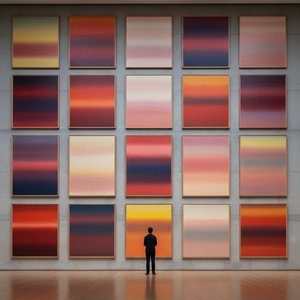
Mark Rothkos 25 Mesterverk: Følelser i Farge – Kunst for Ditt Hjem | OriginalUniqueArt.no
Oppdag Mark Rothkos 25 mest ikoniske malerier! Fordyp deg i abstrakt ekspresjonisme, fargefeltmaling og emosjonell kunsthistorie. Finn inspirasjon til ditt hjem med museumskvalitets reproduksjoner på OriginalUniqueArt.com.

Geometrisk Abstraksjon: Topp 10 Mesterverk for Kunstelskere – OriginalUniqueArt.com
Utforsk de 10 mest innflytelsesrike verkene innen geometrisk abstraksjon! Oppdag historiene bak Mondrian, Kandinsky og Malevich. Finn inspirasjon til interiøret med OriginalUniqueArt.coms eksklusive reproduksjoner – museumskvalitet for ditt hjem. Utforsk samlingen online!
