 Forhåndsvisning
 Send
Send Del med andre
 Vis detaljer

 Last ned bildet
 Liknende objekter
 Røntgenundersøkelse
 Lysbildefremvisning
Verdonck
 Oil On Panel
- Baroque
 1627
1627 46.0 x 35.0 cm
 Nasjonal Galleri i Scotland
 Vis hele teksten
Håndlaget oljereproduksjon
Håndmalt olje på lerret i din valgte størrelse og ramme, laget på bestilling av våre kunstnere. ( Kjøp trykk Kjøp bilde)




P118B $10

P118H $10

P118W $10

P438Z $10

P508JH $12

P508YH $12

P805H $10

P805Z $10

P919BZ $10

P919G $10

P919XJ $10

P959ZH $10

P968JZ $12

W106C $8

W218G $10

W218JH $8

W218Y $10

W307PJ $10

W316G $10

W316PJ $8

W316Y $10

W398PJ $8

W4111J $10

W500HY $15

W500JH $15

W692G $12

W849H $8

W940BG $15

W953PJ $8




Velg mellom våre forhåndsdefinerte størrelser som bevarer kunstverkets opprinnelige proporsjoner.

Du kan angi egne mål for å tilpasse en spesifikk ramme eller plass. Dersom den valgte størrelsen ikke samsvarer med originalbildets proporsjoner, vil vi enten beskjære kunstverket eller utvide maleriet med ytterligere håndmalte elementer. En digital mockup vil bli sendt til din godkjenning før produksjonen starter.
Vennligst merk at forhåndsvisningen på skjermen ikke gjenspeiler den faktiske beskjæringen eller utvidelsen. Kun mockuppen vil vise den endelige komposisjonen nøyaktig.
Selv om tilpassede størrelser er tilgjengelige, anbefaler vi å velge et mål fra den forhåndsdefinerte listen for å bevare de originale proporsjonene.
Etter bestilling vil OriginalUniqueArt.com-teamet sende e-post til kunden for instruksjoner og sende et utkast (mockup) som forhåndsvisning.
Verdensomspennende levering () på 3–4 uker i stedet for standard 5 uker. (19 August). Ingen kompromisser med kvaliteten.

Gratis ekspressfrakt over hele verden

Lerretsduk av høykvalitets lin

Full forsikring under transport

Garanti for refusjon av toll og importavgifter

Garantert korrekt fargegjengivelse

60 dagers returrett (kun ved feil)

100% pengene tilbake-garanti

Rabatt ved flere kjøp
 Glassalternativet er kun tilgjengelig i størrelser under 110 cm

Verdonck
Teknikk for reproduksjon
Størrelse på reproduksjon
-


Endelig pris
$ 300
Beskrivelse av kunstverket
Verdonck by Frans Hals: A Portrait of Resolve
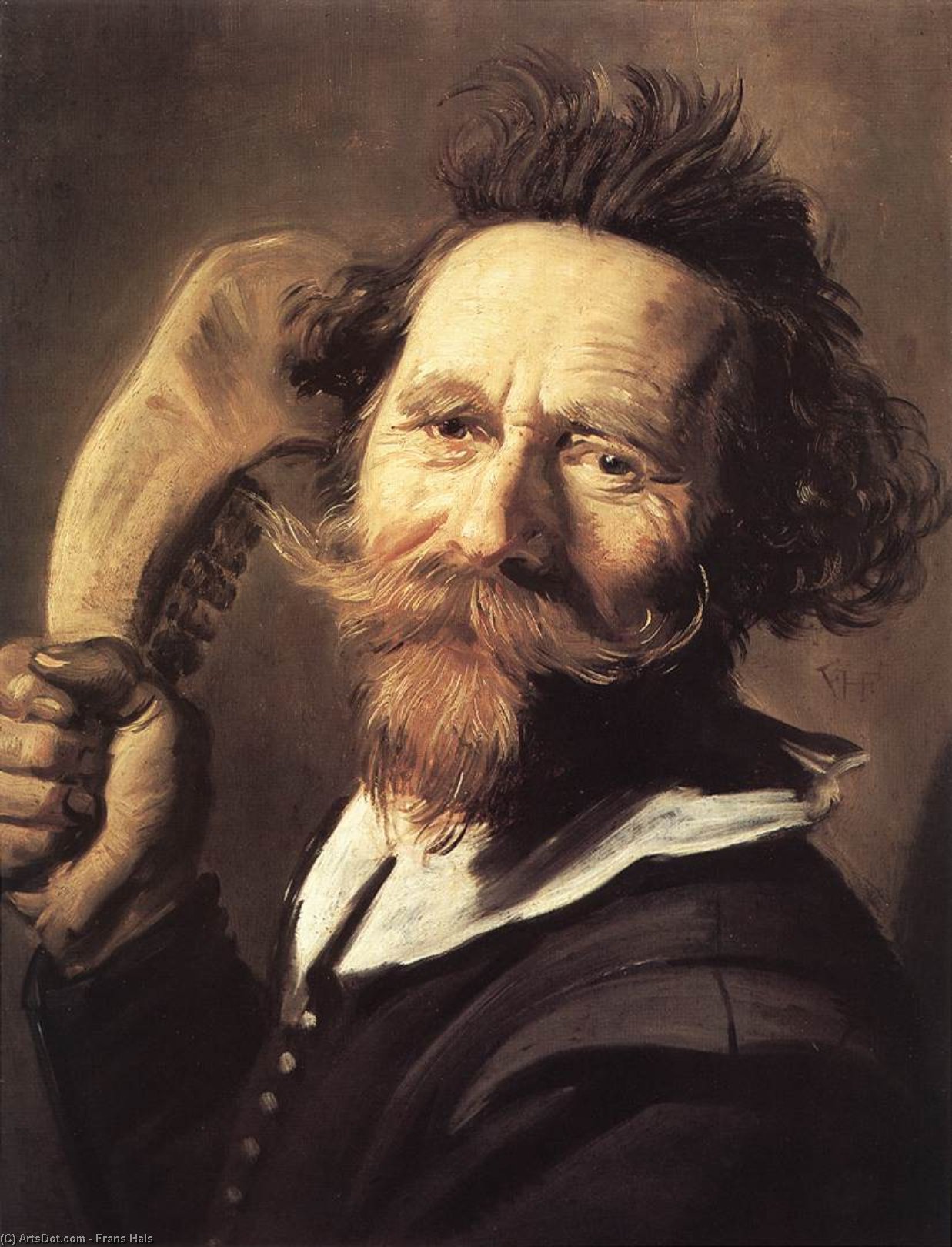
Frans Hals’s “Verdonck,” completed around 1627, stands as an emblem of the Dutch Golden Age portraiture tradition—a genre characterized by its remarkable ability to capture not merely likeness but also psychological depth and emotional resonance. This monumental canvas, measuring 46.7 x 35.5 cm and housed at the National Gallery of Scotland in Edinburgh, transcends a simple depiction of a man; it’s an exploration of character, conviction, and the subtle nuances of human expression.
The subject is Pieter Verdonck, a prominent Mennonite leader from Ghent who served as a member of Haarlem's influential Reformed Church. Hals skillfully portrays Verdonck in a dramatic pose—a half-length portrait that immediately draws the viewer’s gaze into his intense stare. His face is illuminated by a warm light, highlighting the contours of his features and conveying an aura of unwavering determination.
Hals's distinctive technique—loose brushstrokes imbued with spontaneity—is instantly recognizable. Unlike many artists of his time who prioritized meticulous detail, Hals opted for a looser approach, prioritizing texture and vibrancy over precise representation. This method allowed him to convey Verdonck’s personality with astonishing accuracy, capturing the subtle flicker of emotion beneath the surface.
- Style: Baroque – Characterized by dramatic lighting, dynamic poses, and an emphasis on emotional expression.
- Technique: Oil on Panel – Hals employed a glazing technique that layered thin coats of paint to achieve luminous colors and subtle tonal variations.
- Historical Context: The painting reflects the intellectual ferment of the Dutch Golden Age, marked by humanist ideals and a fascination with human psychology. It aligns with the broader trend toward portraying individuals as complex characters grappling with moral dilemmas.
Beyond its technical brilliance, “Verdonck” resonates deeply with viewers due to its symbolic significance. The inclusion of a jawbone—a reference to Samson’s biblical tale—suggests Verdonck's unwavering resolve and defiance against adversity. Hals’s masterful composition reinforces this message, directing the viewer’s eye toward Verdonck’s gaze and emphasizing his commanding presence.
The painting’s enduring appeal lies in its ability to evoke empathy and contemplation. It invites us to consider Verdonck's inner life—his convictions, fears, and aspirations—and reminds us of the power of art to transcend time and communicate universal human emotions. “Verdonck” remains a testament to Hals’s genius as a portraitist and a profound reflection of the spirit of its era.
Additional Research Links:
- Explore the revolutionary portraiture of Frans Hals I, a master of the Dutch Golden Age. Discover his innovative techniques, captivating character studies & lasting impact on art history. Learn more at OriginalUniqueArt.
- Verdonck by Frans Hals | Art UK
- I Am a Wallet
- Verdonck by Frans Hals | National Galleries of Scotland
Om kunstneren
Frans Hals I: A Life in Paint
Frans Hals I was a Dutch painter born in Antwerp, Belgium, around 1580. Though his early life remains somewhat shrouded in mystery, he rose to become one of the most important figures of the Dutch Golden Age, celebrated for his innovative portraiture and genre scenes. He moved away from rigid formality towards a more naturalistic and expressive style, leaving an enduring legacy on the art world.Early Life and Training
Details surrounding Hals’s formative years are scarce. It is believed he received initial artistic training in Antwerp, a prominent center for painting at the time. However, due to religious and political turmoil, his family relocated to Haarlem in the Netherlands. He became a member of the Haarlem Guild of St. Luke in 1610, marking the formal beginning of his professional career. Hals’s brother, Dirck Hals (1591–1656), followed in his brother Frans’ footsteps and became a painter; a third brother, Joost (died before October 16, 1626), apparently worked as an artist as well, but no works by him have been identified. According to the anonymous biographer of Karel van Mander (1548–1606), Hals trained under him, but Van Mander himself makes no mention of this in his *Schilderboek*of 1604.Artistic Style and Development
Hals distinguished himself through a remarkably fresh and spontaneous style. Unlike many of his contemporaries who favored meticulous detail, Hals employed a loose and expressive brushstroke. This technique imbued his paintings with a sense of immediacy and vitality, capturing the personality and character of his subjects in a way that was revolutionary for its time. His portraits weren’t simply likenesses; they were psychological studies. He excelled at depicting fleeting moments – laughter, conversation, or contemplation. Hals's use of light and shadow added depth and drama to his compositions. He influenced artists such as Adriaen Brouwer and Johannes Vermeer. His emphasis on capturing personality paved the way for more intimate and psychological portraits. Later artists, including the Impressionists, admired his loose brushwork and focus on light.Notable Works
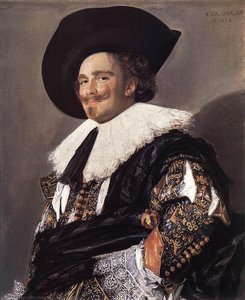
While Hals produced a wide range of works, he is best known for his portraits. Some of his most celebrated paintings include:- The Laughing Cavalier (1624) – A quintessential example of his ability to capture character and movement.
- Malle Babbe (c. 1633-1635) – A striking portrayal of an elderly woman, showcasing Hals’s skill in depicting age and personality.
- Portraits of the Regents of the Old Men's Home in Haarlem (1664) - Demonstrating his mastery of group portraiture.
He also created compelling genre scenes – depictions of everyday life – that offered glimpses into Dutch society.
Influences and Legacy
Determining Hals’s direct influences is challenging, as he developed a highly individual style. However, it's likely he was aware of the work of earlier Flemish painters like Pieter Bruegel the Elder. His innovative approach to portraiture profoundly impacted subsequent generations of artists. He influenced artists such as Adriaen Brouwer and Johannes Vermeer. His emphasis on capturing personality paved the way for more intimate and psychological portraits. Later artists, including the Impressionists, admired his loose brushwork and focus on light. Today, his paintings are highly sought after and can be found in major museums worldwide, including the Frans Hals Museum in Haarlem, which houses the largest collection of his work. His contributions continue to inspire artists and captivate audiences centuries later.
Frans Hals
1580 - 1585 , Belgia
Kort om kunstneren
- Artistic Movement Or Style: Dutch Golden Age
- Artists Or Movements Influenced By This Artist:
- Adriaen Brouwer
- Johannes Vermeer
- Artists Who Influenced This Artist: ['Pieter Bruegel den Äldre']
- Date Of Birth: 1580
- Full Name: Frans Hals I
- Nationality: Nederlandsk
- Notable Artworks:
- Lerens Ridder
- Malle Babbe
- Portraits av Regents
- Place Of Birth: Antwerp, Belgium
Relaterte artikler

Frans Hals I: Innovation, Intimacy & the Dutch Golden Age Portrait
Explore the revolutionary portraiture of Frans Hals I, a master of the Dutch Golden Age. Discover his innovative techniques, captivating character studies & lasting impact on art history. Learn more at OriginalUniqueArt.

De 10 Mesterverkene som Definerte den Nederlandsk Gyldne Tidsalder – Kunst & Interiør
Oppdag de 10 ikoniske mesterverkene fra den nederlandske gullalderen! Lær om Rembrandt, Vermeer og andre store kunstnere. Finn inspirasjon til klassisk interiørdekorasjon og kjøp museumskvalitets reproduksjoner på OriginalUniqueArt.com.

Golden Light & Dutch Skies: The Timeless Magic of Dutch Golden Age Landscapes
Discover the breathtaking beauty of Dutch Golden Age landscapes. Explore the mastery of light, chiaroscuro, and 17th-century realism through an expert art history lens, celebrating the enduring legacy of the Dutch Masters for discerning collectors and art lovers.

Illuminating Innovation: Exploring the Dutch Golden Age of Painting
Explore the Dutch Golden Age of painting with OriginalUniqueArt. Discover Rembrandt, Vermeer & other Masters. Learn about key characteristics, iconic artworks, and lasting influence. Expert insights for collectors & enthusiasts.

Golden Age Reflections: Dutch Baroque Painting & Cultural Innovation
Explore the Dutch Golden Age of painting! Discover key artists like Vermeer & ter Borch, their innovative techniques, and the rich cultural context behind these Baroque masterpieces. Learn about collecting & appreciating this iconic art period.