Forhåndsvisning
 Send
Send Del
Del
 Vis detaljer
 Utskriftsvennlig guide

 Last ned bilde
 Liknende objekter
 Røntgenundersøkelse
 Lysbildefremvisning
 Spørsmål og svar
 Statistikk
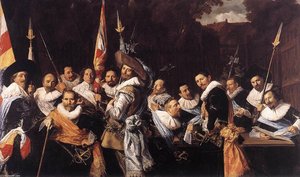
Shrovetide Revellers

- 131.0 x 100.0 cm


 Vis hele teksten
Giclée / Kunsttrykk
Giclée- eller lerretsprint av museumskvalitet med rask produksjon og fleksible valgmuligheter for etterbehandling. ( Kjøp håndmalt maleri Bytt til digitalt bilde)




P118B Nkr10

P118H Nkr10

P118W Nkr10

P438Z Nkr10

P508JH Nkr12

P508YH Nkr12

P805H Nkr10

P805Z Nkr10

P919BZ Nkr10

P919G Nkr10

P919XJ Nkr10

P959ZH Nkr10

P968JZ Nkr12

W106C Nkr8

W218G Nkr10

W218JH Nkr8

W218Y Nkr10

W307PJ Nkr10

W316G Nkr10

W316PJ Nkr8

W316Y Nkr10

W398PJ Nkr8

W4111J Nkr10

W500HY Nkr15

W500JH Nkr15

W692G Nkr12

W849H Nkr8

W940BG Nkr15

W953PJ Nkr8




Velg mellom våre forhåndsdefinerte størrelser som bevarer kunstverkets opprinnelige proporsjoner.

Skriv inn ønsket bredde og høyde for å tilpasse trykket til din ramme eller vegg. Et trykk kan kun beskjæres, aldri skaleres opp utover motivets opprinnelige størrelse, noe som betyr at et format med andre proporsjoner vil føre til tap av deler av bildet. Vi sender deg en digital mockup for godkjenning før vi starter trykkeprosessen. Bildet som vises på denne siden viser ikke den faktiske beskjæringen — det er kun mockuppen som viser dette.
Verdensomspennende levering () på 2 uker i stedet for standard 4/5 uker. (8 November)

Gratis ekspressfrakt over hele verden

Lerretsduk av lin av høy kvalitet

Full transportforsikring

Garanti for refusjon av toll og importavgifter

Garantert fargegjengivelse

100 dagers returrett ved fabrikasjonsfeil

100% pengene tilbake-garanti

Rabatt ved flere kjøp
 Glassalternativet er kun tilgjengelig i størrelser under 110 cm

Shrovetide Revellers
Giclée / Kunsttrykk
Størrelse på reproduksjon
-


Totalpris for valgte alternativer
Nkr 775
A Glimpse into Merriment: The Spirit of Shrovetide Revellers
To stand before this depiction of Shrovetide Revellers is to be instantly transported across the centuries, right into the warm, intoxicating glow of a communal celebration. This large oil on canvas captures not merely a gathering, but a palpable moment of shared humanity—a vibrant tableau where gaiety and camaraderie are the central subjects. The scene pulses with life; one can almost hear the laughter echoing off the unseen walls and smell the mingled scents of wine and good company. It is an intimate portrait of revelry, masterfully composed to draw the viewer into the very heart of the festivities.
The Brushwork of Spontaneity: Technique and Style
What elevates this work beyond a mere snapshot in time is the breathtaking technical skill displayed by its creator. The artist, Frans Hals I, was renowned for his ability to capture life in motion, eschewing rigid formality for something far more immediate and spontaneous. Observe the brushwork; it is loose, energetic, and utterly alive. Hals employs these expressive strokes not as mere decoration, but as carriers of emotion itself. This technique grants the figures a remarkable sense of immediacy, making their interactions feel unposed and deeply genuine. The way the light catches on the objects—the bowl resting nearby, the gleam off the cups, the presence of those scattered knives—is handled with an effortless dexterity that speaks to a master at work.
Historical Echoes: Life in 17th-Century Haarlem
Dating from 1615, this painting anchors us firmly within the rich tapestry of the Dutch Golden Age. The subject matter itself—a Shrovetide celebration—speaks volumes about the social customs and seasonal rhythms of the time. These festivals were crucial moments for community bonding, a temporary suspension of daily routine where merriment reigned supreme. While the specific details surrounding the gathering are wonderfully ambiguous, this ambiguity is its strength; it allows every viewer to project their own cherished memories of celebration onto the canvas. It is a historical document filtered through an artist's profound understanding of human joy.
Symbolism and Emotional Resonance for the Modern Collector
For the contemporary admirer or designer seeking art that breathes life into a space, this piece offers more than just decoration; it offers an emotional anchor. The gathering itself symbolizes connection—the enduring power of friendship and family bonds. The objects scattered throughout—the vessels, the implements—are not incidental clutter but subtle props in a narrative of shared experience. Owning a reproduction of Shrovetide Revellers is to invite that same feeling of warmth, conviviality, and spirited abandon into your own home or gallery. It suggests that even amidst the formality of modern life, moments of unbridled joy are always within reach.
Spørsmål og svar
Hvem har skapt "Shrovetide Revellers", og hvilken stil er det i?
Bak "Shrovetide Revellers" står Frans Hals og Dutch Golden Age-bevegelsen.
Hvordan beskrives fargepaletten i "Shrovetide Revellers" av Frans Hals?
"Shrovetide Revellers" av Frans Hals bruker en Earthy fargepalett. Paletten oppsummerer verkets overordnede fargekarakter.
Er "Shrovetide Revellers" typisk for det Frans Hals vanligvis skapte?
"Shrovetide Revellers" skildrer portraiture, social gathering, celebration, dutch painting, genre scene, oil canvas, renaissance influence, mens de dokumenterte temaene til Frans Hals er renaissance realism, baroque style, social customs, festive spirit, religious patronage, aristocratic status, haarlem guild, portrait mastery. En sammenligning av disse viser hvordan verket relaterer seg til kunstnerens faste motiver.
Om kunstneren
Frans Hals I: A Life in Paint
Frans Hals I was a Dutch painter born in Antwerp, Belgium, around 1580. Though his early life remains somewhat shrouded in mystery, he rose to become one of the most important figures of the Dutch Golden Age, celebrated for his innovative portraiture and genre scenes. He moved away from rigid formality towards a more naturalistic and expressive style, leaving an enduring legacy on the art world.Early Life and Training
Details surrounding Hals’s formative years are scarce. It is believed he received initial artistic training in Antwerp, a prominent center for painting at the time. However, due to religious and political turmoil, his family relocated to Haarlem in the Netherlands. He became a member of the Haarlem Guild of St. Luke in 1610, marking the formal beginning of his professional career. Hals’s brother, Dirck Hals (1591–1656), followed in his brother Frans’ footsteps and became a painter; a third brother, Joost (died before October 16, 1626), apparently worked as an artist as well, but no works by him have been identified. According to the anonymous biographer of Karel van Mander (1548–1606), Hals trained under him, but Van Mander himself makes no mention of this in his *Schilderboek*of 1604.Artistic Style and Development
Hals distinguished himself through a remarkably fresh and spontaneous style. Unlike many of his contemporaries who favored meticulous detail, Hals employed a loose and expressive brushstroke. This technique imbued his paintings with a sense of immediacy and vitality, capturing the personality and character of his subjects in a way that was revolutionary for its time. His portraits weren’t simply likenesses; they were psychological studies. He excelled at depicting fleeting moments – laughter, conversation, or contemplation. Hals's use of light and shadow added depth and drama to his compositions. He influenced artists such as Adriaen Brouwer and Johannes Vermeer. His emphasis on capturing personality paved the way for more intimate and psychological portraits. Later artists, including the Impressionists, admired his loose brushwork and focus on light.Notable Works
While Hals produced a wide range of works, he is best known for his portraits. Some of his most celebrated paintings include:- The Laughing Cavalier (1624) – A quintessential example of his ability to capture character and movement.
- Malle Babbe (c. 1633-1635) – A striking portrayal of an elderly woman, showcasing Hals’s skill in depicting age and personality.
- Portraits of the Regents of the Old Men's Home in Haarlem (1664) - Demonstrating his mastery of group portraiture.
He also created compelling genre scenes – depictions of everyday life – that offered glimpses into Dutch society.
Influences and Legacy
Determining Hals’s direct influences is challenging, as he developed a highly individual style. However, it's likely he was aware of the work of earlier Flemish painters like Pieter Bruegel the Elder. His innovative approach to portraiture profoundly impacted subsequent generations of artists. He influenced artists such as Adriaen Brouwer and Johannes Vermeer. His emphasis on capturing personality paved the way for more intimate and psychological portraits. Later artists, including the Impressionists, admired his loose brushwork and focus on light. Today, his paintings are highly sought after and can be found in major museums worldwide, including the Frans Hals Museum in Haarlem, which houses the largest collection of his work. His contributions continue to inspire artists and captivate audiences centuries later.
Frans Hals
1580 - 1585 , Belgia
Kort om kunstneren
- Artistic Movement Or Style: Dutch Golden Age
- Artists Or Movements Influenced By This Artist:
- Adriaen Brouwer
- Johannes Vermeer
- Artists Who Influenced This Artist: ['Pieter Bruegel den Äldre']
- Date Of Birth: 1580
- Full Name: Frans Hals I
- Nationality: Nederlandsk
- Notable Artworks:
- Lerens Ridder
- Malle Babbe
- Portraits av Regents
- Place Of Birth: Antwerp, Belgium
Relaterte artikler

Frans Hals I: Innovation, Intimacy & the Dutch Golden Age Portrait
Explore the revolutionary portraiture of Frans Hals I, a master of the Dutch Golden Age. Discover his innovative techniques, captivating character studies & lasting impact on art history. Learn more at OriginalUniqueArt.
Samuel Luke Fildes: Capturing Victorian Life Through Narrative & Social Realism
Explore the poignant world of Samuel Luke Fildes, a master of Victorian Social Realism. Discover his iconic paintings like 'The Doctor' and delve into his artistic journey with OriginalUniqueArt.

Giotto di Bondone: Topp 25 Kunstverk – Mesterverk for Ditt Hjem | OriginalUniqueArt
Utforsk Giotto di Bondones 25 mest ikoniske kunstverk! Oppdag renessansens fresker, bibelske scener og Arena Chapel's skjønnhet. Finn reproduksjoner av høy kvalitet for ditt hjem på OriginalUniqueArt.com.

El Grecos 25 Mesterverk: Kunst, Historie og Inspirasjon for Ditt Hjem
Utforsk El Grecos 25 mest ikoniske malerier! Oppdag historien bak spansk renessanses mesterverk, fra 'Gravleggelsen av grev Orgaz' til dramatiske portretter. Finn kunsttrykk og reproduksjoner for ditt hjem på OriginalUniqueArt.com.

De 10 Mesterverkene Som Definerte Nederlandsk Barokk – Kunst og Inspirasjon | OriginalUniqueArt.no
Oppdag de 10 ikoniske mesterverkene som definerte nederlandsk barokk! Rembrandt, Vermeer og mer – lær historien bak kunsten og finn inspirasjon til ditt hjem. Museumskvalitet reproduksjoner på OriginalUniqueArt.no. Utforsk samlingen online!