

 Se i rommet
 Del som digitalt kort
 Del
Del
 Detaljer
 Studentguide

 Last ned
 Liknende objekter
 Røntgen
 Lysbildefremvisning
 Besøksstatistikk
George Inness


 Les mer
Håndlaget oljereproduksjon
Håndmalt olje på lerret i din valgte størrelse og ramme, laget på bestilling av våre kunstnere. ( Bytt til trykkversjon Gå til digitalt bilde)




































Velg mellom våre forhåndsdefinerte størrelser som bevarer kunstverkets opprinnelige proporsjoner.

Du kan angi egne mål for å tilpasse en spesifikk ramme eller plass. Dersom den valgte størrelsen ikke samsvarer med originalbildets proporsjoner, vil vi enten beskjære kunstverket eller utvide maleriet med ytterligere håndmalte elementer. En digital mockup vil bli sendt til din godkjenning før produksjonen starter.
Vennligst merk at forhåndsvisningen på skjermen ikke gjenspeiler den faktiske beskjæringen eller utvidelsen. Kun mockuppen vil vise den endelige komposisjonen nøyaktig.
Selv om tilpassede størrelser er tilgjengelige, anbefaler vi å velge et mål fra den forhåndsdefinerte listen for å bevare de originale proporsjonene.
Etter bestilling vil OriginalUniqueArt.com-teamet sende e-post til kunden for instruksjoner og sende et utkast (mockup) som forhåndsvisning.
Verdensomspennende levering () på 3–4 uker i stedet for standard 5 uker. (26 September). Ingen kompromisser med kvaliteten.

Gratis ekspressfrakt over hele verden

Lerretsduk av høykvalitets lin

Full transportforsikring

Garanti for refusjon av toll og importavgifter

Garantert fargeekthet

100 dagers returrett ved fabrikasjonsfeil

100% pengene tilbake-garanti

Mengderabatt
 Glassalternativet er kun tilgjengelig i størrelser under 110 cm

George Inness
Reproduksjonsmetode
Format på reproduksjon
-


Totalpris
$ 300
Kunstnerbiografi
Franklin C. Courter: Pioneer of Arctic Landscape Painting
Franklin C. Courter (1854 – 1947) stands as a singular figure in American landscape painting, particularly renowned for his immersive depictions of the Arctic wilderness and his masterful execution of tonalist techniques. Born in Grimsby, Lincolnshire, England, Courter’s artistic journey began with formal training at the Royal Academy in London before he emigrated to the United States in 1883, establishing himself as a resident of Indianapolis where he would spend the remainder of his life. His distinctive style—characterized by subdued colors, atmospheric haze, and an unwavering commitment to capturing the essence of natural light—earned him considerable acclaim during his lifetime and continues to inspire admiration among art historians today.- Early Influences: Courter’s formative years were profoundly shaped by the Impressionist movement in Paris, where he encountered luminists like George Inness and Claude Monet. These encounters instilled within him a fascination for capturing fleeting moments of beauty and conveying emotion through subtle tonal variations—a cornerstone of his artistic approach.
- The Arctic Expeditions: Courter’s most celebrated achievements stemmed from his participation in several expeditions to explore the Arctic Circle. Notably, he accompanied Robert Peary's 1898 expedition to North Pole, documenting the desolate landscapes and capturing the arduous realities faced by explorers. His paintings from these voyages—particularly “Lincoln and His Son, Tad”—offer unparalleled insight into the psychological impact of extreme environments on human perception.
- Notable Works: Among Courter’s impressive oeuvre are “Landscape near Sparta, New Jersey,” a serene portrayal of rural New Jersey bathed in autumnal hues; and numerous smaller canvases depicting scenes from Yosemite National Park. These works exemplify his ability to distill complex natural phenomena into evocative compositions that resonate with viewers.
- Legacy: Franklin C. Courter’s contribution to American landscape painting is undeniable. His pioneering use of tonalist techniques—coupled with his unflinching documentation of Arctic expeditions—established him as a visionary artist who captured the sublime beauty and psychological depth of the natural world. Today, reproductions of his paintings are treasured by collectors worldwide, ensuring that his artistic legacy persists for generations to come.
Influence and Artistic Style
Courter’s stylistic choices were deeply rooted in the tonalist movement, which emerged in the late 1880s as a reaction against Impressionism's emphasis on optical color perception. Tonalists sought to depict landscapes with an unwavering fidelity to observed light and shadow—a pursuit that demanded patience, meticulous observation, and a profound understanding of atmospheric effects. Courter’s canvases often eschewed vibrant hues in favor of muted browns, greens, and grays, prioritizing tonal harmonies over chromatic brilliance.- Symbolism: Courter's paintings frequently incorporated symbolic elements—such as solitary figures contemplating the grandeur of nature—to convey deeper meanings about human experience. These images served as meditations on themes of solitude, contemplation, and the relationship between humanity and the environment.
Museum Exhibitions and Recognition
Courter’s artwork gained considerable recognition during his lifetime through appearances in prestigious exhibitions across the United States. His paintings were showcased at the Pennsylvania Academy of Fine Arts, the Art Institute of Chicago, and numerous other institutions—solidifying his reputation as one of America's foremost landscape painters.
franklin c courter
1854 - 1947
Kort om kunstneren
- Artistic Movement Or Style: Tonalist
- Artists Or Movements Influenced By This Artist: ['American Impressionism']
- Artists Who Influenced This Artist: ['George Inness']
- Date Of Birth: 1854
- Date Of Death: 1947
- Full Name: Franklin C Courter
- Nationality: American
- Notable Artworks:
- Lincoln and His Son, Tad
- (Landscape near Sparta, New Jersey)
- George Inness
- Place Of Birth: Grimsby, Lincolnshire
Relaterte artikler

Oil on Canvas: A Historical & Technical Exploration of a Timeless Artistic Medium
Explore the rich history & enduring techniques of oil painting on canvas. Discover the science behind its longevity, conservation practices, and contemporary relevance. Expert insights for art enthusiasts.

Georges Seurat: Topp 25 Maler – Impresjonisme og Punktillismens Mesterverk | OriginalUniqueArt.no
Utforsk Georges Seurats 25 mest ikoniske malerier! Oppdag historien bak punktillismen, impresjonismen og mesterverk som 'Et søndagsettermiddag på La Grande Jatte'. Finn kunsttrykk av høy kvalitet for ditt hjem på OriginalUniqueArt.com.

Georges Braques 25 Mesterverk: En Kunstnerisk Reise for Din Bolig
Utforsk Georges Braques 25 mest ikoniske verk! Fordyp deg i kubismens verden, fargepaletter og kunstnerisk nyskapning. Finn inspirasjon til din bolig med museumskvalitets reproduksjoner på OriginalUniqueArt.com.
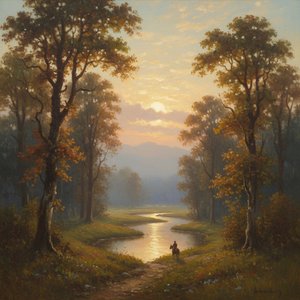
George Inness: Transcendental Landscapes & the American Search for Spiritual Harmony
Explore the profound landscapes of George Inness, a leading American artist-philosopher. Discover his spiritual approach to painting, influences, and lasting legacy with OriginalUniqueArt.

The Enduring Legacy of Oil on Canvas: Technique, History & Aesthetic Impact
Explore the rich history & techniques of oil painting – from Renaissance masters to Impressionism. Discover pigments, layering methods, and why this timeless medium endures. Expert insights for artists & art enthusiasts.