

 Se i rommet
 Del som digitalt kort
 Del
Del
 Detaljer
 Studentguide

 Last ned
 Liknende objekter
 Røntgen
 Lysbildefremvisning
 Besøksstatistikk
Juno Asking Aeolus to Release the Winds
 Oil On Canvas
- WallArt
 1769
1769- Renaissance
 278.0 x 203.0 cm
 Kimbell Kunstmuseum
 Les mer
Håndlaget oljereproduksjon
Håndmalt olje på lerret i din valgte størrelse og ramme, laget på bestilling av våre kunstnere. ( Bytt til trykkversjon Gå til digitalt bilde)




P118B Nkr10

P118H Nkr10

P118W Nkr10

P438Z Nkr10

P508JH Nkr12

P508YH Nkr12

P805H Nkr10

P805Z Nkr10

P919BZ Nkr10

P919G Nkr10

P919XJ Nkr10

P959ZH Nkr10

P968JZ Nkr12

W106C Nkr8

W218G Nkr10

W218JH Nkr8

W218Y Nkr10

W307PJ Nkr10

W316G Nkr10

W316PJ Nkr8

W316Y Nkr10

W398PJ Nkr8

W4111J Nkr10

W500HY Nkr15

W500JH Nkr15

W692G Nkr12

W849H Nkr8

W940BG Nkr15

W953PJ Nkr8




Velg mellom våre forhåndsdefinerte størrelser som bevarer kunstverkets opprinnelige proporsjoner.

Skriv inn bredden og høyden du trenger, slik at den passer til din ramme eller vegg. Dette er håndmalt, så for en størrelse med en annen form kan kunstneren male litt mer rundt bildet, eller beskjære det noe — du velger selv. Vi sender deg en digital mockup for godkjenning før maleriet påbegynnes. Bildet som vises på denne siden viser ikke det faktiske resultatet — kun mockuppen gjør det.
Etter bestilling vil OriginalUniqueArt.com-teamet sende e-post til kunden for instruksjoner og sende et utkast (mockup) som forhåndsvisning.
Verdensomspennende levering () på 3–4 uker i stedet for standard 5 uker. (24 October). Ingen kompromisser med kvaliteten.

Gratis ekspressfrakt over hele verden

Lerretsduk av høykvalitets lin

Full transportforsikring

Garanti for refusjon av toll og importavgifter

Garantert fargeekthet

100 dagers returrett ved fabrikasjonsfeil

100% pengene tilbake-garanti

Mengderabatt
 Glassalternativet er kun tilgjengelig i størrelser under 110 cm

Juno Asking Aeolus to Release the Winds
Reproduksjonsmetode
Format på reproduksjon
-


Totalpris
Nkr 2852
A Dramatic Dance of Power and Jealousy: François Boucher’s Juno
François Boucher's "Juno Asking Aeolus to Release the Winds," painted in 1769, is more than just a mythological scene; it’s a meticulously crafted tableau of emotional intensity, a quintessential example of Rococo artistry at its most opulent and psychologically astute. The painting captures a pivotal moment from Virgil’s *Aeneid*, where the formidable goddess Juno, consumed by her vengeful jealousy towards Venus for her son Aeneas' impending arrival in Italy, manipulates Aeolus, the Titan god of winds, to unleash a tempestuous storm upon the Trojan fleet. Boucher doesn’t simply depict a mythological narrative; he excavates the complex emotions driving each character – Juno’s simmering rage, Aeolus’ hesitant compliance, and the subtle allure offered as a reward.
The Rococo Palette and Painterly Technique
Boucher’s mastery lies not just in his subject matter but also in his exquisite technique. Executed with a delicate yet confident hand, the painting showcases the hallmarks of the Rococo style: vibrant colors—rich reds, deep blues, and shimmering golds—applied in loose, flowing brushstrokes that create an atmosphere of luxurious sensuality. The composition is carefully balanced, drawing the eye towards the central figures while utilizing atmospheric perspective to suggest a vast, turbulent seascape beyond. Boucher’s use of *sfumato*, a technique borrowed from Leonardo da Vinci, softens the edges and creates a hazy, dreamlike quality, further enhancing the painting's emotional resonance. The meticulous detailing in the drapery, the textures of the seafoam, and the subtle expressions on the characters’ faces demonstrate Boucher’s exceptional skill as a painter.
A Mythological Tapestry: Symbolism and Narrative
The scene is laden with symbolic meaning. Juno's commanding presence, adorned in regal purple robes and radiating an aura of potent fury, immediately establishes her dominance. Aeolus, caught between his duty to the gods and the promise of a beautiful nymph, Deiopea, embodies hesitant compliance. The inclusion of the sea nymph reclining in the foreground—a figure of alluring beauty and effortless grace—represents the potential reward for Aeolus’s actions, highlighting the seductive power of desire and the consequences of succumbing to temptation. Neptune, god of the sea, subtly positioned at the bottom of the composition, serves as a reminder of the ultimate authority over the elements, ensuring that even the most powerful winds will eventually yield to his dominion. The entire scene is a carefully orchestrated drama of divine intervention and human vulnerability.
Historical Context: Boucher’s Legacy
François Boucher's rise to prominence in 18th-century France coincided with a period of significant artistic innovation and patronage. Following the death of Louis XIV, the court shifted its focus from the grandeur of the Baroque era towards the more intimate and decorative style of Rococo. Boucher was one of the leading artists of this movement, serving as a key figure in the Académie Royale de Peinture et de Sculpture. His works were highly sought after by royalty and nobility, adorning palaces and private collections throughout Europe. Boucher’s ability to seamlessly blend mythological narratives with contemporary sensibilities cemented his reputation as a master of both classical tradition and fashionable aesthetics. He was celebrated for his skill in depicting the female form, particularly in allegorical and pastoral scenes, and his influence can be seen in the works of many subsequent artists.
A Timeless Appeal: Reproduction and Interior Design
“Juno Asking Aeolus to Release the Winds” continues to captivate viewers with its dramatic composition, rich colors, and profound psychological depth. High-quality reproductions offer a stunning way to bring this masterpiece into any interior space, adding an element of timeless elegance and artistic sophistication. The painting’s themes of jealousy, power, and temptation resonate deeply, making it a compelling subject for contemplation and discussion. Consider framing the reproduction in a classic style to complement its Rococo origins, or explore larger-scale versions for impactful statement pieces within a sophisticated living room or study.
Spørsmål og svar
Hvilket medium er "Juno Asking Aeolus to Release the Winds" av François Boucher utført i?
Mediet i "Juno Asking Aeolus to Release the Winds" av François Boucher er Oil On Canvas. Reproduksjonene har som mål å gjengi utseendet til denne teknikken.
Hvem selger håndmalte kopier av "Juno Asking Aeolus to Release the Winds" av François Boucher?
"Juno Asking Aeolus to Release the Winds" er tilgjengelig som en håndmalt oljereproduksjon på linlerret. Bestilling kan gjøres på siden Håndmalt reproduksjon, med valgmuligheter for ulike størrelser.
Hvor kommer de besøkende til "Juno Asking Aeolus to Release the Winds" av François Boucher fra?
Siden Statistikk for "Juno Asking Aeolus to Release the Winds" av François Boucher presenterer offentlig besøksstatistikk: månedlige besøk for dette kunstverket, en sammenligning med kunstnerens mest viste verk, og hvor de besøkende kommer fra.
Kunstnerbiografi
François Boucher: En Pioner i Rococoens Elegante Verden
François Boucher (1703-1770) står som en av de mest fremragende og kjente malerne fra det 18. århundres Frankrike, et mesterverk innenfor den elegante og sensuelle stilen vi kjenner som rokokko. Hans kunst fanger essensen av denne epokens lystfulle og raffinerede atmosfære, en verden av mytologiske scener, idylliske landskap og overdådige portretter.
Tidlig Liv og Kunstnerisk Opplæring
François Boucher ble født den 29. september 1703 i Paris, Frankrike, og hans kunstneriske vei begynte under veiledningen av faren sin, Jean Boucher, en selvstendig maler. Bare i alderen sytten år fanget han oppmerksomheten til François Lemoyne, noe som førte til et kort, men avgjørende læreforhold. Han videreutviklet sine ferdigheter hos graveren Jean-François Cars før han oppnådde en bemerkelsesverdig milepæl: å vinne det prestisjetunge Grand Prix de Rome i 1720.
Oppstigning til Proevens og Kunstnerisk Utvikling
Bouchers tid i Italia, etter at han vant prisen, viste seg å være en dannelsesperiode. Etter hjemkomsten til Frankrike ble han tatt inn i Académie Royale de Peinture et de Sculpture i 1731. Hans *morceau de réception*, “Rinaldo og Armida” (1734), etablerte ham umiddelbart som en mester innen rokokkostilen. Denne perioden markerte fremveksten av hans unike kunstneriske stemme, preget av delikat penselstrøk, pastellfarger og en vektlegging av mytologiske og pastorale temaer.
Nøkkelverk og Temaer
Bouchers verk er bemerkelsesverdig mangfoldige, og omfatter mytologi, portretter, sittsituasjoner og dekorative kunstformer. Noen av hans mest kjente arbeider inkluderer:
- “Frokost” (1739): En sjarmerende fremstilling av hverdagslivet med hans kone og barn.
- “Venus triumf” (1740-1751): En serie malerier som viser Bouchers mesterskap i å fortelle mytologiske historier.
- Flere portretter av Madame de Pompadour, den innflytelserike frue til kong Ludvig XV, som ytterligere etablerte hans posisjon ved hoffet.
- Landskapsmalerier som “Solnedgang”, som demonstrerer en lyrisk og idyllisk visjon av naturen.
Gjennomsyrende temaer i Bouchers kunst inkluderer kjærlighet, skjønnhet, fritid og den idealiserte verdenen til mytologien. Hans malerier vekker ofte en følelse av lekende erotisme og raffinert eleganse.
Innflytelse og Arv
Bouchers innflytelse strekte seg langt utover maleri. Han designet kostymer og kulisser for teater, skapte tapeter for Beauvais-verkstedene og samarbeidet med Gobelins manufactory. Hans oppnevning som *Premier Peintre du Roi* i 1765 sikret ham statusen som den ledende kunstneren i det franske rokokko.
Selv om senere kritikere tvilte på den tilsynelatende overfladiske karakteren av rokokkostilen, er Bouchers innflytelse ubestridelig. Han inspirerte kunstnere som Jean-Honoré Fragonard og bidro betydelig til utviklingen av neoklassisismen gjennom sine elever.
Historisk Betydning
François Bouchers arbeid gir et verdifullt innblikk i smakene og verdiene i det 18. århundres franske samfunn. Hans malerier gjenspeiler den aristokratiske kulturen på den tiden, preget av luksus, raffinement og en søken etter nytelse. Han er fortsatt en betydningsfull figur i kunsthistorien, feiret for sin tekniske dyktighet, kunstneriske innovasjon og vedvarende bidrag til rokokkostilen.

François Boucher
1703 - 1770 , Frankrike
Kort om kunstneren
- Artistic Movement Or Style: Rokoko
- Artists Or Movements Influenced By This Artist: ['Jean-Honoré Fragonard']
- Artists Who Influenced This Artist:
- François Lemoyne
- Jean-François Cars
- Date Of Birth: 29. september 1703
- Date Of Death: 30. mai 1770
- Full Name: François Boucher
- Nationality: Fransk
- Notable Artworks:
- Rinaldo og Armida
- Frokost
- Madame Boucher
- Place Of Birth: Paris, Frankrike
Relaterte artikler

Rokokkoens Mesterverk: Topp 10 Kunstverk som Definerte en Epoke | OriginalUniqueArt.no
Oppdag Rokokkoens 10 mest ikoniske mesterverk! Lær om Boucher, Fragonard og Watteau – kunsthistorie, pastellfarger & elegante interiører. Finn museumskvalitets reproduksjoner på OriginalUniqueArt.no.
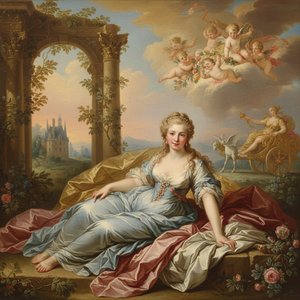
François Boucher: Rococo Master of Myth, Sensuality, and the French Court
Explore the captivating world of François Boucher, master of Rococo painting! Discover his iconic works, aristocratic patronage, and lasting influence on French art history. Learn more at OriginalUniqueArt.

The Allure of Elegance in Art: A Historical & Aesthetic Exploration of Refinement & Grace
Explore the exquisite world of Rococo art! Discover its history, masters (Watteau, Boucher & more), and defining elegance. Expert insights for collectors seeking museum-quality reproductions & custom portraits.
The Rococo Style: Aristocratic Leisure & the Pursuit of Delight in 18th-Century Art
Explore the opulent world of Rococo art! Discover Watteau, Boucher & Nattier's masterpieces. Expert insights for collectors seeking museum-quality reproductions and custom portraits at OriginalUniqueArt.

The Rococo Aesthetic: Opulence, Rebellion & the Pursuit of Pleasure in 18th-Century Art
Explore the opulent world of Rococo art! Discover its origins, key artists like Watteau & Boucher, and lasting influence on design. Expert insights for collectors & enthusiasts.

