

 Se i rommet
 Del som digitalt kort
 Del
Del
 Detaljer
 Studentguide

 Last ned
 Liknende objekter
 Røntgen
 Lysbildefremvisning
 Besøksstatistikk
Crossing the Bridge
 Oil On Canvas
- WallArt
- Rococo Elegance
 1730
1730- Early Modern
 59.0 x 72.0 cm
 Eremitasjen
 Les mer
Håndlaget oljereproduksjon
Håndmalt olje på lerret i din valgte størrelse og ramme, laget på bestilling av våre kunstnere. ( Bytt til trykkversjon Gå til digitalt bilde)




P118B Nkr10

P118H Nkr10

P118W Nkr10

P438Z Nkr10

P508JH Nkr12

P508YH Nkr12

P805H Nkr10

P805Z Nkr10

P919BZ Nkr10

P919G Nkr10

P919XJ Nkr10

P959ZH Nkr10

P968JZ Nkr12

W106C Nkr8

W218G Nkr10

W218JH Nkr8

W218Y Nkr10

W307PJ Nkr10

W316G Nkr10

W316PJ Nkr8

W316Y Nkr10

W398PJ Nkr8

W4111J Nkr10

W500HY Nkr15

W500JH Nkr15

W692G Nkr12

W849H Nkr8

W940BG Nkr15

W953PJ Nkr8




Velg mellom våre forhåndsdefinerte størrelser som bevarer kunstverkets opprinnelige proporsjoner.

Skriv inn bredden og høyden du trenger, slik at den passer til din ramme eller vegg. Dette er håndmalt, så for en størrelse med en annen form kan kunstneren male litt mer rundt bildet, eller beskjære det noe — du velger selv. Vi sender deg en digital mockup for godkjenning før maleriet påbegynnes. Bildet som vises på denne siden viser ikke det faktiske resultatet — kun mockuppen gjør det.
Etter bestilling vil OriginalUniqueArt.com-teamet sende e-post til kunden for instruksjoner og sende et utkast (mockup) som forhåndsvisning.
Verdensomspennende levering () på 3–4 uker i stedet for standard 5 uker. (23 October). Ingen kompromisser med kvaliteten.

Gratis ekspressfrakt over hele verden

Lerretsduk av høykvalitets lin

Full transportforsikring

Garanti for refusjon av toll og importavgifter

Garantert fargeekthet

100 dagers returrett ved fabrikasjonsfeil

100% pengene tilbake-garanti

Mengderabatt
 Glassalternativet er kun tilgjengelig i størrelser under 110 cm

Crossing the Bridge
Reproduksjonsmetode
Format på reproduksjon
-


Totalpris
Nkr 2844
A Pastoral Dream in Pastel: The Enchantment of Crossing the Bridge
In the soft, luminous glow of the 18th century, few artists captured the ephemeral beauty of a summer afternoon as masterfully as François Boucher. His work, "Crossing the Bridge," serves as a breathtaking window into the Rococo era—a period defined by an unapologetic pursuit of grace, leisure, and aesthetic delight. At first glance, the viewer is transported to an idealized countryside, where the stresses of urban life dissolve into a tranquil tableau of pastoral serenity. A woman, moving with effortless poise, leads her horse and sheep across a weathered stone bridge, her journey mirrored by the slow, rhythmic presence of grazing cows and a watchful dog. This is not merely a landscape; it is a carefully orchestrated symphony of movement and stillness, designed to evoke a sense of profound peace and aristocratic nostalgia.
< p>The composition itself is a masterclass in balance and visual storytelling. Boucher employs a sophisticated pyramidal structure, anchoring the eye with the imposing silhouette of a majestic castle perched atop a distant hillside. This architectural weight provides a sense of permanence that contrasts beautifully with the fleeting, delicate nature of the foreground elements. The bridge acts as more than just a physical path; it serves as a narrative conduit, guiding the observer’s gaze from the intimate details of the animals and the traveler toward the grand, aspirational heights of the fortress. Through this clever arrangement, Boucher creates a sense of depth that invites the viewer to step into the canvas, wandering through the lush greenery and feeling the warmth of the sun-drenched landscape.Technique and the Radiance of Rococo Light
To behold "Crossing the Bridge" is to witness the pinnacle of Rococo technique. Boucher was a virtuoso of trompe l'oeil effects, utilizing meticulous layering of pigments to breathe life into textures that feel almost tactile. One can almost sense the coarse wool of the sheep, the sturdy grain of the stone bridge, and the velvet softness of the meadow grass. His palette is famously ethereal, dominated by a romantic spectrum of pinks, peaches, and lavenders. These pastel hues do not merely decorate the scene; they bathe it in an atmospheric light that softens the edges of reality, creating a dreamlike quality that is both captivating and soothing.
The artist’s brushwork remains a subject of profound admiration for collectors and historians alike. While his strokes are delicate enough to capture the subtle gradations of a cloud or the gentle ripple of water, they possess an underlying confidence that lends the scene its vitality. This balance between precision and fluidity is what allows the painting to transcend mere imitation of nature, instead offering an elevated, idealized version of it. For the interior designer or the discerning art lover, this piece offers a unique opportunity to introduce a sense of historical grandeur and luminous warmth into a space, acting as a focal point that radiates elegance and timeless charm.
A Legacy of Elegance for the Modern Collector
Beyond its aesthetic brilliance, "Crossing the Bridge" carries the weight of historical significance. Created in 1730, during the reign of Louis XV, the painting reflects the cultural values of a society that found beauty in the pastoral and the idyllic. The inclusion of livestock is not merely incidental; it pays homage to the agricultural foundations of French life, reimagined through a lens of aristocratic refinement. It is a celebration of a world where nature and civilization exist in perfect, harmonious equilibrium.
For those seeking to adorn their homes or galleries with works of profound emotional impact, a high-quality reproduction of this Boucher masterpiece offers more than just decoration. It provides an infusion of culture and a constant reminder of the enduring power of beauty. Whether placed in a sunlit morning room or a sophisticated study, "Crossing the Bridge" continues to inspire awe, offering a quiet sanctuary of color and light that remains as relevant and enchanting today as it was three centuries ago.
Spørsmål og svar
Hvilket rom anbefales "Crossing the Bridge" av François Boucher for?
"Crossing the Bridge" av François Boucher anbefales for et Living Room. Dette forslaget er basert på verkets motiv, farger og stemning.
Hva er "Crossing the Bridge" laget med?
"Crossing the Bridge" er utført i Oil On Canvas.
Er "Crossing the Bridge" av François Boucher et lyst eller mørkt kunstverk?
"Crossing the Bridge" har en samlet lysstyrke på shadow, og luminansen er Soft Shadow.
Kunstnerbiografi
François Boucher: En Pioner i Rococoens Elegante Verden
François Boucher (1703-1770) står som en av de mest fremragende og kjente malerne fra det 18. århundres Frankrike, et mesterverk innenfor den elegante og sensuelle stilen vi kjenner som rokokko. Hans kunst fanger essensen av denne epokens lystfulle og raffinerede atmosfære, en verden av mytologiske scener, idylliske landskap og overdådige portretter.
Tidlig Liv og Kunstnerisk Opplæring
François Boucher ble født den 29. september 1703 i Paris, Frankrike, og hans kunstneriske vei begynte under veiledningen av faren sin, Jean Boucher, en selvstendig maler. Bare i alderen sytten år fanget han oppmerksomheten til François Lemoyne, noe som førte til et kort, men avgjørende læreforhold. Han videreutviklet sine ferdigheter hos graveren Jean-François Cars før han oppnådde en bemerkelsesverdig milepæl: å vinne det prestisjetunge Grand Prix de Rome i 1720.
Oppstigning til Proevens og Kunstnerisk Utvikling
Bouchers tid i Italia, etter at han vant prisen, viste seg å være en dannelsesperiode. Etter hjemkomsten til Frankrike ble han tatt inn i Académie Royale de Peinture et de Sculpture i 1731. Hans *morceau de réception*, “Rinaldo og Armida” (1734), etablerte ham umiddelbart som en mester innen rokokkostilen. Denne perioden markerte fremveksten av hans unike kunstneriske stemme, preget av delikat penselstrøk, pastellfarger og en vektlegging av mytologiske og pastorale temaer.
Nøkkelverk og Temaer
Bouchers verk er bemerkelsesverdig mangfoldige, og omfatter mytologi, portretter, sittsituasjoner og dekorative kunstformer. Noen av hans mest kjente arbeider inkluderer:
- “Frokost” (1739): En sjarmerende fremstilling av hverdagslivet med hans kone og barn.
- “Venus triumf” (1740-1751): En serie malerier som viser Bouchers mesterskap i å fortelle mytologiske historier.
- Flere portretter av Madame de Pompadour, den innflytelserike frue til kong Ludvig XV, som ytterligere etablerte hans posisjon ved hoffet.
- Landskapsmalerier som “Solnedgang”, som demonstrerer en lyrisk og idyllisk visjon av naturen.
Gjennomsyrende temaer i Bouchers kunst inkluderer kjærlighet, skjønnhet, fritid og den idealiserte verdenen til mytologien. Hans malerier vekker ofte en følelse av lekende erotisme og raffinert eleganse.
Innflytelse og Arv
Bouchers innflytelse strekte seg langt utover maleri. Han designet kostymer og kulisser for teater, skapte tapeter for Beauvais-verkstedene og samarbeidet med Gobelins manufactory. Hans oppnevning som *Premier Peintre du Roi* i 1765 sikret ham statusen som den ledende kunstneren i det franske rokokko.
Selv om senere kritikere tvilte på den tilsynelatende overfladiske karakteren av rokokkostilen, er Bouchers innflytelse ubestridelig. Han inspirerte kunstnere som Jean-Honoré Fragonard og bidro betydelig til utviklingen av neoklassisismen gjennom sine elever.
Historisk Betydning
François Bouchers arbeid gir et verdifullt innblikk i smakene og verdiene i det 18. århundres franske samfunn. Hans malerier gjenspeiler den aristokratiske kulturen på den tiden, preget av luksus, raffinement og en søken etter nytelse. Han er fortsatt en betydningsfull figur i kunsthistorien, feiret for sin tekniske dyktighet, kunstneriske innovasjon og vedvarende bidrag til rokokkostilen.

François Boucher
1703 - 1770 , Frankrike
Kort om kunstneren
- Artistic Movement Or Style: Rokoko
- Artists Or Movements Influenced By This Artist: ['Jean-Honoré Fragonard']
- Artists Who Influenced This Artist:
- François Lemoyne
- Jean-François Cars
- Date Of Birth: 29. september 1703
- Date Of Death: 30. mai 1770
- Full Name: François Boucher
- Nationality: Fransk
- Notable Artworks:
- Rinaldo og Armida
- Frokost
- Madame Boucher
- Place Of Birth: Paris, Frankrike
Relaterte artikler
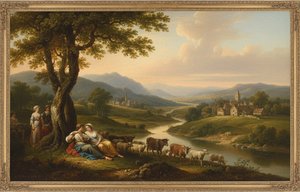
Idyllic Visions: Exploring the Pastoral Tradition in Western Art – Themes, Techniques & Enduring Appeal
Explore the rich history of pastoral art from classical Arcadia to contemporary interpretations. Discover key artists, themes & collecting tips at OriginalUniqueArt.

Rokokkoens Mesterverk: Topp 10 Kunstverk som Definerte en Epoke | OriginalUniqueArt.no
Oppdag Rokokkoens 10 mest ikoniske mesterverk! Lær om Boucher, Fragonard og Watteau – kunsthistorie, pastellfarger & elegante interiører. Finn museumskvalitets reproduksjoner på OriginalUniqueArt.no.
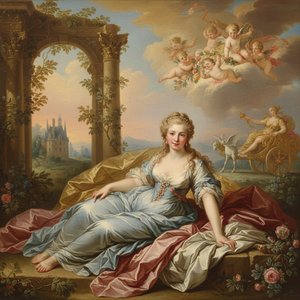
François Boucher: Rococo Master of Myth, Sensuality, and the French Court
Explore the captivating world of François Boucher, master of Rococo painting! Discover his iconic works, aristocratic patronage, and lasting influence on French art history. Learn more at OriginalUniqueArt.

Idyllic Visions: Exploring the Pastoral Scene in Art History – From Arcadia to Modern Interpretations
Explore the captivating history of pastoral art from classical Arcadia to modern masterpieces. Discover key artists like Millet & Cole at OriginalUniqueArt. Find serene landscape paintings for your home.

The Rococo Aesthetic: Opulence, Rebellion & the Pursuit of Pleasure in 18th-Century Art
Explore the opulent world of Rococo art! Discover its origins, key artists like Watteau & Boucher, and lasting influence on design. Expert insights for collectors & enthusiasts.

