
 Forhåndsvisning
 Send
Send Del
Del
 Vis detaljer
 Utskriftsvennlig guide

 Last ned bilde
 Liknende objekter
 Røntgenundersøkelse
 Lysbildefremvisning
 Spørsmål og svar
 Statistikk
Forkunnelsen

- 88.0 x 63.0 cm


 Vis hele teksten
Giclée / Kunsttrykk
Giclée- eller lerretsprint av museumskvalitet med rask produksjon og fleksible valgmuligheter for etterbehandling. ( Kjøp håndmalt maleri Bytt til digitalt bilde)




P118B Nkr10

P118H Nkr10

P118W Nkr10

P438Z Nkr10

P508JH Nkr12

P508YH Nkr12

P805H Nkr10

P805Z Nkr10

P919BZ Nkr10

P919G Nkr10

P919XJ Nkr10

P959ZH Nkr10

P968JZ Nkr12

W106C Nkr8

W218G Nkr10

W218JH Nkr8

W218Y Nkr10

W307PJ Nkr10

W316G Nkr10

W316PJ Nkr8

W316Y Nkr10

W398PJ Nkr8

W4111J Nkr10

W500HY Nkr15

W500JH Nkr15

W692G Nkr12

W849H Nkr8

W940BG Nkr15

W953PJ Nkr8




Velg mellom våre forhåndsdefinerte størrelser som bevarer kunstverkets opprinnelige proporsjoner.

Skriv inn ønsket bredde og høyde for å tilpasse trykket til din ramme eller vegg. Et trykk kan kun beskjæres, aldri skaleres opp utover motivets opprinnelige størrelse, noe som betyr at et format med andre proporsjoner vil føre til tap av deler av bildet. Vi sender deg en digital mockup for godkjenning før vi starter trykkeprosessen. Bildet som vises på denne siden viser ikke den faktiske beskjæringen — det er kun mockuppen som viser dette.
Verdensomspennende levering () på 2 uker i stedet for standard 4/5 uker. (11 November)

Gratis ekspressfrakt over hele verden

Lerretsduk av lin av høy kvalitet

Full transportforsikring

Garanti for refusjon av toll og importavgifter

Garantert fargegjengivelse

100 dagers returrett ved fabrikasjonsfeil

100% pengene tilbake-garanti

Rabatt ved flere kjøp
 Glassalternativet er kun tilgjengelig i størrelser under 110 cm

Forkunnelsen
Giclée / Kunsttrykk
Størrelse på reproduksjon
-


Totalpris for valgte alternativer
Nkr 771
Fra Carnevale’s Enigmatic Vision of The Annunciation
Fra Carnevale, a name whispered with reverence and shrouded in mystery within Quattrocento art history, remains one of the most elusive figures—a painter whose output is tragically sparse yet whose influence on Renaissance architecture persists. Born around 1420 in Urbino, Duchy of Montefeltro, he dedicated his life to both artistic creation and ecclesiastical service, entering the Dominican Order at a young age and shaping his career around theological pursuits alongside his passion for visual art. Despite producing only nine confirmed paintings—a minuscule contribution compared to contemporaries like Piero della Francesca or Botticelli—Carnevale’s impact on the aesthetic landscape of Urbino and beyond is undeniable, fueled by an unparalleled mastery of perspective and a distinctive architectural sensibility that continues to inspire scholars today.Early Influences & Artistic Training
Carnevale's artistic journey began under the watchful eye of Jacopo Veneto, Urbino’s foremost painter and innovator of linear perspective. Veneto’s groundbreaking approach—characterized by meticulous observation and a commitment to creating illusionistic depth—directly shaped Carnevale’s formative years and instilled in him a foundational understanding of how to represent space convincingly. This early mentorship ensured that Carnevale would adopt a style rooted in realism, prioritizing accuracy and detail as core tenets of his artistic practice. Veneto's influence extended beyond mere technique; it fostered a broader intellectual curiosity about the natural world and its depiction within art—a sensibility that would permeate Carnevale’s subsequent works.Florence & The Legacy of Alberti
Around 1445, Carnevale undertook a significant artistic pilgrimage to Florence, immersing himself in the vibrant intellectual atmosphere fostered by Leon Battista Alberti and his circle. Alberti, considered the architect of Renaissance humanism, championed mathematical principles as guides for artistic endeavor—a philosophy that resonated deeply with Carnevale’s burgeoning architectural ambitions. Exposure to Alberti's theories on proportion and geometric harmony undoubtedly solidified Carnevale’s conviction that art should strive for intellectual rigor alongside aesthetic beauty. This Florentine experience served as a catalyst for Carnevale’s stylistic evolution, preparing him for the monumental commissions he would undertake in Urbino.A Singular Architectural Voice
Carnevale's true genius lay not merely in his painting skills but in his ability to translate architectural concepts into visual representations—a feat rarely achieved by artists of his time. His frescoes adorning the Cappella Santissima Annunziata in Urbino exemplify this remarkable talent, demonstrating a breathtaking command of perspective and meticulous attention to detail that rivals even the most celebrated architects of the era. The chapel’s soaring vaults and intricate decorative schemes are testament to Carnevale's vision—a vision informed by Alberti’s humanist ideals and driven by an unwavering desire to elevate the spiritual experience through architectural grandeur.Symbolism & Emotional Resonance
Like many Renaissance artists, Carnevale employed symbolism extensively within his paintings—drawing upon Christian iconography to convey profound theological ideas. The lily, prominently featured in “The Annunciation,” represents purity and divine grace—a motif reflecting the sacred narrative depicted with exquisite precision. Similarly, peacocks—symbols of immortality and resurrection—underscore the painting’s overarching theme of spiritual transformation. Carnevale's masterful use of color and light contributes to the artwork’s emotional impact, creating a serene atmosphere that invites contemplation and fostering a sense of awe at the beauty of God’s creation. Reproductions of “The Annunciation” by Fra Carnevale offer an opportunity to experience this timeless masterpiece—a testament to Renaissance artistry and enduring spiritual inspiration.- Size: 88 x 63 cm
- Date: 1448
Spørsmål og svar
Hvordan kan jeg kjøpe et trykk av "Forkunnelsen" av Fra' Carnevale?
Du kan bestille et trykk av "Forkunnelsen" av Fra' Carnevale direkte på siden for Kunsttrykk i høy kvalitet: et kunsttrykk på bomullslerret eller arkivbestandig lerretspapir.
Hva er teknikk og dimensjoner på "Forkunnelsen" av Fra' Carnevale?
Det originale verket "Forkunnelsen" av Fra' Carnevale er et Akryl på lerret med målene 88 x 63 cm. Teknikk og størrelse beskriver det originale objektet.
Hvilken stemning og følelse forenes i "Forkunnelsen"?
"Forkunnelsen" av Fra' Carnevale formidler en Fredfull følelse innenfor en overordnet Fredfull stemning.
Om kunstneren
Urbinos renessans gåtefulle arkitekt
I Quattrocento-periodens skyggelagte korridorer finnes få skikkelser med den samme hjemsøkende tiltrekningskraften som Fra Carnevale. Et navn som hviskes med både ærefrykt og mystikk, Bartolomeo di Giovanni Corradino—kjent i historien under sitt klosternavn—forblir en av de mest unnvikende mestrene fra den italienske renessansen. Født i Urbino rundt 1420, var hans liv en delikat vev spunnet av tråder av åndelig hengivenhet og dyp kunstnerisk innovasjon. Som medlem av Dominikanerordenen okkuperte Carnevale et unikt rom der klosterlivets kontemplative stillhet møtte humanismens voksende intellektuelle strenghet. Selv om bare ni verk i dag med sikkerhet kan tilskrives hans hånd, fungerer hvert overlevende verk som et vindu inn i et sinn som søkte å harmonisere det guddommelige med den fysiske verdens matematiske presisjon.
Carnevales kunstneriske bane ble formet av sin tids store kunstneriske smeltedigler. Hans formative år i Urbino under veiledning av Jacopo Veneto inngav ham en tidlig fascinasjon for perspektiv, en ferdighet som skulle bli selve kjennetegnet på hans modne stil. Det var imidlertid reisen til Firenze rundt 1445 som virkelig tente hans kreative ånd. Fordypet i den livlige florentinske atmosfæren studerte han under den innflytelsesrike Antonio Alberti og trådte inn i det prestisjetunge verkstedet til Filippo Lippi. Denne læretiden var transformativ; fra Lippi arvet Carnevale en mesterlig kontroll over fargebruk og en delikat tilnærming til komposisjon, der han lærte å puste liv i figurer gjennom subtile tonale skift og emosjonell dybde.
Mestring av rom og hellig narrativ
Det som skiller Fra Carnevales arbeid fra hans samtidige, er hans uovertrufne evne til å integrere komplekse arkitektoniske omgivelser med hellige fortellinger. Han malte ikke bare bakgrunner; han konstruerte verdener. Hans lerreter viser ofte imponerende, klassisk inspirerte strukturer som refleksterer tidens humanistiske idealer, og som gir gjenklang av storheten i Hertugpalasset i Urbino og de teoretiske avhandlingene til Leon Battista Alberti. I verk som Jomfru Marias fødsel, observerer man et pustløst ekteskap mellom middelalderens detaljrikdom og renessansens romlige logikk. Den arkitektoniske dybden i disse panelene antyder en dyp forståelse av geometri, og skaper en scene der det mirakuløse føles forankret i en håndgripelig, målbart virkelighet.
Hans tekniske repertoar var like mangfoldig som hans inspirasjonskilder, fra temperamalingens lysende klarhet til oljemaleriets rike teksturer. I verk som Sankt Peter brukte han lys og skygge for å fremkalle en følelse av høytidelighet og guddommelig nærvær, mens hans Allegorisk scene viser en dristig bruk av nakne figurer i klassiske omgivelser, noe som reflekterer epokens fascinasjon for gjenoppdagede gresk-romerske idealer. Denne evnen til å navigere mellom de fromme kravene i hans dominikanske kall og de sofistikerte estetiske kravene fra mæcenater som Federico Montefeltro, gjorde det mulig for ham å skape kunst som var både hengiven og intellektuelt stimulerende.
Arv og historisk gjenklang
Selv om mangelen på overlevende verk ofte har ført forskere til å debattere autentisiteten av visse verk, kan ikke den historiske betydningen av Fra Carnevale overvurderes. Han fungerte som en viktig bro mellom det 15. århundrets tidlige eksperimenter og høgrenessansens perfeksjon oppnådd av mestre som Bramante og Rafael. Hans opptatthet av arkitektonisk perspektiv og integreringen av klassiske motiver ga et grunnleggende blåtrykk for den neste generasjonen italienske kunstnere. Å studere Carnevale er å være vitne til selve øyeblikket da middelalderens åndelige intensitet begynte å smelte sammen med renessansens strukturerte, menneskesentrerte visjon.
I dag lever arven etter denne gåtefulle munken videre gjennom de sjeldne, dyrebare fragmentene av hans visjon som gjenstår. Han står som et testament til kraften i den "arkitektoniske maleren", en kunstner som så det guddommelige ikke bare i helgenenes ansikter, men i selve proporsjonene i rommet de beveget seg i. Hans liv, selv om det er innhyllet i historisk usikkerhet, fortsetter å inspirere ærefrykt og minner oss om at selv de mest unnvikende skikkelser kan etterlate et uutslettelig merke på kunsthistoriens sjel.

Fra' Carnevale
1420 - 1484 , Italia
Kort om kunstneren
- Artistic Movement Or Style: Quattrocento
- Artists Or Movements Influenced By This Artist: ['Filippo Lippi']
- Artists Who Influenced This Artist:
- Antonio Alberti
- Dominico Veneziano
- Date Of Birth: c. 1420
- Date Of Death: 1484
- Full Name: Bartolomeo di Giovanni Corradini
- Nationality: Italian
- Notable Artworks:
- The Annunciation
- Portrait of a Man
- Place Of Birth: Urbino, Italy
Relaterte artikler

Fra Angelicos 25 Mesterverk: Kunst, Historie og Skjønnhet for Ditt Hjem
Oppdag 25 mesterverk av Fra Angelico – renessansekunstens englemaler! Lær historien bak ikoniske fresker og altertavler. Finn inspirasjon til hjemmedekorasjon & kjøp eksklusive reproduksjoner på OriginalUniqueArt.com.

25 Masterpieces by Duccio di Buoninsegna: The Dawn of Sienese Art
Journey through the divine beauty of Duccio di Buoninsegna’s greatest works. From the Sienese School to Byzantine elegance, explore 25 timeless masterpieces and find museum-quality art reproductions for your collection. Discover all masterpieces on OriginalUniqueArt.com.

Divine Beauty: The 25 Most Iconic Masterpieces by Fra Angelico
Journey through the divine beauty of Fra Angelico's finest works. Explore 25 iconic Renaissance masterpieces, from ethereal frescoes to sacred panel paintings. Find inspiration for museum-quality art reproductions and decor. Discover all masterpieces on OriginalUniqueArt.com.
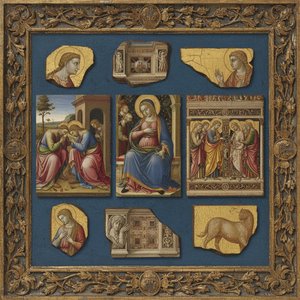
Proto-renessansens 10 Mesterverk: Kunst som Forandret Verden – OriginalUniqueArt.no
Oppdag proto-renessansens 10 mest ikoniske mesterverk! Lær om Cimabue, Giotto og Duccio – pionerene som forandret kunsten. Finn inspirasjon til interiøret & kjøp eksklusive reproduksjoner på OriginalUniqueArt.com

Sacred Narratives: Decoding the Iconography and Artistry of the Annunciation
Explore the profound symbolism and mastery behind Renaissance Annunciation paintings. Discover the secrets of these sacred masterpieces now.


