Geometric Abstraction · 1954
Study for the (Fernand Léger, 1954)
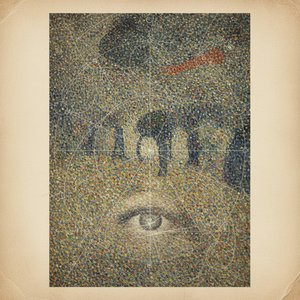
Fernand Léger (1881–1955) har laget Study for the . Den er fra 1954. Det tilhører Geometric Abstraction-bevegelsen. Den er laget i Acrylic On Canvas. Verket er bevart ved Museu do Caramulo i Caramulo, Portugal. Mål: 38 × 44 cm
- 1954
- Acrylic On Canvas
- 38 × 44 cm
- Museu do Caramulo

 Forhåndsvisning

 Håndmalt oljemaleri
 Send
 Del
 Faktablad


 Last ned bilde
 Liknende objekter
 Røntgenundersøkelse
 Lysbildefremvisning
 Spørsmål og svar

 Statistikk
Study for the , kort fortalt
- Tittel
- Study for the
- Kunstner
- Fernand Léger (1881–1955)
- Kunstner født i
- Argentan, Frankrike
- Dato
- 1954
- Medium
- Acrylic On Canvas
- Dimensjoner
- 38 × 44 cm
- Hvor det kan ses
- Museu do Caramulo, Caramulo, Portugal
- Bevegelse
- Geometric Abstraction
- Motiv
- musical performance, geometric forms, modern landscape, instrument ensemble, urban scene, animal presence
Hva forestiller Study for the ?
A Symphony of Form and Feeling: Exploring Fernand Léger’s “Study for Breakfast”
Fernand Léger's "Study for Breakfast," completed in 1954, transcends mere representation; it embodies the very spirit of Pointillism—a technique championed by Georges Seurat and embraced wholeheartedly by Léger as a means to convey dynamism and immediacy. This unassuming landscape isn’t simply depicted as it appears before our eyes; instead, Léger meticulously constructs it from countless tiny dots of pigment, creating an illusion of depth and texture that defies conventional painting methods. The resulting image pulsates with energy, mirroring the rhythms of daily life—a quiet morning scene rendered with astonishing precision. It's a masterful demonstration of how abstraction can serve as a conduit for emotion and observation simultaneously.- Style: Pointillism – Léger’s signature style prioritizes optical mixing over blending pigments on canvas, resulting in vibrant hues that shimmer and shift subtly under the light.
- Technique: Léger employed a painstaking process of applying dots of color—typically yellow, red, and blue—to build up layers of tonal variation. This method demanded immense patience and meticulous attention to detail, reflecting Léger’s unwavering commitment to his artistic vision.
Historical Context: Embracing Modernity Amidst Postwar Uncertainty
Created in the aftermath of World War II, “Study for Breakfast” speaks to a broader cultural preoccupation with rebuilding and redefining beauty after devastation. Léger’s stylistic choices—the geometric abstraction and the deliberate fragmentation of form—were deliberately antithetical to the prevailing artistic trends of his time, signaling a rejection of Impressionism's focus on fleeting sensations and an embrace of the machine age’s influence on visual perception. This bold stance positioned Léger as a pioneer of abstract expressionism, anticipating developments that would reshape the landscape of 20th-century art.Symbolic Resonance: The Quiet Power of Observation
Despite its apparent simplicity, “Study for Breakfast” is laden with symbolic significance. Léger’s use of dots—representing individual particles and conveying movement—suggests a fascination with scientific principles and an attempt to capture the underlying order of nature. The muted palette contributes to a mood of contemplative serenity, inviting viewers to contemplate the beauty found in everyday moments. It's a subtle reminder that even amidst turbulent times, art can offer solace and inspire wonder.Emotional Impact: Capturing Essence Through Precision
Ultimately, Léger’s “Study for Breakfast” succeeds in conveying an emotional resonance far exceeding its visual surface. The artist doesn’t aim to evoke sentimental feelings but rather to distill the essence of a scene—the feeling of warmth, light, and stillness—into a meticulously crafted composition. This achievement underscores Léger's profound understanding of how abstraction can communicate complex ideas and sensations with remarkable effectiveness. It remains an enduring testament to his artistic genius and a captivating example of Pointillist artistry.Hvilket museum har Study for the ?
Museu do Caramulo
Caramulo, Portugal
En symfoni av stål og sjel Innbeddet i de grønne, bølgende åsene i Serra do Caramulo i det sentrale Portugal, fremstår Museu do Caramulo som et pustløst paradoks – et fristed der maskinteknikkens presisjon møter den menneskelige kreativitetens dype kjerne. Dette er ikke bare et depot for relikvier; det er en levende dialog mellom to tilsynelatende uforenlige verdener. Museet ble grunnlagt av de visjonære brødrene Abel og João de Lacerda, og står som et vitnesbyrd om en delt lidenskap som nektet å se grenser mellom motorens drønn og penselstrøkets stille eleganse.


Høyoppløselige bilder av Study for the

Fritlig eiendom: kunstneren døde i 1955.
Andre størrelser, beskjæringer og sitering →Fernand Léger, Study for the (1954), Museu do Caramulo. Felleseie
Spørsmål om Study for the , besvart
Hvor kan "Study for the" av Fernand Léger sees utstilt i dag?
Originalen av "Study for the" av Fernand Léger oppbevares i Museu do Caramulo. En reproduksjon gjør det mulig å stille ut verket i eget hjem.
Når ble "Study for the" laget?
"Study for the" av Fernand Léger ble skapt i 1954.
Hvilket medium er "Study for the" av Fernand Léger utført i?
"Study for the" av Fernand Léger er utført i Acrylic On Canvas. Reproduksjonene har som mål å gjengi utseendet til denne teknikken.
Hva er målene på det originale verket "Study for the" av Fernand Léger?
"Study for the" måler 38 x 44 cm i sin originale form. Originalmålene er en nyttig referanse når du skal velge størrelse på en reproduksjon.
Hva forestiller "Study for the"?
Motivene i "Study for the" er musical performance, geometric forms, modern landscape, instrument ensemble, urban scene, animal presence, domestic setting, pointillism technique.
Er "Study for the" fri for opphavsrett?
Opphavsrettslig status for "Study for the" av Fernand Léger: verket er fritt tilgjengelig – opphavsretten har utløpt. Dette avgjør om det er tillatt å lage frie reproduksjoner av bildet.
Hvem er kunstneren bak "Study for the"?
"Study for the" tilskrives Fernand Léger.
Hvilken kunstretning tilhører "Study for the" av Fernand Léger?
"Study for the" av Fernand Léger tilhører Geometric Abstraction-retningen. Denne retningen gir det stilistiske kontekstet til verket.
Hvilken periode i Fernand Léger sin karriere tilhører "Study for the"?
"Study for the" tilhører Mature Period i Fernand Léger sin karriere. Denne klassifiseringen knytter verket til kunstnerens utvikling.
Om kunstneren, Fernand Léger

1881–1955, Frankrike
Fernand Léger
Livet til Fernand Léger Historien om Fernand Léger begynner i landsbyen Argentan, som ligger i Orne-regionen i Nedre Normandie. Han trådte inn i denne verden den 4. februar 1881 som enebarn. Hans tidlige år ble formet av stillheten på den franske landsbygda og nærværet til hans mor, Marie-Adèle Daunou.
Også av Fernand Léger
 Byen1919
 Den Mekaniker1920
 Tre Kvinner1921
 Nattbilder i Skogen1910

Essays om Study for the
 Industriell Stemning i Kunsten: Topp 10 Maler for Ditt Hjem | OriginalUniqueArt.comUtforsk 10 ikoniske malerier som fanger industriell stemning! Fra ekspresjonisme til kubisme – oppdag historien bak kunstverkene og finn in…
 Georges Seurat: Pointillism, Perception & the Scientific Foundations of Modern ArtExplore the revolutionary art of Georges Seurat and the science behind Pointillism. Discover chromoluminarism, optical mixing, and the last…
 Mastering the Machine Age: The Top 25 Fernand Léger ArtworksImmerse yourself in the vibrant world of Fernand Léger. Explore 25 iconic masterpieces of Cubism and Tubism, from bold geometric forms to m…