Se i rommet
 Del som digitalt kort
 Del
Del
 Detaljer
 Studentguide

 Last ned
 Liknende objekter
 Røntgen
 Lysbildefremvisning
 Besøksstatistikk
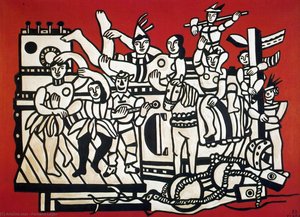
Acrobats in the circus


 Les mer
Håndlaget oljereproduksjon
Håndmalt olje på lerret i din valgte størrelse og ramme, laget på bestilling av våre kunstnere. ( Bytt til trykkversjon Gå til digitalt bilde)




P118B Nkr10

P118H Nkr10

P118W Nkr10

P438Z Nkr10

P508JH Nkr12

P508YH Nkr12

P805H Nkr10

P805Z Nkr10

P919BZ Nkr10

P919G Nkr10

P919XJ Nkr10

P959ZH Nkr10

P968JZ Nkr12

W106C Nkr8

W218G Nkr10

W218JH Nkr8

W218Y Nkr10

W307PJ Nkr10

W316G Nkr10

W316PJ Nkr8

W316Y Nkr10

W398PJ Nkr8

W4111J Nkr10

W500HY Nkr15

W500JH Nkr15

W692G Nkr12

W849H Nkr8

W940BG Nkr15

W953PJ Nkr8




Velg mellom våre forhåndsdefinerte størrelser som bevarer kunstverkets opprinnelige proporsjoner.

Skriv inn bredden og høyden du trenger, slik at den passer til din ramme eller vegg. Dette er håndmalt, så for en størrelse med en annen form kan kunstneren male litt mer rundt bildet, eller beskjære det noe — du velger selv. Vi sender deg en digital mockup for godkjenning før maleriet påbegynnes. Bildet som vises på denne siden viser ikke det faktiske resultatet — kun mockuppen gjør det.
Etter bestilling vil OriginalUniqueArt.com-teamet sende e-post til kunden for instruksjoner og sende et utkast (mockup) som forhåndsvisning.
Verdensomspennende levering () på 3–4 uker i stedet for standard 5 uker. (26 October). Ingen kompromisser med kvaliteten.

Gratis ekspressfrakt over hele verden

Lerretsduk av høykvalitets lin

Full transportforsikring

Garanti for refusjon av toll og importavgifter

Garantert fargeekthet

100 dagers returrett ved fabrikasjonsfeil

100% pengene tilbake-garanti

Mengderabatt
 Glassalternativet er kun tilgjengelig i størrelser under 110 cm

Acrobats in the circus
Reproduksjonsmetode
Format på reproduksjon
-


Totalpris
Nkr 2852
The Enthralling World of Fernand Léger’s “Acrobats in the Circus”
Fernand Léger's "Acrobats in the Circus," painted in 1918, isn’t merely a depiction of a circus performance; it’s a vibrant explosion of energy and a bold declaration of modernity. Emerging from the fertile artistic landscape of early 20th-century Paris, Léger sought to capture the dynamism of the machine age – its geometric forms, its rhythmic movement, and its inherent spectacle – within a distinctly personal visual language. This painting, created during a period of intense experimentation and marked by his development of “Tubism,” offers a captivating glimpse into this artistic vision.
The scene unfolds with an almost frenetic intensity. Léger abandons traditional representational techniques in favor of fractured forms and simplified shapes. The acrobats themselves are rendered as cylinders, cones, and angular blocks, their bodies dissolving into geometric patterns. This deliberate abstraction isn’t a retreat from reality but rather a way to distill the essence of movement and form – to capture the *feeling* of the circus, not just its appearance. Notice how the figures seem to vibrate with an internal energy, suggesting the thrilling rush of performance and the precarious balance inherent in their acts.
Cubism and the Mechanical Age
Léger’s work during this period is inextricably linked to the burgeoning field of Cubism, though he developed a unique approach. Unlike Picasso and Braque, who often employed collage techniques, Léger focused on pure geometric abstraction, drawing inspiration from the industrial world around him. The rhythmic repetition of shapes – the circular forms of the acrobats’ bodies, the angularity of the stage props, even the suggestion of machinery in the background – echoes the patterns found in factories and urban landscapes. This fascination with mechanics is evident not just in the visual style but also in Léger's broader artistic philosophy; he believed that art should reflect the realities of modern life.
The painting’s color palette further enhances this sense of dynamism. Bold primary colors – reds, yellows, and blues – dominate the composition, creating a visually arresting effect. Metallic tones are strategically employed to mimic the sheen of polished metal, reinforcing the mechanical aesthetic. The use of contrasting colors also contributes to the overall feeling of movement and excitement.
Symbolism and Emotional Resonance
Beyond its formal innovations, “Acrobats in the Circus” is rich in symbolic meaning. The circus itself represents a world of illusion, spectacle, and escape – a realm where the ordinary becomes extraordinary. The acrobats, with their daring feats and precarious balance, embody themes of risk, skill, and human resilience. Léger’s choice to depict them in such an abstracted manner suggests that they are not simply performers but rather embodiments of modern energy and dynamism.
The inclusion of everyday objects – a clock, bowls, and vases – scattered throughout the scene adds another layer of complexity. These seemingly mundane items become integrated into the larger composition, blurring the boundaries between reality and abstraction. They serve as reminders of the world outside the circus tent, grounding the fantastical imagery in a recognizable context. The painting’s overall effect is one of joyful chaos—a celebration of life, movement, and the spirit of innovation.
A Reproduction for Your Space
OriginalUniqueArt offers meticulously hand-painted reproductions of Fernand Léger's “Acrobats in the Circus,” capturing the artist’s unique style and vibrant energy with exceptional detail. Whether you are an art enthusiast, a collector seeking to expand your collection, or simply someone looking for a striking piece of décor, our reproductions provide a beautiful and authentic way to experience this iconic work of modern art. Choose from a range of sizes and canvas materials to perfectly complement your interior design.
Spørsmål og svar
Hvor sterke er fargene i "Acrobats in the circus"?
Fargene i "Acrobats in the circus" av Fernand Léger viser en Subtle Color metning med en Balanced intensitet.
Hvem skapte "Acrobats in the circus" og i hvilket år?
Kunstneren bak "Acrobats in the circus" er Fernand Léger, og verket er datert 1918.
Hva har "Acrobats in the circus" til felles med resten av Fernand Léger sin produksjon?
"Acrobats in the circus" tilhører Fernand Léger sitt Cubist Expressionism-verk, der de dokumenterte temaene inkluderer cubist abstraction, mechanical forms, circus life, modern dynamism, war trauma, fragmented figures, industrial age, urban themes.
Kunstnerbiografi
A Life Forged in Form: The World of Fernand Léger
Fernand Léger, født Joseph Fernand Henri Léger i 1881 i den rolige landsby Argentan i Normandie, er en sentral figur i utviklingen av moderne kunst. Hans reise fra jordbrukslivet i barndommen til frontlinjen i det franske avantgardegjennombruddet er et bevis på en urokkelig kunstnerisk visjon og en utrettelig søken etter å fange ånden i maskinæra. I motsetning til mange av sine samtidige, som omfavnet abstraksjon som en flukt fra representasjon, søkte Léger å *integrere* moderniteten – dens dynamikk, dens mekaniske former, dens essens – inn i et nytt visuelt språk som var både kraftfullt abstrakt og dypt forankret i den observerbare verden. Hans tidlige liv, preget av fysisk arbeid på gården, ga en kontrastfylt bakgrunn til den industrialiserte fremtiden han så inderlig ville portrettere. Opprinnelig bestemt til arkitektur, endret Légers vei mot maleri etter at han kom til Paris rundt 1900, hvor han forsørget seg selv gjennom tegnearbeid mens han perfeksjonerte sine kunstneriske ferdigheter. Denne perioden var preget av tradisjonell akademisk utdanning, men det var først ved å møte Cézannes banebrytende verk at en ekte transformasjon begynte å ta form.The Birth of ‘Tubism’ and the Section d’Or
Cézannes retrospektiv i 1907 fungerte som et katalysator, og frigjorde Léger fra konvensjonell representasjon og drev ham mot en mer geometrisk og strukturell tilnærming. Han begynte å demontere former, analysere deres underliggende strukturer og gjenskape dem på lerretet med et nytt fokus på soliditet og volum. Denne utforskningen førte raskt til at han ble involvert i Cubismens kretser, men Léger var ikke fornøyd med bare å reprodusere Picasso eller Braques’ stiler. I stedet utviklet han sin egen distinkte idiom – en personlig form for Cubisme som kritikere lekent kalte “Tubism.” Karakterisert av sylindriske former, flate plan og dristige fargekontraster, feiret Tubism maskinæraestetikken lenge før den ble en utbredt kunstnerisk bekymring. Det var et kunstverk født fra å observere den voksende industrielle verden, og erkjenne skjønnhet i dens funksjonelle former og mekaniske rytmer. Denne perioden så Léger aktivt delta i avantgardescenen, hvor han gikk sammen med kunstnere som Jean Metzinger, Henri Le Fauconnier, Francis Picabia og Marcel Duchamp innenfor Puteaux-gruppen, også kjent som Section d’Or (Det Gylne Snitt). Gruppen utforsket matematiske prinsipper for harmoni og proporsjon, og søkte å infundere deres kunst med en følelse av orden og rasjonalitet. Deres kollektive undersøkelser presset grensene for kunstnerisk uttrykk og la grunnlaget for fremtidige utviklinger innen abstrakt kunst.War, Mechanization, and a New Aesthetic
Første verdenskrig hadde en dyptgripende innvirkning på Légers liv og verk. Å tjene ved fronten fra 1914 til 1916 eksponerte ham for de brutale realitetene i moderne krig – artilleristillinger, luftkamp og den dehumaniserende effekten av mekaniserte konflikter. Denne opplevelsen førte ikke til desillusjon eller en avvisning av moderniteten; snarere solidifiserte det hans fascinasjon for maskiner og deres makt. Skisser han gjorde under sin tjeneste dokumenterte den strakende skjønnheten i militær teknologi, og transformerte våpen til kunstneriske motiver. Etter å ha returnert til sivile liv, gjennomgikk Légers estetikk en ytterligere evolusjon. Hans malerier begynte å reflektere en mer strømlinjet, mekanisk sanselighet, og feiret modernitetens potensial for fremgang og gjenoppbygging, selv i kjølvannet av katastrofale konflikter. *Soldier with a Pipe* (1916) er et eksempel på denne overgangen, som viser forenklede former og dristige farger som vekker følelsen av mekanisk presisjon. Dette var ikke bare et estetisk valg; det var en filosofisk erklæring – en bekreftelse av modernitetens potensial for fremgang og gjenoppbygging.Legacy and Lasting Influence
I sine etterkrigstider fortsatte Léger å utforske samspillet mellom kunst og industri, og skapte verk som feiret moderne liv med en unik blanding av abstraksjon og figurativitet. Hans *Paysages animés* (Animerte Landskap) serie fra 1921 viste figurer og dyr sømløst integrert i strømlinjede komposisjoner, og utviste grensene mellom organisk og uorganisk form. Han eksperimenterte også med skulptur og filmproduksjon, og utvidet sin kunstneriske praksis utenfor de tradisjonelle maleriets grenser. Légers innflytelse på etterfølgende generasjoner av kunstnere er ubestridelig. Hans dristige forenkling av form, hans omfavnelse av industrielle bilder og hans feiring av populærkulturen forutså fremveksten av Pop Art tiår senere. Kunstnere som Roy Lichtenstein og Andy Warhol skylder en klar gjeld til Légers banebrytende arbeid. Han brot mellom abstrakt kunst og figurativ representasjon, og viste at det var mulig å skape verk som var både intellektuelt krevende og visuelt engasjerende. I dag er Fernand Légers malerier beholdt i store museer over hele verden, inkludert Musée d'Art et d’Histoire i Frankrike og Musée National Fernand Léger, dedikert utelukkende til hans verk. Han forblir en fremragende figur i 20. århundrets kunst – en visjonær som torde finne skjønnhet i maskinæra og oversette dens energi på lerretet med uovertruffen dristighet og originalitet.
Fernand Léger
1881 - 1955 , Frankrike
Kort om kunstneren
- Artistic Movement Or Style: Cubisme, Tubisme
- Artists Or Movements Influenced By This Artist: ['Pop Art']
- Artists Who Influenced This Artist: ['Paul Cézanne']
- Date Of Birth: 4. februar 1881
- Date Of Death: 17. august 1955
- Full Name: Fernand Léger
- Nationality: Fransk
- Notable Artworks:
- Silvester Lega
- Soldier med pipe
- The Great Parade
- Place Of Birth: Argentan, Frankrike
Relaterte artikler
Deconstructing Reality: Cubism's Revolutionary Impact on 20th-Century Art
Explore the revolutionary world of Cubism with OriginalUniqueArt. Discover Picasso & Braque's groundbreaking techniques, its philosophical roots, and lasting impact on modern art. Expert insights for collectors.

Modern Geometry & Machine Age Beauty: A Collector's Guide to the Cubist Vision of Fernand Léger
Explore the profound geometric mastery of Fernand Léger. Discover how his 'Tubism' and Machine Age aesthetics redefined modern art, offering timeless inspiration for discerning collectors seeking to integrate Cubist dynamism into sophisticated contemporary interiors.

Modern Geometry & Machine Age Beauty: A Collector's Guide to the Cubist Vision of Fernand Léger
Explore the vibrant world of Fernand Léger. Discover how his 'Tubism' and Machine Age aesthetics redefined modern art, offering profound inspiration for discerning collectors seeking geometric beauty and industrial dynamism.
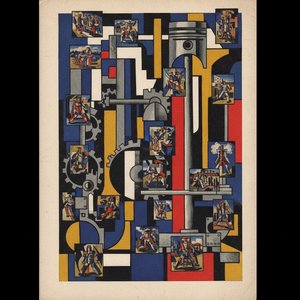
Fernand Léger: Topp 25 Kunstverk – En Hyllest til Modernismens Mester
Utforsk Fernand Légers 25 mest ikoniske kunstverk! Oppdag kubismens mester, hans revolusjonerende stil og fargerike hyllest til maskinalderen. Finn inspirasjon til interiørdesign og kjøp eksklusive reproduksjoner på OriginalUniqueArt.com.
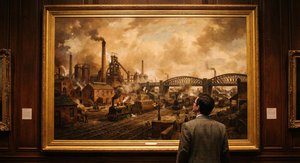
Industriell Stemning i Kunsten: Topp 10 Maler for Ditt Hjem | OriginalUniqueArt.com
Utforsk 10 ikoniske malerier som fanger industriell stemning! Fra ekspresjonisme til kubisme – oppdag historien bak kunstverkene og finn inspirasjon for ditt hjem. Museumskvalitet reproduksjoner på OriginalUniqueArt.com.