
 Se i rommet
 Del som digitalt kort
 Del
Del
 Detaljer
 Studentguide

 Last ned
 Liknende objekter
 Røntgen
 Lysbildefremvisning
 Besøksstatistikk
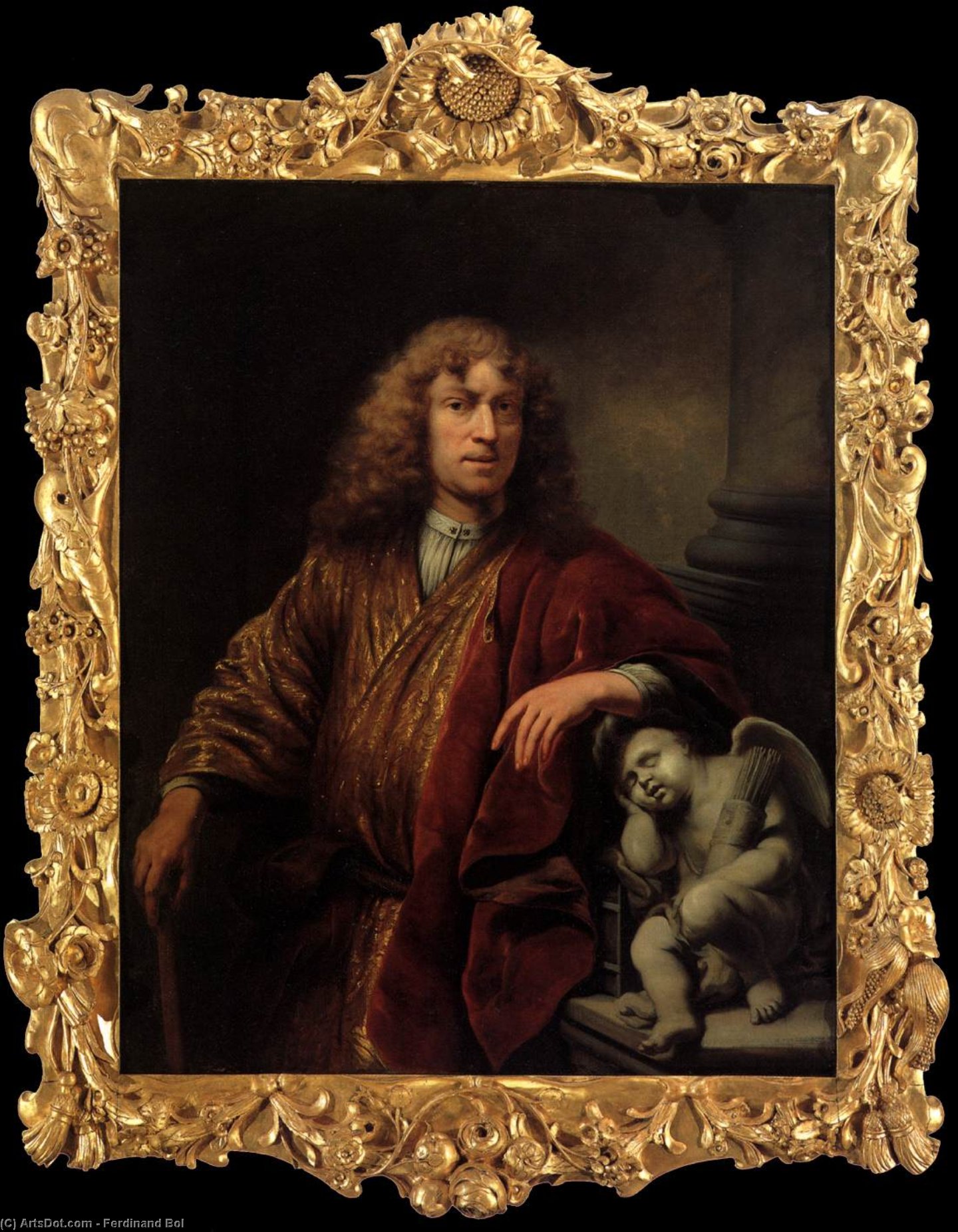
Self-Portrait
 Oil On Canvas
- WallArt
- Baroque
 1669
1669- Early Modern
 128.0 x 104.0 cm
 Rijksmuseum
 Les mer
Giclée / Kunsttrykk
Giclée- eller lerretsprint av museumskvalitet med rask produksjon og fleksible valgmuligheter for etterbehandling. ( Bestill håndmalt reproduksjon Gå til digitalt bilde)




P118B Nkr10

P118H Nkr10

P118W Nkr10

P438Z Nkr10

P508JH Nkr12

P508YH Nkr12

P805H Nkr10

P805Z Nkr10

P919BZ Nkr10

P919G Nkr10

P919XJ Nkr10

P959ZH Nkr10

P968JZ Nkr12

W106C Nkr8

W218G Nkr10

W218JH Nkr8

W218Y Nkr10

W307PJ Nkr10

W316G Nkr10

W316PJ Nkr8

W316Y Nkr10

W398PJ Nkr8

W4111J Nkr10

W500HY Nkr15

W500JH Nkr15

W692G Nkr12

W849H Nkr8

W940BG Nkr15

W953PJ Nkr8




Velg mellom våre forhåndsdefinerte størrelser som bevarer kunstverkets opprinnelige proporsjoner.

Skriv inn bredden og høyden du trenger, slik at den passer til din ramme eller vegg. Et trykk kan kun beskjæres, aldri gjøres større enn bildet, så et format med en annen form vil miste en del av motivet. Vi sender deg en digital mockup for godkjenning før vi trykker noe som helst. Bildet som vises på denne siden viser ikke den faktiske beskjæringen — det er kun mockuppen som gjør det.
Verdensomspennende levering () på 2 uker i stedet for standard 4/5 uker. (28 October)

Gratis ekspressfrakt over hele verden

Lerretsduk av høykvalitets lin

Full transportforsikring

Garanti for refusjon av toll og importavgifter

Garantert fargeekthet

100 dagers returrett ved fabrikasjonsfeil

100% pengene tilbake-garanti

Mengderabatt
 Glassalternativet er kun tilgjengelig i størrelser under 110 cm

Self-Portrait
Giclée / Kunsttrykk
Format på reproduksjon
-


Totalpris
Nkr 768
The Grandeur of Self-Reflection: A Baroque Masterpiece
To stand before this self-portrait is to encounter not merely a likeness, but a carefully constructed statement of status, intellect, and enduring confidence. Rendered in the opulent style of the Baroque period, this work captures the sitter at a moment of profound self-possession. The composition immediately draws the eye into the central figure, whose very bearing speaks of wealth and established dignity. Notice how the artist has utilized dramatic lighting—the hallmark of chiaroscuro—allowing deep shadows to cradle rich folds of fabric while brilliant highlights catch the sheen of luxurious garments and the thoughtful planes of the face. It is a visual symphony built upon contrast, demanding that the viewer pause and absorb the weight of its artistry.
Technique and Material Mastery
The technical execution here is nothing short of masterful. The artist employed oil paints on canvas, allowing for an incredible depth of texture that seems almost palpable. One can trace the meticulous brushwork in the sitter's richly draped clothing, where visible strokes build up volume and suggest the weight of velvet and silk. The handling of skin tones contrasts beautifully with the solidity of the architectural elements—the column and the subtle backdrop. These lines are not merely outlines; they flow, guiding the viewer’s gaze through the carefully orchestrated space. The perspective is expertly managed, employing a one-point focus that anchors all visual energy directly onto the self-portraitist, making the viewing experience intensely personal.
Historical Echoes and Symbolism
Dating to 1669, this piece emerges from the vibrant, ambitious heart of the Dutch Golden Age. While the sitter presents himself as a man of considerable means, the inclusion of the small statue in the background adds a layer of intellectual depth. Such symbolic elements often alluded to classical virtues—perhaps wisdom, or divine favor—suggesting that the subject’s self-regard was rooted not just in earthly success, but in cultivated virtue. The entire presentation speaks to an era where portraiture served as both commemoration and carefully curated public identity.
Bringing Baroque Grandeur Home
For those seeking to infuse a space with the gravitas and romance of historical European art, this reproduction offers unparalleled depth. Imagine this piece gracing a formal drawing-room or a library; its rich palette of deep reds, burnished golds, and warm browns will anchor any sophisticated interior design scheme. The layered textures and dramatic interplay of light make it an instant focal point. Owning a high-quality rendition allows one to connect intimately with the technical brilliance of Ferdinand Bol’s era, bringing home not just a painting, but a tangible piece of Baroque narrative drama.
Spørsmål og svar
Hva er anbefalt bruk av et trykk av "Self-Portrait"?
En reproduksjon av "Self-Portrait" av Ferdinand Bol anbefales til Accent. Dette forslaget er basert på verkets motiv, stemning og fargebruk.
Hvilket kontrastnivå viser "Self-Portrait" av Ferdinand Bol?
Lys-mørke-kontrasten i "Self-Portrait" er registrert som Bold. Kontrast beskriver hvor sterkt lyse og mørke områder skiller seg fra hverandre.
Hvor stor er den originale "Self-Portrait"?
"Self-Portrait" måler 128 x 104 cm i sin originale form. Originalmålene er en nyttig referanse når du skal velge størrelse på en reproduksjon.
Kunstnerbiografi
A Forgotten Master of the Dutch Golden Age
Ferdinand Bol, a name perhaps less familiar than those of his illustrious contemporaries Rembrandt van Rijn and Johannes Vermeer, nevertheless occupies a significant, if often overlooked, position within the pantheon of 17th-century Dutch Masters. Born in Dordrecht in 1616, Bol’s artistic journey was deeply intertwined with that of Rembrandt, serving as a pupil in the master's Amsterdam studio during a formative period. This apprenticeship profoundly shaped his style, initially leading to works so convincingly reminiscent of Rembrandt that attribution could prove challenging even for seasoned experts. However, to simply categorize Bol as a mere imitator would be a disservice to his own unique artistic voice and considerable talent. His early life laid the groundwork for a career marked by both technical brilliance and an evolving stylistic independence. While details regarding his initial training remain somewhat scarce – possibilities include tutelage under Jacob Cuyp in Dordrecht or Abraham Bloemaert in Utrecht – it was undoubtedly his time with Rembrandt that proved pivotal, immersing him in the dramatic lighting, psychological depth, and masterful brushwork characteristic of the Baroque period.Early Influences and the Rembrandt Studio
Bol’s artistic development can be traced through a fascinating trajectory—one beginning with faithful emulation and gradually blossoming into a distinctive personal style. In his early works, the influence of Rembrandt is undeniable; compositions often echo those of his teacher, employing similar chiaroscuro effects – that dramatic contrast between light and dark – and a penchant for portraying figures in moments of intense emotional or psychological drama. These early paintings are frequently described as “Rembrandt-esque,” showcasing a remarkable ability to replicate the master’s signature style with impressive accuracy. However, as Bol matured, he began to refine his technique, moving towards a greater emphasis on clarity, elegance, and refined detail. His palette lightened, shifting away from Rembrandt's often dark and brooding tones, and his figures acquired a more polished, aristocratic bearing. This subtle but significant shift reflects a growing independence of vision, as Bol sought to establish his own artistic identity while still drawing upon the foundations laid by his mentor. The period spent in Rembrandt’s studio was not merely one of imitation; it was a crucible where Bol honed his skills and absorbed the master's profound understanding of human anatomy, composition, and color theory.From Rembrandt’s Shadow to Independent Vision
Bol's artistic development can be traced through a fascinating trajectory—one beginning with faithful emulation and gradually blossoming into a distinctive personal style. In his early works, the influence of Rembrandt is undeniable; compositions often echo those of his teacher, employing similar chiaroscuro effects and a penchant for portraying figures in moments of intense emotional or psychological drama. However, as Bol matured, he began to refine his technique, moving towards a greater emphasis on clarity, elegance, and refined detail. His palette lightened, and his figures acquired a more polished, aristocratic bearing. This shift is particularly evident in his portraits, which became increasingly sought after by Amsterdam’s wealthy elite. He quickly rose through the ranks of Amsterdam's artistic community, becoming a burgher in 1652 and marrying into a family with connections to both the Admiralty and the wine merchants’ guild – affiliations that undoubtedly contributed to securing prestigious commissions. Notably, he received orders for chimney pieces for the new Amsterdam Town Hall, designed by Jacob van Campen, a testament to his growing reputation and artistic standing. He even took on pupils of his own, most notably Godfrey Kneller, who would later achieve fame as an English portrait painter.Historical Narratives and Portraiture: A Diverse Oeuvre
Bol’s oeuvre is remarkably diverse, encompassing historical subjects, portraits, *tronies* (character studies), and even some landscape elements. He demonstrated a particular aptitude for large-scale historical paintings, imbuing them with a sense of grandeur and dramatic tension. The Peace Negotiations between Claudius Civilis and Quintus Petillius Cerealis on the Demolished Bridge, now housed in a museum collection, stands as a prime example of his skill in depicting complex narratives with compelling visual impact. The painting showcases not only his mastery of composition and perspective but also his ability to convey the weight of historical events through expressive gestures and carefully rendered details. However, it was perhaps in the realm of portraiture that Bol truly excelled. He possessed an uncanny ability to capture the likenesses of his sitters while simultaneously revealing their inner character and social status. His portraits are characterized by a refined elegance and psychological insight, offering glimpses into the lives and personalities of Amsterdam’s prominent citizens. Works like Man in Golden Helmet (Mars), now residing in Warsaw's National Museum, exemplify this talent, presenting a figure imbued with both authority and vulnerability.Legacy and Rediscovery
Despite his success during his lifetime, Ferdinand Bol’s reputation waned considerably after his death in 1680. His works were often misattributed to Rembrandt, obscuring his individual contributions to Dutch Golden Age painting. It wasn't until the 20th century that concerted efforts began to re-evaluate his oeuvre and establish him as a significant artist in his own right. Today, scholars and collectors are increasingly recognizing the unique qualities of Bol’s work—his masterful technique, his evolving stylistic independence, and his ability to capture both the outward appearance and inner lives of his subjects. While his output remains relatively small compared to some of his contemporaries, the surviving paintings offer a captivating window into the artistic and cultural landscape of 17th-century Amsterdam. His legacy continues to inspire admiration and intrigue, ensuring that this once-forgotten master will continue to be rediscovered and appreciated by generations to come. The Museum Van Loon in Amsterdam and the Rembrandt House Museum both provide opportunities to encounter his work within the context of the era that shaped him.
Ferdinand Bol
1616 - 1680 , Nederland
Kort om kunstneren
- Artistic Movement Or Style: Barok maling
- Artists Or Movements Influenced By This Artist: ['Cornelis Bisschop']
- Artists Who Influenced This Artist: ['Rembrandt van Rijn']
- Date Of Birth: 24. juni 1616
- Date Of Death: 24. august 1680
- Full Name: Ferdinand Bol
- Nationality: Nederlandsk
- Notable Artworks:
- Fredsforhandlinger...
- Pyrrhus viser...
- Mann i gullhjelm
- Place Of Birth: Dordrecht, Nederland
Relaterte artikler

Mastering Light & Shadow: A Journey Through the Dutch Golden Age's Luminous Legacy
Embark on a cultural journey through the Dutch Golden Age. Explore the masterful interplay of light and shadow in 17th-century masterpieces, from Rembrandt to Vermeer, and discover how this era of profound realism continues to inspire fine art collectors today.

De 10 Mesterverkene Som Definerte Nederlandsk Barokk – Kunst og Inspirasjon | OriginalUniqueArt.no
Oppdag de 10 ikoniske mesterverkene som definerte nederlandsk barokk! Rembrandt, Vermeer og mer – lær historien bak kunsten og finn inspirasjon til ditt hjem. Museumskvalitet reproduksjoner på OriginalUniqueArt.no. Utforsk samlingen online!

De 10 Mesterverkene som Definerte den Nederlandsk Gyldne Tidsalder – Kunst & Interiør
Oppdag de 10 ikoniske mesterverkene fra den nederlandske gullalderen! Lær om Rembrandt, Vermeer og andre store kunstnere. Finn inspirasjon til klassisk interiørdekorasjon og kjøp museumskvalitets reproduksjoner på OriginalUniqueArt.com.

Golden Age Reflections: Dutch Baroque Painting & Cultural Innovation
Explore the Dutch Golden Age of painting! Discover key artists like Vermeer & ter Borch, their innovative techniques, and the rich cultural context behind these Baroque masterpieces. Learn about collecting & appreciating this iconic art period.

Golden Light & Dutch Skies: The Timeless Magic of Dutch Golden Age Landscapes
Discover the breathtaking beauty of Dutch Golden Age landscapes. Explore the mastery of light, chiaroscuro, and 17th-century realism through an expert art history lens, celebrating the enduring legacy of the Dutch Masters for discerning collectors and art lovers.
