
 Forhåndsvisning
 Send
Send Del
Del
 Vis detaljer
 Utskriftsvennlig guide

 Last ned bilde
 Liknende objekter
 Røntgenundersøkelse
 Lysbildefremvisning
 Q&A
Q&A Statistikk
Road at St Paul (Var)


 Vis hele teksten
Giclée / Kunsttrykk
Giclée- eller lerretsprint av museumskvalitet med rask produksjon og fleksible valgmuligheter for etterbehandling. ( Kjøp håndmalt maleri Bytt til digitalt bilde)




P118B Nkr10

P118H Nkr10

P118W Nkr10

P438Z Nkr10

P508JH Nkr12

P508YH Nkr12

P805H Nkr10

P805Z Nkr10

P919BZ Nkr10

P919G Nkr10

P919XJ Nkr10

P959ZH Nkr10

P968JZ Nkr12

W106C Nkr8

W218G Nkr10

W218JH Nkr8

W218Y Nkr10

W307PJ Nkr10

W316G Nkr10

W316PJ Nkr8

W316Y Nkr10

W398PJ Nkr8

W4111J Nkr10

W500HY Nkr15

W500JH Nkr15

W692G Nkr12

W849H Nkr8

W940BG Nkr15

W953PJ Nkr8




Velg mellom våre forhåndsdefinerte størrelser som bevarer kunstverkets opprinnelige proporsjoner.

Skriv inn ønsket bredde og høyde for å tilpasse trykket til din ramme eller vegg. Et trykk kan kun beskjæres, aldri skaleres opp utover motivets opprinnelige størrelse, noe som betyr at et format med andre proporsjoner vil føre til tap av deler av bildet. Vi sender deg en digital mockup for godkjenning før vi starter trykkeprosessen. Bildet som vises på denne siden viser ikke den faktiske beskjæringen — det er kun mockuppen som viser dette.
Verdensomspennende levering () på 2 uker i stedet for standard 4/5 uker. (2 November)

Gratis ekspressfrakt over hele verden

Lerretsduk av lin av høy kvalitet

Full transportforsikring

Garanti for refusjon av toll og importavgifter

Garantert fargegjengivelse

100 dagers returrett ved fabrikasjonsfeil

100% pengene tilbake-garanti

Rabatt ved flere kjøp
 Glassalternativet er kun tilgjengelig i størrelser under 110 cm

Road at St Paul (Var)
Giclée / Kunsttrykk
Størrelse på reproduksjon
-


Totalpris for valgte alternativer
Nkr 770
A Moment Frozen in Time: Exploring Félix Vallotton’s “Road at St Paul (Var)”
Félix Vallotton's "Road at St Paul (Var)," painted in 1922, is more than just a depiction of a rural scene; it’s a carefully constructed tableau brimming with quiet observation and an understated elegance. Housed within the Tate Gallery in London, this oil on canvas invites us into a fleeting moment, capturing not just the visual elements but also a palpable sense of atmosphere and human presence. The painting immediately draws the eye to a woman walking down a sun-drenched road, her figure rendered with Vallotton’s signature simplicity – a deliberate rejection of overly detailed realism in favor of suggestive forms and luminous color.
Vallotton, a pivotal figure within the *Nabi* movement, approached art with a unique sensibility. Initially trained in classical techniques, he ultimately forged his own path, moving away from academic constraints to embrace a more modern aesthetic. His work is characterized by bold colors, flattened perspectives, and an emphasis on capturing the essence of a subject rather than its literal representation. “Road at St Paul (Var)” exemplifies this approach perfectly; the landscape isn’t meticulously rendered but presented as a series of carefully chosen hues and shapes that evoke a specific mood – one of serene tranquility punctuated by subtle hints of activity.
The Language of Color and Light
Vallotton's masterful use of color is central to the painting’s impact. The dominant blues of the woman’s dress and the distant church create a cool, calming backdrop against which the warmer tones of the road and the sky stand out. He employs broken color—small, distinct patches of hue rather than blended shades—to achieve a shimmering effect, mimicking the way light interacts with surfaces. Notice how he uses highlights to draw attention to the woman’s form, while simultaneously softening the edges of the surrounding landscape. This creates a sense of depth and spatial ambiguity, inviting the viewer to contemplate the scene from multiple perspectives.
The lighting is particularly noteworthy. It's not a harsh, direct sunlight but rather a diffused glow that seems to emanate from everywhere at once. This contributes significantly to the painting’s overall mood – one of gentle warmth and quiet contemplation. The sky, rendered in shades of grey and blue, hints at an approaching storm, adding a subtle layer of drama to the otherwise peaceful scene.
A Glimpse into a World of Subtle Interactions
Beyond the central figure, “Road at St Paul (Var)” is populated with a series of secondary figures – men and women walking along the road, a horse-drawn cart in the distance, and a church perched on a hillside. These elements aren’t merely decorative; they subtly enrich the narrative, suggesting a community engaged in everyday life. The painting doesn't offer a clear story but rather invites us to imagine the lives of these individuals, their interactions, and their connection to this particular place.
The church itself is rendered with a certain detachment, almost as if it’s an integral part of the landscape. Its presence anchors the scene while simultaneously hinting at themes of faith, tradition, and perhaps even isolation. The composition—the diagonal line of the road leading towards the distant church—creates a sense of movement and directs our gaze across the canvas.
Owning a Piece of Artistic History
“Road at St Paul (Var)” is a testament to Vallotton’s ability to capture the essence of a moment with remarkable clarity and emotional resonance. OriginalUniqueArt offers meticulously crafted, hand-painted reproductions that faithfully recreate the painting's luminous colors, subtle textures, and evocative atmosphere. These reproductions are not simply prints; they are works of art in their own right, allowing you to bring this iconic image into your home or office and experience its beauty firsthand. Explore our collection at OriginalUniqueArt.com to discover a reproduction that perfectly suits your style and space.
For those seeking further insight, we encourage you to visit the Tate Gallery’s online resources: ‘Road at St Paul (Var)’, Félix Vallotton, 1922 | Tate.
Spørsmål og svar
Hvordan kan jeg forhåndsvise en reproduksjon av "Road at St Paul (Var)" av Félix Vallotton?
For å forhåndsvise en reproduksjon av "Road at St Paul (Var)" av Félix Vallotton, åpne kunstverkets Se kunstverket i et rom-side.
Hvilket medium er "Road at St Paul (Var)" av Félix Vallotton utført i?
"Road at St Paul (Var)" av Félix Vallotton er utført i Oil On Canvas. Reproduksjonene har som mål å gjengi utseendet til denne teknikken.
Hvor kan jeg se originalen av "Road at St Paul (Var)" av Félix Vallotton?
"Road at St Paul (Var)" av Félix Vallotton er utstilt på Tate Britain, London, Storbritannia. Museumsoppføringen refererer til originalverket, ikke til reproduksjoner.
Om kunstneren
A Life Bridging Worlds: Félix Vallotton and the Fin de Siècle
Félix Édouard Vallotton, født i Lausanne i Sveits i 1865, var en kunstner hvis verk formidler den komplekse ånden til *fin de siècle*. Han navigerte en vei mellom sine sveizere røtter og det pulserende kunstmiljøet i Paris, og ble til slutt en sentral figur i utviklingen av moderne kunst. Hans tidlige liv, dypt forankret i den konservative protestantiske verdien av sin familie – faren hans var apoteker, senere sjokolademaker – ga et markant kontrast til det bohemske verdenen han ville omfavne som kunstner. Selv om han opprinnelig ble veiledet mot klassisk studier ved Collège Cantonal, førte Vallottons lidenskap for visuell uttrykk til Paris i 1882, hvor han meldte seg på Académie Julian. Dette markerte ikke bare en geografisk overflytting, men en dypere perspektivskifte, og dykket ham inn i hjertet av kunstnerisk innovasjon og intellektuell ferment. Hans akademiske utdanning ga et solid fundament i teknikk, men det var hans møter med fremvoksende avantgarde sirkler som virkelig tenkte hans kreative bane.The Nabis and the Language of Intimacy
Vallottons kunstneriske utvikling tok en avgjørende vending da han ble assosiert med *Les Nabis* – en gruppe unge kunstnere inkludert Pierre Bonnard, Édouard Vuillard og Maurice Denis – i 1892. Selv om han ofte ble ansett som noe av en outsider innenfor gruppen, viste hans tilhørighet seg å være avgjørende for å forme hans distinkte stil. Nabisene søkte å infuse kunst med en åndelig kvalitet, utforske symbolikk og dekorative estetikk. Vallotton absorberte disse innflytelserne, men filtrerte dem gjennom sin egen unike sanslighet, preget av en kjølig distanse og urokkelig realisme. Dette er kanskje mest kraftfullt uttrykt i hans serie med treblokker, spesielt *Intimités* (1898). Disse ti interiørbildene er bemerkelsesverdige for sin psykologiske intensitet, som skildrer ladede møter mellom menn og kvinner med en urovekkende ærlighet. De er ikke narrativer om romantikk eller lidenskap, men snarere utforskninger av spenning, maktdynamikker og de skjulte kompleksitetene i det intime livet. De skarpe kontrastene mellom svart og hvitt i hans treblokker – en bevisst nikk til japanske *ukiyo-e* trykk – forsterker følelsen av uro og psykologisk granskning.Master of Woodcut and Painterly Nuance
Vallottons mesterskap strekte seg utover maleriets sfære; han er bredt anerkjent som en virtuos i treblokk, revitaliserte mediet med sine innovative teknikker. Han omfavnet mediumets enkelhet og direktehet, brukte dristige linjer og skarpe kontraster for å skape bilder som var både visuelt slående og emosjonelt resonante. Hans trykk var ikke bare illustrasjoner, men uavhengige kunstverk i seg selv, ofte satiriske i karakter, kommenterte sosiale konvensjoner og politiske spørsmål. Samtidig fortsatte Vallotton å utvikle sin malestil, avviker fra rent akademiske tilnærminger mot et mer personlig uttrykk. Han mestret dyktig realisme med subtile symbolske undertoner, skapte portretter, landskaper og stilleben som har en gåtefull kvalitet. Hans senere malerier demonstrerer en raffinert teknikk, preget av nøye modulert farge og presis formgjengelse. Han malte ofte *paysages composés* (“komponerte landskap”), konstruert fra minne og observasjon, innlemt med en følelse av stillhet og melankoli.Influences and Artistic Evolution
Vallottons kunstneriske utvikling ble sterkt påvirket av flere faktorer. Hans tidlige studier ved Académie Julian introduserte ham for franske malere som Gustave Moreau, som utforsket symbolistiske temaer og brukte en rik palett. Han var også inspirert av japansk kunst, spesielt *ukiyo-e* trykk, som påvirket hans bruk av komposisjon, farge og linje. Hans tilknytning til Nabisene introduserte ham for en gruppe kunstnere som eksperimenterte med nye former for uttrykk, inkludert bruk av fargerike flater og symbolistiske motiver. Han utviklet sin egen distinkte stil, preget av en kjølig distanse og urokkelig realisme, samtidig som han beholdt en interesse for dekorative elementer og symbolske bilder.Legacy and Enduring Influence
Félix Vallotton’s innflytelse resonerte gjennom det tidlige 20. århundre, påvirket kunstnere så forskjellige som Edvard Munch og Ernst Ludwig Kirchner. Hans urokkelige blikk, hans utforskning av psykologiske temaer og hans innovative bruk av trykkmedium banet vei for nye kunstneriske uttrykk. Han døde i Paris i 1925, og etterlot seg et verk som fortsatt fenger og utfordrer seerne i dag. Hans kunst tjener som en gripende refleksjon over *fin de siècle*s angst og motsetninger, og gir et innblikk i en verden på randen av dyp forandring. *Vallottons arv ligger ikke bare i hans tekniske briljans, men også i hans evne til å fange menneskelige erfaringer med ærlighet, intelligens og en vedvarende følelse av mystikk.* Han er en fengslende figur – en sveitsisk kunstner som fant sin stemme i Paris, forbinder tradisjon og modernitet, realisme og symbolisme, og etterlater et uutslettelig spor i kunsthistorien.
Félix Vallotton
1865 - 1925 , Sveits
Kort om kunstneren
- Artistic Movement Or Style: Post-Impressionisme, Symbolisme
- Artists Or Movements Influenced By This Artist:
- Les Nabis
- Munch
- Artists Who Influenced This Artist:
- Holbein
- Ingres
- Date Of Birth: 28. des. 1865
- Date Of Death: 29. des. 1925
- Full Name: Félix Édouard Vallotton
- Nationality: Sveits/Fransk
- Notable Artworks:
- Intimités
- Bathers
- Moonlight
- Place Of Birth: Lausanne, Sveits
Relaterte artikler

Paul Klees 25 Mesterverk: En Reise i Farge og Form | OriginalUniqueArt.no
Utforsk Paul Klees 25 mest ikoniske malerier! Fordyp deg i hans abstrakte verden, fargerike ekspresjonisme og unike stil. Finn inspirasjon til interiørdesign & kjøp museumskvalitets reproduksjoner på OriginalUniqueArt.com. Oppdag mesterverkene nå!

El Grecos 25 Mesterverk: Kunst, Historie og Inspirasjon for Ditt Hjem
Utforsk El Grecos 25 mest ikoniske malerier! Oppdag historien bak spansk renessanses mesterverk, fra 'Gravleggelsen av grev Orgaz' til dramatiske portretter. Finn kunsttrykk og reproduksjoner for ditt hjem på OriginalUniqueArt.com.
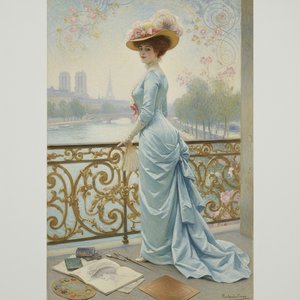
Paul César Helleu: Capturing Belle Époque Elegance & Artistic Innovation
Explore the captivating world of Paul César Helleu, master portraitist of the Belle Époque. Discover his innovative techniques, iconic works like 'Portrait of Margaret Kelly,' and investment potential with OriginalUniqueArt.

Paul Cézannes 25 Mesterverk: En Kunstnerisk Reise for Ditt Hjem
Utforsk Paul Cézannes 25 mest ikoniske malerier! Oppdag historien bak impresjonismens mesterverk, fra stilleben til landskap. Finn kunsttrykk av høy kvalitet og interiørinspirasjon på OriginalUniqueArt.com.

Paul Klee: A Poetics of Form and Color – Exploring the Inner Landscape of a Modern Master
Explore the captivating world of Paul Klee! Discover his innovative art, Bauhaus influence, & unique symbolic language. Expert analysis & high-quality reproductions at OriginalUniqueArt.

