Contemporary Realism Contemporary Realism · 1912
squam light (Edward Hopper, 1912)
Edward Hopper (1882–1967) har laget squam light. Den er fra 1912. Det tilhører Contemporary Realism Contemporary Realism-bevegelsen. Den er laget i Acrylic On Canvas.
- 1912
- Acrylic On Canvas

 Forhåndsvisning

 Håndmalt oljemaleri
 Send
 Del
 Faktablad


 Last ned bilde
 Liknende objekter
 Røntgenundersøkelse
 Lysbildefremvisning
 Spørsmål og svar

 Statistikk
squam light, kort fortalt
- Tittel
- squam light
- Kunstner
- Edward Hopper (1882–1967)
- Kunstner født i
- Upper Nyack, USA
- Dato
- 1912
- Medium
- Acrylic On Canvas
- Periode
- 19th Century
- Motiv
- lighthouse scene, coastal landscape, edward hopper, atmospheric light, solitude theme, american realism
Hva forestiller squam light?
A Study in Coastal Solitude: "Squam Light" by Edward Hopper
Edward Hopper’s “Squam Light,” painted in 1912, is more than just a depiction of a New England coastline; it's a carefully constructed meditation on isolation and the enduring presence of human endeavor against the vastness of nature. The painting immediately draws the viewer into a scene of quiet contemplation – a solitary lighthouse standing sentinel over a turbulent sea, its white form a beacon both literal and metaphorical. Hopper’s masterful use of light and shadow, hallmarks of his style, dramatically shapes the composition, emphasizing the stark geometry of the lighthouse against the diffuse, cloudy sky.
- Subject Matter: The primary subject is the iconic New England lighthouse, a symbol of guidance, safety, and connection. However, Hopper subtly subverts this traditional symbolism by presenting it in a state of quiet detachment.
- Composition: The placement of the houses – one prominent in the foreground, another receding into the distance – creates a sense of depth and invites the viewer to consider the lives unfolding within these modest dwellings.
Technique and Style: Hopper’s Realist Vision
Painted during a period when American realism was gaining prominence, “Squam Light” exemplifies Hopper's meticulous attention to detail and his ability to capture the essence of everyday life. His technique is characterized by precise brushwork and a restrained palette – primarily muted blues, grays, and whites – which contributes significantly to the painting’s melancholic mood. Hopper’s approach was rooted in observation; he spent considerable time studying the landscapes and people around him, translating his perceptions onto canvas with remarkable accuracy. The slightly hazy atmosphere, achieved through layering of paint, adds a sense of atmospheric perspective, further enhancing the realism of the scene.
Historical Context: A Moment of Transition
1912 marks a pivotal moment in American art history. Hopper was developing his distinctive style during this time, influenced by the burgeoning interest in depicting modern life and the growing awareness of urban alienation. The rise of industrialization and urbanization were beginning to reshape American society, leading to increased feelings of isolation and detachment – themes that would become central to Hopper’s oeuvre. This painting reflects a broader cultural shift towards introspection and a questioning of traditional values.
Symbolism and Emotional Impact
"Squam Light" resonates with viewers on an emotional level due to its inherent ambiguity. The lighthouse, though offering guidance, remains isolated; the houses suggest lives lived within quiet routines, perhaps lacking connection or purpose. Hopper’s work frequently explores themes of loneliness, alienation, and the search for meaning in a rapidly changing world. The painting's subdued palette and carefully constructed composition evoke a sense of melancholy and contemplation, inviting viewers to reflect on their own experiences of solitude and the relationship between humanity and the natural world. It is a powerful reminder of the quiet beauty and inherent sadness that can be found in even the most familiar landscapes.
Høyoppløselige bilder av squam light
Protected by copyright: these files are for personal reference, not a licence to republish.
Edward Hopper, squam light (1912).
Spørsmål om squam light, besvart
Hva er dateringen til "squam light" av Edward Hopper?
"squam light" av Edward Hopper ble skapt i 1912.
Hvilken teknikk er brukt i "squam light" av Edward Hopper?
Edward Hopper brukte Acrylic On Canvas-teknikken i "squam light". Teknikken definerer det materielle uttrykket til det originale verket.
Hva forestiller "squam light" av Edward Hopper?
"squam light" av Edward Hopper avbilder: lighthouse scene, coastal landscape, edward hopper, atmospheric light, solitude theme, american realism, nineteen eleven.
Er bildet av "squam light" av Edward Hopper i det frie domene?
Når det gjelder opphavsrett, er "squam light" fortsatt beskyttet av opphavsretten.
Hvilken kunstner kan "squam light" tilskrives?
"squam light" tilskrives Edward Hopper.
Hvilken stilart tilhører "squam light"?
"squam light" er et verk innenfor Contemporary Realism Contemporary Realism. Retningen angir den kunstneriske tradisjonen verket er en del av.
Hvilken periode i Edward Hopper sin karriere tilhører "squam light"?
"squam light" tilhører Mature Period Mature Period i Edward Hopper sin karriere. Denne klassifiseringen knytter verket til kunstnerens utvikling.
Hvor gammel var Edward Hopper da hen laget "squam light"?
Edward Hopper var 30 år gammel da squam light ble skapt i 1912. Alderen er beregnet ut fra kunstnerens fødselsår, 1882.
Hvorfor er den opphavsrettslige statusen til "squam light" slik den er?
"squam light" av Edward Hopper er fortsatt beskyttet av opphavsretten. Opphavsretten løper fra kunstnerens dødsår, som var i 1967.
Om kunstneren, Edward Hopper
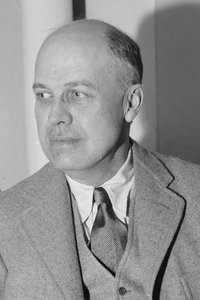
1882–1967, USA
Edward Hopper
Den amerikanske scenens stillhet Edward Hopper ble født i Upper Nyack, USA. Hans tidlige år ble tilbrakt med å observere verden med et stødig blikk, en vane som startet med barndomsskisser som var møysommelig datert og signert. Selv om foreldrene hans foreslo en praktisk karriere innen kommersiell illustrasjon, forble hans fokus rettet mot finkunsten. Han studerte ved New York School of Art under William Merritt Chase og Robert Henri.
Også av Edward Hopper
 Natteugler, Kunstinstituttet i Chicago, Chica1942
 Automat (liten)
 Hus ved jernbanen1925
 New York Movie1939
Essays om squam light
 Harlem Renaissance vs. American Scene Painting: Defining Two Eras of US ArtDiscover the stylistic differences between Harlem Renaissance and American Scene Painting. Explore these iconic art movements now.
 American artworks of the 1940sIconic 1940s American works by Edward Hopper and Dorothea Lange. Explore the full collection online at OriginalUniqueArt.com.
 American artworks of the 1950sIconic 1950s American works by Edward Hopper and Richard Avedon define an era. Explore the full collection online at OriginalUniqueArt.com.