

 Se i rommet
 Del som digitalt kort
 Del
Del
 Detaljer
 Studentguide

 Last ned
 Liknende objekter
 Røntgen
 Lysbildefremvisning
 Besøksstatistikk
Peaceable Kingdom (34)


 Les mer
Giclée / Kunsttrykk
Giclée- eller lerretsprint av museumskvalitet med rask produksjon og fleksible valgmuligheter for etterbehandling. ( Bestill håndmalt reproduksjon Gå til digitalt bilde)




P118B Nkr10

P118H Nkr10

P118W Nkr10

P438Z Nkr10

P508JH Nkr12

P508YH Nkr12

P805H Nkr10

P805Z Nkr10

P919BZ Nkr10

P919G Nkr10

P919XJ Nkr10

P959ZH Nkr10

P968JZ Nkr12

W106C Nkr8

W218G Nkr10

W218JH Nkr8

W218Y Nkr10

W307PJ Nkr10

W316G Nkr10

W316PJ Nkr8

W316Y Nkr10

W398PJ Nkr8

W4111J Nkr10

W500HY Nkr15

W500JH Nkr15

W692G Nkr12

W849H Nkr8

W940BG Nkr15

W953PJ Nkr8




Velg mellom våre forhåndsdefinerte størrelser som bevarer kunstverkets opprinnelige proporsjoner.

Skriv inn bredden og høyden du trenger, slik at den passer til din ramme eller vegg. Et trykk kan kun beskjæres, aldri gjøres større enn bildet, så et format med en annen form vil miste en del av motivet. Vi sender deg en digital mockup for godkjenning før vi trykker noe som helst. Bildet som vises på denne siden viser ikke den faktiske beskjæringen — det er kun mockuppen som gjør det.
Verdensomspennende levering () på 2 uker i stedet for standard 4/5 uker. (22 October)

Gratis ekspressfrakt over hele verden

Lerretsduk av høykvalitets lin

Full transportforsikring

Garanti for refusjon av toll og importavgifter

Garantert fargeekthet

100 dagers returrett ved fabrikasjonsfeil

100% pengene tilbake-garanti

Mengderabatt
 Glassalternativet er kun tilgjengelig i størrelser under 110 cm

Peaceable Kingdom (34)
Giclée / Kunsttrykk
Format på reproduksjon
-


Totalpris
Nkr 755
Peaceable Kingdom (34): A Vision of Harmony Embodied
Edward Hicks’ “Peaceable Kingdom” (1834) stands as an enduring testament to Quaker faith and artistic ingenuity, capturing a moment of profound serenity amidst the anxieties of its time. Currently residing in the National Gallery of Art's collection, this monumental oil on canvas transcends mere depiction; it presents a carefully constructed allegory for universal peace and reconciliation—a message powerfully conveyed through Hicks’ distinctive blend of folk art sensibilities and meticulous realism.- Subject Matter: The painting portrays the biblical narrative of Noah’s Ark, depicting animals and humans coexisting peacefully after the Great Flood. This selection of imagery wasn't arbitrary; it directly reflects Quaker beliefs concerning God’s benevolent stewardship of creation and humanity’s responsibility to foster harmony within the natural world.
- Style: Hicks’ approach leans heavily into Mannerism—a stylistic movement characterized by elongated figures, dramatic poses, and an expressive handling of form—though tempered by a grounding in American folk art traditions. This fusion creates a visual language that is both emotionally resonant and intellectually stimulating.
- Technique: The artist employed painstaking detail in rendering textures – particularly fur, feathers, and fabric – demonstrating mastery over oil paint application. Layers upon layers of pigment were skillfully blended to achieve luminous effects and imbue the scene with palpable warmth.
- Symbolism: Beyond its biblical narrative, “Peaceable Kingdom” is laden with symbolic significance. The ark represents salvation and divine protection, while the diverse animal population symbolizes God’s covenant with humanity—a promise of mutual care and respect. Notably, the two infants nestled amongst the animals symbolize future generations inheriting this legacy of peace.
- Historical Context: Hicks created “Peaceable Kingdom” during a period marked by social unrest and religious fervor in America. The painting served as a visual articulation of Quaker pacifism—a stance firmly opposed to violence—and offered solace amidst turbulent times.
Further Exploration
For more information about Edward Hicks and his artistic endeavors, visit /art/list/?Filter=8YDLSX-Edward-Hicks-Peaceable-Kingdom-(34). You can also discover other paintings by Hicks here: /art/list/?Filter=8YDLSH-Edward-Hicks-Peaceable-Kingdom-(20) and /art/list/?Filter=8YDLS3-Edward-Hicks-Peaceable-Kingdom.Resources
You can find more details about “Peaceable Kingdom” and its artistic merit on the National Gallery of Art’s website: https://www.nga.gov/artworks/59908-peaceable-kingdomSpørsmål og svar
Viser "Peaceable Kingdom (34)" sterke lys-mørke-kontraster?
"Peaceable Kingdom (34)" av Edward Hicks viser en Statement kontrast mellom de lyse og mørke partiene.
Hva er den dominerende fargen i "Peaceable Kingdom (34)" av Edward Hicks?
Fargen som skiller seg mest ut i "Peaceable Kingdom (34)" er Phthalo Green (#241c25). Den dominerende fargen er nyttig når man skal matche et kunstverk med et interiør.
Befinner "Peaceable Kingdom (34)" seg i kunstnerens hjemland?
Ja – kunstverket oppbevares i kunstnerens hjemland. "Peaceable Kingdom (34)" befinner seg i USA, mens Edward Hicks ble født i USA.
Kunstnerbiografi
A Life Rooted in Faith and Vision
Edward Hicks, born April 4th, 1780, in the tranquil landscape of Attleboro (now Langhorne), Bucks County, Pennsylvania, was a figure uniquely positioned at the intersection of religious conviction and artistic expression. His story is not simply that of a self-taught painter, but of a dedicated Quaker minister whose spiritual journey profoundly shaped his distinctive visual language. Though born to Anglican parents, young Edward’s life took a pivotal turn when he came under the care of Matron Elizabeth Twining, a devout Quaker who instilled in him the core tenets of this faith – simplicity, peace, and an unwavering belief in the “inner light.” This early exposure would become the bedrock upon which his artistic vision was built. From the age of thirteen, Hicks apprenticed with coach makers William and Henry Tomlinson, mastering the techniques of decorative painting that would initially sustain him. However, even as he honed his skills in rendering ornate designs on carriages, a deeper calling resonated within him, one that would ultimately lead him down a path less traveled – a path where faith and artistry converged. By 1803, Hicks had fully embraced the Society of Friends, marrying Sarah Worstall and embarking on a life of itinerant preaching throughout Philadelphia, all while continuing to support his growing family through his painting skills.The Evolving Canvas: From Coachwork to Spiritual Landscapes
Hicks’s artistic development was far from conventional. He wasn't formally trained in the academic traditions of the time; instead, he cultivated a distinctly American folk art style born from observation, necessity, and deeply held beliefs. Initially, his paintings served practical purposes – house painting, coach decoration, tavern signs, and even decorative work on furniture and farm equipment. These early commissions provided financial stability but often conflicted with the Quaker emphasis on plainness and eschewal of worldly vanities. A period of hardship in 1815 saw Hicks briefly abandon ornamental painting for farming, a venture that proved unsuccessful. It was through encouragement from friends that he returned to his brushes in 1816, a turning point that allowed him to reconcile his artistic talents with his spiritual calling. He began to imbue his paintings with symbolic meaning, reflecting his Quaker worldview and personal interpretations of scripture. His canvases became vehicles for conveying messages of peace, harmony, and the promise of a divinely ordained order.The Peaceable Kingdom: A Vision of Harmony
Edward Hicks is most celebrated today for his series of paintings known collectively as *The Peaceable Kingdom*. Comprising over sixty variations created throughout his life, these works are arguably the most iconic examples of American folk art. Inspired by Isaiah 11:6-9 – a passage foretelling a time when natural predators would coexist peacefully – Hicks depicted scenes of wild animals and children living in idyllic harmony. The paintings often feature figures from colonial Pennsylvania history, such as William Penn negotiating treaties with Native Americans, further grounding the biblical vision within an American context. *The Peaceable Kingdom* is not simply a charming depiction of animal life; it’s a powerful statement about Hicks's belief that Pennsylvania represented a fulfillment of this prophetic ideal – a place where peace and justice could prevail. Each version of *The Peaceable Kingdom* possesses subtle variations in composition, color palette, and detail, reflecting Hicks’s evolving artistic sensibilities and deepening spiritual understanding. Notable examples include *Peaceable Kingdom (31)* housed at Yale University Art Gallery, and *Peaceable Kingdom (34)* which portrays Noah's Ark amidst a serene landscape.Beyond the Kingdom: A Broader Artistic Scope
While *The Peaceable Kingdom* remains his signature achievement, Edward Hicks’s artistic output extended beyond this celebrated series. He painted landscapes, portraits, and historical scenes, each imbued with his characteristic folk art style and Quaker sensibility. His *Falls of Niagara*, now at the Abby Aldrich Rockefeller Folk Art Center, demonstrates his ability to capture the grandeur of nature while maintaining a sense of simplicity and reverence. Similarly, his depiction of *George Washington crossing...* – also held at the Abby Aldrich Rockefeller Folk Art Center – offers a unique folk perspective on this iconic moment in American history. Even seemingly mundane subjects like *Grave of William Penn at Jordans in England*, reveal Hicks’s deep connection to Quaker heritage and his ability to find spiritual significance in everyday scenes. These works, taken together, demonstrate the breadth of Hicks's artistic vision and his commitment to using art as a means of expressing his faith and values.A Lasting Legacy: The Folk Art Icon
Edward Hicks passed away on August 23rd, 1849, in Newtown, Pennsylvania, leaving behind a body of work that continues to resonate with audiences today. He is now recognized as a pivotal figure in American folk art, celebrated for his distinctive style, recurring themes, and profound spiritual depth. His paintings offer invaluable insights into the beliefs and values of the Society of Friends during the 19th century, providing a visual record of their commitment to peace, simplicity, and social justice. Hicks’s unique ability to blend religious faith with artistic expression created a body of work that is both visually compelling and spiritually meaningful. He remains a testament to the power of self-taught artistry and the enduring influence of Quaker spirituality on American art history. His legacy continues to inspire artists and scholars alike, ensuring that his vision of harmony – embodied in *The Peaceable Kingdom* – will endure for generations to come.
Edward Hicks
1780 - 1849 , USA
Kort om kunstneren
- Artistic Movement Or Style: Folk Art
- Date Of Birth: April 4, 1780
- Date Of Death: August 23, 1849
- Full Name: Edward Hicks
- Nationality: Amerikaner
- Notable Artworks:
- Fredens kongedømme (31)
- Niagarafoss
- George Washington krysser Delaware...
- Fredens kongedømme (34)
- Place Of Birth: Langhorne, USA
Relaterte artikler
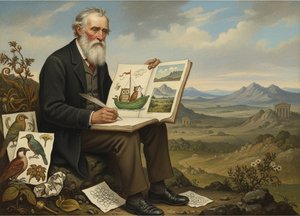
Edward Lear: A Life Beyond Nonsense – Landscape, Illustration & the Poetics of Isolation
Explore the life of Edward Lear beyond his nonsense poems. Discover his stunning landscape paintings, travel illustrations & the poignant themes of isolation in this expert art history analysis.
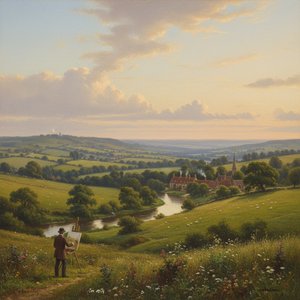
Edward Wilkins Waite: A Victorian Vision of Surrey's Serene Landscapes & Artistic Legacy
Explore the serene landscapes of Edward Wilkins Waite (1854-1924), a prolific Victorian painter celebrated for his depictions of Surrey's countryside. Discover his artistic influences, career highlights & collecting guide.
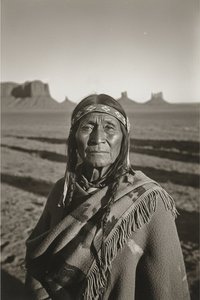
Shadow Catcher: Edward S. Curtis & the Ethnographic Portraiture of a Vanishing West
Explore the life & work of Edward S. Curtis, the 'Shadow Catcher,' and his groundbreaking photographic documentation of Native American cultures. Discover iconic images from *The North American Indian* and a critical look at his lasting legacy.

Edward Hicks’ ‘Peaceable Kingdom’: American Folk Art & the Shaping of a National Identity
Explore the profound symbolism & historical context of Edward Hicks’ ‘Peaceable Kingdom.’ Discover how this iconic American folk art masterpiece reflects Quaker values and shaped a nation's identity. Learn more at OriginalUniqueArt.
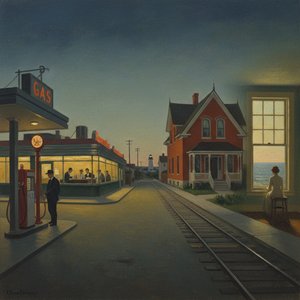
Edward Hoppers 25 Mesterverk: En Reise i Amerikansk Realisme og Stemning | OriginalUniqueArt.no
Oppdag Edward Hoppers 25 mest ikoniske malerier! Fordyp deg i amerikansk realisme, lysets spill og stemningen av isolasjon. Finn kunsttrykk & inspirasjon til hjemmet ditt på OriginalUniqueArt.no – museumskvalitet for enhver smak.