

 Se i rommet
 Del som digitalt kort
 Del
Del
 Detaljer
 Studentguide

 Last ned
 Liknende objekter
 Røntgen
 Lysbildefremvisning
 Besøksstatistikk
Peaceable Kingdom (11)


 Les mer
Håndlaget oljereproduksjon
Håndmalt olje på lerret i din valgte størrelse og ramme, laget på bestilling av våre kunstnere. ( Bytt til trykkversjon Gå til digitalt bilde)




P118B Nkr10

P118H Nkr10

P118W Nkr10

P438Z Nkr10

P508JH Nkr12

P508YH Nkr12

P805H Nkr10

P805Z Nkr10

P919BZ Nkr10

P919G Nkr10

P919XJ Nkr10

P959ZH Nkr10

P968JZ Nkr12

W106C Nkr8

W218G Nkr10

W218JH Nkr8

W218Y Nkr10

W307PJ Nkr10

W316G Nkr10

W316PJ Nkr8

W316Y Nkr10

W398PJ Nkr8

W4111J Nkr10

W500HY Nkr15

W500JH Nkr15

W692G Nkr12

W849H Nkr8

W940BG Nkr15

W953PJ Nkr8




Velg mellom våre forhåndsdefinerte størrelser som bevarer kunstverkets opprinnelige proporsjoner.

Skriv inn bredden og høyden du trenger, slik at den passer til din ramme eller vegg. Dette er håndmalt, så for en størrelse med en annen form kan kunstneren male litt mer rundt bildet, eller beskjære det noe — du velger selv. Vi sender deg en digital mockup for godkjenning før maleriet påbegynnes. Bildet som vises på denne siden viser ikke det faktiske resultatet — kun mockuppen gjør det.
Etter bestilling vil OriginalUniqueArt.com-teamet sende e-post til kunden for instruksjoner og sende et utkast (mockup) som forhåndsvisning.
Verdensomspennende levering () på 3–4 uker i stedet for standard 5 uker. (22 October). Ingen kompromisser med kvaliteten.

Gratis ekspressfrakt over hele verden

Lerretsduk av høykvalitets lin

Full transportforsikring

Garanti for refusjon av toll og importavgifter

Garantert fargeekthet

100 dagers returrett ved fabrikasjonsfeil

100% pengene tilbake-garanti

Mengderabatt
 Glassalternativet er kun tilgjengelig i størrelser under 110 cm

Peaceable Kingdom (11)
Reproduksjonsmetode
Format på reproduksjon
-


Totalpris
Nkr 2832
The Serenity of Harmony: Exploring Edward Hicks’ “Peaceable Kingdom”
Edward Hicks' "Peaceable Kingdom" (1844) isn't merely a painting; it’s a visual sermon, a testament to Quaker faith rendered in the warm, inviting hues of folk art. This iconic image, currently residing within the Dallas Museum of Art, transcends its humble canvas dimensions to embody a profound yearning for peace and interconnectedness – a sentiment remarkably resonant even today. Hicks, a self-taught artist largely devoid of formal training, eschewed academic precision in favor of a deeply personal style characterized by simple forms, gentle colors, and an almost childlike earnestness. This deliberate choice allowed him to infuse the scene with an undeniable sincerity, drawing viewers into a world where predator and prey coexist in tranquil harmony.
The painting itself is a carefully orchestrated tableau. At its heart lies a magnificent lion, not roaring or threatening, but lying peacefully beside a cow – a potent symbol of reconciliation and mutual respect. Surrounding them are a diverse array of animals: a tiger, a horse, a dog, all rendered with an affectionate touch. Scattered amongst these creatures are several figures, representing humanity’s potential for empathy and cooperation. These aren't idealized portraits; they are ordinary people, engaged in quiet contemplation or gentle interaction with the animals. The composition is deliberately balanced, creating a sense of stability and inviting the viewer to step into this idyllic world.
A Quaker Vision: Faith and Symbolism
Understanding "Peaceable Kingdom" requires acknowledging its deeply rooted context within the Society of Friends (Quakers). Hicks’ life was inextricably linked to his faith; he served as a minister alongside his artistic pursuits. The painting is, in essence, a visual representation of core Quaker beliefs – particularly the concept of the “Inner Light,” an intuitive sense of God residing within each individual. This belief fostered a profound respect for all living creatures and emphasized the importance of non-violence and peaceful coexistence. The scene directly references Isaiah 11:6-8, which speaks of a future world where wolves and lambs will live together in peace – a prophecy Hicks sought to depict as attainable through human action and spiritual understanding.
Beyond its religious significance, the painting is rich with symbolic meaning. The lion, traditionally associated with strength and power, is rendered docile and vulnerable. The cow, representing gentleness and nurturing, embodies compassion. The presence of various animals – from the majestic horse to the playful dog – underscores the interconnectedness of all life. Even the two birds perched atop the lion’s head symbolize hope and divine guidance. Hicks masterfully uses these symbols to convey a message of universal harmony and the potential for humanity to live in accordance with nature's rhythms.
The Art of Folk Art: Technique and Style
Hicks’ distinctive style is immediately recognizable as folk art, a genre characterized by its simplicity, directness, and emotional honesty. He employed a technique known as “grisaille,” using muted tones to establish the basic forms and values before adding color. This approach allowed him to build up layers of detail gradually, creating a sense of depth and realism despite his lack of formal training. His brushstrokes are often loose and expressive, contributing to the painting’s warm, inviting atmosphere.
The use of color is particularly noteworthy. Hicks favored earthy tones – browns, greens, and yellows – which evoke a sense of naturalism and tranquility. He avoided dramatic contrasts or overly bright colors, opting instead for a harmonious palette that reinforces the painting's overall message of peace and serenity. The lighting is soft and diffused, casting a gentle glow over the scene and further enhancing its idyllic quality.
A Legacy of Peace: Reproduction and Inspiration
"Peaceable Kingdom" has resonated with audiences for centuries, inspiring countless reproductions and interpretations. OriginalUniqueArt offers meticulously crafted hand-painted reproductions that faithfully capture the essence of Hicks’ original masterpiece. These reproductions are not merely copies; they are works of art in their own right, created by skilled artisans who share a deep appreciation for Hicks' vision. Whether displayed in a home or office, a "Peaceable Kingdom" reproduction serves as a constant reminder of the importance of compassion, understanding, and the enduring power of peace.
More than just a beautiful image, “Peaceable Kingdom” is a timeless symbol of hope – a testament to the possibility of a world where all creatures can live together in harmony. It’s an invitation to reflect on our own role in creating a more peaceful and sustainable future, one brushstroke at a time.
Spørsmål og svar
Hvilket motiv og hvilken atmosfære forener "Peaceable Kingdom (11)" av Edward Hicks?
"Peaceable Kingdom (11)" av Edward Hicks kombinerer harmony, peace, animals, quakerism, farm, landscape, biblical med en Calm atmosfære.
Hvilken kunstner kan "Peaceable Kingdom (11)" tilskrives?
"Peaceable Kingdom (11)" tilskrives Edward Hicks.
Hva foreslås brukt til "Peaceable Kingdom (11)" av Edward Hicks?
Anbefalt bruk av et trykk av "Peaceable Kingdom (11)" er Statement.
Kunstnerbiografi
A Life Rooted in Faith and Vision
Edward Hicks, born April 4th, 1780, in the tranquil landscape of Attleboro (now Langhorne), Bucks County, Pennsylvania, was a figure uniquely positioned at the intersection of religious conviction and artistic expression. His story is not simply that of a self-taught painter, but of a dedicated Quaker minister whose spiritual journey profoundly shaped his distinctive visual language. Though born to Anglican parents, young Edward’s life took a pivotal turn when he came under the care of Matron Elizabeth Twining, a devout Quaker who instilled in him the core tenets of this faith – simplicity, peace, and an unwavering belief in the “inner light.” This early exposure would become the bedrock upon which his artistic vision was built. From the age of thirteen, Hicks apprenticed with coach makers William and Henry Tomlinson, mastering the techniques of decorative painting that would initially sustain him. However, even as he honed his skills in rendering ornate designs on carriages, a deeper calling resonated within him, one that would ultimately lead him down a path less traveled – a path where faith and artistry converged. By 1803, Hicks had fully embraced the Society of Friends, marrying Sarah Worstall and embarking on a life of itinerant preaching throughout Philadelphia, all while continuing to support his growing family through his painting skills.The Evolving Canvas: From Coachwork to Spiritual Landscapes
Hicks’s artistic development was far from conventional. He wasn't formally trained in the academic traditions of the time; instead, he cultivated a distinctly American folk art style born from observation, necessity, and deeply held beliefs. Initially, his paintings served practical purposes – house painting, coach decoration, tavern signs, and even decorative work on furniture and farm equipment. These early commissions provided financial stability but often conflicted with the Quaker emphasis on plainness and eschewal of worldly vanities. A period of hardship in 1815 saw Hicks briefly abandon ornamental painting for farming, a venture that proved unsuccessful. It was through encouragement from friends that he returned to his brushes in 1816, a turning point that allowed him to reconcile his artistic talents with his spiritual calling. He began to imbue his paintings with symbolic meaning, reflecting his Quaker worldview and personal interpretations of scripture. His canvases became vehicles for conveying messages of peace, harmony, and the promise of a divinely ordained order.The Peaceable Kingdom: A Vision of Harmony
Edward Hicks is most celebrated today for his series of paintings known collectively as *The Peaceable Kingdom*. Comprising over sixty variations created throughout his life, these works are arguably the most iconic examples of American folk art. Inspired by Isaiah 11:6-9 – a passage foretelling a time when natural predators would coexist peacefully – Hicks depicted scenes of wild animals and children living in idyllic harmony. The paintings often feature figures from colonial Pennsylvania history, such as William Penn negotiating treaties with Native Americans, further grounding the biblical vision within an American context. *The Peaceable Kingdom* is not simply a charming depiction of animal life; it’s a powerful statement about Hicks's belief that Pennsylvania represented a fulfillment of this prophetic ideal – a place where peace and justice could prevail. Each version of *The Peaceable Kingdom* possesses subtle variations in composition, color palette, and detail, reflecting Hicks’s evolving artistic sensibilities and deepening spiritual understanding. Notable examples include *Peaceable Kingdom (31)* housed at Yale University Art Gallery, and *Peaceable Kingdom (34)* which portrays Noah's Ark amidst a serene landscape.Beyond the Kingdom: A Broader Artistic Scope
While *The Peaceable Kingdom* remains his signature achievement, Edward Hicks’s artistic output extended beyond this celebrated series. He painted landscapes, portraits, and historical scenes, each imbued with his characteristic folk art style and Quaker sensibility. His *Falls of Niagara*, now at the Abby Aldrich Rockefeller Folk Art Center, demonstrates his ability to capture the grandeur of nature while maintaining a sense of simplicity and reverence. Similarly, his depiction of *George Washington crossing...* – also held at the Abby Aldrich Rockefeller Folk Art Center – offers a unique folk perspective on this iconic moment in American history. Even seemingly mundane subjects like *Grave of William Penn at Jordans in England*, reveal Hicks’s deep connection to Quaker heritage and his ability to find spiritual significance in everyday scenes. These works, taken together, demonstrate the breadth of Hicks's artistic vision and his commitment to using art as a means of expressing his faith and values.A Lasting Legacy: The Folk Art Icon
Edward Hicks passed away on August 23rd, 1849, in Newtown, Pennsylvania, leaving behind a body of work that continues to resonate with audiences today. He is now recognized as a pivotal figure in American folk art, celebrated for his distinctive style, recurring themes, and profound spiritual depth. His paintings offer invaluable insights into the beliefs and values of the Society of Friends during the 19th century, providing a visual record of their commitment to peace, simplicity, and social justice. Hicks’s unique ability to blend religious faith with artistic expression created a body of work that is both visually compelling and spiritually meaningful. He remains a testament to the power of self-taught artistry and the enduring influence of Quaker spirituality on American art history. His legacy continues to inspire artists and scholars alike, ensuring that his vision of harmony – embodied in *The Peaceable Kingdom* – will endure for generations to come.
Edward Hicks
1780 - 1849 , USA
Kort om kunstneren
- Artistic Movement Or Style: Folk Art
- Date Of Birth: April 4, 1780
- Date Of Death: August 23, 1849
- Full Name: Edward Hicks
- Nationality: Amerikaner
- Notable Artworks:
- Fredens kongedømme (31)
- Niagarafoss
- George Washington krysser Delaware...
- Fredens kongedømme (34)
- Place Of Birth: Langhorne, USA
Relaterte artikler
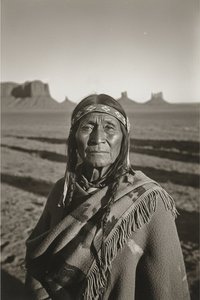
Shadow Catcher: Edward S. Curtis & the Ethnographic Portraiture of a Vanishing West
Explore the life & work of Edward S. Curtis, the 'Shadow Catcher,' and his groundbreaking photographic documentation of Native American cultures. Discover iconic images from *The North American Indian* and a critical look at his lasting legacy.
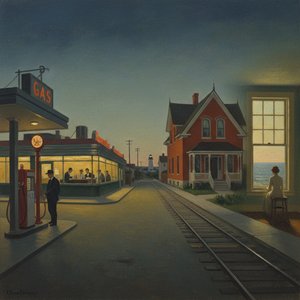
Edward Hoppers 25 Mesterverk: En Reise i Amerikansk Realisme og Stemning | OriginalUniqueArt.no
Oppdag Edward Hoppers 25 mest ikoniske malerier! Fordyp deg i amerikansk realisme, lysets spill og stemningen av isolasjon. Finn kunsttrykk & inspirasjon til hjemmet ditt på OriginalUniqueArt.no – museumskvalitet for enhver smak.

Grant Wood & American Regionalism: Identity, Myth & the Rural Landscape
Explore the world of Grant Wood & American Regionalism with OriginalUniqueArt. Discover the symbolism behind 'American Gothic', recurring themes, and the movement's lasting impact on art history. High-quality reproductions available.

Amerikansk Realisme: 10 Mesterverk som Formet Kunsten – OriginalUniqueArt.no
Utforsk 10 ikoniske mesterverk fra amerikansk realisme! Oppdag Edward Hopper, Andrew Wyeth og Grant Wood – historiene bak kunsten, teknikker & farger. Finn reproduksjoner av høy kvalitet for ditt hjem på OriginalUniqueArt.com. Utforsk samlingen online!

Edward Hicks’ ‘Peaceable Kingdom’: American Folk Art & the Shaping of a National Identity
Explore the profound symbolism & historical context of Edward Hicks’ ‘Peaceable Kingdom.’ Discover how this iconic American folk art masterpiece reflects Quaker values and shaped a nation's identity. Learn more at OriginalUniqueArt.