

 Forhåndsvisning
 Send
Send Del med andre
 Vis detaljer

 Last ned bildet
 Liknende objekter
 Røntgenundersøkelse
 Lysbildefremvisning
Nativity
 Oil On Panel
- Early Renaissance
 1492
1492 85.0 x 63.0 cm
 Fitzwilliam College
 Vis hele teksten
Håndlaget oljereproduksjon
Håndmalt olje på lerret i din valgte størrelse og ramme, laget på bestilling av våre kunstnere. ( Kjøp trykk Kjøp bilde)




P118B $10

P118H $10

P118W $10

P438Z $10

P508JH $12

P508YH $12

P805H $10

P805Z $10

P919BZ $10

P919G $10

P919XJ $10

P959ZH $10

P968JZ $12

W106C $8

W218G $10

W218JH $8

W218Y $10

W307PJ $10

W316G $10

W316PJ $8

W316Y $10

W398PJ $8

W4111J $10

W500HY $15

W500JH $15

W692G $12

W849H $8

W940BG $15

W953PJ $8




Velg mellom våre forhåndsdefinerte størrelser som bevarer kunstverkets opprinnelige proporsjoner.

Du kan angi egne mål for å tilpasse en spesifikk ramme eller plass. Dersom den valgte størrelsen ikke samsvarer med originalbildets proporsjoner, vil vi enten beskjære kunstverket eller utvide maleriet med ytterligere håndmalte elementer. En digital mockup vil bli sendt til din godkjenning før produksjonen starter.
Vennligst merk at forhåndsvisningen på skjermen ikke gjenspeiler den faktiske beskjæringen eller utvidelsen. Kun mockuppen vil vise den endelige komposisjonen nøyaktig.
Selv om tilpassede størrelser er tilgjengelige, anbefaler vi å velge et mål fra den forhåndsdefinerte listen for å bevare de originale proporsjonene.
Etter bestilling vil OriginalUniqueArt.com-teamet sende e-post til kunden for instruksjoner og sende et utkast (mockup) som forhåndsvisning.
Verdensomspennende levering () på 3–4 uker i stedet for standard 5 uker. (24 August). Ingen kompromisser med kvaliteten.

Gratis ekspressfrakt over hele verden

Lerretsduk av høykvalitets lin

Full forsikring under transport

Garanti for refusjon av toll og importavgifter

Garantert korrekt fargegjengivelse

60 dagers returrett (kun ved feil)

100% pengene tilbake-garanti

Rabatt ved flere kjøp
 Glassalternativet er kun tilgjengelig i størrelser under 110 cm

Nativity
Teknikk for reproduksjon
Størrelse på reproduksjon
-


Endelig pris
$ 350
Beskrivelse av kunstverket
Domenico Ghirlandaio: A Florentine Garland
Domenico di Tommaso Curradi di Doffo Bigordi, known to history as Domenico Ghirlandaio, emerged from the vibrant artistic landscape of Florence in 1449. His very nickname, “Il Ghirlandaio” – the garland-maker – speaks volumes about his origins and early influences. It wasn’t a reference to floral arrangements but rather to the exquisite, jewel-like headdresses crafted by his father, a goldsmith, that adorned Florentine women of the era. This familial connection to craftsmanship instilled in young Domenico an appreciation for detail, precision, and the beauty of ornamentation – qualities that would profoundly shape his artistic vision.
Initially apprenticed to his father, learning the intricacies of metalwork, he soon transitioned to painting under Alesso Baldovinetti, absorbing the techniques of fresco and mosaic that defined Florentine art. Some scholars also suggest a formative period with Andrea del Verrocchio, placing him amongst the foremost artists of his time – a lineage that would continue through generations.
His workshop became a crucible for artistic innovation, fostering collaborations with fellow masters like Botticelli and Perugino, shaping the stylistic currents of Renaissance Florence. Ghirlandaio’s output wasn't merely decorative; it was imbued with intellectual curiosity and a deep understanding of humanist ideals, reflecting the burgeoning spirit of rediscovery that characterized the era.
The Nativity: A Masterpiece of Early Renaissance Style
“The Nativity,” created circa 1492 by Domenico Ghirlandaio in Early Renaissance style, stands as a testament to the artistic achievements of its time. Executed with meticulous attention to detail and bathed in the warm glow of diffused light—a hallmark of Florentine fresco painting—the scene depicts Joseph, Mary, and the infant Jesus nestled within a rustic outbuilding or shelter.
The composition is centered around the figures themselves, skillfully arranged against a landscape backdrop that provides depth and context. Ghirlandaio’s masterful use of perspective creates an illusionistic space, transporting viewers into the biblical narrative. Lines are predominantly soft and flowing, contributing to the overall sense of serenity—a deliberate choice reflecting the humanist preoccupation with harmony and balance.
Shapes are largely organic – rounded figures embodying idealized human forms—harmoniously integrated with naturalistic landscapes rendered in muted earth tones. Textures appear subtly rendered, suggesting brushstrokes and layering of paint, demonstrating Ghirlandaio’s mastery of technique. The artist skillfully captures the emotional essence of the nativity scene: tenderness, piety, and familial love.
Symbolism and Artistic Innovation
Beyond its aesthetic beauty, “The Nativity” is rich in symbolic elements that resonate with Christian iconography. The halo above Mary’s head signifies her holiness—a common motif in Renaissance art—while the presence of a cow symbolizes fertility and pastoral life—reflecting the Tuscan countryside.
Ghirlandaio's innovative approach to fresco painting distinguishes him from his predecessors, notably Verrocchio, who had pioneered techniques for achieving realistic illusionism. He skillfully employed chiaroscuro – the dramatic interplay of light and shadow – to sculpt the figures and enhance their expressive power. This masterful manipulation of light contributes significantly to the scene’s emotional impact.
A Legacy Enduring Through Time
Painted in oil on panel, “The Nativity” exemplifies Ghirlandaio's commitment to capturing both visual splendor and psychological nuance. The meticulous layering of pigments—primarily earth tones—creates a luminous surface that retains its vibrancy across centuries. Materials used included linseed oil for binding the paint and wood for the panel substrate.
Today, “The Nativity” resides in the Fitzwilliam Museum (University of Cambridge), where it continues to inspire admiration for its artistic excellence and enduring spiritual significance. Its depiction of the birth of Jesus Christ remains a cornerstone of Christian art history—a timeless masterpiece embodying the ideals of Early Renaissance Florence.
Om kunstneren
A Florentine Garland: The Life and Art of Domenico Ghirlandaio
Domenico di Tommaso Curradi di Doffo Bigordi, a name that echoes through the annals of Renaissance art as Domenico Ghirlandaio, emerged from the vibrant heart of Florence in 1449. His very moniker, “Il Ghirlandaio” – the garland-maker – offers a tantalizing glimpse into his origins and the formative influences that shaped his extraordinary artistic vision. It wasn’t a reference to floral arrangements, but rather to the exquisite, jewel-like headdresses crafted by his father, a skilled goldsmith, adorning the fashionable women of Florence at the time. This familial connection to craftsmanship instilled in young Domenico an innate appreciation for meticulous detail, precise execution, and the captivating beauty of ornamentation – qualities that would become inextricably woven into the fabric of his artistic style. Initially apprenticed to his father, learning the intricate techniques of metalworking, he soon transitioned to painting under the tutelage of Alesso Baldovinetti, absorbing the fundamental principles of fresco and mosaic—the dominant forms of visual expression in Renaissance Florence. Some scholars also suggest a formative period spent within the workshop of Andrea del Verrocchio, placing him amongst a generation of masters who were poised to redefine the very essence of Renaissance aesthetics.Bridging the Sacred and the Secular
Ghirlandaio’s artistic genius lay in his remarkable ability to seamlessly fuse the realms of religious narrative with the immediacy of contemporary life. He didn't depict biblical figures as idealized, distant ancestors; instead, he populated his frescoes with recognizable Florentines – bustling merchants, everyday townsfolk, even members of prominent patron families—bringing a startling sense of realism and intimacy to sacred scenes. This innovative approach wasn’t merely decorative; it served to ground the divine in the tangible world, making religious stories relatable and profoundly human. His workshop, a dynamic hub of creativity, was far from a solitary studio. It thrived with the collaborative efforts of his brothers, Davide and Benedetto Ghirlandaio, his talented brother-in-law, Sebastiano Mainardi, and, most notably, the burgeoning genius of young Michelangelo Buonarroti—a testament to Ghirlandaio’s exceptional leadership and ability to nurture artistic talent. The sheer efficiency and productivity of this studio allowed him to undertake ambitious commissions that solidified his reputation as one of Florence's foremost artists. Notable examples include the breathtaking fresco cycles adorning the Sassetti Chapel in Santa Trinita (1482-1485), a vibrant tapestry of biblical stories interwoven with scenes depicting Florentine commerce and daily life—a remarkable demonstration of his ability to seamlessly blend the sacred and the secular. The *Apotheosis of St. Zenobius* within the Palazzo Vecchio further showcased his mastery of perspective, composition, and color, cementing his position as a leading figure in Florentine art.Rome and the Sistine Chapel
The pinnacle of Ghirlandaio’s illustrious career arrived in 1481 when he received an invitation from Pope Sixtus IV to travel to Rome. The pontiff sought to assemble a team of Florence's most accomplished artists—including Botticelli, Perugino, and Rossetti—to adorn the walls of the newly constructed Sistine Chapel. Ghirlandaio’s contribution was *The Vocation of the Apostles*, a dynamic and captivating scene depicting Christ summoning Peter and Andrew to follow him. While often overshadowed by Michelangelo's later ceiling frescoes, this work in the Sistine Chapel stands as a testament to Ghirlandaio’s exceptional narrative skill and his ability to create compelling compositions brimming with expressive figures. Crucially, it provided a vital learning experience for the young Michelangelo Buonarroti, who observed Ghirlandaio’s techniques firsthand, absorbing invaluable lessons that would profoundly influence his own artistic development—a connection that underscores the interconnectedness of Renaissance art.Legacy of Realism and Influence
Domenico Ghirlandaio's untimely death in 1494 at the age of forty-five tragically cut short a promising career, yet his impact on the trajectory of Renaissance art remains undeniably profound. He left behind a legacy not only through his numerous frescoes and paintings but also through the artists he nurtured—most notably Michelangelo. His unwavering commitment to realism, his remarkable ability to portray contemporary life within the context of religious narratives, and his masterful command of color and composition exerted a lasting influence on generations of painters who followed. While perhaps less celebrated than some of his contemporaries—such as Leonardo da Vinci or Raphael—Ghirlandaio’s work offers a unique and intimate window into the vibrant world of Renaissance Florence—a world where faith, commerce, and artistic innovation converged to create an era of unparalleled cultural achievement. His paintings continue to resonate today, offering viewers a captivating glimpse into the lives and beliefs of those who lived centuries ago.Notable Works
- St. Jerome in His Study (1480): A companion piece to Botticelli’s *Saint Augustine*, showcasing Ghirlandaio's meticulous attention to detail and his mastery of fresco technique.
- The Last Supper (Ognissanti, 1480): A groundbreaking work that significantly influenced subsequent depictions of this iconic scene, including Leonardo da Vinci’s masterpiece.
- Frescoes in the Sassetti Chapel (Santa Trinita, 1482-1485): A comprehensive cycle illustrating the life of St. Francis, celebrated for its remarkably realistic portrayal of Florentine society and daily life.
- The Vocation of the Apostles (Sistine Chapel, 1483): A significant contribution to one of the world’s most iconic artistic spaces, demonstrating Ghirlandaio's narrative skill and compositional prowess.
- Adoration of the Magi (Uffizi Gallery, 1487): A vibrant and richly detailed depiction showcasing Ghirlandaio’s exceptional command of color, composition, and perspective.

Domenico Ghirlandaio
1449 - 1494 , Italia
Kort om kunstneren
- Artistic Movement Or Style: Renaissance tidlig
- Artists Or Movements Influenced By This Artist:
- Michelangelo
- Ridolfo Ghirlandaio
- Artists Who Influenced This Artist:
- Alesso Baldovinetti
- Andrea del Verrocchio
- Date Of Birth: 1449
- Date Of Death: 1494
- Full Name: Domenico di Tommaso Curradi
- Nationality: Italiensk
- Notable Artworks:
- St. Jerome
- Senapets
- Sassetti-kapellet
- Place Of Birth: Firenze, Italia
Relaterte artikler

The Enduring Legacy of Oil on Canvas: Technique, History & Aesthetic Impact
Explore the rich history & techniques of oil painting – from Renaissance masters to Impressionism. Discover pigments, layering methods, and why this timeless medium endures. Expert insights for artists & art enthusiasts.

Oil on Canvas: A Historical & Technical Exploration of a Timeless Artistic Medium
Explore the rich history & enduring techniques of oil painting on canvas. Discover the science behind its longevity, conservation practices, and contemporary relevance. Expert insights for art enthusiasts.

The Enduring Power of Painting: A Historical & Contemporary Exploration of Form and Emotion
Explore the rich history & enduring techniques of oil painting with OriginalUniqueArt. Discover masterpieces, learn about art collecting, and find authentic handmade reproductions crafted by skilled artists.

Oljemaleriets varige arv: Teknikk, historie og samtidspraksis
Utforsk oljemaleriets fascinerende historie og teknikker! Lær om mestere, materialer og samtidspraksis. Få ekspertråd og inspirasjon for ditt neste kunstprosjekt.
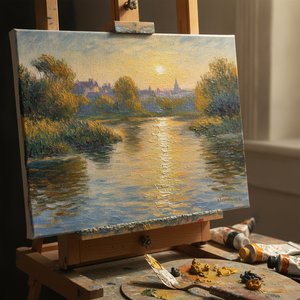
The Soul of Impressionism: Why Oil on Canvas Captures Eternal Light and Timeless Emotion
Discover the enchanting alchemy of Impressionism. Explore how the mastery of oil on canvas, through glazing and impasto, captures eternal light and emotion. Perfect for lovers of Monet and Van Gogh seeking the profound depth of hand-painted fine art.



