
 Del som digitalt kort
 Del
Del
 Detaljer
 Studentguide

 Last ned
 Liknende objekter
 Lysbildefremvisning
 Besøksstatistikk
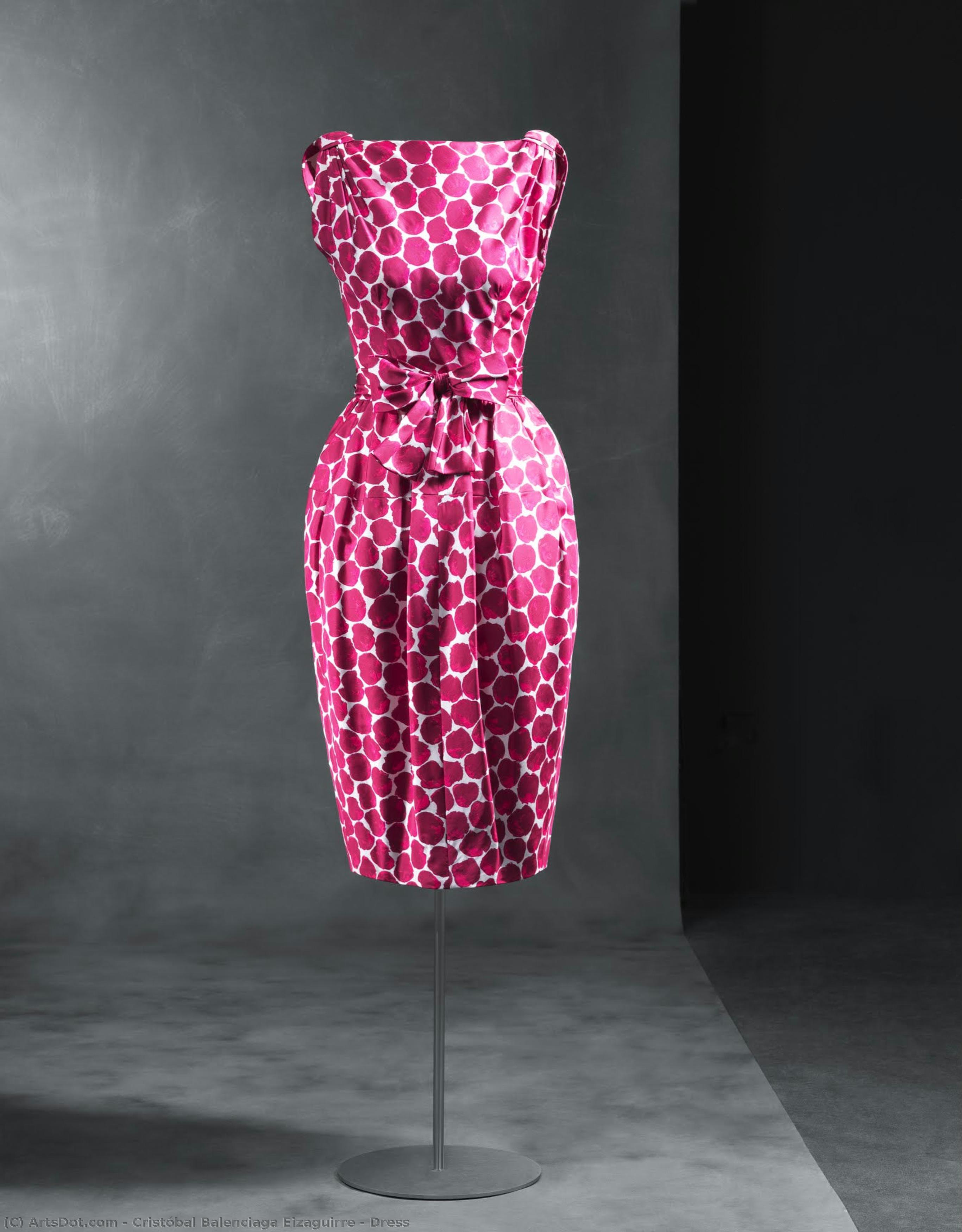
Dress


 Les mer
Giclée / Kunsttrykk
Giclée- eller lerretsprint av museumskvalitet med rask produksjon og fleksible valgmuligheter for etterbehandling. ( Bestill håndmalt reproduksjon Gå til digitalt bilde)




































Velg mellom våre forhåndsdefinerte størrelser som bevarer kunstverkets opprinnelige proporsjoner.

Du kan oppgi egne mål for å tilpasse en spesifikk ramme eller et bestemt område. Dersom den valgte størrelsen ikke samsvarer med det originale bildets proporsjoner, vil vi enten beskjære kunstverket eller utvide bildet med en speilet eller ensfarget kant. En digital mockup vil bli sendt til din godkjenning før produksjonen starter.
Vennligst merk at forhåndsvisningen på skjermen ikke gjenspeiler den faktiske beskjæringen eller utvidelsen. Kun mockuppen vil vise den endelige komposisjonen nøyaktig.
Selv om tilpassede størrelser er tilgjengelige, anbefaler vi å velge et mål fra den forhåndsdefinerte listen for å bevare de originale proporsjonene.
Verdensomspennende levering () på 2 uker i stedet for standard 4/5 uker. (27 September)

Gratis ekspressfrakt over hele verden

Lerretsduk av høykvalitets lin

Full transportforsikring

Garanti for refusjon av toll og importavgifter

Garantert fargeekthet

100 dagers returrett ved fabrikasjonsfeil

100% pengene tilbake-garanti

Mengderabatt
 Glassalternativet er kun tilgjengelig i størrelser under 110 cm

Dress
Giclée / Kunsttrykk
Format på reproduksjon
-


Totalpris
$ 80
The Architecture of Elegance: Balenciaga’s Sculptural Vision
In the pantheon of haute couture, few names command as much reverence as Cristóbal Balenciaga Eizaguirre. Often referred to by his contemporaries as "the master of us all," Balenciaga did not merely design clothing; he sculpted space and form around the female silhouette. His 1961 creation, a masterpiece of structural grace, serves as a profound testament to this architectural approach to fashion. The garment transcends the ephemeral nature of trends, offering instead a timeless exploration of geometry and poise. To behold this piece is to witness a moment where fabric ceases to be mere textile and becomes a medium for high art, much like marble in the hands of a Renaissance master.
The essence of this work lies in its ability to achieve breathtaking sophistication through restraint. Eschewing the excessive ornamentation that often characterized mid-century glamour, Balenciaga focused his genius on the precision of the cut and the deliberate manipulation of volume. The dress utilizes meticulous darts and strategic folds to create a silhouette that is both soft and structurally sound—a tulip-like curve that honors the natural grace of the wearer while imposing a disciplined, sculptural elegance. This technique reflects a deep connection to the avant-garde movements of his era, particularly Cubism and Surrealism, where the deconstruction of form and the emphasis on abstract shapes allowed for a new way of perceiving beauty.
A Symphony of Texture and Form
Beyond its structural integrity, the piece invites an intimate engagement with texture and pattern. The interplay between the delicate polka dots and the solid foundation of the fabric creates a rhythmic visual language that is both playful and profoundly composed. This juxtaposition—the whimsicality of the print against the rigorous architectural lines—is a hallmark of Balenciaga’s ability to balance emotion with intellect. For the discerning collector or interior designer, this work offers a unique focal point; it possesses a graphic clarity that translates beautifully into various settings, whether as a centerpiece in a curated gallery or as an inspiring motif within a sophisticated living space.
The emotional impact of the dress is one of quiet confidence. It does not demand attention through loud colors or frantic embellishments; rather, it commands respect through its unwavering commitment to pure form. There is a sense of stillness within the design, an invitation to appreciate the subtle shadows cast by its folds and the way light interacts with its surface. This piece serves as a bridge between the historical grandeur of Spanish couture and the modern minimalist aesthetic, making it an invaluable acquisition for those who seek to surround themselves with art that embodies both historical significance and enduring stylistic relevance.
Kunstnerbiografi
Early Life and Artistic Roots
Cristóbal Balenciaga Eizaguirre, a name synonymous with revolutionary elegance in the world of haute couture, was born in 1895 in Getaria, a picturesque fishing village nestled on the rugged coast of northern Spain. His early life, steeped in the traditions of Basque culture, profoundly shaped his artistic sensibilities. His mother, a skilled seamstress, instilled in him from a young age an appreciation for meticulous craftsmanship and the transformative power of textiles. Growing up amidst the vibrant colors and textures of her work, Cristobal developed an innate understanding of fabric – its drape, its weight, and its potential to sculpt form. This formative experience, coupled with his father’s role as a local skipper, fostered in him a deep connection to the sea and a respect for the natural world, themes that would subtly permeate his later designs. A pivotal moment occurred when he was just twelve years old; the Marquesa de Casa Torres, a prominent figure in Getaria society, commissioned him to recreate one of her exquisite gowns. This challenge ignited within him a passion for design and solidified his determination to pursue a career as a couturier. He then moved to San Sebastian, where he began an apprenticeship at the renowned Casa Gómez tailoring house, laying the foundation for his future mastery of technique.The Rise in Paris: Influences and Early Success
In 1917, Cristobal embarked on a transformative journey to Paris, the undisputed heart of the fashion world. He sought formal training, immersing himself in the techniques of established couturiers and absorbing the avant-garde artistic currents that were reshaping European culture. He studied under Jacques Doucet, gaining invaluable experience in pattern making and garment construction – skills he would later refine to an unparalleled degree. It was during this period that he encountered Coco Chanel, a kindred spirit who recognized his exceptional talent and fostered a lifelong friendship. Balenciaga’s early designs drew inspiration from the rich history of Spain, particularly the opulent styles of the Spanish Renaissance. His “Infanta” dresses, with their intricate embroidery and flowing silhouettes, were directly inspired by portraits painted by Diego Velázquez, capturing the grace and dignity of the Spanish royal family. He also embraced elements of Flamenco culture, incorporating vibrant colors and dramatic textures into his collections. Crucially, Balenciaga distinguished himself from many of his contemporaries through a rigorous approach to design – he insisted on creating his own muslin patterns, known as “toiles,” meticulously shaping each garment before cutting the final fabric. This dedication to precision and control became a hallmark of his work.Revolutionizing Silhouette: The 1950s and Beyond
The 1950s marked a period of radical innovation for Cristobal Balenciaga. Rejecting the prevailing hourglass silhouette popularized by Christian Dior’s “New Look,” he instead championed fluid, sculptural forms that redefined the female figure. He moved away from traditional waistlines, dropping them dramatically and then raising them again in unexpected ways, creating garments that appeared to float effortlessly around the body. His designs were characterized by a remarkable sense of volume – balloon sleeves, pouf skirts, and cocoon coats—all executed with an astonishing mastery of fabric manipulation. Balenciaga’s influence extended far beyond fashion; he was deeply inspired by Surrealism, evident in his willingness to challenge conventional notions of beauty and form. He embraced asymmetry, unexpected juxtapositions, and a playful disregard for established rules. His creations were not merely clothing but works of art – sculptural statements that demanded attention. He famously stated, “It’s the fabric that decides,” reflecting his belief that the material itself should dictate the design process.Legacy and Enduring Influence
Cristóbal Balenciaga's career spanned several decades, culminating in his retirement in 1968. Despite the rise of ready-to-wear fashion, his designs continued to command respect and admiration from critics and clients alike. His legacy extends far beyond the world of haute couture; he profoundly influenced generations of designers, shaping the aesthetic sensibilities of countless artists and creatives. His emphasis on impeccable craftsmanship, innovative silhouettes, and a fearless approach to design continues to inspire today’s fashion industry. He remains an icon— “The Master” of haute couture, celebrated for his unparalleled skill, his uncompromising vision, and his enduring contribution to the art of dressmaking. His work is now housed in museums around the world, serving as a testament to his genius and a reminder of his profound impact on the history of fashion.
Cristóbal Balenciaga
1895 - 1972 , Spania
Kort om kunstneren
- Artistic Movement Or Style: Avantgarde / Surrealisme
- Artists Or Movements Influenced By This Artist: ['Velázquez']
- Artists Who Influenced This Artist:
- Chanel
- Dior
- Date Of Birth: 21. januar 1895
- Date Of Death: 23. mars 1972
- Full Name: Cristóbal Balenciaga Eizaguirre
- Nationality: Spansk
- Notable Artworks:
- Song of Songs IV
- Tree Roots
- Acrobat
- Place Of Birth: Getaria, Spania
Relaterte artikler

Cristóbal Balenciaga: Deconstructing Haute Couture's Architectural Legacy
Explore the revolutionary world of Cristóbal Balenciaga, the 'couturier's couturier'. Discover his architectural designs, lasting influence on haute couture, and guide to collecting rare pieces. A connoisseur’s resource.
Style Through the Ages: Iconic Artworks That Defined the Evolution of Fashion Design
Explore the breathtaking intersection of fine art and high fashion. Discover how iconic masterpieces from Art Deco to Impressionism have shaped the world of luxury couture and timeless design in this curated visual journey.
Draped Narratives: Fashion as Symbol & Subject in Historical Art
Explore the fascinating history of fashion as a symbol of power & status in art! Discover masterpieces from Gainsborough to Tissot and learn how clothing shaped societal narratives. Find museum-quality reproductions at OriginalUniqueArt.
Gianfranco Ferré: Deconstructing Haute Couture – A Legacy of Architectural Form
Explore the revolutionary world of Gianfranco Ferré, 'the architect of fashion.' Discover his architectural approach to haute couture, iconic Dior designs, and lasting influence on luxury style. A deep dive for collectors & enthusiasts.

Crimson Threads of Narrative: Exploring Symbolism & Representation in Artworks Featuring the Red Dress
Explore the rich symbolism of the red dress in art history! From ancient power displays to iconic portraits like Cézanne’s 'Madame Cezanne', discover the cultural and artistic significance behind this captivating color. Expert analysis & insights.

