
() ·
Et maleri laget til deg, med håndverk
Håndlaget oljereproduksjon
Håndmalt olje på lerret i din valgte størrelse og ramme, laget på bestilling av våre kunstnere. ( Bytt til trykk Bytt til digitalt bilde)
Beskrivelse av objektet
Discover "Sibyl" by Conrad Meit (1532). A stunning Gothic-Renaissance sculpture of a serene figure. Explore this masterpiece's intricate details & historical context.
Om kunstneren
German sculptor Conrad Meit (1485-1551) bridged late Gothic & Renaissance styles. Known for emotive figures, royal tombs & anatomical realism in wood & alabaster.
 Vis hele teksten
fra ·
Kapittel 1
Hvor stor bør den være?
Skyv for å endre størrelsen; bildet til venstre viser rammen i sin faktiske bredde. Originalens proporsjoner er bevart.
Velg mellom våre forhåndsdefinerte størrelser som bevarer kunstverkets opprinnelige proporsjoner.

Skriv inn ønsket bredde og høyde for å tilpasse bildet til din ramme eller vegg. Siden dette er håndmalt, kan kunstneren male litt mer rundt motivet eller beskjære det noe dersom du velger et annet format — valget er ditt. Vi sender deg en digital mockup til godkjenning før maleriet påbegynnes. Bildet som vises på denne siden representerer ikke det faktiske resultatet — kun mockuppen viser det endelige uttrykket.
Kapittel 2
Hvordan skal det leveres?
Velg kantutførelse på lerretet
Velg din ramme

Hvit kant Nkr1

Uskarp kantfinish Nkr1

Fortsatt motiv Nkr1

P118B Nkr10

P118H Nkr10

P118W Nkr10

P438Z Nkr10

P508JH Nkr12

P508YH Nkr12

P805H Nkr10

P805Z Nkr10

P919BZ Nkr10

P919G Nkr10

P919XJ Nkr10

P959ZH Nkr10

P968JZ Nkr12

W106C Nkr8

W218G Nkr10

W218JH Nkr8

W218Y Nkr10

W307PJ Nkr10

W316G Nkr10

W316PJ Nkr8

W316Y Nkr10

W398PJ Nkr8

W4111J Nkr10

W500HY Nkr15

W500JH Nkr15

W692G Nkr12

W849H Nkr8

W940BG Nkr15

W953PJ Nkr8

H24-GOLD Nkr30

H24-SILVER Nkr30

H36-GOLD Nkr45

H36-SILVER Nkr45
Innrammet
Profil: . Total størrelse med ramme: .
Kapittel 3
Hvem maler det, og bør noe endres?
Etter bestilling vil OriginalUniqueArt.com-teamet sende e-post til kunden for instruksjoner og sende et utkast som forhåndsvisning
Kapittel 4
Verdensomspennende levering () på 3–4 uker i stedet for standard 5 uker. (21 November). Ingen kompromisser med kvaliteten.
De siste detaljene
En navneplate, som på et museum?
Detaljer om gravert bronseplate
This elegant plaque features the artist's name and the title of the artwork, finely engraved for a timeless presentation.
It is made from bronze with a refined, elegant finish. The text is precisely laser-engraved for a sharp and permanent result. Measuring 9x2 cm, the plaque is compact yet easy to read. It's built to be durable and scratch-resistant, offering a professional, museum-quality look. Mounting is simple thanks to the included adhesive backing.
Detaljer om gjennomsiktig akrylplate
The plaque includes essential engraved details such as the artist's name, the title of the artwork, the date it was created, the type of media used-like oil on canvas or watercolor-a brief description of the piece, and a QR code that links to the complete artwork information.
It is crafted from clear acrylic, offering a sleek, modern appearance. The text is UV-engraved in black to ensure strong visual contrast. With a size of 10x15 cm, it ensures optimal readability. It comes equipped with two metal hooks for secure wall mounting. The plaque is designed to be weather-resistant, making it suitable for various environments, and it includes interactive features that work seamlessly with smartphone scanning.
Detaljer om plakett i svart akryl
This elegant plaque includes engraved information such as the artist's name, the title of the artwork, the date it was created, the type of media used (like oil on canvas or watercolor), a short description of the artwork, and a QR code for quick access to more information.
The plaque itself is made from refined black acrylic with a premium finish. The text is laser-engraved in white for high contrast and readability. Its size is 10x15 cm, designed to be easy to read. It comes with two metal hooks for professional mounting. The design is sleek and fits any interior style. It is also weather-resistant and durable, with built-in digital integration for mobile compatibility.
En beskyttende lakk?
Når trenger du det?
Kapittel 5
Ditt maleri, slik du bestilte det

Sibyl
Trykkmetode
Størrelse på reproduksjon
-

Utvalgte mesterkunstnere
Mer detaljrikdom, finesse og ekstra produksjonstid
-

Innramming av reproduksjon
-
-
For kunstverk eller reproduksjoner som er større enn 105 cm (ca. 41 tommer) på noen side, vil rammen bli sendt som et sett som må monteres. Denne metoden sikrer trygg levering og forhindrer skader under transport.
Krever profesjonell montering – dette er ikke et DIY-produkt.
Settet må monteres og lerretet strammes av en erfaren profesjonell rammelegger, ved bruk av trelim (følger ikke med), en lerretstang og klemmer for å holde rammelisten vinkelrett mens limet tørker. Feilaktig montering eller ujevn stramming av lerretet kan påføre kunstverket permanente skader og er
 For kunstverk eller reproduksjoner som er større enn 105 cm (ca. 41 tommer) på noen side, vil rammen bli sendt som et sett som må monteres. Denne metoden sikrer trygg levering og forhindrer skader under transport.
Alle massive trelister er inkludert, presist tilpasset i størrelse.
Monteres med de medfølgende skruene, samt trelim til hjørnene, som ikke er inkludert og må anskaffes av din rammehandler.
Profesjonelt verktøy er nødvendig og er ikke inkludert: en lerretstang (strammer) og klemmer for å holde rammene vinkelrette mens limet tørker.
Viktig:
Hjørnene krever trelim, listene må holdes på plass med tvinger til limet er helt tørt, og stramming av lerretet på den ferdige rammen krever en lerretstang. Ingen av disse produktene er inkludert i settet. Vennligst sørg for tilgang til en erfaren profesjonell rammehandler før du bestiller denne størrelsen.

Navneskilt
-
-

Beskyttende ferniss
Blank lakk (forsterker farger, beskytter mot lys og fuktighet)
-

Tilpass mitt kunstverk
Eksempler på hva som kan endres: Erstatt ansikt med bilde av kunden; Legg til kjæledyr (f.eks. bytt ut katt med hund); Inkluder en skjult melding i bakgrunnen; Endre bakgrunnslandskap eller elementer.
-

Ekspresslevering
Verdensomspennende levering () på 3–4 uker i stedet for standard 5 uker. (21 November). Ingen kompromisser med kvaliteten.
-
Ekspresslevering
Verdensomspennende levering til innen 5 uker. (28 November).
Inkludert frakt
Totalpris for valgte alternativer
Nkr 2800
Glassalternativet er kun tilgjengelig i størrelser under 110 cm
Inkludert med hver bestilling
- Gratis ekspressfrakt over hele verden
- Lerretsduk av lin av høy kvalitet
- Full transportforsikring
- Garanti for refusjon av toll og importavgifter
- Garantert fargegjengivelse
- 100 dagers returrett ved fabrikasjonsfeil
- 100% pengene tilbake-garanti
- Rabatt ved flere kjøp


 Forhåndsvisning
 Send
Send Del
Del
 Vis detaljer
 Utskriftsvennlig guide

 Last ned bilde
 Liknende objekter
 Røntgenundersøkelse
 Lysbildefremvisning
 Spørsmål og svar
 Statistikk
I tall
- 1532året det ble malt
- 29rammer å velge mellom
- standardstørrelser, i sine egne proporsjoner
- 5uker å male og levere
Om originalverket


Conrad Meit
1485 - 1551, Germany
Kort om Conrad Meit
- Full Name: Alessandro di Mariano Filipepi
- Nationality: Italian
- Date Of Birth: 1485
- Date Of Death: 1551
- Place Of Birth: Germany
- Notable Artworks:
- Birth of Venus
- Primavera
- Artistic Movement Or Style: Early Renaissance, Renaissance
- Artists Who Influenced This Artist: ['Filippo Lippi']
- Artists Or Movements Influenced By This Artist: ['Giorgio Vasari']
Om kunstneren
Sandro Botticelli: The Poet of Florence
Alessandro di Mariano Filipepi, better known as Sandro Botticelli, remains one of the most beloved and instantly recognizable figures in the history of Western art. Born in Florence in 1445, he emerged from a family deeply rooted in the Florentine artisan world – his father was a tanner, a craft intimately connected to the city’s identity. While initially apprenticed to a goldsmith, Botticelli's true passion lay in painting, a path guided by the influential master Filippo Lippi, whose dynamic style and mastery of technique profoundly shaped the young artist’s development. This early exposure to Lippi’s approach—characterized by a vibrant palette, expressive figures, and a keen awareness of linear perspective—laid the foundation for Botticelli's distinctive artistic voice. Botticelli’s formative years were marked by a deliberate study of classical antiquity, a trend increasingly prevalent in Renaissance Florence. He meticulously examined sculptures from the Roman era, absorbing their idealized forms and graceful compositions. This fascination with the past would become a defining characteristic of his work, informing his choice of subjects and influencing his artistic style. His early works demonstrate a clear debt to the Gothic tradition, yet they quickly evolved into something uniquely his own—a synthesis of classical ideals and Renaissance innovation. The name Botticelli itself is derived from “Botticello,” a diminutive form of Giovanni Botticeli, his elder brother who operated as a pawnbroker.The Birth of Venus and Primavera: Defining the Florentine Renaissance
Botticelli’s artistic reputation soared with the creation of two monumental works that have become synonymous with the spirit of the Florentine Renaissance: *The Birth of Venus* (1486) and *Primavera* (c. 1477-1482). *The Birth of Venus*, depicting the goddess Venus emerging from a giant scallop shell, captivated audiences with its ethereal beauty and allegorical complexity. The painting’s delicate colors, flowing drapery, and graceful figures embody the Renaissance fascination with classical mythology and humanism. Similarly, *Primavera* is a complex tapestry of mythological figures—Venus, Flora, Zephyrus, Mercury, and Cupid—arranged within a lush, idealized landscape. The painting's intricate details, vibrant hues, and symbolic references to Neoplatonic philosophy reflect Botticelli’s engagement with contemporary intellectual currents. These works weren’t merely decorative; they were carefully constructed narratives designed to evoke profound emotions and convey complex ideas.A Painter of Patrons and Portraits
Botticelli's career was inextricably linked to the patronage system that flourished in Renaissance Florence. He served several prominent families, including the Medici, the de’ Medici, and the Pitti, providing them with a continuous stream of commissions for religious paintings, allegorical scenes, and portraits. His portraiture, particularly his depictions of members of the Medici family, is notable for its psychological depth and subtle elegance. He captured not just physical likenesses but also conveyed a sense of character and personality—a remarkable achievement for the time. Botticelli’s ability to adapt his style to suit the tastes of his patrons demonstrates his versatility as an artist and his understanding of the social dynamics of Renaissance Florence.Later Years and Legacy
As Botticelli aged, his artistic style underwent a subtle transformation. His later works, such as *Adoration of the Magi* (1482), exhibit a greater emphasis on linear clarity and a more restrained palette compared to his earlier, more exuberant paintings. Some scholars believe that this shift reflects a growing disillusionment with the political turmoil and religious conflicts that plagued Florence during his later years. Despite these changes, Botticelli’s artistic legacy remains undiminished. His paintings continue to inspire awe and admiration for their beauty, grace, and profound symbolic meaning. He is remembered not only as one of the greatest painters of the Florentine Renaissance but also as a poet—a master of visual storytelling who captured the spirit of his age with unparalleled skill and sensitivity. Botticelli died in Florence in 1510 at the age of 65, leaving behind a body of work that continues to resonate with audiences centuries later. His influence on subsequent generations of artists is undeniable, cementing his place as a pivotal figure in the history of Western art.Relaterte artikler

Chiaroscuro and Command: Analyzing the Dramatic Architecture of Baroque Art
Explore the dramatic mastery of Baroque chiaroscuro and light. Discover the profound power of shadow in art history now.

Sacred Signifiers: The Evolution of Religious Symbolism from Early Christian Motifs to Impressionist Devotion
Explore the profound evolution of sacred symbols from early Christian motifs to Impressionist light. Discover art history's hidden depths now.

25 Masterpieces by Édouard Manet: The Rebel Who Redefined Modern Art
Journey through the rebellious soul of French Impressionism with our curated list of Édouard Manet's top 25 masterpieces. From iconic scandals to modern Parisian scenes, explore the stories behind these timeless works and find museum-quality art reproductions. Discover all on OriginalUniqueArt.com.
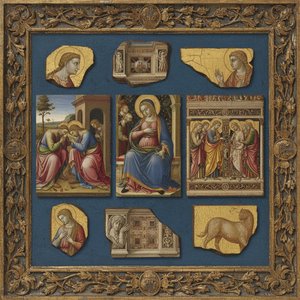
Proto-renessansens 10 Mesterverk: Kunst som Forandret Verden – OriginalUniqueArt.no
Oppdag proto-renessansens 10 mest ikoniske mesterverk! Lær om Cimabue, Giotto og Duccio – pionerene som forandret kunsten. Finn inspirasjon til interiøret & kjøp eksklusive reproduksjoner på OriginalUniqueArt.com