

 Forhåndsvisning
 Send
Send Del
Del
 Vis detaljer
 Utskriftsvennlig guide

 Last ned bilde
 Liknende objekter
 Røntgenundersøkelse
 Lysbildefremvisning
 Q&A
Q&A Statistikk
Taking in the Lobster Pots
 Oil On Canvas
- WallArt
- Irish academic realism
 Modern
 49.0 x 59.0 cm
 Vis hele teksten
Kunstverket som vises på denne siden er beskyttet av opphavsretten, noe som betyr at vi ikke har juridisk tillatelse til å lage eller selge identiske reproduksjoner. Denne beskyttelsen håndheves i henhold til internasjonale avtaler som for eksempel Bernerkonvensjonen og av nasjonale lover, inkludert de som er fastsatt i Amerikansk lov om opphavsrett – Tittel 17.
Denne metoden er i fullt samsvar med opphavsrettslige regler, da den ikke innebærer kopiering eller duplisering av det beskyttede kunstverket. I stedet er det snakk om en kreativ nytolkning – et nytt maleri som er inspirert av originalen, men ikke identisk med den.
Giclée / Kunsttrykk
Giclée- eller lerretsprint av museumskvalitet med rask produksjon og fleksible valgmuligheter for etterbehandling. ( Kjøp håndmalt maleri Bytt til digitalt bilde)




P118B Nkr10

P118H Nkr10

P118W Nkr10

P438Z Nkr10

P508JH Nkr12

P508YH Nkr12

P805H Nkr10

P805Z Nkr10

P919BZ Nkr10

P919G Nkr10

P919XJ Nkr10

P959ZH Nkr10

P968JZ Nkr12

W106C Nkr8

W218G Nkr10

W218JH Nkr8

W218Y Nkr10

W307PJ Nkr10

W316G Nkr10

W316PJ Nkr8

W316Y Nkr10

W398PJ Nkr8

W4111J Nkr10

W500HY Nkr15

W500JH Nkr15

W692G Nkr12

W849H Nkr8

W940BG Nkr15

W953PJ Nkr8




Velg mellom våre forhåndsdefinerte størrelser som bevarer kunstverkets opprinnelige proporsjoner.

Skriv inn ønsket bredde og høyde for å tilpasse trykket til din ramme eller vegg. Et trykk kan kun beskjæres, aldri skaleres opp utover motivets opprinnelige størrelse, noe som betyr at et format med andre proporsjoner vil føre til tap av deler av bildet. Vi sender deg en digital mockup for godkjenning før vi starter trykkeprosessen. Bildet som vises på denne siden viser ikke den faktiske beskjæringen — det er kun mockuppen som viser dette.
Verdensomspennende levering () på 2 uker i stedet for standard 4/5 uker. (29 October)

Gratis ekspressfrakt over hele verden

Lerretsduk av lin av høy kvalitet

Full transportforsikring

Garanti for refusjon av toll og importavgifter

Garantert fargegjengivelse

100 dagers returrett ved fabrikasjonsfeil

100% pengene tilbake-garanti

Rabatt ved flere kjøp
 Glassalternativet er kun tilgjengelig i størrelser under 110 cm

Taking in the Lobster Pots
Giclée / Kunsttrykk
Størrelse på reproduksjon
-


Totalpris for valgte alternativer
Nkr 768
The Rhythm of the Shoreline
In this oil on canvas, we find ourselves drawn to a moment of shared labor along a quiet dock. A group of men is gathered, their bodies engaged in the heavy, repetitive task of loading lobster pots onto a boat. The vessel itself sits toward the right of the frame, its hold already partially filled with the woven traps. There is a certain groundedness to the scene, a sense of weight and purpose that comes from watching hands work in unison. Amidst this human industry, two cows wander through the composition—one positioned near the center-right and another further to the left—adding a layer of pastoral stillness to the maritime activity. The presence of these animals suggests a landscape where the sea and the land are not separate worlds, but parts of a single, breathing existence.
The brushwork here is controlled yet broad. There is a restrained use of impasto that builds a tactile texture across the surface, allowing the viewer to feel the physical presence of the dock and the ruggedness of the equipment. The light does not demand attention through brilliance; instead, it settles softly over the scene, illuminating the textures of the wood and the heavy clothing of the workers. It is an approach that favors substance over ornament.
A Study of Coastal Life
The painting captures a way of life defined by the tides and the seasonal rhythms of the coast. There is no pretense in the depiction of these men; their toil is presented with a quiet dignity, stripped of any unnecessary drama. The composition focuses on the reality of the work—the movement of the pots, the positioning of the figures on the dock, and the steady presence of the livestock nearby. It reflects a period when the traditions of fishing communities were deeply intertwined with the local landscape.
Through this work, we see an interest in documenting the textures of a specific environment. The artist uses a palette that feels connected to the earth and the sea, avoiding anything too theatrical. By focusing on these ordinary, repetitive tasks, the painting achieves a sense of permanence. It is a quiet observation of a moment caught between the labor of the day and the coming evening, preserved through a technique that respects the gravity of the subject matter.
Spørsmål og svar
Hvilken trykkstørrelse av "Taking in the Lobster Pots" av Charles Lamb passer til det anbefalte rommet?
Anbefalt kombinasjon for "Taking in the Lobster Pots" av Charles Lamb: et trykk i størrelsen Small til et Coffee Shop.
Hvordan forenes medium og bevegelse i "Taking in the Lobster Pots"?
I "Taking in the Lobster Pots" møter Oil On Canvas-teknikken Irish academic realism-retningen.
Hvilken stemning formidler "Taking in the Lobster Pots" av Charles Lamb?
"Taking in the Lobster Pots" er forbundet med en Nostalgic følelse. Den emosjonelle tonen beskriver inntrykket verket gir.
Om kunstneren
The Apprentice of Portadown
A young man works under his father in the streets of Portadown, County Armagh. The air carries the scent of fresh paint and plaster as Charles Vincent Lamb learns the trade of a housepainter and decorator. This early apprenticeship provides more than just technical skill; it builds a foundation for a life defined by texture and surface. By 1913, his precision earns him a gold medal as Housepainter of the Year.
The evening hours belong to the Belfast School of Art. Here, he studies life drawing, honing an eye for the human form. A scholarship in 1917 shifts his trajectory toward the Dublin Metropolitan School of Art. Under the guidance of Seán Keating, his vision begins to expand beyond the borders of Ulster. He moves through a period of intense formal study, absorbing the techniques that will later define his approach to the canvas.
The Connemara Light
A first visit to Carraroe in 1921 changes everything. The rugged landscape of the West of Ireland presents a new reality of stone, sea, and tradition. He returns repeatedly, eventually building a cottage in Carrarō in 1935. This is no longer just a place of study; it is his home. He finds a deep connection to the Gaeltacht, documenting the rhythms of fishing families and the dignity of those engaged in maritime labor.
The brushwork reflects this environment. He works rapidly on warm-toned surfaces, attempting to catch the shifting moods of the Atlantic coast. His technique utilizes a controlled yet broad application of paint, with restrained impasto that gives physical depth to rocks and wooden piers. In works like Curragh and Hookers at a Pier, Connemara, the stillness of the water meets the heavy texture of the boats. He captures the way light interacts with the surface, mimicking the clarity of a coastal day.
A Record of Identity
His canvases do more than depict scenery; they document a way of life. Through portraits and landscapes, he chronicles the traditions of the Aran Islands and the coastal communities that seemed under threat from modernity. He paints the locals with a sense of heroism, contributing to a specific national identity within the context of the Irish Free State. His subjects—fishermen, women knitting, or dancers at a crossroads—are treated with a steady, unhurried gaze.
His career reaches significant milestones through various institutions and exhibitions:
- Royal Hibernian Academy: Elected as an Associate in 1923 and receiving full membership in 1938.
- Royal Ulster Academy: Achieved membership within this prestigious body.
- International Presence: Exhibited his work in London, New York, Chicago, and Los Angeles.
- Major Collections: His paintings reside in the National Gallery of Ireland, the Hugh Lane Gallery, and the Ulster Museum.
By the time he settles permanently in the West, his style has matured into a blend of academic realism and an expressive, modernist touch. He remains a painter of the landscape and its people until his death in 1964.
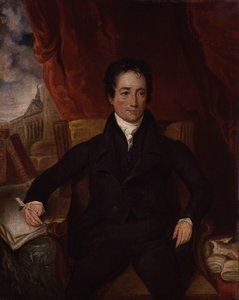
Kort om kunstneren
- Artistic Movement Or Style: Academic Realism
- Artists Who Influenced This Artist:
- Seán Keating
- Edouard Manet
- Date Of Birth: 30 August 1893
- Date Of Death: 15 December 1964
- Full Name: Charles Vincent Lamb
- Nationality: Irish
- Notable Artworks:
- A Lough Neagh Fisherman
- Curragh and Hookers at a Pier, Connemara
- A Connemara Lake
- The Turf Cutter
- Gathering Seaweed
- Place Of Birth: Portadown, Northern Ireland
Relaterte artikler

Båter i kunsten: Topp 10 mesterverk for hjemmet – Malerier og kunstnere
Utforsk 10 ikoniske båtmalerier! Fra impressionistiske seilskuter til historiske skip – lær om kunstnerne, teknikkene og inspirasjonen bak disse mesterverkene. Finn din perfekte veggkunst på OriginalUniqueArt.com.

Set Sail: 10 Iconic Artworks That Masterfully Capture the Spirit of Boats
Embark on a journey through maritime history with 10 iconic boat paintings. From Impressionist seascapes to dramatic oil masterpieces, explore the stories behind these timeless nautical works. Find museum-quality art reproductions and decor inspiration. Discover all masterpieces on OriginalUniqueArt.com

Catch the Vibe: Bold Fishing Boat Art to Transform Your Space with High-Impact Maritime Masterpieces
Elevate your space with bold, high-impact fishing boat art. From Van Gogh's textured impasto to Sorolla's vibrant light, discover premium hand-painted oil reproductions and custom maritime commissions designed to transform modern interiors with unmatched visual energy.

Set Sail: 10 Iconic Artworks That Masterfully Capture the Spirit of Boats
Embark on a maritime journey through 10 iconic boat paintings. From Impressionist seascapes to classic oil masterpieces, explore the stories and techniques behind these timeless nautical artworks. Find museum-quality reproductions for your decor. Discover all masterpieces on OriginalUniqueArt.com

Set Sail: 10 Iconic Artworks That Masterfully Capture the Spirit of Boats
Embark on a voyage through history with 10 iconic maritime masterpieces. From Impressionist seascapes to classic oil paintings of ships, explore the stories and techniques behind these timeless works. Find museum-quality art reproductions at OriginalUniqueArt.com. Explore the full collection online.